Compare commits
2 Commits
| Author | SHA1 | Date | |
|---|---|---|---|
 Jason Jason
|
927ef2353c | ||
|
Jason
|
703130307c |

Binary file not shown.
|
Before Width: | Height: | Size: 378 KiB |
@@ -24,7 +24,6 @@ ADAR1000_AGC::ADAR1000_AGC()
|
||||
, saturation_event_count(0)
|
||||
{
|
||||
memset(cal_offset, 0, sizeof(cal_offset));
|
||||
if (holdoff_frames == 0) holdoff_frames = 1;
|
||||
}
|
||||
|
||||
// ---------------------------------------------------------------------------
|
||||
|
||||
@@ -13,7 +13,6 @@ void USBHandler::reset() {
|
||||
start_flag_received = false;
|
||||
buffer_index = 0;
|
||||
current_settings.resetToDefaults();
|
||||
fault_ack_received = false;
|
||||
}
|
||||
|
||||
void USBHandler::processUSBData(const uint8_t* data, uint32_t length) {
|
||||
@@ -24,18 +23,6 @@ void USBHandler::processUSBData(const uint8_t* data, uint32_t length) {
|
||||
|
||||
DIAG("USB", "processUSBData: %lu bytes, state=%d", (unsigned long)length, (int)current_state);
|
||||
|
||||
// FAULT_ACK: host sends exactly 4 bytes [0x40, 0x00, 0x00, 0x00].
|
||||
// Requires exact 4-byte packet length: settings packets are always
|
||||
// >= 82 bytes, so a lone 4-byte payload is unambiguous. Scanning
|
||||
// inside larger packets would false-trigger on the IEEE 754
|
||||
// encoding of 2.0 (0x4000000000000000) embedded in settings doubles.
|
||||
static const uint8_t FAULT_ACK_SEQ[4] = {0x40, 0x00, 0x00, 0x00};
|
||||
if (length == 4 && memcmp(data, FAULT_ACK_SEQ, 4) == 0) {
|
||||
fault_ack_received = true;
|
||||
DIAG("USB", "FAULT_ACK received");
|
||||
return;
|
||||
}
|
||||
|
||||
switch (current_state) {
|
||||
case USBState::WAITING_FOR_START:
|
||||
processStartFlag(data, length);
|
||||
|
||||
@@ -29,11 +29,6 @@ public:
|
||||
// Reset USB handler
|
||||
void reset();
|
||||
|
||||
// Fault-acknowledgement: host sends FAULT_ACK (0x40) to clear
|
||||
// system_emergency_state and exit the safe-mode blink loop.
|
||||
bool isFaultAckReceived() const { return fault_ack_received; }
|
||||
void clearFaultAck() { fault_ack_received = false; }
|
||||
|
||||
private:
|
||||
RadarSettings current_settings;
|
||||
USBState current_state;
|
||||
@@ -43,7 +38,6 @@ private:
|
||||
static constexpr uint32_t MAX_BUFFER_SIZE = 256;
|
||||
uint8_t usb_buffer[MAX_BUFFER_SIZE];
|
||||
uint32_t buffer_index;
|
||||
bool fault_ack_received;
|
||||
|
||||
void processStartFlag(const uint8_t* data, uint32_t length);
|
||||
void processSettingsData(const uint8_t* data, uint32_t length);
|
||||
|
||||
@@ -627,7 +627,7 @@ typedef enum {
|
||||
|
||||
static SystemError_t last_error = ERROR_NONE;
|
||||
static uint32_t error_count = 0;
|
||||
static volatile bool system_emergency_state = false;
|
||||
static bool system_emergency_state = false;
|
||||
|
||||
// Error handler function
|
||||
SystemError_t checkSystemHealth(void) {
|
||||
@@ -2054,10 +2054,6 @@ int main(void)
|
||||
HAL_GPIO_TogglePin(LED_3_GPIO_Port, LED_3_Pin);
|
||||
HAL_GPIO_TogglePin(LED_4_GPIO_Port, LED_4_Pin);
|
||||
HAL_Delay(250);
|
||||
if (usbHandler.isFaultAckReceived()) {
|
||||
system_emergency_state = false;
|
||||
usbHandler.clearFaultAck();
|
||||
}
|
||||
}
|
||||
DIAG("SYS", "Exited safe mode blink loop -- system_emergency_state cleared");
|
||||
}
|
||||
|
||||
@@ -70,8 +70,7 @@ TESTS_STANDALONE := test_bug12_pa_cal_loop_inverted \
|
||||
test_gap3_idq_periodic_reread \
|
||||
test_gap3_emergency_state_ordering \
|
||||
test_gap3_overtemp_emergency_stop \
|
||||
test_gap3_health_watchdog_cold_start \
|
||||
test_gap3_fault_ack_clears_emergency
|
||||
test_gap3_health_watchdog_cold_start
|
||||
|
||||
# Tests that need platform_noos_stm32.o + mocks
|
||||
TESTS_WITH_PLATFORM := test_bug11_platform_spi_transmit_only
|
||||
@@ -179,9 +178,6 @@ test_gap3_overtemp_emergency_stop: test_gap3_overtemp_emergency_stop.c
|
||||
test_gap3_health_watchdog_cold_start: test_gap3_health_watchdog_cold_start.c
|
||||
$(CC) $(CFLAGS) $< -o $@
|
||||
|
||||
test_gap3_fault_ack_clears_emergency: test_gap3_fault_ack_clears_emergency.c
|
||||
$(CC) $(CFLAGS) $< -o $@
|
||||
|
||||
# Tests that need platform_noos_stm32.o + mocks
|
||||
$(TESTS_WITH_PLATFORM): %: %.c $(MOCK_OBJS) $(PLATFORM_OBJ)
|
||||
$(CC) $(CFLAGS) $(INCLUDES) $< $(MOCK_OBJS) $(PLATFORM_OBJ) -o $@
|
||||
|
||||
@@ -1,121 +0,0 @@
|
||||
/*******************************************************************************
|
||||
* test_gap3_fault_ack_clears_emergency.c
|
||||
*
|
||||
* Verifies the FAULT_ACK clear path for system_emergency_state:
|
||||
* - USBHandler detects exactly [0x40, 0x00, 0x00, 0x00] in a 4-byte packet
|
||||
* - Detection is false-positive-free: larger packets (settings data) carrying
|
||||
* the same bytes as a subsequence must NOT trigger the ack
|
||||
* - Main-loop blink logic clears system_emergency_state on receipt
|
||||
*
|
||||
* Logic extracted from USBHandler.cpp + main.cpp to mirror the actual code
|
||||
* paths without requiring HAL headers.
|
||||
******************************************************************************/
|
||||
#include <assert.h>
|
||||
#include <stdio.h>
|
||||
#include <stdbool.h>
|
||||
#include <string.h>
|
||||
#include <stdint.h>
|
||||
|
||||
/* ── Simulated USBHandler state ─────────────────────────────────────────── */
|
||||
static bool fault_ack_received = false;
|
||||
static volatile bool system_emergency_state = false;
|
||||
|
||||
static const uint8_t FAULT_ACK_SEQ[4] = {0x40, 0x00, 0x00, 0x00};
|
||||
|
||||
/* Mirrors USBHandler::processUSBData() detection logic */
|
||||
static void sim_processUSBData(const uint8_t *data, uint32_t length)
|
||||
{
|
||||
if (data == NULL || length == 0) return;
|
||||
if (length == 4 && memcmp(data, FAULT_ACK_SEQ, 4) == 0) {
|
||||
fault_ack_received = true;
|
||||
return;
|
||||
}
|
||||
/* (normal state machine omitted — not under test here) */
|
||||
}
|
||||
|
||||
/* Mirrors one iteration of the blink loop in main.cpp */
|
||||
static void sim_blink_iteration(void)
|
||||
{
|
||||
/* HAL_GPIO_TogglePin + HAL_Delay omitted */
|
||||
if (fault_ack_received) {
|
||||
system_emergency_state = false;
|
||||
fault_ack_received = false;
|
||||
}
|
||||
}
|
||||
|
||||
int main(void)
|
||||
{
|
||||
printf("=== Gap-3 FAULT_ACK clears system_emergency_state ===\n");
|
||||
|
||||
/* Test 1: exact 4-byte FAULT_ACK packet sets the flag */
|
||||
printf(" Test 1: exact FAULT_ACK packet detected... ");
|
||||
fault_ack_received = false;
|
||||
const uint8_t ack_pkt[4] = {0x40, 0x00, 0x00, 0x00};
|
||||
sim_processUSBData(ack_pkt, 4);
|
||||
assert(fault_ack_received == true);
|
||||
printf("PASS\n");
|
||||
|
||||
/* Test 2: flag cleared and system_emergency_state exits blink loop */
|
||||
printf(" Test 2: blink loop exits on FAULT_ACK... ");
|
||||
system_emergency_state = true;
|
||||
fault_ack_received = true;
|
||||
sim_blink_iteration();
|
||||
assert(system_emergency_state == false);
|
||||
assert(fault_ack_received == false);
|
||||
printf("PASS\n");
|
||||
|
||||
/* Test 3: blink loop does NOT exit without ack */
|
||||
printf(" Test 3: blink loop holds without ack... ");
|
||||
system_emergency_state = true;
|
||||
fault_ack_received = false;
|
||||
sim_blink_iteration();
|
||||
assert(system_emergency_state == true);
|
||||
printf("PASS\n");
|
||||
|
||||
/* Test 4: settings-sized packet carrying [0x40,0x00,0x00,0x00] as first
|
||||
* 4 bytes does NOT trigger ack (IEEE 754 double 2.0 = 0x4000000000000000) */
|
||||
printf(" Test 4: settings packet with 2.0 double does not false-trigger... ");
|
||||
fault_ack_received = false;
|
||||
uint8_t settings_pkt[82];
|
||||
memset(settings_pkt, 0, sizeof(settings_pkt));
|
||||
/* First 4 bytes look like FAULT_ACK but packet length is 82 */
|
||||
settings_pkt[0] = 0x40; settings_pkt[1] = 0x00;
|
||||
settings_pkt[2] = 0x00; settings_pkt[3] = 0x00;
|
||||
sim_processUSBData(settings_pkt, sizeof(settings_pkt));
|
||||
assert(fault_ack_received == false);
|
||||
printf("PASS\n");
|
||||
|
||||
/* Test 5: 3-byte packet (truncated) does not trigger */
|
||||
printf(" Test 5: truncated 3-byte packet ignored... ");
|
||||
fault_ack_received = false;
|
||||
const uint8_t short_pkt[3] = {0x40, 0x00, 0x00};
|
||||
sim_processUSBData(short_pkt, 3);
|
||||
assert(fault_ack_received == false);
|
||||
printf("PASS\n");
|
||||
|
||||
/* Test 6: wrong opcode byte in 4-byte packet does not trigger */
|
||||
printf(" Test 6: wrong opcode (0x28 AGC_ENABLE) not detected as FAULT_ACK... ");
|
||||
fault_ack_received = false;
|
||||
const uint8_t agc_pkt[4] = {0x28, 0x00, 0x00, 0x01};
|
||||
sim_processUSBData(agc_pkt, 4);
|
||||
assert(fault_ack_received == false);
|
||||
printf("PASS\n");
|
||||
|
||||
/* Test 7: multiple blink iterations — loop stays active until ack */
|
||||
printf(" Test 7: loop stays active across multiple iterations until ack... ");
|
||||
system_emergency_state = true;
|
||||
fault_ack_received = false;
|
||||
sim_blink_iteration();
|
||||
assert(system_emergency_state == true);
|
||||
sim_blink_iteration();
|
||||
assert(system_emergency_state == true);
|
||||
/* Now ack arrives */
|
||||
sim_processUSBData(ack_pkt, 4);
|
||||
assert(fault_ack_received == true);
|
||||
sim_blink_iteration();
|
||||
assert(system_emergency_state == false);
|
||||
printf("PASS\n");
|
||||
|
||||
printf("\n=== Gap-3 FAULT_ACK: ALL 7 TESTS PASSED ===\n\n");
|
||||
return 0;
|
||||
}
|
||||
@@ -169,11 +169,11 @@ endfunction
|
||||
// =========================================================================
|
||||
// Clamp a wider signed value to [-7, +7]
|
||||
function signed [3:0] clamp_gain;
|
||||
input signed [5:0] val; // 6-bit: covers [-22,+22] (max |gain|+step = 7+15)
|
||||
input signed [4:0] val; // 5-bit to handle overflow from add
|
||||
begin
|
||||
if (val > 6'sd7)
|
||||
if (val > 5'sd7)
|
||||
clamp_gain = 4'sd7;
|
||||
else if (val < -6'sd7)
|
||||
else if (val < -5'sd7)
|
||||
clamp_gain = -4'sd7;
|
||||
else
|
||||
clamp_gain = val[3:0];
|
||||
@@ -246,15 +246,15 @@ always @(posedge clk or negedge reset_n) begin
|
||||
// Use inclusive counts/peaks (accounting for simultaneous valid_in)
|
||||
if (wire_frame_sat_incr || frame_sat_count > 8'd0) begin
|
||||
// Clipping detected: reduce gain immediately (attack)
|
||||
agc_gain <= clamp_gain($signed({agc_gain[3], agc_gain[3], agc_gain}) -
|
||||
$signed({2'b00, agc_attack}));
|
||||
agc_gain <= clamp_gain($signed({agc_gain[3], agc_gain}) -
|
||||
$signed({1'b0, agc_attack}));
|
||||
holdoff_counter <= agc_holdoff; // Reset holdoff
|
||||
end else if ((wire_frame_peak_update ? max_iq[14:7] : frame_peak[14:7])
|
||||
< agc_target) begin
|
||||
// Signal too weak: increase gain after holdoff expires
|
||||
if (holdoff_counter == 4'd0) begin
|
||||
agc_gain <= clamp_gain($signed({agc_gain[3], agc_gain[3], agc_gain}) +
|
||||
$signed({2'b00, agc_decay}));
|
||||
agc_gain <= clamp_gain($signed({agc_gain[3], agc_gain}) +
|
||||
$signed({1'b0, agc_decay}));
|
||||
end else begin
|
||||
holdoff_counter <= holdoff_counter - 4'd1;
|
||||
end
|
||||
|
||||
@@ -103,15 +103,6 @@ class Opcode(IntEnum):
|
||||
STATUS_REQUEST = 0xFF
|
||||
|
||||
|
||||
# MCU-only commands — NOT dispatched to the FPGA opcode switch.
|
||||
# These values have no corresponding case in radar_system_top.v.
|
||||
# Listed here so the GUI can build and send them via build_command().
|
||||
# contract_parser.py filters MCU_ONLY_OPCODES out of the Python/Verilog
|
||||
# bidirectional check.
|
||||
FAULT_ACK = 0x40 # Exact 4-byte CDC packet; clears system_emergency_state
|
||||
MCU_ONLY_OPCODES: frozenset[int] = frozenset({0x40})
|
||||
|
||||
|
||||
# ============================================================================
|
||||
# Data Structures
|
||||
# ============================================================================
|
||||
|
||||
@@ -108,23 +108,12 @@ class ConcatWidth:
|
||||
|
||||
def parse_python_opcodes(filepath: Path | None = None) -> dict[int, OpcodeEntry]:
|
||||
"""Parse the Opcode enum from radar_protocol.py.
|
||||
Returns {opcode_value: OpcodeEntry}, excluding MCU_ONLY_OPCODES.
|
||||
MCU-only opcodes have no FPGA case statement and must not appear in
|
||||
the bidirectional Python/Verilog contract check.
|
||||
Returns {opcode_value: OpcodeEntry}.
|
||||
"""
|
||||
if filepath is None:
|
||||
filepath = GUI_DIR / "radar_protocol.py"
|
||||
text = filepath.read_text()
|
||||
|
||||
# Extract MCU_ONLY_OPCODES set so we can exclude those values below.
|
||||
mcu_only: set[int] = set()
|
||||
m_set = re.search(r'MCU_ONLY_OPCODES[^=]*=\s*frozenset\(\{([^}]*)\}\)', text)
|
||||
if m_set:
|
||||
for tok in m_set.group(1).split(','):
|
||||
tok = tok.strip()
|
||||
if tok.startswith(('0x', '0X')):
|
||||
mcu_only.add(int(tok, 16))
|
||||
|
||||
# Find the Opcode class body
|
||||
match = re.search(r'class Opcode\b.*?(?=\nclass |\Z)', text, re.DOTALL)
|
||||
if not match:
|
||||
@@ -134,8 +123,7 @@ def parse_python_opcodes(filepath: Path | None = None) -> dict[int, OpcodeEntry]
|
||||
for m in re.finditer(r'(\w+)\s*=\s*(0x[0-9a-fA-F]+)', match.group()):
|
||||
name = m.group(1)
|
||||
value = int(m.group(2), 16)
|
||||
if value not in mcu_only:
|
||||
opcodes[value] = OpcodeEntry(name=name, value=value)
|
||||
opcodes[value] = OpcodeEntry(name=name, value=value)
|
||||
return opcodes
|
||||
|
||||
|
||||
|
||||
@@ -7,6 +7,7 @@
|
||||
[](https://github.com/NawfalMotii79/PLFM_RADAR)
|
||||
[](https://github.com/NawfalMotii79/PLFM_RADAR/pulls)
|
||||
|
||||
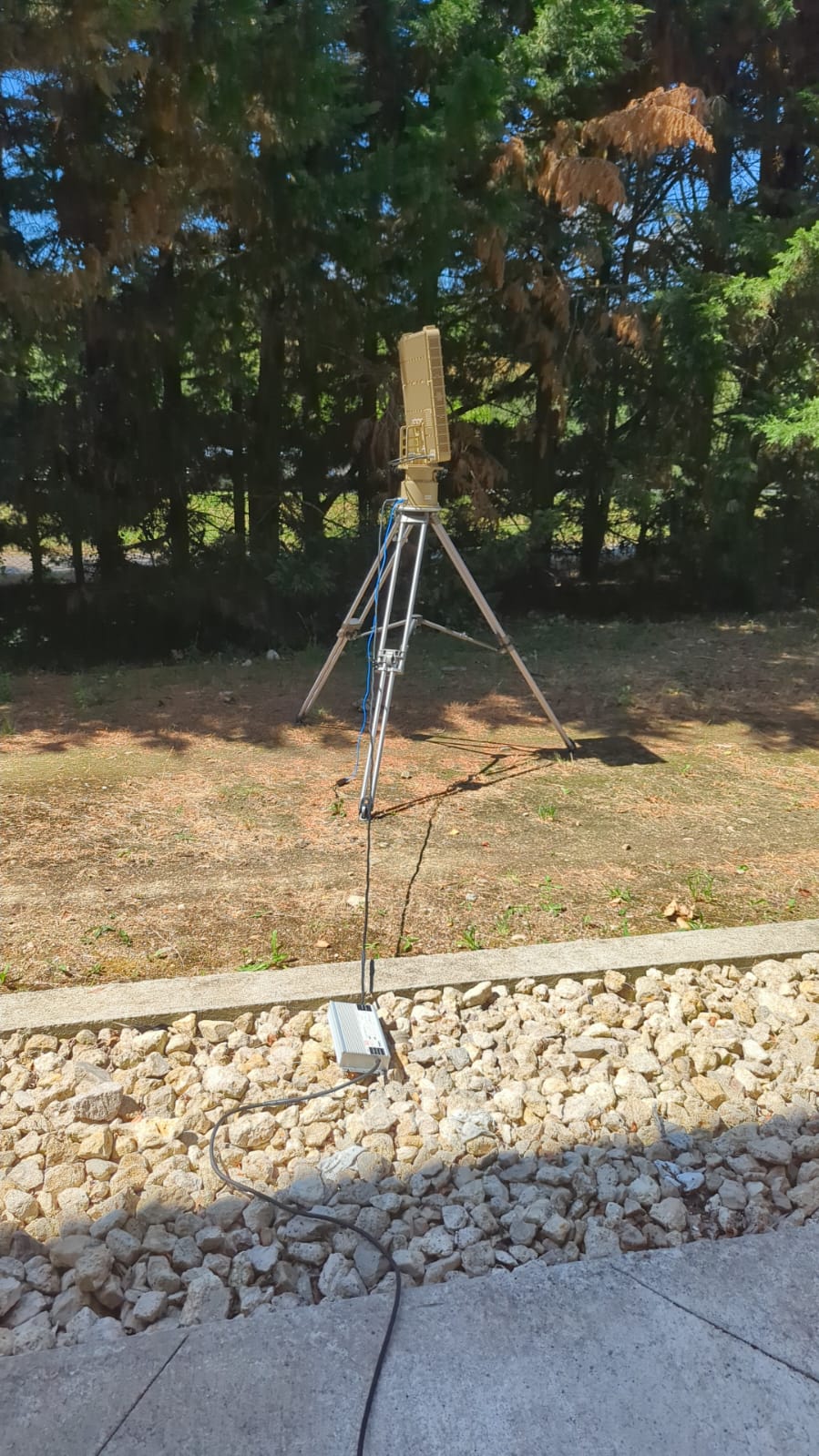
|
||||
|
||||
AERIS-10 is an open-source, low-cost 10.5 GHz phased array radar system featuring Pulse Linear Frequency Modulated (LFM) modulation. Available in two versions (3km and 20km range), it's designed for researchers, drone developers, and serious SDR enthusiasts who want to explore and experiment with phased array radar technology.
|
||||
|
||||
@@ -46,7 +47,7 @@ The AERIS-10 main sub-systems are:
|
||||
|
||||
- **Main Board** containing:
|
||||
- **DAC** - Generates the RADAR Chirps
|
||||
- **2x Microwave Mixers (LTC5552)** - For up-conversion and IF-down-conversion
|
||||
- **2x Microwave Mixers (LT5552)** - For up-conversion and IF-down-conversion
|
||||
- **4x 4-Channel Phase Shifters (ADAR1000)** - For RX and TX chain beamforming
|
||||
- **16x Front End Chips (ADTR1107)** - Used for both Low Noise Amplifying (RX) and Power Amplifying (TX) stages
|
||||
- **XC7A50T FPGA** - Handles RADAR Signal Processing on the upstream FTG256 board:
|
||||
@@ -91,7 +92,7 @@ The AERIS-10 main sub-systems are:
|
||||
### Processing Pipeline
|
||||
|
||||
1. **Waveform Generation** - DAC creates LFM chirps
|
||||
2. **Up/Down Conversion** - LTC5552 mixers handle frequency translation
|
||||
2. **Up/Down Conversion** - LT5552 mixers handle frequency translation
|
||||
3. **Beam Steering** - ADAR1000 phase shifters control 16 elements
|
||||
4. **Signal Processing (FPGA)**:
|
||||
- Raw ADC data capture
|
||||
|
||||
Reference in New Issue
Block a user