Compare commits
67 Commits
| Author | SHA1 | Date | |
|---|---|---|---|
 Jason Jason
|
f0f0f1477f | ||
|
Jason
|
ca8c5862a7 | ||
|
Jason
|
25a280c200 | ||
 NawfalMotii79 NawfalMotii79
|
33d21da7f2 | ||
|
Jason
|
1a7bd7e971 | ||
|
Jason
|
8b4de5f9ee | ||
|
Jason
|
0496291fc5 | ||
|
Jason
|
bec578a5e7 | ||
|
Jason
|
3b666ac47f | ||
|
Jason
|
813ee4c962 | ||
|
Jason
|
30279e8c4d | ||
|
Jason
|
d36a4c93e2 | ||
|
Jason
|
bf89984f04 | ||
|
Jason
|
94bf6944a3 | ||
|
Jason
|
0067969ee7 | ||
|
Jason
|
51740fd6f5 | ||
|
Jason
|
b588e89f67 | ||
|
Jason
|
70067c6121 | ||
|
Jason
|
356acea314 | ||
|
Jason
|
b250eff978 | ||
|
Jason
|
40c5cabdcf | ||
|
Jason
|
951390f678 | ||
|
Jason
|
eb8189a7f1 | ||
|
Jason
|
902f88a8df | ||
|
Jason
|
675b1c0015 | ||
|
Jason
|
3f47d1ef71 | ||
|
NawfalMotii79
|
18901be04a | ||
|
NawfalMotii79
|
9f899b96e9 | ||
|
Jason
|
c82b25f7a0 | ||
|
Jason
|
2539d46d93 | ||
|
NawfalMotii79
|
88ca1910ec | ||
|
Jason
|
d0b3a4c969 | ||
|
Jason
|
2f5ddbd8a3 | ||
 Serhii Serhii
|
aa5d712aea | ||
|
Jason
|
475f390a13 | ||
|
Jason
|
0731aae2bc | ||
|
Jason
|
e62abc9170 | ||
|
Jason
|
582476fa0d | ||
|
NawfalMotii79
|
d3476139e3 | ||
|
NawfalMotii79
|
8fac1cc1a0 | ||
|
Jason
|
7c91a3e0b9 | ||
|
Jason
|
fd6cff5b2b | ||
|
Jason
|
964f1903f3 | ||
|
Jason
|
12b549dafb | ||
|
Jason
|
5d5e9ff297 | ||
|
NawfalMotii79
|
754d919e44 | ||
|
NawfalMotii79
|
0443516cc9 | ||
|
NawfalMotii79
|
5fbe0513b5 | ||
|
Jason
|
c3db8a9122 | ||
|
Jason
|
ec8256e25a | ||
|
Serhii
|
8e1b3f22d2 | ||
|
Serhii
|
15ae940be5 | ||
|
Jason
|
658752abb7 | ||
|
Jason
|
fa5e1dcdf4 | ||
|
Jason
|
ade1497457 | ||
|
Jason
|
f1d3bff4fe | ||
|
Jason
|
791b2e7374 | ||
 copilot-swe-agent[bot] copilot-swe-agent[bot]
|
df875bdf4d | ||
|
Jason
|
15a9cde274 | ||
|
Jason
|
ae7643975d | ||
 JunghwanNA JunghwanNA
|
029df375f5 | ||
|
JunghwanNA
|
a9ceb3c851 | ||
|
JunghwanNA
|
425c349184 | ||
|
Jason
|
b9c36dcca5 | ||
|
Jason
|
db4e73577e | ||
|
Jason
|
8187771ab0 | ||
|
Jason
|
b0e5b298fe |
Binary file not shown.
@@ -550,7 +550,7 @@
|
||||
<text x="3.085225" y="81.68279375" size="1.778" layer="51">GND</text>
|
||||
<text x="2.3" y="53.85" size="1.778" layer="51">GND</text>
|
||||
<text x="3.336225" y="42.247028125" size="1.778" layer="51">GND</text>
|
||||
<text x="2.25" y="11.75" size="1.778" layer="51">GND</text>
|
||||
<text x="2.99881875" y="12.58869375" size="1.778" layer="51">GND</text>
|
||||
<text x="21.75" y="12.15" size="1.778" layer="51" rot="R90">GND</text>
|
||||
<text x="37.45" y="10.05" size="1.778" layer="51" rot="R90">GND</text>
|
||||
<text x="60.5" y="9.4" size="1.778" layer="51" rot="R90">GND</text>
|
||||
@@ -589,11 +589,11 @@
|
||||
<text x="248.95" y="49.2" size="1.778" layer="51" rot="R180">GND</text>
|
||||
<text x="248.85" y="66.55" size="1.778" layer="51" rot="R180">GND</text>
|
||||
<text x="248.8" y="82.9" size="1.778" layer="51" rot="R180">GND</text>
|
||||
<text x="256.35" y="101.95" size="1.778" layer="51" rot="R180">GND</text>
|
||||
<text x="249.4" y="112.5" size="1.778" layer="51" rot="R180">GND</text>
|
||||
<text x="253.964015625" y="102.099125" size="1.778" layer="51" rot="R180">GND</text>
|
||||
<text x="249.054865625" y="112.111771875" size="1.778" layer="51" rot="R180">GND</text>
|
||||
<text x="237.75" y="280.1" size="1.778" layer="51" rot="R270">GND</text>
|
||||
<text x="199.75" y="273.55" size="1.778" layer="51" rot="R270">GND</text>
|
||||
<text x="188.45" y="272.75" size="1.778" layer="51" rot="R270">GND</text>
|
||||
<text x="188.539503125" y="273.018421875" size="1.778" layer="51" rot="R270">GND</text>
|
||||
<text x="177.95" y="272.75" size="1.778" layer="51" rot="R270">GND</text>
|
||||
<text x="113.4" y="281.65" size="1.778" layer="51" rot="R270">GND</text>
|
||||
<text x="2.992190625" y="248.58331875" size="1.778" layer="51">GND</text>
|
||||
@@ -635,13 +635,13 @@
|
||||
<wire x1="161.6" y1="158.7" x2="156.95" y2="163.4" width="2.54" layer="29"/>
|
||||
<wire x1="170.1" y1="150.2" x2="165.45" y2="154.9" width="2.54" layer="29"/>
|
||||
<text x="125.137784375" y="269.740521875" size="1.778" layer="51" rot="R90">+5V0_PA_1</text>
|
||||
<text x="185.45" y="267.2" size="1.778" layer="51" rot="R90">-3V4</text>
|
||||
<text x="196.5" y="267.4" size="1.778" layer="51" rot="R90">+3V4</text>
|
||||
<text x="182.675396875" y="267.73684375" size="1.778" layer="51" rot="R90">-3V4</text>
|
||||
<text x="193.277878125" y="266.86315625" size="1.778" layer="51" rot="R90">+3V4</text>
|
||||
<text x="207.4" y="267.85" size="1.778" layer="51" rot="R90">-5V0_ADAR12</text>
|
||||
<text x="188.75" y="289.05" size="1.3" layer="51" rot="R45">+3V3_ADAR12</text>
|
||||
<text x="248.25" y="270.6" size="1.778" layer="51" rot="R90">+5V0_PA_2</text>
|
||||
<text x="242.8" y="98.7" size="1.778" layer="51" rot="R180">+3V4</text>
|
||||
<text x="242.9" y="106.65" size="1.778" layer="51" rot="R180">-3V4</text>
|
||||
<text x="249.695853125" y="96.471690625" size="1.778" layer="51" rot="R180">+3V4</text>
|
||||
<text x="249.232640625" y="104.692303125" size="1.778" layer="51" rot="R180">-3V4</text>
|
||||
<text x="181.4" y="99.15" size="1.778" layer="51" rot="R270">-5V0_ADAR34</text>
|
||||
<text x="185.3" y="75.15" size="1.778" layer="51" rot="R270">+3V3_ADAR34</text>
|
||||
<text x="238.95" y="72.8" size="1.778" layer="51">+3V3_VDD_SW</text>
|
||||
@@ -714,8 +714,8 @@
|
||||
<text x="147.05" y="25.3" size="1.778" layer="51" rot="R180">CHAN14</text>
|
||||
<text x="157.1" y="25.25" size="1.778" layer="51" rot="R180">CHAN15</text>
|
||||
<text x="167.15" y="25.35" size="1.778" layer="51" rot="R180">CHAN16</text>
|
||||
<text x="50.15" y="131.25" size="1.778" layer="51" rot="R180">SV1</text>
|
||||
<text x="43.25" y="128.5" size="1.778" layer="51" rot="R270">VOLTAGE SEQUENCING</text>
|
||||
<text x="51.802165625" y="131.052934375" size="1.778" layer="51" rot="R180">SV1</text>
|
||||
<text x="35.60243125" y="132.092775" size="1.778" layer="51" rot="R270">VOLTAGE SEQUENCING</text>
|
||||
<text x="105.55" y="106.9" size="1.2" layer="51" rot="R90">AD9523_EEPROM_SEL</text>
|
||||
<text x="107.2" y="101.85" size="1.2" layer="51" rot="R45">AD9523_STATUS0</text>
|
||||
<text x="107.25" y="99.35" size="1.2" layer="51" rot="R45">STM32_MOSI4</text>
|
||||
@@ -728,20 +728,19 @@
|
||||
<text x="99.8" y="100.75" size="1.2" layer="51" rot="R225">STM32_MISO4</text>
|
||||
<text x="99.8" y="103.4" size="1.2" layer="51" rot="R225">AD9523_STATUS1</text>
|
||||
<text x="99.7" y="105.85" size="1.2" layer="51" rot="R225">GND</text>
|
||||
<text x="68.7" y="82.55" size="1.778" layer="51">JP4</text>
|
||||
<text x="64.25" y="73.85" size="1.778" layer="51" rot="R270">GND</text>
|
||||
<text x="68.73355625" y="72.201796875" size="1.778" layer="51">JP4</text>
|
||||
<text x="62.77508125" y="75.956934375" size="1" layer="51" rot="R225">GND</text>
|
||||
<text x="56.95" y="82.75" size="1.778" layer="51">JP9</text>
|
||||
<text x="37.85" y="78.6" size="1.778" layer="51" rot="R90">JP2</text>
|
||||
<text x="43.95" y="88.9" size="1.778" layer="51">JP8</text>
|
||||
<text x="29.1" y="93.2" size="1.778" layer="51">JP7</text>
|
||||
<text x="21.75" y="85.35" size="1.778" layer="51">JP18</text>
|
||||
<text x="45.798875" y="84.61879375" size="1.778" layer="51" rot="R180">JP2</text>
|
||||
<text x="43.09716875" y="85.33433125" size="1.778" layer="51" rot="R90">JP8</text>
|
||||
<text x="29.1" y="93.2" size="1.778" layer="51">IMU</text>
|
||||
<text x="27.568784375" y="88.61074375" size="1.778" layer="51">JP18</text>
|
||||
<text x="89.3" y="75.5" size="1.778" layer="51" rot="R180">JP13</text>
|
||||
<text x="75.2" y="77" size="1.778" layer="51" rot="R270">GND</text>
|
||||
<text x="69.6" y="74.1" size="1.778" layer="51" rot="R270">GND</text>
|
||||
<text x="62.9" y="82.75" size="1.778" layer="51">JP10</text>
|
||||
<text x="53.75" y="64.4" size="1.2" layer="51" rot="R45">STEPPER_CLK+</text>
|
||||
<text x="43.9" y="78.65" size="1.778" layer="51" rot="R270">GND</text>
|
||||
<text x="53.95" y="86.4" size="1.778" layer="51">GND</text>
|
||||
<text x="62.1909375" y="71.621040625" size="1.778" layer="51">JP10</text>
|
||||
<text x="54.996875" y="70.359128125" size="1.2" layer="51">STEPPER</text>
|
||||
<text x="43.9" y="78.65" size="1.27" layer="51" rot="R270">GND</text>
|
||||
<text x="52.61158125" y="88.897171875" size="1.016" layer="51" rot="R90">GND</text>
|
||||
<text x="31.3" y="84.75" size="1.778" layer="51" rot="R270">GND</text>
|
||||
<text x="40.45" y="95.9" size="1.778" layer="51" rot="R90">GND</text>
|
||||
<rectangle x1="12.8295" y1="256.5735" x2="15.6235" y2="256.7005" layer="51"/>
|
||||
@@ -5387,6 +5386,56 @@
|
||||
<text x="122.221528125" y="146.5440625" size="1.27" layer="51" rot="R315">RX 3_4</text>
|
||||
<text x="145.05015" y="114.518025" size="1.27" layer="51" rot="R45">RX 4_4</text>
|
||||
<text x="150.25345625" y="4.79933125" size="5.4864" layer="51" font="vector">www.abac-industry.com</text>
|
||||
<text x="47.269546875" y="127.64274375" size="1.27" layer="51" rot="R135">+1V0_FPGA</text>
|
||||
<text x="47.220515625" y="125.152134375" size="1.27" layer="51" rot="R135">+1V8_FPGA</text>
|
||||
<text x="47.270815625" y="122.549565625" size="1.27" layer="51" rot="R135">+3V3_FPGA</text>
|
||||
<text x="47.317503125" y="119.8292125" size="1.27" layer="51" rot="R135">+5V0_ADAR</text>
|
||||
<text x="47.30423125" y="117.319196875" size="1.27" layer="51" rot="R135">+3V3_ADAR12</text>
|
||||
<text x="47.2552" y="114.8285875" size="1.27" layer="51" rot="R135">+3V3_ADAR34</text>
|
||||
<text x="47.3055" y="112.22601875" size="1.27" layer="51" rot="R135">+3V3_ADTR</text>
|
||||
<text x="47.3521875" y="109.505665625" size="1.27" layer="51" rot="R135">+3V3_SW</text>
|
||||
<text x="47.262328125" y="107.0494875" size="1.27" layer="51" rot="R135">+3V3_VDD_SW</text>
|
||||
<text x="47.262328125" y="104.6232625" size="1.27" layer="51" rot="R135">+5V0_PA1</text>
|
||||
<text x="52.848896875" y="114.716634375" size="1.27" layer="51" rot="R315">GND</text>
|
||||
<text x="52.897928125" y="117.20724375" size="1.27" layer="51" rot="R315">+3V3_CLOCK</text>
|
||||
<text x="52.847628125" y="119.8098125" size="1.27" layer="51" rot="R315">+1V8_CLOCK</text>
|
||||
<text x="52.800940625" y="122.530165625" size="1.27" layer="51" rot="R315">+5V5_PA</text>
|
||||
<text x="52.8908" y="124.98634375" size="1.27" layer="51" rot="R315">+5V0_PA3</text>
|
||||
<text x="52.8908" y="127.41256875" size="1.27" layer="51" rot="R315">+5V0_PA2</text>
|
||||
<text x="52.866228125" y="112.238071875" size="1.27" layer="51" rot="R315">GND</text>
|
||||
<text x="52.79689375" y="109.7075125" size="1.27" layer="51" rot="R315">GND</text>
|
||||
<text x="52.7795625" y="107.038290625" size="1.27" layer="51" rot="R315">GND</text>
|
||||
<text x="52.762228125" y="104.50773125" size="1.27" layer="51" rot="R315">GND</text>
|
||||
<text x="37.741834375" y="95.9444" size="1.778" layer="51" rot="R90">+3V3</text>
|
||||
<text x="43.11376875" y="95.9444" size="1.778" layer="51" rot="R90">SCL3</text>
|
||||
<text x="45.64435" y="95.9888" size="1.778" layer="51" rot="R90">SDA3</text>
|
||||
<text x="48.232090625" y="95.98181875" size="1.016" layer="51" rot="R90">MAG_DRDY</text>
|
||||
<text x="50.801084375" y="95.879059375" size="1.016" layer="51" rot="R90">ACC_INT</text>
|
||||
<text x="52.907659375" y="95.95613125" size="1.016" layer="51" rot="R90">GYR_INT</text>
|
||||
<text x="54.502678125" y="92.739546875" size="1.778" layer="51">JP7</text>
|
||||
<text x="30.45236875" y="78.6816375" size="1.778" layer="51" rot="R90">+3V3</text>
|
||||
<text x="35.56853125" y="79.257065625" size="1.778" layer="51" rot="R90">SCL3</text>
|
||||
<text x="38.227" y="78.789975" size="1.778" layer="51" rot="R90">SDA3</text>
|
||||
<text x="39.282209375" y="78.488071875" size="1.27" layer="51" rot="R270">+3V3</text>
|
||||
<text x="41.4419875" y="78.63334375" size="1.27" layer="51" rot="R270">STM32_SWCLK</text>
|
||||
<text x="46.663971875" y="78.473509375" size="1.27" layer="51" rot="R270">STM32_SWDIO</text>
|
||||
<text x="49.16839375" y="78.5267875" size="1.27" layer="51" rot="R270">STM32_NRST</text>
|
||||
<text x="51.7793875" y="78.473509375" size="1.27" layer="51" rot="R270">STM32_SWO</text>
|
||||
<text x="53.6100625" y="82.81805625" size="1.27" layer="51" rot="R315">GND</text>
|
||||
<text x="53.75804375" y="77.6019375" size="1.27" layer="51" rot="R315">GND</text>
|
||||
<text x="53.809425" y="80.29940625" size="1.27" layer="51" rot="R315">CW+</text>
|
||||
<text x="53.520859375" y="75.467190625" size="1.27" layer="51" rot="R315">CLK+</text>
|
||||
<text x="50.081" y="88.941571875" size="1.016" layer="51" rot="R90">RX5</text>
|
||||
<text x="47.417228125" y="88.985971875" size="1.016" layer="51" rot="R90">TX5</text>
|
||||
<text x="45.019834375" y="88.675175" size="1.016" layer="51" rot="R90">+3V3</text>
|
||||
<text x="53.525646875" y="86.07393125" size="1.778" layer="51">GPS</text>
|
||||
<text x="62.34479375" y="80.785540625" size="0.9" layer="51" rot="R45">EN/DIS_RFPA_VDD</text>
|
||||
<text x="68.0472625" y="76.328084375" size="1" layer="51" rot="R225">GND</text>
|
||||
<text x="67.5982" y="80.711553125" size="0.9" layer="51" rot="R45">EN/DIS_COOLING</text>
|
||||
<text x="78.325053125" y="83.140434375" size="1.778" layer="51">ADF4382</text>
|
||||
<text x="92.67903125" y="80.894575" size="1.016" layer="51">1</text>
|
||||
<text x="92.77235625" y="78.2390125" size="1.016" layer="51">2</text>
|
||||
<text x="73.362715625" y="77.945809375" size="1.016" layer="51">14</text>
|
||||
</plain>
|
||||
<libraries>
|
||||
<library name="eagle-ltspice">
|
||||
@@ -24576,8 +24625,8 @@ Your PCBWay Team
|
||||
<vertex x="114" y="112" curve="-180"/>
|
||||
</polygon>
|
||||
<polygon width="0.254" layer="1" spacing="5.08">
|
||||
<vertex x="258.75" y="116" curve="-180"/>
|
||||
<vertex x="254.75" y="112" curve="-180"/>
|
||||
<vertex x="258.9164" y="116.0208" curve="-180"/>
|
||||
<vertex x="254.9164" y="112.0208" curve="-180"/>
|
||||
</polygon>
|
||||
<polygon width="0.254" layer="1" spacing="5.08">
|
||||
<vertex x="260" y="300"/>
|
||||
|
||||
File diff suppressed because it is too large
Load Diff

Binary file not shown.
|
After Width: | Height: | Size: 378 KiB |
@@ -18,7 +18,7 @@ ADAR1000_AGC::ADAR1000_AGC()
|
||||
, min_gain(0)
|
||||
, max_gain(127)
|
||||
, holdoff_frames(4)
|
||||
, enabled(true)
|
||||
, enabled(false)
|
||||
, holdoff_counter(0)
|
||||
, last_saturated(false)
|
||||
, saturation_event_count(0)
|
||||
|
||||
@@ -20,18 +20,71 @@ static const struct {
|
||||
{ADAR_4_CS_3V3_GPIO_Port, ADAR_4_CS_3V3_Pin} // ADAR1000 #4
|
||||
};
|
||||
|
||||
// Vector Modulator lookup tables
|
||||
// ADAR1000 Vector Modulator lookup tables (128-state phase grid, 2.8125 deg step).
|
||||
//
|
||||
// Source: Analog Devices ADAR1000 datasheet Rev. B, Tables 13-16, page 34
|
||||
// (7_Components Datasheets and Application notes/ADAR1000.pdf)
|
||||
// Cross-checked against the ADI Linux mainline driver (GPL-2.0, NOT vendored):
|
||||
// https://git.kernel.org/pub/scm/linux/kernel/git/torvalds/linux.git/tree/
|
||||
// drivers/iio/beamformer/adar1000.c (adar1000_phase_values[])
|
||||
// The 128 byte values themselves are factual data from the datasheet and are
|
||||
// not subject to copyright; only the ADI driver code is GPL.
|
||||
//
|
||||
// Byte format (per datasheet):
|
||||
// bit [7:6] reserved (0)
|
||||
// bit [5] polarity: 1 = positive lobe (sign(I) or sign(Q) >= 0)
|
||||
// 0 = negative lobe
|
||||
// bits [4:0] 5-bit unsigned magnitude (0..31)
|
||||
// At magnitude=0 the polarity bit is physically meaningless; the datasheet
|
||||
// uses POL=1 (e.g. VM_Q at 0 deg = 0x20, VM_I at 90 deg = 0x21).
|
||||
//
|
||||
// Index mapping is uniform: VM_I[k] / VM_Q[k] correspond to phase angle
|
||||
// k * 360/128 = k * 2.8125 degrees. Callers index as VM_*[phase % 128].
|
||||
const uint8_t ADAR1000Manager::VM_I[128] = {
|
||||
// ... (same as in your original file)
|
||||
0x3F, 0x3F, 0x3F, 0x3F, 0x3F, 0x3E, 0x3E, 0x3D, // [ 0] 0.0000 deg
|
||||
0x3D, 0x3C, 0x3C, 0x3B, 0x3A, 0x39, 0x38, 0x37, // [ 8] 22.5000 deg
|
||||
0x36, 0x35, 0x34, 0x33, 0x32, 0x30, 0x2F, 0x2E, // [ 16] 45.0000 deg
|
||||
0x2C, 0x2B, 0x2A, 0x28, 0x27, 0x25, 0x24, 0x22, // [ 24] 67.5000 deg
|
||||
0x21, 0x01, 0x03, 0x04, 0x06, 0x07, 0x08, 0x0A, // [ 32] 90.0000 deg
|
||||
0x0B, 0x0D, 0x0E, 0x0F, 0x11, 0x12, 0x13, 0x14, // [ 40] 112.5000 deg
|
||||
0x16, 0x17, 0x18, 0x19, 0x19, 0x1A, 0x1B, 0x1C, // [ 48] 135.0000 deg
|
||||
0x1C, 0x1D, 0x1E, 0x1E, 0x1E, 0x1F, 0x1F, 0x1F, // [ 56] 157.5000 deg
|
||||
0x1F, 0x1F, 0x1F, 0x1F, 0x1F, 0x1E, 0x1E, 0x1D, // [ 64] 180.0000 deg
|
||||
0x1D, 0x1C, 0x1C, 0x1B, 0x1A, 0x19, 0x18, 0x17, // [ 72] 202.5000 deg
|
||||
0x16, 0x15, 0x14, 0x13, 0x12, 0x10, 0x0F, 0x0E, // [ 80] 225.0000 deg
|
||||
0x0C, 0x0B, 0x0A, 0x08, 0x07, 0x05, 0x04, 0x02, // [ 88] 247.5000 deg
|
||||
0x01, 0x21, 0x23, 0x24, 0x26, 0x27, 0x28, 0x2A, // [ 96] 270.0000 deg
|
||||
0x2B, 0x2D, 0x2E, 0x2F, 0x31, 0x32, 0x33, 0x34, // [104] 292.5000 deg
|
||||
0x36, 0x37, 0x38, 0x39, 0x39, 0x3A, 0x3B, 0x3C, // [112] 315.0000 deg
|
||||
0x3C, 0x3D, 0x3E, 0x3E, 0x3E, 0x3F, 0x3F, 0x3F, // [120] 337.5000 deg
|
||||
};
|
||||
|
||||
const uint8_t ADAR1000Manager::VM_Q[128] = {
|
||||
// ... (same as in your original file)
|
||||
0x20, 0x21, 0x23, 0x24, 0x26, 0x27, 0x28, 0x2A, // [ 0] 0.0000 deg
|
||||
0x2B, 0x2D, 0x2E, 0x2F, 0x30, 0x31, 0x33, 0x34, // [ 8] 22.5000 deg
|
||||
0x35, 0x36, 0x37, 0x38, 0x38, 0x39, 0x3A, 0x3A, // [ 16] 45.0000 deg
|
||||
0x3B, 0x3C, 0x3C, 0x3C, 0x3D, 0x3D, 0x3D, 0x3D, // [ 24] 67.5000 deg
|
||||
0x3D, 0x3D, 0x3D, 0x3D, 0x3D, 0x3C, 0x3C, 0x3C, // [ 32] 90.0000 deg
|
||||
0x3B, 0x3A, 0x3A, 0x39, 0x38, 0x38, 0x37, 0x36, // [ 40] 112.5000 deg
|
||||
0x35, 0x34, 0x33, 0x31, 0x30, 0x2F, 0x2E, 0x2D, // [ 48] 135.0000 deg
|
||||
0x2B, 0x2A, 0x28, 0x27, 0x26, 0x24, 0x23, 0x21, // [ 56] 157.5000 deg
|
||||
0x20, 0x01, 0x03, 0x04, 0x06, 0x07, 0x08, 0x0A, // [ 64] 180.0000 deg
|
||||
0x0B, 0x0D, 0x0E, 0x0F, 0x10, 0x11, 0x13, 0x14, // [ 72] 202.5000 deg
|
||||
0x15, 0x16, 0x17, 0x18, 0x18, 0x19, 0x1A, 0x1A, // [ 80] 225.0000 deg
|
||||
0x1B, 0x1C, 0x1C, 0x1C, 0x1D, 0x1D, 0x1D, 0x1D, // [ 88] 247.5000 deg
|
||||
0x1D, 0x1D, 0x1D, 0x1D, 0x1D, 0x1C, 0x1C, 0x1C, // [ 96] 270.0000 deg
|
||||
0x1B, 0x1A, 0x1A, 0x19, 0x18, 0x18, 0x17, 0x16, // [104] 292.5000 deg
|
||||
0x15, 0x14, 0x13, 0x11, 0x10, 0x0F, 0x0E, 0x0D, // [112] 315.0000 deg
|
||||
0x0B, 0x0A, 0x08, 0x07, 0x06, 0x04, 0x03, 0x01, // [120] 337.5000 deg
|
||||
};
|
||||
|
||||
const uint8_t ADAR1000Manager::VM_GAIN[128] = {
|
||||
// ... (same as in your original file)
|
||||
};
|
||||
// NOTE: a VM_GAIN[128] table previously existed here as a placeholder but was
|
||||
// never populated and never read. The ADAR1000 vector modulator has no
|
||||
// separate gain register: phase-state magnitude is encoded directly in
|
||||
// bits [4:0] of the VM_I/VM_Q bytes above. Per-channel VGA gain is a
|
||||
// distinct register (CHx_RX_GAIN at 0x10-0x13, CHx_TX_GAIN at 0x1C-0x1F)
|
||||
// written with the user-supplied byte directly by adarSetRxVgaGain() /
|
||||
// adarSetTxVgaGain(). Do not reintroduce a VM_GAIN[] array.
|
||||
|
||||
ADAR1000Manager::ADAR1000Manager() {
|
||||
for (int i = 0; i < 4; ++i) {
|
||||
@@ -110,8 +163,10 @@ void ADAR1000Manager::switchToTXMode() {
|
||||
DIAG("BF", "Step 3: PA bias ON");
|
||||
setPABias(true);
|
||||
delayUs(50);
|
||||
DIAG("BF", "Step 4: ADTR1107 -> TX");
|
||||
setADTR1107Control(true);
|
||||
// Step 4 (former setADTR1107Control(true)) removed: TR pin is FPGA-owned.
|
||||
// Chip follows adar_tr_x; TX path is asserted by the FPGA chirp FSM, not
|
||||
// by SPI here. Write per-channel TX enables so the FPGA TR override has
|
||||
// something to gate.
|
||||
|
||||
for (uint8_t dev = 0; dev < devices_.size(); ++dev) {
|
||||
adarWrite(dev, REG_RX_ENABLES, 0x00, BROADCAST_OFF);
|
||||
@@ -132,8 +187,7 @@ void ADAR1000Manager::switchToRXMode() {
|
||||
DIAG("BF", "Step 2: Disable PA supplies");
|
||||
disablePASupplies();
|
||||
delayUs(10);
|
||||
DIAG("BF", "Step 3: ADTR1107 -> RX");
|
||||
setADTR1107Control(false);
|
||||
// Step 3 (former setADTR1107Control(false)) removed: FPGA owns TR pin.
|
||||
DIAG("BF", "Step 4: Enable LNA supplies");
|
||||
enableLNASupplies();
|
||||
delayUs(50);
|
||||
@@ -151,39 +205,11 @@ void ADAR1000Manager::switchToRXMode() {
|
||||
DIAG("BF", "switchToRXMode() complete");
|
||||
}
|
||||
|
||||
void ADAR1000Manager::fastTXMode() {
|
||||
DIAG("BF", "fastTXMode(): ADTR1107 -> TX (no bias sequencing)");
|
||||
setADTR1107Control(true);
|
||||
for (uint8_t dev = 0; dev < devices_.size(); ++dev) {
|
||||
adarWrite(dev, REG_RX_ENABLES, 0x00, BROADCAST_OFF);
|
||||
adarWrite(dev, REG_TX_ENABLES, 0x0F, BROADCAST_OFF);
|
||||
devices_[dev]->current_mode = BeamDirection::TX;
|
||||
}
|
||||
current_mode_ = BeamDirection::TX;
|
||||
}
|
||||
|
||||
void ADAR1000Manager::fastRXMode() {
|
||||
DIAG("BF", "fastRXMode(): ADTR1107 -> RX (no bias sequencing)");
|
||||
setADTR1107Control(false);
|
||||
for (uint8_t dev = 0; dev < devices_.size(); ++dev) {
|
||||
adarWrite(dev, REG_TX_ENABLES, 0x00, BROADCAST_OFF);
|
||||
adarWrite(dev, REG_RX_ENABLES, 0x0F, BROADCAST_OFF);
|
||||
devices_[dev]->current_mode = BeamDirection::RX;
|
||||
}
|
||||
current_mode_ = BeamDirection::RX;
|
||||
}
|
||||
|
||||
void ADAR1000Manager::pulseTXMode() {
|
||||
DIAG("BF", "pulseTXMode(): TR switch only");
|
||||
setADTR1107Control(true);
|
||||
last_switch_time_us_ = HAL_GetTick() * 1000;
|
||||
}
|
||||
|
||||
void ADAR1000Manager::pulseRXMode() {
|
||||
DIAG("BF", "pulseRXMode(): TR switch only");
|
||||
setADTR1107Control(false);
|
||||
last_switch_time_us_ = HAL_GetTick() * 1000;
|
||||
}
|
||||
// fastTXMode, fastRXMode, pulseTXMode, pulseRXMode: REMOVED.
|
||||
// The chirp hot path owns T/R switching via the FPGA adar_tr_x pins
|
||||
// (see 9_Firmware/9_2_FPGA/plfm_chirp_controller.v). The old SPI-RMW per
|
||||
// chirp was architecturally redundant, raced the FPGA, and toggled the
|
||||
// wrong bit of REG_SW_CONTROL (TR_SOURCE instead of TR_SPI).
|
||||
|
||||
// Beam Steering
|
||||
bool ADAR1000Manager::setBeamAngle(float angle_degrees, BeamDirection direction) {
|
||||
@@ -315,25 +341,10 @@ void ADAR1000Manager::writeRegister(uint8_t deviceIndex, uint32_t address, uint8
|
||||
}
|
||||
|
||||
// Configuration
|
||||
void ADAR1000Manager::setSwitchSettlingTime(uint32_t us) {
|
||||
switch_settling_time_us_ = us;
|
||||
}
|
||||
|
||||
void ADAR1000Manager::setFastSwitchMode(bool enable) {
|
||||
DIAG("BF", "setFastSwitchMode(%s)", enable ? "ON" : "OFF");
|
||||
fast_switch_mode_ = enable;
|
||||
if (enable) {
|
||||
switch_settling_time_us_ = 10;
|
||||
DIAG("BF", " settling time = 10 us, enabling PA+LNA supplies and bias simultaneously");
|
||||
enablePASupplies();
|
||||
enableLNASupplies();
|
||||
setPABias(true);
|
||||
setLNABias(true);
|
||||
} else {
|
||||
switch_settling_time_us_ = 50;
|
||||
DIAG("BF", " settling time = 50 us");
|
||||
}
|
||||
}
|
||||
// setSwitchSettlingTime, setFastSwitchMode: REMOVED.
|
||||
// Their only reader was the deleted setADTR1107Control; setFastSwitchMode(true)
|
||||
// also violated the ADTR1107 datasheet bias sequence (PA + LNA biased to
|
||||
// operational simultaneously). Per-chirp T/R is FPGA-owned now.
|
||||
|
||||
void ADAR1000Manager::setBeamDwellTime(uint32_t ms) {
|
||||
beam_dwell_time_ms_ = ms;
|
||||
@@ -375,15 +386,30 @@ bool ADAR1000Manager::initializeSingleDevice(uint8_t deviceIndex) {
|
||||
DIAG("BF", " dev[%u] set RAM bypass (bias+beam)", deviceIndex);
|
||||
adarSetRamBypass(deviceIndex, BROADCAST_OFF);
|
||||
|
||||
// Hand per-chirp T/R switching to the FPGA.
|
||||
// Set TR_SOURCE (REG_SW_CONTROL bit 2) = 1 so the chip's internal
|
||||
// RX_EN_OVERRIDE / TX_EN_OVERRIDE follow the external TR pin (driven by
|
||||
// plfm_chirp_controller's adar_tr_x output). See ADAR1000 datasheet
|
||||
// "Theory of Operation" -- SPI Control vs TR Pin Control.
|
||||
// Without this write, the FPGA's TR pin is ignored and the chip stays
|
||||
// in RX state (TR_SPI POR default).
|
||||
DIAG("BF", " dev[%u] SW_CONTROL: TR_SOURCE=1 (FPGA owns TR pin)", deviceIndex);
|
||||
adarWrite(deviceIndex, REG_SW_CONTROL, (1 << 2), BROADCAST_OFF);
|
||||
|
||||
// Initialize ADC
|
||||
DIAG("BF", " dev[%u] enable ADC (2MHz clk)", deviceIndex);
|
||||
adarWrite(deviceIndex, REG_ADC_CONTROL, ADAR1000_ADC_2MHZ_CLK | ADAR1000_ADC_EN, BROADCAST_OFF);
|
||||
|
||||
// Verify communication with scratchpad test
|
||||
// Audit F-4.4: on SPI failure, previously marked the device initialized
|
||||
// anyway, so downstream (e.g. PA enable) could drive PA gates out-of-spec
|
||||
// on a dead bus. Now propagate the failure so initializeAllDevices aborts.
|
||||
DIAG("BF", " dev[%u] verifying SPI communication...", deviceIndex);
|
||||
bool comms_ok = verifyDeviceCommunication(deviceIndex);
|
||||
if (!comms_ok) {
|
||||
DIAG_WARN("BF", " dev[%u] scratchpad verify FAILED but marking initialized anyway", deviceIndex);
|
||||
DIAG_ERR("BF", " dev[%u] scratchpad verify FAILED -- device NOT marked initialized", deviceIndex);
|
||||
devices_[deviceIndex]->initialized = false;
|
||||
return false;
|
||||
}
|
||||
|
||||
devices_[deviceIndex]->initialized = true;
|
||||
@@ -411,9 +437,11 @@ bool ADAR1000Manager::initializeADTR1107Sequence() {
|
||||
HAL_GPIO_WritePin(EN_P_3V3_SW_GPIO_Port, EN_P_3V3_SW_Pin, GPIO_PIN_SET);
|
||||
HAL_Delay(1);
|
||||
|
||||
// Step 4: Set CTRL_SW to RX mode initially via GPIO
|
||||
DIAG("BF", "Step 4: CTRL_SW -> RX (initial safe mode)");
|
||||
setADTR1107Control(false); // RX mode
|
||||
// Step 4: CTRL_SW safe-default is RX.
|
||||
// FPGA-owned path: with TR_SOURCE=1 (set in initializeSingleDevice) the
|
||||
// chip follows adar_tr_x, which is 0 in the FPGA FSM's IDLE state = RX.
|
||||
// No SPI write needed here.
|
||||
DIAG("BF", "Step 4: CTRL_SW -> RX (FPGA adar_tr_x idle-low == RX)");
|
||||
HAL_Delay(1);
|
||||
|
||||
// Step 5: Set VGG_LNA to 0
|
||||
@@ -515,7 +543,7 @@ bool ADAR1000Manager::setAllDevicesRXMode() {
|
||||
void ADAR1000Manager::setADTR1107Mode(BeamDirection direction) {
|
||||
if (direction == BeamDirection::TX) {
|
||||
DIAG_SECTION("ADTR1107 -> TX MODE");
|
||||
setADTR1107Control(true); // TX mode
|
||||
// setADTR1107Control(true) removed: TR pin is FPGA-driven.
|
||||
|
||||
// Step 1: Disable LNA power first
|
||||
DIAG("BF", " Disable LNA supplies");
|
||||
@@ -545,10 +573,11 @@ void ADAR1000Manager::setADTR1107Mode(BeamDirection direction) {
|
||||
}
|
||||
HAL_Delay(5);
|
||||
|
||||
// Step 5: Set TR switch to TX mode
|
||||
DIAG("BF", " TR switch -> TX (TR_SOURCE=1, BIAS_EN)");
|
||||
// Step 5: TR switch state is FPGA-driven. TR_SOURCE=1 is set once in
|
||||
// initializeSingleDevice, so the chip already follows adar_tr_x.
|
||||
// Only BIAS_EN needs to be asserted here.
|
||||
DIAG("BF", " BIAS_EN (TR source still = FPGA adar_tr_x)");
|
||||
for (uint8_t dev = 0; dev < devices_.size(); ++dev) {
|
||||
adarSetBit(dev, REG_SW_CONTROL, 2, BROADCAST_OFF); // TR_SOURCE = 1 (TX)
|
||||
adarSetBit(dev, REG_MISC_ENABLES, 5, BROADCAST_OFF); // BIAS_EN
|
||||
}
|
||||
DIAG("BF", " ADTR1107 TX mode complete");
|
||||
@@ -556,7 +585,7 @@ void ADAR1000Manager::setADTR1107Mode(BeamDirection direction) {
|
||||
} else {
|
||||
// RECEIVE MODE: Enable LNA, Disable PA
|
||||
DIAG_SECTION("ADTR1107 -> RX MODE");
|
||||
setADTR1107Control(false); // RX mode
|
||||
// setADTR1107Control(false) removed: TR pin is FPGA-driven.
|
||||
|
||||
// Step 1: Disable PA power first
|
||||
DIAG("BF", " Disable PA supplies");
|
||||
@@ -587,34 +616,21 @@ void ADAR1000Manager::setADTR1107Mode(BeamDirection direction) {
|
||||
}
|
||||
HAL_Delay(5);
|
||||
|
||||
// Step 5: Set TR switch to RX mode
|
||||
DIAG("BF", " TR switch -> RX (TR_SOURCE=0, LNA_BIAS_OUT_EN)");
|
||||
// Step 5: TR switch state is FPGA-driven (TR_SOURCE left at 1).
|
||||
// Only LNA_BIAS_OUT_EN needs to be asserted here.
|
||||
DIAG("BF", " LNA_BIAS_OUT_EN (TR source still = FPGA adar_tr_x)");
|
||||
for (uint8_t dev = 0; dev < devices_.size(); ++dev) {
|
||||
adarResetBit(dev, REG_SW_CONTROL, 2, BROADCAST_OFF); // TR_SOURCE = 0 (RX)
|
||||
adarSetBit(dev, REG_MISC_ENABLES, 4, BROADCAST_OFF); // LNA_BIAS_OUT_EN
|
||||
}
|
||||
DIAG("BF", " ADTR1107 RX mode complete");
|
||||
}
|
||||
}
|
||||
|
||||
void ADAR1000Manager::setADTR1107Control(bool tx_mode) {
|
||||
DIAG("BF", "setADTR1107Control(%s): setting TR switch on all %u devices, settling %lu us",
|
||||
tx_mode ? "TX" : "RX", (unsigned)devices_.size(), (unsigned long)switch_settling_time_us_);
|
||||
for (uint8_t dev = 0; dev < devices_.size(); ++dev) {
|
||||
setTRSwitchPosition(dev, tx_mode);
|
||||
}
|
||||
delayUs(switch_settling_time_us_);
|
||||
}
|
||||
|
||||
void ADAR1000Manager::setTRSwitchPosition(uint8_t deviceIndex, bool tx_mode) {
|
||||
if (tx_mode) {
|
||||
// TX mode: Set TR_SOURCE = 1
|
||||
adarSetBit(deviceIndex, REG_SW_CONTROL, 2, BROADCAST_OFF);
|
||||
} else {
|
||||
// RX mode: Set TR_SOURCE = 0
|
||||
adarResetBit(deviceIndex, REG_SW_CONTROL, 2, BROADCAST_OFF);
|
||||
}
|
||||
}
|
||||
// setADTR1107Control, setTRSwitchPosition: REMOVED.
|
||||
// The per-device SPI RMW of REG_SW_CONTROL bit 2 (TR_SOURCE) was both wrong
|
||||
// (it toggled the *control source*, not the TX/RX state -- TR_SPI is bit 1)
|
||||
// and redundant with the FPGA's plfm_chirp_controller adar_tr_x output.
|
||||
// TR_SOURCE is now set to 1 exactly once in initializeSingleDevice.
|
||||
|
||||
// Add the new public method
|
||||
bool ADAR1000Manager::setCustomBeamPattern16(const uint8_t phase_pattern[16], BeamDirection direction) {
|
||||
@@ -677,10 +693,21 @@ void ADAR1000Manager::setLNABias(bool enable) {
|
||||
}
|
||||
|
||||
void ADAR1000Manager::delayUs(uint32_t microseconds) {
|
||||
// Simple implementation - for F7 @ 216MHz, each loop ~7 cycles ≈ 0.032us
|
||||
volatile uint32_t cycles = microseconds * 10; // Adjust this multiplier for your clock
|
||||
while (cycles--) {
|
||||
__NOP();
|
||||
// Audit F-4.7: the prior implementation was a calibrated __NOP() busy-loop
|
||||
// that silently drifted with compiler optimization, cache state, and flash
|
||||
// wait-states. The ADAR1000 PLL/TX settling times require a real clock, so
|
||||
// we poll the DWT cycle counter instead. One-time TRCENA/CYCCNTENA enable
|
||||
// is idempotent; subsequent calls skip the init branch via DWT->CTRL read.
|
||||
if ((DWT->CTRL & DWT_CTRL_CYCCNTENA_Msk) == 0U) {
|
||||
CoreDebug->DEMCR |= CoreDebug_DEMCR_TRCENA_Msk;
|
||||
DWT->CYCCNT = 0U;
|
||||
DWT->CTRL |= DWT_CTRL_CYCCNTENA_Msk;
|
||||
}
|
||||
const uint32_t cycles_per_us = SystemCoreClock / 1000000U;
|
||||
const uint32_t start = DWT->CYCCNT;
|
||||
const uint32_t target = microseconds * cycles_per_us;
|
||||
while ((DWT->CYCCNT - start) < target) {
|
||||
/* CYCCNT wraps cleanly modulo 2^32 — subtraction stays correct. */
|
||||
}
|
||||
}
|
||||
|
||||
@@ -742,14 +769,25 @@ void ADAR1000Manager::setChipSelect(uint8_t deviceIndex, bool state) {
|
||||
}
|
||||
|
||||
void ADAR1000Manager::adarWrite(uint8_t deviceIndex, uint32_t mem_addr, uint8_t data, uint8_t broadcast) {
|
||||
uint8_t instruction[3];
|
||||
|
||||
if (broadcast) {
|
||||
instruction[0] = 0x08;
|
||||
} else {
|
||||
instruction[0] = ((devices_[deviceIndex]->dev_addr & 0x03) << 5);
|
||||
// Audit F-4.1: the broadcast SPI opcode path (`instruction[0] = 0x08`)
|
||||
// has never been exercised on silicon and is structurally questionable —
|
||||
// setChipSelect() only toggles ONE device's CS line, so even if a caller
|
||||
// opts into the broadcast opcode today, only the single selected chip
|
||||
// actually sees the frame. Until a HIL test confirms multi-CS semantics,
|
||||
// route every broadcast write through a per-device unicast loop. This
|
||||
// preserves caller intent (all four devices take the write) and makes
|
||||
// the dead opcode-0x08 path unreachable at runtime.
|
||||
if (broadcast == BROADCAST_ON) {
|
||||
DIAG_WARN("BF", "adarWrite: broadcast=1 lowered to per-device unicast (addr=0x%03lX data=0x%02X)",
|
||||
(unsigned long)mem_addr, data);
|
||||
for (uint8_t d = 0; d < devices_.size(); ++d) {
|
||||
adarWrite(d, mem_addr, data, BROADCAST_OFF);
|
||||
}
|
||||
return;
|
||||
}
|
||||
|
||||
uint8_t instruction[3];
|
||||
instruction[0] = ((devices_[deviceIndex]->dev_addr & 0x03) << 5);
|
||||
instruction[0] |= (0x1F00 & mem_addr) >> 8;
|
||||
instruction[1] = (0xFF & mem_addr);
|
||||
instruction[2] = data;
|
||||
@@ -782,12 +820,26 @@ uint8_t ADAR1000Manager::adarRead(uint8_t deviceIndex, uint32_t mem_addr) {
|
||||
}
|
||||
|
||||
void ADAR1000Manager::adarSetBit(uint8_t deviceIndex, uint32_t mem_addr, uint8_t bit, uint8_t broadcast) {
|
||||
// Audit F-4.2: broadcast-RMW is unsafe. The read samples a single device
|
||||
// but the write fans out to all four, overwriting the other three with
|
||||
// deviceIndex's state. Reject and surface the mistake.
|
||||
if (broadcast == BROADCAST_ON) {
|
||||
DIAG_ERR("BF", "adarSetBit: broadcast RMW is unsafe, ignored (dev=%u addr=0x%03lX bit=%u)",
|
||||
deviceIndex, (unsigned long)mem_addr, bit);
|
||||
return;
|
||||
}
|
||||
uint8_t temp = adarRead(deviceIndex, mem_addr);
|
||||
uint8_t data = temp | (1 << bit);
|
||||
adarWrite(deviceIndex, mem_addr, data, broadcast);
|
||||
}
|
||||
|
||||
void ADAR1000Manager::adarResetBit(uint8_t deviceIndex, uint32_t mem_addr, uint8_t bit, uint8_t broadcast) {
|
||||
// Audit F-4.2: see adarSetBit.
|
||||
if (broadcast == BROADCAST_ON) {
|
||||
DIAG_ERR("BF", "adarResetBit: broadcast RMW is unsafe, ignored (dev=%u addr=0x%03lX bit=%u)",
|
||||
deviceIndex, (unsigned long)mem_addr, bit);
|
||||
return;
|
||||
}
|
||||
uint8_t temp = adarRead(deviceIndex, mem_addr);
|
||||
uint8_t data = temp & ~(1 << bit);
|
||||
adarWrite(deviceIndex, mem_addr, data, broadcast);
|
||||
@@ -815,11 +867,22 @@ void ADAR1000Manager::adarSetRamBypass(uint8_t deviceIndex, uint8_t broadcast) {
|
||||
}
|
||||
|
||||
void ADAR1000Manager::adarSetRxPhase(uint8_t deviceIndex, uint8_t channel, uint8_t phase, uint8_t broadcast) {
|
||||
// channel is 1-based (CH1..CH4) per API contract documented in
|
||||
// ADAR1000_AGC.cpp and matching ADI datasheet terminology.
|
||||
// Reject out-of-range early so a stale 0-based caller does not
|
||||
// silently wrap to ((0-1) & 0x03) == 3 and write to CH4.
|
||||
// See issue #90.
|
||||
if (channel < 1 || channel > 4) {
|
||||
DIAG("BF", "adarSetRxPhase: channel %u out of range [1..4], ignored", channel);
|
||||
return;
|
||||
}
|
||||
uint8_t i_val = VM_I[phase % 128];
|
||||
uint8_t q_val = VM_Q[phase % 128];
|
||||
|
||||
uint32_t mem_addr_i = REG_CH1_RX_PHS_I + (channel & 0x03) * 2;
|
||||
uint32_t mem_addr_q = REG_CH1_RX_PHS_Q + (channel & 0x03) * 2;
|
||||
// Subtract 1 to convert 1-based channel to 0-based register offset
|
||||
// before masking. See issue #90.
|
||||
uint32_t mem_addr_i = REG_CH1_RX_PHS_I + ((channel - 1) & 0x03) * 2;
|
||||
uint32_t mem_addr_q = REG_CH1_RX_PHS_Q + ((channel - 1) & 0x03) * 2;
|
||||
|
||||
adarWrite(deviceIndex, mem_addr_i, i_val, broadcast);
|
||||
adarWrite(deviceIndex, mem_addr_q, q_val, broadcast);
|
||||
@@ -827,25 +890,40 @@ void ADAR1000Manager::adarSetRxPhase(uint8_t deviceIndex, uint8_t channel, uint8
|
||||
}
|
||||
|
||||
void ADAR1000Manager::adarSetTxPhase(uint8_t deviceIndex, uint8_t channel, uint8_t phase, uint8_t broadcast) {
|
||||
// channel is 1-based (CH1..CH4). See issue #90.
|
||||
if (channel < 1 || channel > 4) {
|
||||
DIAG("BF", "adarSetTxPhase: channel %u out of range [1..4], ignored", channel);
|
||||
return;
|
||||
}
|
||||
uint8_t i_val = VM_I[phase % 128];
|
||||
uint8_t q_val = VM_Q[phase % 128];
|
||||
|
||||
uint32_t mem_addr_i = REG_CH1_TX_PHS_I + (channel & 0x03) * 2;
|
||||
uint32_t mem_addr_q = REG_CH1_TX_PHS_Q + (channel & 0x03) * 2;
|
||||
uint32_t mem_addr_i = REG_CH1_TX_PHS_I + ((channel - 1) & 0x03) * 2;
|
||||
uint32_t mem_addr_q = REG_CH1_TX_PHS_Q + ((channel - 1) & 0x03) * 2;
|
||||
|
||||
adarWrite(deviceIndex, mem_addr_i, i_val, broadcast);
|
||||
adarWrite(deviceIndex, mem_addr_q, q_val, broadcast);
|
||||
adarWrite(deviceIndex, REG_LOAD_WORKING, 0x1, broadcast);
|
||||
adarWrite(deviceIndex, REG_LOAD_WORKING, LD_WRK_REGS_LDTX_OVERRIDE, broadcast);
|
||||
}
|
||||
|
||||
void ADAR1000Manager::adarSetRxVgaGain(uint8_t deviceIndex, uint8_t channel, uint8_t gain, uint8_t broadcast) {
|
||||
uint32_t mem_addr = REG_CH1_RX_GAIN + (channel & 0x03);
|
||||
// channel is 1-based (CH1..CH4). See issue #90.
|
||||
if (channel < 1 || channel > 4) {
|
||||
DIAG("BF", "adarSetRxVgaGain: channel %u out of range [1..4], ignored", channel);
|
||||
return;
|
||||
}
|
||||
uint32_t mem_addr = REG_CH1_RX_GAIN + ((channel - 1) & 0x03);
|
||||
adarWrite(deviceIndex, mem_addr, gain, broadcast);
|
||||
adarWrite(deviceIndex, REG_LOAD_WORKING, 0x1, broadcast);
|
||||
}
|
||||
|
||||
void ADAR1000Manager::adarSetTxVgaGain(uint8_t deviceIndex, uint8_t channel, uint8_t gain, uint8_t broadcast) {
|
||||
uint32_t mem_addr = REG_CH1_TX_GAIN + (channel & 0x03);
|
||||
// channel is 1-based (CH1..CH4). See issue #90.
|
||||
if (channel < 1 || channel > 4) {
|
||||
DIAG("BF", "adarSetTxVgaGain: channel %u out of range [1..4], ignored", channel);
|
||||
return;
|
||||
}
|
||||
uint32_t mem_addr = REG_CH1_TX_GAIN + ((channel - 1) & 0x03);
|
||||
adarWrite(deviceIndex, mem_addr, gain, broadcast);
|
||||
adarWrite(deviceIndex, REG_LOAD_WORKING, LD_WRK_REGS_LDTX_OVERRIDE, broadcast);
|
||||
}
|
||||
|
||||
@@ -48,10 +48,11 @@ public:
|
||||
// Mode Switching
|
||||
void switchToTXMode();
|
||||
void switchToRXMode();
|
||||
void fastTXMode();
|
||||
void fastRXMode();
|
||||
void pulseTXMode();
|
||||
void pulseRXMode();
|
||||
// fastTXMode/fastRXMode/pulseTXMode/pulseRXMode were removed: per-chirp T/R
|
||||
// switching is owned by the FPGA (plfm_chirp_controller -> adar_tr_x pins,
|
||||
// requires TR_SOURCE=1 in REG_SW_CONTROL, set in initializeSingleDevice).
|
||||
// The old SPI RMW path was architecturally redundant and also toggled the
|
||||
// wrong bit (TR_SOURCE instead of TR_SPI). See PR for details.
|
||||
|
||||
// Beam Steering
|
||||
bool setBeamAngle(float angle_degrees, BeamDirection direction);
|
||||
@@ -69,7 +70,8 @@ public:
|
||||
bool setAllDevicesTXMode();
|
||||
bool setAllDevicesRXMode();
|
||||
void setADTR1107Mode(BeamDirection direction);
|
||||
void setADTR1107Control(bool tx_mode);
|
||||
// setADTR1107Control removed -- it only wrapped the now-deleted
|
||||
// setTRSwitchPosition SPI path. FPGA drives the TR pin directly.
|
||||
|
||||
// Monitoring and Diagnostics
|
||||
float readTemperature(uint8_t deviceIndex);
|
||||
@@ -78,8 +80,11 @@ public:
|
||||
void writeRegister(uint8_t deviceIndex, uint32_t address, uint8_t value);
|
||||
|
||||
// Configuration
|
||||
void setSwitchSettlingTime(uint32_t us);
|
||||
void setFastSwitchMode(bool enable);
|
||||
// setSwitchSettlingTime / setFastSwitchMode removed: their only reader was
|
||||
// the deleted setADTR1107Control SPI path, and setFastSwitchMode(true)
|
||||
// also bundled a datasheet-violating PA+LNA-biased-simultaneously side
|
||||
// effect. Per-chirp settling is now FPGA-owned. Callers that need a
|
||||
// warm-up bias state should use switchToTXMode / switchToRXMode instead.
|
||||
void setBeamDwellTime(uint32_t ms);
|
||||
|
||||
// Getters
|
||||
@@ -100,8 +105,8 @@ public:
|
||||
};
|
||||
|
||||
// Configuration
|
||||
bool fast_switch_mode_ = false;
|
||||
uint32_t switch_settling_time_us_ = 50;
|
||||
// fast_switch_mode_ / switch_settling_time_us_ removed: both had no
|
||||
// readers after the FPGA-owned TR refactor.
|
||||
uint32_t beam_dwell_time_ms_ = 100;
|
||||
uint32_t last_switch_time_us_ = 0;
|
||||
|
||||
@@ -116,10 +121,12 @@ public:
|
||||
bool beam_sweeping_active_ = false;
|
||||
uint32_t last_beam_update_time_ = 0;
|
||||
|
||||
// Lookup tables
|
||||
// Vector Modulator lookup tables (see ADAR1000_Manager.cpp for provenance).
|
||||
// Indexed as VM_*[phase % 128] on a uniform 2.8125 deg grid.
|
||||
// No VM_GAIN[] table exists: VM magnitude is bits [4:0] of the I/Q bytes
|
||||
// themselves; per-channel VGA gain uses a separate register.
|
||||
static const uint8_t VM_I[128];
|
||||
static const uint8_t VM_Q[128];
|
||||
static const uint8_t VM_GAIN[128];
|
||||
|
||||
// Named defaults for the ADTR1107 and ADAR1000 power sequence.
|
||||
static constexpr uint8_t kDefaultTxVgaGain = 0x7F;
|
||||
@@ -165,7 +172,7 @@ public:
|
||||
void adarSetTxVgaGain(uint8_t deviceIndex, uint8_t channel, uint8_t gain, uint8_t broadcast);
|
||||
void adarSetTxBias(uint8_t deviceIndex, uint8_t broadcast);
|
||||
uint8_t adarAdcRead(uint8_t deviceIndex, uint8_t broadcast);
|
||||
void setTRSwitchPosition(uint8_t deviceIndex, bool tx_mode);
|
||||
// setTRSwitchPosition removed -- FPGA owns TR pin. See PR.
|
||||
|
||||
private:
|
||||
|
||||
|
||||
@@ -1,693 +0,0 @@
|
||||
/**
|
||||
* MIT License
|
||||
*
|
||||
* Copyright (c) 2020 Jimmy Pentz
|
||||
*
|
||||
* Reach me at: github.com/jgpentz, jpentz1(at)gmail.com
|
||||
*
|
||||
* Permission is hereby granted, free of charge, to any person obtaining a copy
|
||||
* of this software and associated documentation files (the "Software"), to deal
|
||||
* in the Software without restriction, including without limitation the rights
|
||||
* to use, copy, modify, merge, publish, distribute, sublicense, and/or sells
|
||||
* copies of the Software, and to permit persons to whom the Software is
|
||||
* furnished to do so, subject to the following conditions:
|
||||
*
|
||||
* The above copyright notice and this permission notice shall be included in all
|
||||
* copies or substantial portions of the Software.
|
||||
*
|
||||
* THE SOFTWARE IS PROVIDED "AS IS", WITHOUT WARRANTY OF ANY KIND, EXPRESS OR
|
||||
* IMPLIED, INCLUDING BUT NOT LIMITED TO THE WARRANTIES OF MERCHANTABILITY,
|
||||
* FITNESS FOR A PARTICULAR PURPOSE AND NONINFRINGEMENT. IN NO EVENT SHALL THE
|
||||
* AUTHORS OR COPYRIGHT HOLDERS BE LIABLE FOR ANY CLAIM, DAMAGES OR OTHER
|
||||
* LIABILITY, WHETHER IN AN ACTION OF CONTRACT, TORT OR OTHERWISE, ARISING FROM,
|
||||
* OUT OF OR IN CONNECTION WITH THE SOFTWARE OR THE USE OR OTHER DEALINGS IN THE
|
||||
* SOFTWARE.
|
||||
*/
|
||||
/* ADAR1000 4-Channel, X Band and Ku Band Beamformer */
|
||||
// ----------------------------------------------------------------------------
|
||||
// Includes
|
||||
// ----------------------------------------------------------------------------
|
||||
#include "main.h"
|
||||
#include "stm32f7xx_hal.h"
|
||||
#include "stm32f7xx_hal_spi.h"
|
||||
#include "stm32f7xx_hal_gpio.h"
|
||||
#include "adar1000.h"
|
||||
|
||||
|
||||
// ----------------------------------------------------------------------------
|
||||
// Preprocessor Definitions and Constants
|
||||
// ----------------------------------------------------------------------------
|
||||
// VM_GAIN is 15 dB of gain in 128 steps. ~0.12 dB per step.
|
||||
// A 15 dB attenuator can be applied on top of these values.
|
||||
const uint8_t VM_GAIN[128] = {
|
||||
0x00, 0x01, 0x02, 0x03, 0x04, 0x05, 0x06, 0x07, 0x08, 0x09, 0x0A, 0x0B, 0x0C, 0x0D, 0x0E, 0x0F,
|
||||
0x10, 0x11, 0x12, 0x13, 0x14, 0x15, 0x16, 0x17, 0x18, 0x19, 0x1a, 0x1b, 0x1c, 0x1d, 0x1e, 0x1f,
|
||||
0x20, 0x21, 0x22, 0x23, 0x24, 0x25, 0x26, 0x27, 0x28, 0x29, 0x2a, 0x2b, 0x2c, 0x2d, 0x2e, 0x2f,
|
||||
0x30, 0x31, 0x32, 0x33, 0x34, 0x35, 0x36, 0x37, 0x38, 0x39, 0x3a, 0x3b, 0x3c, 0x3d, 0x3e, 0x3f,
|
||||
0x40, 0x41, 0x42, 0x43, 0x44, 0x45, 0x46, 0x47, 0x48, 0x49, 0x4a, 0x4b, 0x4c, 0x4d, 0x4e, 0x4f,
|
||||
0x50, 0x51, 0x52, 0x53, 0x54, 0x55, 0x56, 0x57, 0x58, 0x59, 0x5a, 0x5b, 0x5c, 0x5d, 0x5e, 0x5f,
|
||||
0x60, 0x61, 0x62, 0x63, 0x64, 0x65, 0x66, 0x67, 0x68, 0x69, 0x6a, 0x6b, 0x6c, 0x6d, 0x6e, 0x6f,
|
||||
0x70, 0x71, 0x72, 0x73, 0x74, 0x75, 0x76, 0x77, 0x78, 0x79, 0x7a, 0x7b, 0x7c, 0x7d, 0x7e, 0x7f,
|
||||
};
|
||||
|
||||
// VM_I and VM_Q are the settings for the vector modulator. 128 steps in 360 degrees. ~2.813 degrees per step.
|
||||
const uint8_t VM_I[128] = {
|
||||
0x3F, 0x3F, 0x3F, 0x3F, 0x3F, 0x3E, 0x3E, 0x3D, 0x3D, 0x3C, 0x3C, 0x3B, 0x3A, 0x39, 0x38, 0x37,
|
||||
0x36, 0x35, 0x34, 0x33, 0x32, 0x30, 0x2F, 0x2E, 0x2C, 0x2B, 0x2A, 0x28, 0x27, 0x25, 0x24, 0x22,
|
||||
0x21, 0x01, 0x03, 0x04, 0x06, 0x07, 0x08, 0x0A, 0x0B, 0x0D, 0x0E, 0x0F, 0x11, 0x12, 0x13, 0x14,
|
||||
0x16, 0x17, 0x18, 0x19, 0x19, 0x1A, 0x1B, 0x1C, 0x1C, 0x1D, 0x1E, 0x1E, 0x1E, 0x1F, 0x1F, 0x1F,
|
||||
0x1F, 0x1F, 0x1F, 0x1F, 0x1F, 0x1E, 0x1E, 0x1D, 0x1D, 0x1C, 0x1C, 0x1B, 0x1A, 0x19, 0x18, 0x17,
|
||||
0x16, 0x15, 0x14, 0x13, 0x12, 0x10, 0x0F, 0x0E, 0x0C, 0x0B, 0x0A, 0x08, 0x07, 0x05, 0x04, 0x02,
|
||||
0x01, 0x21, 0x23, 0x24, 0x26, 0x27, 0x28, 0x2A, 0x2B, 0x2D, 0x2E, 0x2F, 0x31, 0x32, 0x33, 0x34,
|
||||
0x36, 0x37, 0x38, 0x39, 0x39, 0x3A, 0x3B, 0x3C, 0x3C, 0x3D, 0x3E, 0x3E, 0x3E, 0x3F, 0x3F, 0x3F,
|
||||
};
|
||||
|
||||
const uint8_t VM_Q[128] = {
|
||||
0x20, 0x21, 0x23, 0x24, 0x26, 0x27, 0x28, 0x2A, 0x2B, 0x2D, 0x2E, 0x2F, 0x30, 0x31, 0x33, 0x34,
|
||||
0x35, 0x36, 0x37, 0x38, 0x38, 0x39, 0x3A, 0x3A, 0x3B, 0x3C, 0x3C, 0x3C, 0x3D, 0x3D, 0x3D, 0x3D,
|
||||
0x3D, 0x3D, 0x3D, 0x3D, 0x3D, 0x3C, 0x3C, 0x3C, 0x3B, 0x3A, 0x3A, 0x39, 0x38, 0x38, 0x37, 0x36,
|
||||
0x35, 0x34, 0x33, 0x31, 0x30, 0x2F, 0x2E, 0x2D, 0x2B, 0x2A, 0x28, 0x27, 0x26, 0x24, 0x23, 0x21,
|
||||
0x20, 0x01, 0x03, 0x04, 0x06, 0x07, 0x08, 0x0A, 0x0B, 0x0D, 0x0E, 0x0F, 0x10, 0x11, 0x13, 0x14,
|
||||
0x15, 0x16, 0x17, 0x18, 0x18, 0x19, 0x1A, 0x1A, 0x1B, 0x1C, 0x1C, 0x1C, 0x1D, 0x1D, 0x1D, 0x1D,
|
||||
0x1D, 0x1D, 0x1D, 0x1D, 0x1D, 0x1C, 0x1C, 0x1C, 0x1B, 0x1A, 0x1A, 0x19, 0x18, 0x18, 0x17, 0x16,
|
||||
0x15, 0x14, 0x13, 0x11, 0x10, 0x0F, 0x0E, 0x0D, 0x0B, 0x0A, 0x08, 0x07, 0x06, 0x04, 0x03, 0x01,
|
||||
};
|
||||
|
||||
|
||||
// ----------------------------------------------------------------------------
|
||||
// Function Definitions
|
||||
// ----------------------------------------------------------------------------
|
||||
/**
|
||||
* @brief Initialize the ADC on the ADAR by setting the ADC with a 2 MHz clk,
|
||||
* and then enable it.
|
||||
*
|
||||
* @param p_adar[in] Adar pointer Which specifies the device and what function
|
||||
* to use for SPI transfer.
|
||||
* @param broadcast Send the message as a broadcast to all ADARs in the SPI chain
|
||||
* if this set to BROADCAST_ON.
|
||||
*
|
||||
* @warning This is setup to only read temperature sensor data, not the power detectors.
|
||||
*/
|
||||
void Adar_AdcInit(const AdarDevice * p_adar, uint8_t broadcast)
|
||||
{
|
||||
uint8_t data;
|
||||
|
||||
data = ADAR1000_ADC_2MHZ_CLK | ADAR1000_ADC_EN;
|
||||
|
||||
Adar_Write(p_adar, REG_ADC_CONTROL, data, broadcast);
|
||||
}
|
||||
|
||||
|
||||
/**
|
||||
* @brief Read a byte of data from the ADAR.
|
||||
*
|
||||
* @param p_adar[in] Adar pointer Which specifies the device and what function
|
||||
* to use for SPI transfer.
|
||||
* @param broadcast Send the message as a broadcast to all ADARs in the SPI chain
|
||||
* if this set to BROADCAST_ON.
|
||||
*
|
||||
* @return Returns a byte of data that has been converted from the temperature sensor.
|
||||
*
|
||||
* @warning This is setup to only read temperature sensor data, not the power detectors.
|
||||
*/
|
||||
uint8_t Adar_AdcRead(const AdarDevice * p_adar, uint8_t broadcast)
|
||||
{
|
||||
uint8_t data;
|
||||
|
||||
// Start the ADC conversion
|
||||
Adar_Write(p_adar, REG_ADC_CONTROL, ADAR1000_ADC_ST_CONV, broadcast);
|
||||
|
||||
// This is blocking for now... wait until data is converted, then read it
|
||||
while (!(Adar_Read(p_adar, REG_ADC_CONTROL) & 0x01))
|
||||
{
|
||||
}
|
||||
|
||||
data = Adar_Read(p_adar, REG_ADC_OUT);
|
||||
|
||||
return(data);
|
||||
}
|
||||
|
||||
|
||||
/**
|
||||
* @brief Requests the device info from a specific ADAR and stores it in the
|
||||
* provided AdarDeviceInfo struct.
|
||||
*
|
||||
* @param p_adar[in] Adar pointer Which specifies the device and what function
|
||||
* to use for SPI transfer.
|
||||
* @param info[out] Struct that contains the device info fields.
|
||||
*
|
||||
* @return Returns ADAR_ERROR_NOERROR if information was successfully received and stored in the struct.
|
||||
*/
|
||||
uint8_t Adar_GetDeviceInfo(const AdarDevice * p_adar, AdarDeviceInfo * info)
|
||||
{
|
||||
*((uint8_t *)info) = Adar_Read(p_adar, 0x002);
|
||||
info->chip_type = Adar_Read(p_adar, 0x003);
|
||||
info->product_id = ((uint16_t)Adar_Read(p_adar, 0x004)) << 8;
|
||||
info->product_id |= ((uint16_t)Adar_Read(p_adar, 0x005)) & 0x00ff;
|
||||
info->scratchpad = Adar_Read(p_adar, 0x00A);
|
||||
info->spi_rev = Adar_Read(p_adar, 0x00B);
|
||||
info->vendor_id = ((uint16_t)Adar_Read(p_adar, 0x00C)) << 8;
|
||||
info->vendor_id |= ((uint16_t)Adar_Read(p_adar, 0x00D)) & 0x00ff;
|
||||
info->rev_id = Adar_Read(p_adar, 0x045);
|
||||
|
||||
return(ADAR_ERROR_NOERROR);
|
||||
}
|
||||
|
||||
|
||||
/**
|
||||
* @brief Read the data that is stored in a single ADAR register.
|
||||
*
|
||||
* @param p_adar[in] Adar pointer Which specifies the device and what function
|
||||
* to use for SPI transfer.
|
||||
* @param mem_addr Memory address of the register you wish to read from.
|
||||
*
|
||||
* @return Returns the byte of data that is stored in the desired register.
|
||||
*
|
||||
* @warning This function will clear ADDR_ASCN bits.
|
||||
* @warning The ADAR does not allow for block reads.
|
||||
*/
|
||||
uint8_t Adar_Read(const AdarDevice * p_adar, uint32_t mem_addr)
|
||||
{
|
||||
uint8_t instruction[3];
|
||||
|
||||
// Set SDO active
|
||||
Adar_Write(p_adar, REG_INTERFACE_CONFIG_A, INTERFACE_CONFIG_A_SDO_ACTIVE, 0);
|
||||
|
||||
instruction[0] = 0x80 | ((p_adar->dev_addr & 0x03) << 5);
|
||||
instruction[0] |= ((0xff00 & mem_addr) >> 8);
|
||||
instruction[1] = (0xff & mem_addr);
|
||||
instruction[2] = 0x00;
|
||||
|
||||
p_adar->Transfer(instruction, p_adar->p_rx_buffer, ADAR1000_RD_SIZE);
|
||||
|
||||
// Set SDO Inactive
|
||||
Adar_Write(p_adar, REG_INTERFACE_CONFIG_A, 0, 0);
|
||||
|
||||
return(p_adar->p_rx_buffer[2]);
|
||||
}
|
||||
|
||||
|
||||
/**
|
||||
* @brief Block memory write to an ADAR device.
|
||||
*
|
||||
* @pre ADDR_ASCN bits in register zero must be set!
|
||||
*
|
||||
* @param p_adar[in] Adar pointer Which specifies the device and what function
|
||||
* to use for SPI transfer.
|
||||
* @param mem_addr Memory address of the register you wish to read from.
|
||||
* @param p_data Pointer to block of data to transfer (must have two unused bytes preceding the data for instruction).
|
||||
* @param size Size of data in bytes, including the two additional leading bytes.
|
||||
*
|
||||
* @warning First two bytes of data will be corrupted if you do not provide two unused leading bytes!
|
||||
*/
|
||||
void Adar_ReadBlock(const AdarDevice * p_adar, uint16_t mem_addr, uint8_t * p_data, uint32_t size)
|
||||
{
|
||||
// Set SDO active
|
||||
Adar_Write(p_adar, REG_INTERFACE_CONFIG_A, INTERFACE_CONFIG_A_SDO_ACTIVE | INTERFACE_CONFIG_A_ADDR_ASCN, 0);
|
||||
|
||||
// Prepare command
|
||||
p_data[0] = 0x80 | ((p_adar->dev_addr & 0x03) << 5);
|
||||
p_data[0] |= ((mem_addr) >> 8) & 0x1F;
|
||||
p_data[1] = (0xFF & mem_addr);
|
||||
|
||||
// Start the transfer
|
||||
p_adar->Transfer(p_data, p_data, size);
|
||||
|
||||
Adar_Write(p_adar, REG_INTERFACE_CONFIG_A, 0, 0);
|
||||
// Return nothing since we assume this is non-blocking and won't wait around
|
||||
}
|
||||
|
||||
|
||||
/**
|
||||
* @brief Sets the Rx/Tx bias currents for the LNA, VM, and VGA to be in either
|
||||
* low power setting or nominal setting.
|
||||
*
|
||||
* @param p_adar[in] Adar pointer Which specifies the device and what function
|
||||
* to use for SPI transfer.
|
||||
* @param p_bias[in] An AdarBiasCurrents struct filled with bias settings
|
||||
* as seen in the datasheet Table 6. SPI Settings for
|
||||
* Different Power Modules
|
||||
* @param broadcast Send the message as a broadcast to all ADARs in the SPI chain
|
||||
* if this set to BROADCAST_ON.
|
||||
*
|
||||
* @return Returns ADAR_ERR_NOERROR if the bias currents were set
|
||||
*/
|
||||
uint8_t Adar_SetBiasCurrents(const AdarDevice * p_adar, AdarBiasCurrents * p_bias, uint8_t broadcast)
|
||||
{
|
||||
uint8_t bias = 0;
|
||||
|
||||
// RX LNA/VGA/VM bias
|
||||
bias = (p_bias->rx_lna & 0x0f);
|
||||
Adar_Write(p_adar, REG_BIAS_CURRENT_RX_LNA, bias, broadcast); // RX LNA bias
|
||||
bias = (p_bias->rx_vga & 0x07 << 3) | (p_bias->rx_vm & 0x07);
|
||||
Adar_Write(p_adar, REG_BIAS_CURRENT_RX, bias, broadcast); // RX VM/VGA bias
|
||||
|
||||
// TX VGA/VM/DRV bias
|
||||
bias = (p_bias->tx_vga & 0x07 << 3) | (p_bias->tx_vm & 0x07);
|
||||
Adar_Write(p_adar, REG_BIAS_CURRENT_TX, bias, broadcast); // TX VM/VGA bias
|
||||
bias = (p_bias->tx_drv & 0x07);
|
||||
Adar_Write(p_adar, REG_BIAS_CURRENT_TX_DRV, bias, broadcast); // TX DRV bias
|
||||
|
||||
return(ADAR_ERROR_NOERROR);
|
||||
}
|
||||
|
||||
|
||||
/**
|
||||
* @brief Set the bias ON and bias OFF voltages for the four PA's and one LNA.
|
||||
*
|
||||
* @pre This will set all 5 bias ON values and all 5 bias OFF values at once.
|
||||
* To enable these bias values, please see the data sheet and ensure that the BIAS_CTRL,
|
||||
* LNA_BIAS_OUT_EN, TR_SOURCE, TX_EN, RX_EN, TR (input to chip), and PA_ON (input to chip)
|
||||
* bits have all been properly set.
|
||||
*
|
||||
* @param p_adar[in] Adar pointer Which specifies the device and what function
|
||||
* to use for SPI transfer.
|
||||
* @param bias_on_voltage Array that contains the bias ON voltages.
|
||||
* @param bias_off_voltage Array that contains the bias OFF voltages.
|
||||
*
|
||||
* @return Returns ADAR_ERR_NOERROR if the bias currents were set
|
||||
*/
|
||||
uint8_t Adar_SetBiasVoltages(const AdarDevice * p_adar, uint8_t bias_on_voltage[5], uint8_t bias_off_voltage[5])
|
||||
{
|
||||
Adar_SetBit(p_adar, 0x30, 6, BROADCAST_OFF);
|
||||
Adar_SetBit(p_adar, 0x31, 2, BROADCAST_OFF);
|
||||
Adar_SetBit(p_adar, 0x38, 5, BROADCAST_OFF);
|
||||
Adar_Write(p_adar, REG_PA_CH1_BIAS_ON,bias_on_voltage[0], BROADCAST_OFF);
|
||||
Adar_Write(p_adar, REG_PA_CH2_BIAS_ON,bias_on_voltage[1], BROADCAST_OFF);
|
||||
Adar_Write(p_adar, REG_PA_CH3_BIAS_ON,bias_on_voltage[2], BROADCAST_OFF);
|
||||
Adar_Write(p_adar, REG_PA_CH4_BIAS_ON,bias_on_voltage[3], BROADCAST_OFF);
|
||||
|
||||
Adar_Write(p_adar, REG_PA_CH1_BIAS_OFF,bias_off_voltage[0], BROADCAST_OFF);
|
||||
Adar_Write(p_adar, REG_PA_CH2_BIAS_OFF,bias_off_voltage[1], BROADCAST_OFF);
|
||||
Adar_Write(p_adar, REG_PA_CH3_BIAS_OFF,bias_off_voltage[2], BROADCAST_OFF);
|
||||
Adar_Write(p_adar, REG_PA_CH4_BIAS_OFF,bias_off_voltage[3], BROADCAST_OFF);
|
||||
|
||||
Adar_SetBit(p_adar, 0x30, 4, BROADCAST_OFF);
|
||||
Adar_SetBit(p_adar, 0x30, 6, BROADCAST_OFF);
|
||||
Adar_SetBit(p_adar, 0x31, 2, BROADCAST_OFF);
|
||||
Adar_SetBit(p_adar, 0x38, 5, BROADCAST_OFF);
|
||||
Adar_Write(p_adar, REG_LNA_BIAS_ON,bias_on_voltage[4], BROADCAST_OFF);
|
||||
Adar_Write(p_adar, REG_LNA_BIAS_OFF,bias_off_voltage[4], BROADCAST_OFF);
|
||||
|
||||
Adar_ResetBit(p_adar, 0x30, 7, BROADCAST_OFF);
|
||||
Adar_SetBit(p_adar, 0x31, 2, BROADCAST_OFF);
|
||||
Adar_SetBit(p_adar, 0x31, 4, BROADCAST_OFF);
|
||||
Adar_SetBit(p_adar, 0x31, 7, BROADCAST_OFF);
|
||||
|
||||
return(ADAR_ERROR_NOERROR);
|
||||
}
|
||||
|
||||
|
||||
/**
|
||||
* @brief Setup the ADAR to use settings that are transferred over SPI.
|
||||
*
|
||||
* @param p_adar[in] Adar pointer Which specifies the device and what function
|
||||
* to use for SPI transfer.
|
||||
* @param broadcast Send the message as a broadcast to all ADARs in the SPI chain
|
||||
* if this set to BROADCAST_ON.
|
||||
*
|
||||
* @return Returns ADAR_ERR_NOERROR if the bias currents were set
|
||||
*/
|
||||
uint8_t Adar_SetRamBypass(const AdarDevice * p_adar, uint8_t broadcast)
|
||||
{
|
||||
uint8_t data;
|
||||
|
||||
data = (MEM_CTRL_BIAS_RAM_BYPASS | MEM_CTRL_BEAM_RAM_BYPASS);
|
||||
|
||||
Adar_Write(p_adar, REG_MEM_CTL, data, broadcast);
|
||||
|
||||
return(ADAR_ERROR_NOERROR);
|
||||
}
|
||||
|
||||
|
||||
/**
|
||||
* @brief Set the VGA gain value of a Receive channel in dB.
|
||||
*
|
||||
* @param p_adar[in] Adar pointer Which specifies the device and what function
|
||||
* to use for SPI transfer.
|
||||
* @param channel Channel in which to set the gain (1-4).
|
||||
* @param vga_gain_db Gain to be applied to the channel, ranging from 0 - 30 dB.
|
||||
* (Intended operation >16 dB).
|
||||
* @param broadcast Send the message as a broadcast to all ADARs in the SPI chain
|
||||
* if this set to BROADCAST_ON.
|
||||
*
|
||||
* @return Returns ADAR_ERROR_NOERROR if the gain was successfully set.
|
||||
* ADAR_ERROR_FAILED if an invalid channel was selected.
|
||||
*
|
||||
* @warning 0 dB or 15 dB step attenuator may also be turned on, which is why intended operation is >16 dB.
|
||||
*/
|
||||
uint8_t Adar_SetRxVgaGain(const AdarDevice * p_adar, uint8_t channel, uint8_t vga_gain_db, uint8_t broadcast)
|
||||
{
|
||||
uint8_t vga_gain_bits = (uint8_t)(255*vga_gain_db/16);
|
||||
uint32_t mem_addr = 0;
|
||||
|
||||
if((channel == 0) || (channel > 4))
|
||||
{
|
||||
return(ADAR_ERROR_FAILED);
|
||||
}
|
||||
|
||||
mem_addr = REG_CH1_RX_GAIN + (channel & 0x03);
|
||||
|
||||
// Set gain
|
||||
Adar_Write(p_adar, mem_addr, vga_gain_bits, broadcast);
|
||||
|
||||
// Load the new setting
|
||||
Adar_Write(p_adar, REG_LOAD_WORKING, 0x1, broadcast);
|
||||
|
||||
return(ADAR_ERROR_NOERROR);
|
||||
}
|
||||
|
||||
|
||||
/**
|
||||
* @brief Set the phase of a given receive channel using the I/Q vector modulator.
|
||||
*
|
||||
* @pre According to the given @param phase, this sets the polarity (bit 5) and gain (bits 4-0)
|
||||
* of the @param channel, and then loads them into the working register.
|
||||
* A vector modulator I/Q look-up table has been provided at the beginning of this library.
|
||||
*
|
||||
* @param p_adar[in] Adar pointer Which specifies the device and what function
|
||||
* to use for SPI transfer.
|
||||
* @param channel Channel in which to set the gain (1-4).
|
||||
* @param phase Byte that is used to set the polarity (bit 5) and gain (bits 4-0).
|
||||
* @param broadcast Send the message as a broadcast to all ADARs in the SPI chain
|
||||
* if this set to BROADCAST_ON.
|
||||
*
|
||||
* @return Returns ADAR_ERROR_NOERROR if the phase was successfully set.
|
||||
* ADAR_ERROR_FAILED if an invalid channel was selected.
|
||||
*
|
||||
* @note To obtain your phase:
|
||||
* phase = degrees * 128;
|
||||
* phase /= 360;
|
||||
*/
|
||||
uint8_t Adar_SetRxPhase(const AdarDevice * p_adar, uint8_t channel, uint8_t phase, uint8_t broadcast)
|
||||
{
|
||||
uint8_t i_val = 0;
|
||||
uint8_t q_val = 0;
|
||||
uint32_t mem_addr_i, mem_addr_q;
|
||||
|
||||
if((channel == 0) || (channel > 4))
|
||||
{
|
||||
return(ADAR_ERROR_FAILED);
|
||||
}
|
||||
|
||||
//phase = phase % 128;
|
||||
i_val = VM_I[phase];
|
||||
q_val = VM_Q[phase];
|
||||
|
||||
mem_addr_i = REG_CH1_RX_PHS_I + (channel & 0x03) * 2;
|
||||
mem_addr_q = REG_CH1_RX_PHS_Q + (channel & 0x03) * 2;
|
||||
|
||||
Adar_Write(p_adar, mem_addr_i, i_val, broadcast);
|
||||
Adar_Write(p_adar, mem_addr_q, q_val, broadcast);
|
||||
Adar_Write(p_adar, REG_LOAD_WORKING, 0x1, broadcast);
|
||||
|
||||
return(ADAR_ERROR_NOERROR);
|
||||
}
|
||||
|
||||
|
||||
/**
|
||||
* @brief Set the VGA gain value of a Tx channel in dB.
|
||||
*
|
||||
* @param p_adar[in] Adar pointer Which specifies the device and what function
|
||||
* to use for SPI transfer.
|
||||
* @param broadcast Send the message as a broadcast to all ADARs in the SPI chain
|
||||
* if this set to BROADCAST_ON.
|
||||
*
|
||||
* @return Returns ADAR_ERROR_NOERROR if the bias was successfully set.
|
||||
* ADAR_ERROR_FAILED if an invalid channel was selected.
|
||||
*
|
||||
* @warning 0 dB or 15 dB step attenuator may also be turned on, which is why intended operation is >16 dB.
|
||||
*/
|
||||
uint8_t Adar_SetTxBias(const AdarDevice * p_adar, uint8_t broadcast)
|
||||
{
|
||||
uint8_t vga_bias_bits;
|
||||
uint8_t drv_bias_bits;
|
||||
uint32_t mem_vga_bias;
|
||||
uint32_t mem_drv_bias;
|
||||
|
||||
mem_vga_bias = REG_BIAS_CURRENT_TX;
|
||||
mem_drv_bias = REG_BIAS_CURRENT_TX_DRV;
|
||||
|
||||
// Set bias to nom
|
||||
vga_bias_bits = 0x2D;
|
||||
drv_bias_bits = 0x06;
|
||||
|
||||
// Set bias
|
||||
Adar_Write(p_adar, mem_vga_bias, vga_bias_bits, broadcast);
|
||||
// Set bias
|
||||
Adar_Write(p_adar, mem_drv_bias, drv_bias_bits, broadcast);
|
||||
|
||||
// Load the new setting
|
||||
Adar_Write(p_adar, REG_LOAD_WORKING, 0x2, broadcast);
|
||||
|
||||
return(ADAR_ERROR_NOERROR);
|
||||
}
|
||||
|
||||
|
||||
/**
|
||||
* @brief Set the VGA gain value of a Tx channel.
|
||||
*
|
||||
* @param p_adar[in] Adar pointer Which specifies the device and what function
|
||||
* to use for SPI transfer.
|
||||
* @param channel Tx channel in which to set the gain, ranging from 1 - 4.
|
||||
* @param gain Gain to be applied to the channel, ranging from 0 - 127,
|
||||
* plus the MSb 15dB attenuator (Intended operation >16 dB).
|
||||
* @param broadcast Send the message as a broadcast to all ADARs in the SPI chain
|
||||
* if this set to BROADCAST_ON.
|
||||
*
|
||||
* @return Returns ADAR_ERROR_NOERROR if the gain was successfully set.
|
||||
* ADAR_ERROR_FAILED if an invalid channel was selected.
|
||||
*
|
||||
* @warning 0 dB or 15 dB step attenuator may also be turned on, which is why intended operation is >16 dB.
|
||||
*/
|
||||
uint8_t Adar_SetTxVgaGain(const AdarDevice * p_adar, uint8_t channel, uint8_t gain, uint8_t broadcast)
|
||||
{
|
||||
uint32_t mem_addr;
|
||||
|
||||
if((channel == 0) || (channel > 4))
|
||||
{
|
||||
return(ADAR_ERROR_FAILED);
|
||||
}
|
||||
|
||||
mem_addr = REG_CH1_TX_GAIN + (channel & 0x03);
|
||||
|
||||
// Set gain
|
||||
Adar_Write(p_adar, mem_addr, gain, broadcast);
|
||||
|
||||
// Load the new setting
|
||||
Adar_Write(p_adar, REG_LOAD_WORKING, LD_WRK_REGS_LDTX_OVERRIDE, broadcast);
|
||||
|
||||
return(ADAR_ERROR_NOERROR);
|
||||
}
|
||||
|
||||
|
||||
/**
|
||||
* @brief Set the phase of a given transmit channel using the I/Q vector modulator.
|
||||
*
|
||||
* @pre According to the given @param phase, this sets the polarity (bit 5) and gain (bits 4-0)
|
||||
* of the @param channel, and then loads them into the working register.
|
||||
* A vector modulator I/Q look-up table has been provided at the beginning of this library.
|
||||
*
|
||||
* @param p_adar[in] Adar pointer Which specifies the device and what function
|
||||
* to use for SPI transfer.
|
||||
* @param channel Channel in which to set the gain (1-4).
|
||||
* @param phase Byte that is used to set the polarity (bit 5) and gain (bits 4-0).
|
||||
* @param broadcast Send the message as a broadcast to all ADARs in the SPI chain
|
||||
* if this set to BROADCAST_ON.
|
||||
*
|
||||
* @return Returns ADAR_ERROR_NOERROR if the phase was successfully set.
|
||||
* ADAR_ERROR_FAILED if an invalid channel was selected.
|
||||
*
|
||||
* @note To obtain your phase:
|
||||
* phase = degrees * 128;
|
||||
* phase /= 360;
|
||||
*/
|
||||
uint8_t Adar_SetTxPhase(const AdarDevice * p_adar, uint8_t channel, uint8_t phase, uint8_t broadcast)
|
||||
{
|
||||
uint8_t i_val = 0;
|
||||
uint8_t q_val = 0;
|
||||
uint32_t mem_addr_i, mem_addr_q;
|
||||
|
||||
if((channel == 0) || (channel > 4))
|
||||
{
|
||||
return(ADAR_ERROR_FAILED);
|
||||
}
|
||||
|
||||
//phase = phase % 128;
|
||||
i_val = VM_I[phase];
|
||||
q_val = VM_Q[phase];
|
||||
|
||||
mem_addr_i = REG_CH1_TX_PHS_I + (channel & 0x03) * 2;
|
||||
mem_addr_q = REG_CH1_TX_PHS_Q + (channel & 0x03) * 2;
|
||||
|
||||
Adar_Write(p_adar, mem_addr_i, i_val, broadcast);
|
||||
Adar_Write(p_adar, mem_addr_q, q_val, broadcast);
|
||||
Adar_Write(p_adar, REG_LOAD_WORKING, 0x1, broadcast);
|
||||
|
||||
return(ADAR_ERROR_NOERROR);
|
||||
}
|
||||
|
||||
|
||||
/**
|
||||
* @brief Reset the whole ADAR device.
|
||||
*
|
||||
* @param p_adar[in] ADAR pointer Which specifies the device and what function
|
||||
* to use for SPI transfer.
|
||||
*/
|
||||
void Adar_SoftReset(const AdarDevice * p_adar)
|
||||
{
|
||||
uint8_t instruction[3];
|
||||
|
||||
instruction[0] = ((p_adar->dev_addr & 0x03) << 5);
|
||||
instruction[1] = 0x00;
|
||||
instruction[2] = 0x81;
|
||||
|
||||
p_adar->Transfer(instruction, NULL, sizeof(instruction));
|
||||
}
|
||||
|
||||
|
||||
/**
|
||||
* @brief Reset ALL ADAR devices in the SPI chain.
|
||||
*
|
||||
* @param p_adar[in] Adar pointer Which specifies the device and what function
|
||||
* to use for SPI transfer.
|
||||
*/
|
||||
void Adar_SoftResetAll(const AdarDevice * p_adar)
|
||||
{
|
||||
uint8_t instruction[3];
|
||||
|
||||
instruction[0] = 0x08;
|
||||
instruction[1] = 0x00;
|
||||
instruction[2] = 0x81;
|
||||
|
||||
p_adar->Transfer(instruction, NULL, sizeof(instruction));
|
||||
}
|
||||
|
||||
|
||||
/**
|
||||
* @brief Write a byte of @param data to the register located at @param mem_addr.
|
||||
*
|
||||
* @param p_adar[in] Adar pointer Which specifies the device and what function
|
||||
* to use for SPI transfer.
|
||||
* @param mem_addr Memory address of the register you wish to read from.
|
||||
* @param data Byte of data to be stored in the register.
|
||||
* @param broadcast Send the message as a broadcast to all ADARs in the SPI chain
|
||||
if this set to BROADCAST_ON.
|
||||
*
|
||||
* @warning If writing the same data to multiple registers, use ADAR_WriteBlock.
|
||||
*/
|
||||
void Adar_Write(const AdarDevice * p_adar, uint32_t mem_addr, uint8_t data, uint8_t broadcast)
|
||||
{
|
||||
uint8_t instruction[3];
|
||||
|
||||
if (broadcast)
|
||||
{
|
||||
instruction[0] = 0x08;
|
||||
}
|
||||
else
|
||||
{
|
||||
instruction[0] = ((p_adar->dev_addr & 0x03) << 5);
|
||||
}
|
||||
|
||||
instruction[0] |= (0x1F00 & mem_addr) >> 8;
|
||||
instruction[1] = (0xFF & mem_addr);
|
||||
instruction[2] = data;
|
||||
|
||||
p_adar->Transfer(instruction, NULL, sizeof(instruction));
|
||||
}
|
||||
|
||||
|
||||
/**
|
||||
* @brief Block memory write to an ADAR device.
|
||||
*
|
||||
* @pre ADDR_ASCN BITS IN REGISTER ZERO MUST BE SET!
|
||||
*
|
||||
* @param p_adar[in] Adar pointer Which specifies the device and what function
|
||||
* to use for SPI transfer.
|
||||
* @param mem_addr Memory address of the register you wish to read from.
|
||||
* @param p_data[in] Pointer to block of data to transfer (must have two unused bytes
|
||||
preceding the data for instruction).
|
||||
* @param size Size of data in bytes, including the two additional leading bytes.
|
||||
*
|
||||
* @warning First two bytes of data will be corrupted if you do not provide two unused leading bytes!
|
||||
*/
|
||||
void Adar_WriteBlock(const AdarDevice * p_adar, uint16_t mem_addr, uint8_t * p_data, uint32_t size)
|
||||
{
|
||||
// Prepare command
|
||||
p_data[0] = ((p_adar->dev_addr & 0x03) << 5);
|
||||
p_data[0] |= ((mem_addr) >> 8) & 0x1F;
|
||||
p_data[1] = (0xFF & mem_addr);
|
||||
|
||||
// Start the transfer
|
||||
p_adar->Transfer(p_data, NULL, size);
|
||||
|
||||
// Return nothing since we assume this is non-blocking and won't wait around
|
||||
}
|
||||
|
||||
|
||||
/**
|
||||
* @brief Set contents of the INTERFACE_CONFIG_A register.
|
||||
*
|
||||
* @param p_adar[in] Adar pointer Which specifies the device and what function
|
||||
* to use for SPI transfer.
|
||||
* @param flags #INTERFACE_CONFIG_A_SOFTRESET, #INTERFACE_CONFIG_A_LSB_FIRST,
|
||||
* #INTERFACE_CONFIG_A_ADDR_ASCN, #INTERFACE_CONFIG_A_SDO_ACTIVE
|
||||
* @param broadcast Send the message as a broadcast to all ADARs in the SPI chain
|
||||
* if this set to BROADCAST_ON.
|
||||
*/
|
||||
void Adar_WriteConfigA(const AdarDevice * p_adar, uint8_t flags, uint8_t broadcast)
|
||||
{
|
||||
Adar_Write(p_adar, 0x00, flags, broadcast);
|
||||
}
|
||||
|
||||
|
||||
/**
|
||||
* @brief Write a byte of @param data to the register located at @param mem_addr and
|
||||
* then read from the device and verify that the register was correctly set.
|
||||
*
|
||||
* @param p_adar[in] Adar pointer Which specifies the device and what function
|
||||
* to use for SPI transfer.
|
||||
* @param mem_addr Memory address of the register you wish to read from.
|
||||
* @param data Byte of data to be stored in the register.
|
||||
*
|
||||
* @return Returns the number of attempts that it took to successfully write to a register,
|
||||
* starting from zero.
|
||||
* @warning This function currently only supports writes to a single regiter in a single ADAR.
|
||||
*/
|
||||
uint8_t Adar_WriteVerify(const AdarDevice * p_adar, uint32_t mem_addr, uint8_t data)
|
||||
{
|
||||
uint8_t rx_data;
|
||||
|
||||
for (uint8_t ii = 0; ii < 3; ii++)
|
||||
{
|
||||
Adar_Write(p_adar, mem_addr, data, 0);
|
||||
|
||||
// Can't read back from an ADAR with HW address 0
|
||||
if (!((p_adar->dev_addr) % 4))
|
||||
{
|
||||
return(ADAR_ERROR_INVALIDADDR);
|
||||
}
|
||||
rx_data = Adar_Read(p_adar, mem_addr);
|
||||
if (rx_data == data)
|
||||
{
|
||||
return(ii);
|
||||
}
|
||||
}
|
||||
|
||||
return(ADAR_ERROR_FAILED);
|
||||
}
|
||||
|
||||
void Adar_SetBit(const AdarDevice * p_adar, uint32_t mem_addr, uint8_t bit, uint8_t broadcast)
|
||||
{
|
||||
uint8_t temp = Adar_Read(p_adar, mem_addr);
|
||||
uint8_t data = temp|(1<<bit);
|
||||
Adar_Write(p_adar,mem_addr, data,broadcast);
|
||||
}
|
||||
|
||||
void Adar_ResetBit(const AdarDevice * p_adar, uint32_t mem_addr, uint8_t bit, uint8_t broadcast)
|
||||
{
|
||||
uint8_t temp = Adar_Read(p_adar, mem_addr);
|
||||
uint8_t data = temp&~(1<<bit);
|
||||
Adar_Write(p_adar,mem_addr, data,broadcast);
|
||||
}
|
||||
|
||||
@@ -1,294 +0,0 @@
|
||||
/**
|
||||
* MIT License
|
||||
*
|
||||
* Copyright (c) 2020 Jimmy Pentz
|
||||
*
|
||||
* Reach me at: github.com/jgpentz, jpentz1( at )gmail.com
|
||||
*
|
||||
* Permission is hereby granted, free of charge, to any person obtaining a copy
|
||||
* of this software and associated documentation files (the "Software"), to deal
|
||||
* in the Software without restriction, including without limitation the rights
|
||||
* to use, copy, modify, merge, publish, distribute, sublicense, and/or sells
|
||||
* copies of the Software, and to permit persons to whom the Software is
|
||||
* furnished to do so, subject to the following conditions:
|
||||
*
|
||||
* The above copyright notice and this permission notice shall be included in all
|
||||
* copies or substantial portions of the Software.
|
||||
*
|
||||
* THE SOFTWARE IS PROVIDED "AS IS", WITHOUT WARRANTY OF ANY KIND, EXPRESS OR
|
||||
* IMPLIED, INCLUDING BUT NOT LIMITED TO THE WARRANTIES OF MERCHANTABILITY,
|
||||
* FITNESS FOR A PARTICULAR PURPOSE AND NONINFRINGEMENT. IN NO EVENT SHALL THE
|
||||
* AUTHORS OR COPYRIGHT HOLDERS BE LIABLE FOR ANY CLAIM, DAMAGES OR OTHER
|
||||
* LIABILITY, WHETHER IN AN ACTION OF CONTRACT, TORT OR OTHERWISE, ARISING FROM,
|
||||
* OUT OF OR IN CONNECTION WITH THE SOFTWARE OR THE USE OR OTHER DEALINGS IN THE
|
||||
* SOFTWARE.
|
||||
*/
|
||||
/* ADAR1000 4-Channel, X Band and Ku Band Beamformer */
|
||||
#ifndef LIB_ADAR1000_H_
|
||||
#define LIB_ADAR1000_H_
|
||||
|
||||
#ifndef NULL
|
||||
#define NULL (0)
|
||||
#endif
|
||||
|
||||
// ----------------------------------------------------------------------------
|
||||
// Includes
|
||||
// ----------------------------------------------------------------------------
|
||||
#include "main.h"
|
||||
#include "stm32f7xx_hal.h"
|
||||
#include "stm32f7xx_hal_spi.h"
|
||||
#include "stm32f7xx_hal_gpio.h"
|
||||
#include <stdbool.h>
|
||||
#include <stdint.h>
|
||||
#include <string.h>
|
||||
|
||||
#ifdef __cplusplus
|
||||
extern "C" { // Prevent C++ name mangling
|
||||
#endif
|
||||
|
||||
|
||||
|
||||
|
||||
// ----------------------------------------------------------------------------
|
||||
// Datatypes
|
||||
// ----------------------------------------------------------------------------
|
||||
extern SPI_HandleTypeDef hspi1;
|
||||
extern const uint8_t VM_GAIN[128];
|
||||
extern const uint8_t VM_I[128];
|
||||
extern const uint8_t VM_Q[128];
|
||||
|
||||
/// A function pointer prototype for a SPI transfer, the 3 parameters would be
|
||||
/// p_txData, p_rxData, and size (number of bytes to transfer), respectively.
|
||||
typedef uint32_t (*Adar_SpiTransfer)( uint8_t *, uint8_t *, uint32_t);
|
||||
|
||||
typedef struct
|
||||
{
|
||||
uint8_t dev_addr; ///< 2-bit device hardware address, 0x00, 0x01, 0x10, 0x11
|
||||
Adar_SpiTransfer Transfer; ///< Function pointer to the function used for SPI transfers
|
||||
uint8_t * p_rx_buffer; ///< Data buffer to store received bytes into
|
||||
}const AdarDevice;
|
||||
|
||||
|
||||
/// Use this to store bias current values into, as seen in the datasheet
|
||||
/// Table 6. SPI Settings for Different Power Modules
|
||||
typedef struct
|
||||
{
|
||||
uint8_t rx_lna; ///< nominal: 8, low power: 5
|
||||
uint8_t rx_vm; ///< nominal: 5, low power: 2
|
||||
uint8_t rx_vga; ///< nominal: 10, low power: 3
|
||||
uint8_t tx_vm; ///< nominal: 5, low power: 2
|
||||
uint8_t tx_vga; ///< nominal: 5, low power: 5
|
||||
uint8_t tx_drv; ///< nominal: 6, low power: 3
|
||||
} AdarBiasCurrents;
|
||||
|
||||
/// Useful for queries regarding the device info
|
||||
typedef struct
|
||||
{
|
||||
uint8_t norm_operating_mode : 2;
|
||||
uint8_t cust_operating_mode : 2;
|
||||
uint8_t dev_status : 4;
|
||||
uint8_t chip_type;
|
||||
uint16_t product_id;
|
||||
uint8_t scratchpad;
|
||||
uint8_t spi_rev;
|
||||
uint16_t vendor_id;
|
||||
uint8_t rev_id;
|
||||
} AdarDeviceInfo;
|
||||
|
||||
/// Return types for functions in this library
|
||||
typedef enum {
|
||||
ADAR_ERROR_NOERROR = 0,
|
||||
ADAR_ERROR_FAILED = 1,
|
||||
ADAR_ERROR_INVALIDADDR = 2,
|
||||
} AdarErrorCodes;
|
||||
|
||||
|
||||
// ----------------------------------------------------------------------------
|
||||
// Function Prototypes
|
||||
// ----------------------------------------------------------------------------
|
||||
void Adar_AdcInit(const AdarDevice * p_adar, uint8_t broadcast_bit);
|
||||
|
||||
uint8_t Adar_AdcRead(const AdarDevice * p_adar, uint8_t broadcast_bit);
|
||||
|
||||
uint8_t Adar_GetDeviceInfo(const AdarDevice * p_adar, AdarDeviceInfo * info);
|
||||
|
||||
uint8_t Adar_Read(const AdarDevice * p_adar, uint32_t mem_addr);
|
||||
|
||||
void Adar_ReadBlock(const AdarDevice * p_adar, uint16_t mem_addr, uint8_t * p_data, uint32_t size);
|
||||
|
||||
uint8_t Adar_SetBiasCurrents(const AdarDevice * p_adar, AdarBiasCurrents * p_bias, uint8_t broadcast_bit);
|
||||
|
||||
uint8_t Adar_SetBiasVoltages(const AdarDevice * p_adar, uint8_t bias_on_voltage[5], uint8_t bias_off_voltage[5]);
|
||||
|
||||
uint8_t Adar_SetRamBypass(const AdarDevice * p_adar, uint8_t broadcast_bit);
|
||||
|
||||
uint8_t Adar_SetRxVgaGain(const AdarDevice * p_adar, uint8_t channel, uint8_t vga_gain_db, uint8_t broadcast_bit);
|
||||
|
||||
uint8_t Adar_SetRxPhase(const AdarDevice * p_adar, uint8_t channel, uint8_t phase, uint8_t broadcast_bit);
|
||||
|
||||
uint8_t Adar_SetTxBias(const AdarDevice * p_adar, uint8_t broadcast_bit);
|
||||
|
||||
uint8_t Adar_SetTxVgaGain(const AdarDevice * p_adar, uint8_t channel, uint8_t vga_gain_db, uint8_t broadcast_bit);
|
||||
|
||||
uint8_t Adar_SetTxPhase(const AdarDevice * p_adar, uint8_t channel, uint8_t phase, uint8_t broadcast_bit);
|
||||
|
||||
void Adar_SoftReset(const AdarDevice * p_adar);
|
||||
|
||||
void Adar_SoftResetAll(const AdarDevice * p_adar);
|
||||
|
||||
void Adar_Write(const AdarDevice * p_adar, uint32_t mem_addr, uint8_t data, uint8_t broadcast_bit);
|
||||
|
||||
void Adar_WriteBlock(const AdarDevice * p_adar, uint16_t mem_addr, uint8_t * p_data, uint32_t size);
|
||||
|
||||
void Adar_WriteConfigA(const AdarDevice * p_adar, uint8_t flags, uint8_t broadcast);
|
||||
|
||||
uint8_t Adar_WriteVerify(const AdarDevice * p_adar, uint32_t mem_addr, uint8_t data);
|
||||
|
||||
void Adar_SetBit(const AdarDevice * p_adar, uint32_t mem_addr, uint8_t bit, uint8_t broadcast);
|
||||
|
||||
void Adar_ResetBit(const AdarDevice * p_adar, uint32_t mem_addr, uint8_t bit, uint8_t broadcast);
|
||||
|
||||
|
||||
// ----------------------------------------------------------------------------
|
||||
// Preprocessor Definitions and Constants
|
||||
// ----------------------------------------------------------------------------
|
||||
// Using BROADCAST_ON will send a command to all ADARs that share a bus
|
||||
#define BROADCAST_OFF 0
|
||||
#define BROADCAST_ON 1
|
||||
|
||||
// The minimum size of a read from the ADARs consists of 3 bytes
|
||||
#define ADAR1000_RD_SIZE 3
|
||||
|
||||
// Address at which the TX RAM starts
|
||||
#define ADAR_TX_RAM_START_ADDR 0x1800
|
||||
|
||||
// ADC Defines
|
||||
#define ADAR1000_ADC_2MHZ_CLK 0x00
|
||||
#define ADAR1000_ADC_EN 0x60
|
||||
#define ADAR1000_ADC_ST_CONV 0x70
|
||||
|
||||
/* REGISTER DEFINITIONS */
|
||||
#define REG_INTERFACE_CONFIG_A 0x000
|
||||
#define REG_INTERFACE_CONFIG_B 0x001
|
||||
#define REG_DEV_CONFIG 0x002
|
||||
#define REG_SCRATCHPAD 0x00A
|
||||
#define REG_TRANSFER 0x00F
|
||||
#define REG_CH1_RX_GAIN 0x010
|
||||
#define REG_CH2_RX_GAIN 0x011
|
||||
#define REG_CH3_RX_GAIN 0x012
|
||||
#define REG_CH4_RX_GAIN 0x013
|
||||
#define REG_CH1_RX_PHS_I 0x014
|
||||
#define REG_CH1_RX_PHS_Q 0x015
|
||||
#define REG_CH2_RX_PHS_I 0x016
|
||||
#define REG_CH2_RX_PHS_Q 0x017
|
||||
#define REG_CH3_RX_PHS_I 0x018
|
||||
#define REG_CH3_RX_PHS_Q 0x019
|
||||
#define REG_CH4_RX_PHS_I 0x01A
|
||||
#define REG_CH4_RX_PHS_Q 0x01B
|
||||
#define REG_CH1_TX_GAIN 0x01C
|
||||
#define REG_CH2_TX_GAIN 0x01D
|
||||
#define REG_CH3_TX_GAIN 0x01E
|
||||
#define REG_CH4_TX_GAIN 0x01F
|
||||
#define REG_CH1_TX_PHS_I 0x020
|
||||
#define REG_CH1_TX_PHS_Q 0x021
|
||||
#define REG_CH2_TX_PHS_I 0x022
|
||||
#define REG_CH2_TX_PHS_Q 0x023
|
||||
#define REG_CH3_TX_PHS_I 0x024
|
||||
#define REG_CH3_TX_PHS_Q 0x025
|
||||
#define REG_CH4_TX_PHS_I 0x026
|
||||
#define REG_CH4_TX_PHS_Q 0x027
|
||||
#define REG_LOAD_WORKING 0x028
|
||||
#define REG_PA_CH1_BIAS_ON 0x029
|
||||
#define REG_PA_CH2_BIAS_ON 0x02A
|
||||
#define REG_PA_CH3_BIAS_ON 0x02B
|
||||
#define REG_PA_CH4_BIAS_ON 0x02C
|
||||
#define REG_LNA_BIAS_ON 0x02D
|
||||
#define REG_RX_ENABLES 0x02E
|
||||
#define REG_TX_ENABLES 0x02F
|
||||
#define REG_MISC_ENABLES 0x030
|
||||
#define REG_SW_CONTROL 0x031
|
||||
#define REG_ADC_CONTROL 0x032
|
||||
#define REG_ADC_CONTROL_TEMP_EN 0xf0
|
||||
#define REG_ADC_OUT 0x033
|
||||
#define REG_BIAS_CURRENT_RX_LNA 0x034
|
||||
#define REG_BIAS_CURRENT_RX 0x035
|
||||
#define REG_BIAS_CURRENT_TX 0x036
|
||||
#define REG_BIAS_CURRENT_TX_DRV 0x037
|
||||
#define REG_MEM_CTL 0x038
|
||||
#define REG_RX_CHX_MEM 0x039
|
||||
#define REG_TX_CHX_MEM 0x03A
|
||||
#define REG_RX_CH1_MEM 0x03D
|
||||
#define REG_RX_CH2_MEM 0x03E
|
||||
#define REG_RX_CH3_MEM 0x03F
|
||||
#define REG_RX_CH4_MEM 0x040
|
||||
#define REG_TX_CH1_MEM 0x041
|
||||
#define REG_TX_CH2_MEM 0x042
|
||||
#define REG_TX_CH3_MEM 0x043
|
||||
#define REG_TX_CH4_MEM 0x044
|
||||
#define REG_PA_CH1_BIAS_OFF 0x046
|
||||
#define REG_PA_CH2_BIAS_OFF 0x047
|
||||
#define REG_PA_CH3_BIAS_OFF 0x048
|
||||
#define REG_PA_CH4_BIAS_OFF 0x049
|
||||
#define REG_LNA_BIAS_OFF 0x04A
|
||||
#define REG_TX_BEAM_STEP_START 0x04D
|
||||
#define REG_TX_BEAM_STEP_STOP 0x04E
|
||||
#define REG_RX_BEAM_STEP_START 0x04F
|
||||
#define REG_RX_BEAM_STEP_STOP 0x050
|
||||
|
||||
// REGISTER CONSTANTS
|
||||
#define INTERFACE_CONFIG_A_SOFTRESET ((1 << 7) | (1 << 0))
|
||||
#define INTERFACE_CONFIG_A_LSB_FIRST ((1 << 6) | (1 << 1))
|
||||
#define INTERFACE_CONFIG_A_ADDR_ASCN ((1 << 5) | (1 << 2))
|
||||
#define INTERFACE_CONFIG_A_SDO_ACTIVE ((1 << 4) | (1 << 3))
|
||||
|
||||
#define LD_WRK_REGS_LDRX_OVERRIDE (1 << 0)
|
||||
#define LD_WRK_REGS_LDTX_OVERRIDE (1 << 1)
|
||||
|
||||
#define RX_ENABLES_TX_VGA_EN (1 << 0)
|
||||
#define RX_ENABLES_TX_VM_EN (1 << 1)
|
||||
#define RX_ENABLES_TX_DRV_EN (1 << 2)
|
||||
#define RX_ENABLES_CH3_TX_EN (1 << 3)
|
||||
#define RX_ENABLES_CH2_TX_EN (1 << 4)
|
||||
#define RX_ENABLES_CH1_TX_EN (1 << 5)
|
||||
#define RX_ENABLES_CH0_TX_EN (1 << 6)
|
||||
|
||||
#define TX_ENABLES_TX_VGA_EN (1 << 0)
|
||||
#define TX_ENABLES_TX_VM_EN (1 << 1)
|
||||
#define TX_ENABLES_TX_DRV_EN (1 << 2)
|
||||
#define TX_ENABLES_CH3_TX_EN (1 << 3)
|
||||
#define TX_ENABLES_CH2_TX_EN (1 << 4)
|
||||
#define TX_ENABLES_CH1_TX_EN (1 << 5)
|
||||
#define TX_ENABLES_CH0_TX_EN (1 << 6)
|
||||
|
||||
#define MISC_ENABLES_CH4_DET_EN (1 << 0)
|
||||
#define MISC_ENABLES_CH3_DET_EN (1 << 1)
|
||||
#define MISC_ENABLES_CH2_DET_EN (1 << 2)
|
||||
#define MISC_ENABLES_CH1_DET_EN (1 << 3)
|
||||
#define MISC_ENABLES_LNA_BIAS_OUT_EN (1 << 4)
|
||||
#define MISC_ENABLES_BIAS_EN (1 << 5)
|
||||
#define MISC_ENABLES_BIAS_CTRL (1 << 6)
|
||||
#define MISC_ENABLES_SW_DRV_TR_MODE_SEL (1 << 7)
|
||||
|
||||
#define SW_CTRL_POL (1 << 0)
|
||||
#define SW_CTRL_TR_SPI (1 << 1)
|
||||
#define SW_CTRL_TR_SOURCE (1 << 2)
|
||||
#define SW_CTRL_SW_DRV_EN_POL (1 << 3)
|
||||
#define SW_CTRL_SW_DRV_EN_TR (1 << 4)
|
||||
#define SW_CTRL_RX_EN (1 << 5)
|
||||
#define SW_CTRL_TX_EN (1 << 6)
|
||||
#define SW_CTRL_SW_DRV_TR_STATE (1 << 7)
|
||||
|
||||
#define MEM_CTRL_RX_CHX_RAM_BYPASS (1 << 0)
|
||||
#define MEM_CTRL_TX_CHX_RAM_BYPASS (1 << 1)
|
||||
#define MEM_CTRL_RX_BEAM_STEP_EN (1 << 2)
|
||||
#define MEM_CTRL_TX_BEAM_STEP_EN (1 << 3)
|
||||
#define MEM_CTRL_BIAS_RAM_BYPASS (1 << 5)
|
||||
#define MEM_CTRL_BEAM_RAM_BYPASS (1 << 6)
|
||||
#define MEM_CTRL_SCAN_MODE_EN (1 << 7)
|
||||
|
||||
#ifdef __cplusplus
|
||||
} // End extern "C"
|
||||
#endif
|
||||
|
||||
#endif /* LIB_ADAR1000_H_ */
|
||||
|
||||
@@ -21,7 +21,6 @@
|
||||
#include "usb_device.h"
|
||||
#include "USBHandler.h"
|
||||
#include "usbd_cdc_if.h"
|
||||
#include "adar1000.h"
|
||||
#include "ADAR1000_Manager.h"
|
||||
#include "ADAR1000_AGC.h"
|
||||
extern "C" {
|
||||
@@ -46,7 +45,9 @@ extern "C" {
|
||||
#include <vector>
|
||||
#include "stm32_spi.h"
|
||||
#include "stm32_delay.h"
|
||||
#include "TinyGPSPlus.h"
|
||||
extern "C" {
|
||||
#include "um982_gps.h"
|
||||
}
|
||||
extern "C" {
|
||||
#include "GY_85_HAL.h"
|
||||
}
|
||||
@@ -121,8 +122,8 @@ UART_HandleTypeDef huart5;
|
||||
UART_HandleTypeDef huart3;
|
||||
|
||||
/* USER CODE BEGIN PV */
|
||||
// The TinyGPSPlus object
|
||||
TinyGPSPlus gps;
|
||||
// UM982 dual-antenna GPS receiver
|
||||
UM982_GPS_t um982;
|
||||
|
||||
// Global data structures
|
||||
GPS_Data_t current_gps_data = {0};
|
||||
@@ -173,7 +174,7 @@ float RADAR_Altitude;
|
||||
double RADAR_Longitude = 0;
|
||||
double RADAR_Latitude = 0;
|
||||
|
||||
extern uint8_t GUI_start_flag_received;
|
||||
extern uint8_t GUI_start_flag_received; // [STM32-006] Legacy, unused -- kept for linker compat
|
||||
|
||||
|
||||
//RADAR
|
||||
@@ -482,11 +483,14 @@ void executeChirpSequence(int num_chirps, float T1, float PRI1, float T2, float
|
||||
DIAG("SYS", "executeChirpSequence: num_chirps=%d T1=%.2f PRI1=%.2f T2=%.2f PRI2=%.2f",
|
||||
num_chirps, T1, PRI1, T2, PRI2);
|
||||
// First chirp sequence (microsecond timing)
|
||||
// T/R switching is owned by the FPGA plfm_chirp_controller: its chirp
|
||||
// FSM drives adar_tr_x high during LONG_CHIRP/SHORT_CHIRP and low during
|
||||
// listen/guard. new_chirp (GPIOD_8) triggers the FSM out of IDLE.
|
||||
// The MCU's old pulseTXMode/pulseRXMode SPI path was redundant and raced
|
||||
// the FPGA -- removed.
|
||||
for(int i = 0; i < num_chirps; i++) {
|
||||
HAL_GPIO_TogglePin(GPIOD, GPIO_PIN_8); // New chirp signal to FPGA
|
||||
adarManager.pulseTXMode();
|
||||
delay_us((uint32_t)T1);
|
||||
adarManager.pulseRXMode();
|
||||
delay_us((uint32_t)(PRI1 - T1));
|
||||
}
|
||||
|
||||
@@ -495,11 +499,8 @@ void executeChirpSequence(int num_chirps, float T1, float PRI1, float T2, float
|
||||
// Second chirp sequence (nanosecond timing)
|
||||
for(int i = 0; i < num_chirps; i++) {
|
||||
HAL_GPIO_TogglePin(GPIOD, GPIO_PIN_8); // New chirp signal to FPGA
|
||||
adarManager.pulseTXMode();
|
||||
delay_ns((uint32_t)(T2 * 1000));
|
||||
adarManager.pulseRXMode();
|
||||
delay_ns((uint32_t)((PRI2 - T2) * 1000));
|
||||
|
||||
}
|
||||
}
|
||||
|
||||
@@ -512,9 +513,9 @@ void runRadarPulseSequence() {
|
||||
DIAG("SYS", "runRadarPulseSequence #%d: m_max=%d n_max=%d y_max=%d",
|
||||
sequence_count, m_max, n_max, y_max);
|
||||
|
||||
// Configure for fast switching
|
||||
DIAG("BF", "Enabling fast-switch mode for beam sweep");
|
||||
adarManager.setFastSwitchMode(true);
|
||||
// Fast per-chirp switching is now FPGA-owned (plfm_chirp_controller
|
||||
// adar_tr_x), not MCU-driven. setFastSwitchMode(true) call removed.
|
||||
DIAG("BF", "Beam sweep start (FPGA owns per-chirp T/R switching)");
|
||||
|
||||
int m = 1; // Chirp counter
|
||||
int n = 1; // Beam Elevation position counter
|
||||
@@ -722,14 +723,11 @@ SystemError_t checkSystemHealth(void) {
|
||||
last_bmp_check = HAL_GetTick();
|
||||
}
|
||||
|
||||
// 6. Check GPS Communication
|
||||
static uint32_t last_gps_fix = 0;
|
||||
if (gps.location.isUpdated()) {
|
||||
last_gps_fix = HAL_GetTick();
|
||||
}
|
||||
if (HAL_GetTick() - last_gps_fix > 30000) {
|
||||
// 6. Check GPS Communication (30s grace period from boot / last valid fix)
|
||||
uint32_t gps_fix_age = um982_position_age(&um982);
|
||||
if (gps_fix_age > 30000) {
|
||||
current_error = ERROR_GPS_COMM;
|
||||
DIAG_WARN("SYS", "Health check: GPS no fix for >30s");
|
||||
DIAG_WARN("SYS", "Health check: GPS no fix for >30s (age=%lu ms)", (unsigned long)gps_fix_age);
|
||||
return current_error;
|
||||
}
|
||||
|
||||
@@ -1056,20 +1054,7 @@ static inline void delay_ms(uint32_t ms) { HAL_Delay(ms); }
|
||||
|
||||
|
||||
|
||||
// This custom version of delay() ensures that the gps object
|
||||
// is being "fed".
|
||||
static void smartDelay(unsigned long ms)
|
||||
{
|
||||
uint32_t start = HAL_GetTick();
|
||||
uint8_t ch;
|
||||
|
||||
do {
|
||||
// While there is new data available in UART (non-blocking)
|
||||
if (HAL_UART_Receive(&huart5, &ch, 1, 0) == HAL_OK) {
|
||||
gps.encode(ch); // Pass received byte to TinyGPS++ equivalent parser
|
||||
}
|
||||
} while (HAL_GetTick() - start < ms);
|
||||
}
|
||||
// smartDelay removed -- replaced by non-blocking um982_process() in main loop
|
||||
|
||||
// Small helper to enable DWT cycle counter for microdelay
|
||||
static void DWT_Init(void)
|
||||
@@ -1213,7 +1198,14 @@ static int configure_ad9523(void)
|
||||
|
||||
// init ad9523 defaults (fills any missing pdata defaults)
|
||||
DIAG("CLK", "Calling ad9523_init() -- fills pdata defaults");
|
||||
ad9523_init(&init_param);
|
||||
{
|
||||
int32_t init_ret = ad9523_init(&init_param);
|
||||
DIAG("CLK", "ad9523_init() returned %ld", (long)init_ret);
|
||||
if (init_ret != 0) {
|
||||
DIAG_ERR("CLK", "ad9523_init() FAILED (ret=%ld)", (long)init_ret);
|
||||
return -1;
|
||||
}
|
||||
}
|
||||
|
||||
/* [Bug #2 FIXED] Removed first ad9523_setup() call that was here.
|
||||
* It wrote to the chip while still in reset — writes were lost.
|
||||
@@ -1602,6 +1594,12 @@ int main(void)
|
||||
Yaw_Sensor = (180*atan2(magRawY,magRawX)/PI) - Mag_Declination;
|
||||
|
||||
if(Yaw_Sensor<0)Yaw_Sensor+=360;
|
||||
|
||||
// Override magnetometer heading with UM982 dual-antenna heading when available
|
||||
if (um982_is_heading_valid(&um982)) {
|
||||
Yaw_Sensor = um982_get_heading(&um982);
|
||||
}
|
||||
|
||||
RxEst_0 = RxEst_1;
|
||||
RyEst_0 = RyEst_1;
|
||||
RzEst_0 = RzEst_1;
|
||||
@@ -1777,10 +1775,34 @@ int main(void)
|
||||
//////////////////////////////////////////////////////////////////////////////////////
|
||||
//////////////////////////////////////////GPS/////////////////////////////////////////
|
||||
//////////////////////////////////////////////////////////////////////////////////////
|
||||
for(int i=0; i<10;i++){
|
||||
smartDelay(1000);
|
||||
RADAR_Longitude = gps.location.lng();
|
||||
RADAR_Latitude = gps.location.lat();
|
||||
DIAG_SECTION("GPS INIT (UM982)");
|
||||
DIAG("GPS", "Initializing UM982 on UART5 @ 115200 (baseline=50cm, tol=3cm)");
|
||||
if (!um982_init(&um982, &huart5, 50.0f, 3.0f)) {
|
||||
DIAG_WARN("GPS", "UM982 init: no VERSIONA response -- module may need more time");
|
||||
// Not fatal: module may still start sending NMEA data after boot
|
||||
} else {
|
||||
DIAG("GPS", "UM982 init OK -- VERSIONA received");
|
||||
}
|
||||
|
||||
// Collect GPS data for a few seconds (non-blocking pump)
|
||||
DIAG("GPS", "Pumping GPS for 5 seconds to acquire initial fix...");
|
||||
{
|
||||
uint32_t gps_start = HAL_GetTick();
|
||||
while (HAL_GetTick() - gps_start < 5000) {
|
||||
um982_process(&um982);
|
||||
HAL_Delay(10);
|
||||
}
|
||||
}
|
||||
RADAR_Longitude = um982_get_longitude(&um982);
|
||||
RADAR_Latitude = um982_get_latitude(&um982);
|
||||
DIAG("GPS", "Initial position: lat=%.6f lon=%.6f fix=%d sats=%d",
|
||||
RADAR_Latitude, RADAR_Longitude,
|
||||
um982_get_fix_quality(&um982), um982_get_num_sats(&um982));
|
||||
|
||||
// Re-apply heading after GPS init so the north-alignment stepper move uses
|
||||
// UM982 dual-antenna heading when available.
|
||||
if (um982_is_heading_valid(&um982)) {
|
||||
Yaw_Sensor = um982_get_heading(&um982);
|
||||
}
|
||||
|
||||
//move Stepper to position 1 = 0°
|
||||
@@ -1806,29 +1828,11 @@ int main(void)
|
||||
HAL_UART_Transmit(&huart3, (uint8_t*)gps_send_error, sizeof(gps_send_error) - 1, 1000);
|
||||
}
|
||||
|
||||
// Check if start flag was received and settings are ready
|
||||
do{
|
||||
if (usbHandler.isStartFlagReceived() &&
|
||||
usbHandler.getState() == USBHandler::USBState::READY_FOR_DATA) {
|
||||
|
||||
const RadarSettings& settings = usbHandler.getSettings();
|
||||
|
||||
// Use the settings to configure your radar system
|
||||
/*
|
||||
settings.getSystemFrequency();
|
||||
settings.getChirpDuration1();
|
||||
settings.getChirpDuration2();
|
||||
settings.getChirpsPerPosition();
|
||||
settings.getFreqMin();
|
||||
settings.getFreqMax();
|
||||
settings.getPRF1();
|
||||
settings.getPRF2();
|
||||
settings.getMaxDistance();
|
||||
*/
|
||||
|
||||
|
||||
}
|
||||
}while(!usbHandler.isStartFlagReceived());
|
||||
/* [STM32-006 FIXED] Removed blocking do-while loop that waited for
|
||||
* usbHandler.isStartFlagReceived(). The production V7 PyQt GUI does not
|
||||
* send the legacy 4-byte start flag [23,46,158,237], so this loop hung
|
||||
* the MCU at boot indefinitely. The USB settings handshake (if ever
|
||||
* re-enabled) should be handled non-blocking in the main loop. */
|
||||
|
||||
/***************************************************************/
|
||||
/************RF Power Amplifier Powering up sequence************/
|
||||
@@ -2053,6 +2057,18 @@ int main(void)
|
||||
}
|
||||
DIAG("SYS", "Exited safe mode blink loop -- system_emergency_state cleared");
|
||||
}
|
||||
|
||||
//////////////////////////////////////////////////////////////////////////////////////
|
||||
////////////////////////// GPS: Non-blocking NMEA processing ////////////////////////
|
||||
//////////////////////////////////////////////////////////////////////////////////////
|
||||
um982_process(&um982);
|
||||
|
||||
// Update position globals continuously
|
||||
if (um982_is_position_valid(&um982)) {
|
||||
RADAR_Latitude = um982_get_latitude(&um982);
|
||||
RADAR_Longitude = um982_get_longitude(&um982);
|
||||
}
|
||||
|
||||
//////////////////////////////////////////////////////////////////////////////////////
|
||||
////////////////////////// Monitor ADF4382A lock status periodically//////////////////
|
||||
//////////////////////////////////////////////////////////////////////////////////////
|
||||
@@ -2163,9 +2179,24 @@ int main(void)
|
||||
|
||||
runRadarPulseSequence();
|
||||
|
||||
/* [AGC] Outer-loop AGC: read FPGA saturation flag (DIG_5 / PD13),
|
||||
* adjust ADAR1000 VGA common gain once per radar frame (~258 ms).
|
||||
* Only run when AGC is enabled — otherwise leave VGA gains untouched. */
|
||||
/* [AGC] Outer-loop AGC: sync enable from FPGA via DIG_6 (PD14),
|
||||
* then read saturation flag (DIG_5 / PD13) and adjust ADAR1000 VGA
|
||||
* common gain once per radar frame (~258 ms).
|
||||
* FPGA register host_agc_enable is the single source of truth —
|
||||
* DIG_6 propagates it to MCU every frame.
|
||||
* 2-frame confirmation debounce: only change outerAgc.enabled when
|
||||
* two consecutive frames read the same DIG_6 value. Prevents a
|
||||
* single-sample glitch from causing a spurious AGC state transition.
|
||||
* Added latency: 1 extra frame (~258 ms), acceptable for control plane. */
|
||||
{
|
||||
bool dig6_now = (HAL_GPIO_ReadPin(FPGA_DIG6_GPIO_Port,
|
||||
FPGA_DIG6_Pin) == GPIO_PIN_SET);
|
||||
static bool dig6_prev = false; // matches boot default (AGC off)
|
||||
if (dig6_now == dig6_prev) {
|
||||
outerAgc.enabled = dig6_now;
|
||||
}
|
||||
dig6_prev = dig6_now;
|
||||
}
|
||||
if (outerAgc.enabled) {
|
||||
bool sat = HAL_GPIO_ReadPin(FPGA_DIG5_SAT_GPIO_Port,
|
||||
FPGA_DIG5_SAT_Pin) == GPIO_PIN_SET;
|
||||
@@ -2603,7 +2634,7 @@ static void MX_UART5_Init(void)
|
||||
|
||||
/* USER CODE END UART5_Init 1 */
|
||||
huart5.Instance = UART5;
|
||||
huart5.Init.BaudRate = 9600;
|
||||
huart5.Init.BaudRate = 115200;
|
||||
huart5.Init.WordLength = UART_WORDLENGTH_8B;
|
||||
huart5.Init.StopBits = UART_STOPBITS_1;
|
||||
huart5.Init.Parity = UART_PARITY_NONE;
|
||||
|
||||
@@ -0,0 +1,586 @@
|
||||
/*******************************************************************************
|
||||
* um982_gps.c -- UM982 dual-antenna GNSS receiver driver implementation
|
||||
*
|
||||
* See um982_gps.h for API documentation.
|
||||
* Command syntax per Unicore N4 Command Reference EN R1.14.
|
||||
******************************************************************************/
|
||||
#include "um982_gps.h"
|
||||
#include <string.h>
|
||||
#include <stdlib.h>
|
||||
#include <stdio.h>
|
||||
|
||||
/* ========================= Internal helpers ========================== */
|
||||
|
||||
/**
|
||||
* Advance to the next comma-delimited field in an NMEA sentence.
|
||||
* Returns pointer to the start of the next field (after the comma),
|
||||
* or NULL if no more commas found before end-of-string or '*'.
|
||||
*
|
||||
* Handles empty fields (consecutive commas) correctly by returning
|
||||
* a pointer to the character after the comma (which may be another comma).
|
||||
*/
|
||||
static const char *next_field(const char *p)
|
||||
{
|
||||
if (p == NULL) return NULL;
|
||||
while (*p != '\0' && *p != ',' && *p != '*') {
|
||||
p++;
|
||||
}
|
||||
if (*p == ',') return p + 1;
|
||||
return NULL; /* End of sentence or checksum marker */
|
||||
}
|
||||
|
||||
/**
|
||||
* Get the length of the current field (up to next comma, '*', or '\0').
|
||||
*/
|
||||
static int field_len(const char *p)
|
||||
{
|
||||
int len = 0;
|
||||
if (p == NULL) return 0;
|
||||
while (p[len] != '\0' && p[len] != ',' && p[len] != '*') {
|
||||
len++;
|
||||
}
|
||||
return len;
|
||||
}
|
||||
|
||||
/**
|
||||
* Check if a field is non-empty (has at least one character before delimiter).
|
||||
*/
|
||||
static bool field_valid(const char *p)
|
||||
{
|
||||
return p != NULL && field_len(p) > 0;
|
||||
}
|
||||
|
||||
/**
|
||||
* Parse a floating-point value from a field, returning 0.0 if empty.
|
||||
*/
|
||||
static double field_to_double(const char *p)
|
||||
{
|
||||
if (!field_valid(p)) return 0.0;
|
||||
return strtod(p, NULL);
|
||||
}
|
||||
|
||||
static float field_to_float(const char *p)
|
||||
{
|
||||
return (float)field_to_double(p);
|
||||
}
|
||||
|
||||
static int field_to_int(const char *p)
|
||||
{
|
||||
if (!field_valid(p)) return 0;
|
||||
return (int)strtol(p, NULL, 10);
|
||||
}
|
||||
|
||||
/* ========================= Checksum ================================== */
|
||||
|
||||
bool um982_verify_checksum(const char *sentence)
|
||||
{
|
||||
if (sentence == NULL || sentence[0] != '$') return false;
|
||||
|
||||
const char *p = sentence + 1; /* Skip '$' */
|
||||
uint8_t computed = 0;
|
||||
|
||||
while (*p != '\0' && *p != '*') {
|
||||
computed ^= (uint8_t)*p;
|
||||
p++;
|
||||
}
|
||||
|
||||
if (*p != '*') return false; /* No checksum marker found */
|
||||
p++; /* Skip '*' */
|
||||
|
||||
/* Parse 2-char hex checksum */
|
||||
if (p[0] == '\0' || p[1] == '\0') return false;
|
||||
|
||||
char hex_str[3] = { p[0], p[1], '\0' };
|
||||
unsigned long expected = strtoul(hex_str, NULL, 16);
|
||||
|
||||
return computed == (uint8_t)expected;
|
||||
}
|
||||
|
||||
/* ========================= Coordinate parsing ======================== */
|
||||
|
||||
double um982_parse_coord(const char *field, char hemisphere)
|
||||
{
|
||||
if (field == NULL || field[0] == '\0') return NAN;
|
||||
|
||||
/* Find the decimal point to determine degree digit count.
|
||||
* Latitude: ddmm.mmmm (dot at index 4, degrees = 2)
|
||||
* Longitude: dddmm.mmmm (dot at index 5, degrees = 3)
|
||||
* General: degree_digits = dot_position - 2
|
||||
*/
|
||||
const char *dot = strchr(field, '.');
|
||||
if (dot == NULL) return NAN;
|
||||
|
||||
int dot_pos = (int)(dot - field);
|
||||
int deg_digits = dot_pos - 2;
|
||||
|
||||
if (deg_digits < 1 || deg_digits > 3) return NAN;
|
||||
|
||||
/* Extract degree portion */
|
||||
double degrees = 0.0;
|
||||
for (int i = 0; i < deg_digits; i++) {
|
||||
if (field[i] < '0' || field[i] > '9') return NAN;
|
||||
degrees = degrees * 10.0 + (field[i] - '0');
|
||||
}
|
||||
|
||||
/* Extract minutes portion (everything from deg_digits onward) */
|
||||
double minutes = strtod(field + deg_digits, NULL);
|
||||
if (minutes < 0.0 || minutes >= 60.0) return NAN;
|
||||
|
||||
double result = degrees + minutes / 60.0;
|
||||
|
||||
/* Apply hemisphere sign */
|
||||
if (hemisphere == 'S' || hemisphere == 'W') {
|
||||
result = -result;
|
||||
}
|
||||
|
||||
return result;
|
||||
}
|
||||
|
||||
/* ========================= Sentence parsers ========================== */
|
||||
|
||||
/**
|
||||
* Identify the NMEA sentence type by skipping the 2-char talker ID
|
||||
* and comparing the 3-letter formatter.
|
||||
*
|
||||
* "$GNGGA,..." -> talker="GN", formatter="GGA"
|
||||
* "$GPTHS,..." -> talker="GP", formatter="THS"
|
||||
*
|
||||
* Returns pointer to the formatter (3 chars at sentence+3), or NULL
|
||||
* if sentence is too short.
|
||||
*/
|
||||
static const char *get_formatter(const char *sentence)
|
||||
{
|
||||
/* sentence starts with '$', followed by 2-char talker + 3-char formatter */
|
||||
if (sentence == NULL || strlen(sentence) < 6) return NULL;
|
||||
return sentence + 3; /* Skip "$XX" -> points to formatter */
|
||||
}
|
||||
|
||||
/**
|
||||
* Parse GGA sentence — position and fix quality.
|
||||
*
|
||||
* Format: $--GGA,time,lat,N/S,lon,E/W,quality,numSat,hdop,alt,M,geoidSep,M,dgpsAge,refID*XX
|
||||
* field: 1 2 3 4 5 6 7 8 9 10 11 12 13 14
|
||||
*/
|
||||
static void parse_gga(UM982_GPS_t *gps, const char *sentence)
|
||||
{
|
||||
/* Skip to first field (after "$XXGGA,") */
|
||||
const char *f = strchr(sentence, ',');
|
||||
if (f == NULL) return;
|
||||
f++; /* f -> field 1 (time) */
|
||||
|
||||
/* Field 1: UTC time — skip for now */
|
||||
const char *f2 = next_field(f); /* lat */
|
||||
const char *f3 = next_field(f2); /* N/S */
|
||||
const char *f4 = next_field(f3); /* lon */
|
||||
const char *f5 = next_field(f4); /* E/W */
|
||||
const char *f6 = next_field(f5); /* quality */
|
||||
const char *f7 = next_field(f6); /* numSat */
|
||||
const char *f8 = next_field(f7); /* hdop */
|
||||
const char *f9 = next_field(f8); /* altitude */
|
||||
const char *f10 = next_field(f9); /* M */
|
||||
const char *f11 = next_field(f10); /* geoid sep */
|
||||
|
||||
uint32_t now = HAL_GetTick();
|
||||
|
||||
/* Parse fix quality first — if 0, position is meaningless */
|
||||
gps->fix_quality = (uint8_t)field_to_int(f6);
|
||||
|
||||
/* Parse coordinates */
|
||||
if (field_valid(f2) && field_valid(f3)) {
|
||||
char hem = field_valid(f3) ? *f3 : 'N';
|
||||
double lat = um982_parse_coord(f2, hem);
|
||||
if (!isnan(lat)) gps->latitude = lat;
|
||||
}
|
||||
|
||||
if (field_valid(f4) && field_valid(f5)) {
|
||||
char hem = field_valid(f5) ? *f5 : 'E';
|
||||
double lon = um982_parse_coord(f4, hem);
|
||||
if (!isnan(lon)) gps->longitude = lon;
|
||||
}
|
||||
|
||||
/* Number of satellites */
|
||||
gps->num_satellites = (uint8_t)field_to_int(f7);
|
||||
|
||||
/* HDOP */
|
||||
if (field_valid(f8)) {
|
||||
gps->hdop = field_to_float(f8);
|
||||
}
|
||||
|
||||
/* Altitude */
|
||||
if (field_valid(f9)) {
|
||||
gps->altitude = field_to_float(f9);
|
||||
}
|
||||
|
||||
/* Geoid separation */
|
||||
if (field_valid(f11)) {
|
||||
gps->geoid_sep = field_to_float(f11);
|
||||
}
|
||||
|
||||
gps->last_gga_tick = now;
|
||||
if (gps->fix_quality != UM982_FIX_NONE) {
|
||||
gps->last_fix_tick = now;
|
||||
}
|
||||
}
|
||||
|
||||
/**
|
||||
* Parse RMC sentence — recommended minimum (position, speed, date).
|
||||
*
|
||||
* Format: $--RMC,time,status,lat,N/S,lon,E/W,speed,course,date,magVar,E/W,mode*XX
|
||||
* field: 1 2 3 4 5 6 7 8 9 10 11 12
|
||||
*/
|
||||
static void parse_rmc(UM982_GPS_t *gps, const char *sentence)
|
||||
{
|
||||
const char *f = strchr(sentence, ',');
|
||||
if (f == NULL) return;
|
||||
f++; /* f -> field 1 (time) */
|
||||
|
||||
const char *f2 = next_field(f); /* status */
|
||||
const char *f3 = next_field(f2); /* lat */
|
||||
const char *f4 = next_field(f3); /* N/S */
|
||||
const char *f5 = next_field(f4); /* lon */
|
||||
const char *f6 = next_field(f5); /* E/W */
|
||||
const char *f7 = next_field(f6); /* speed knots */
|
||||
const char *f8 = next_field(f7); /* course true */
|
||||
|
||||
/* Status */
|
||||
if (field_valid(f2)) {
|
||||
gps->rmc_status = *f2;
|
||||
}
|
||||
|
||||
/* Position (only if status = A for valid) */
|
||||
if (field_valid(f2) && *f2 == 'A') {
|
||||
if (field_valid(f3) && field_valid(f4)) {
|
||||
double lat = um982_parse_coord(f3, *f4);
|
||||
if (!isnan(lat)) gps->latitude = lat;
|
||||
}
|
||||
if (field_valid(f5) && field_valid(f6)) {
|
||||
double lon = um982_parse_coord(f5, *f6);
|
||||
if (!isnan(lon)) gps->longitude = lon;
|
||||
}
|
||||
}
|
||||
|
||||
/* Speed (knots) */
|
||||
if (field_valid(f7)) {
|
||||
gps->speed_knots = field_to_float(f7);
|
||||
}
|
||||
|
||||
/* Course */
|
||||
if (field_valid(f8)) {
|
||||
gps->course_true = field_to_float(f8);
|
||||
}
|
||||
|
||||
gps->last_rmc_tick = HAL_GetTick();
|
||||
}
|
||||
|
||||
/**
|
||||
* Parse THS sentence — true heading and status (UM982-specific).
|
||||
*
|
||||
* Format: $--THS,heading,mode*XX
|
||||
* field: 1 2
|
||||
*/
|
||||
static void parse_ths(UM982_GPS_t *gps, const char *sentence)
|
||||
{
|
||||
const char *f = strchr(sentence, ',');
|
||||
if (f == NULL) return;
|
||||
f++; /* f -> field 1 (heading) */
|
||||
|
||||
const char *f2 = next_field(f); /* mode */
|
||||
|
||||
/* Heading */
|
||||
if (field_valid(f)) {
|
||||
gps->heading = field_to_float(f);
|
||||
} else {
|
||||
gps->heading = NAN;
|
||||
}
|
||||
|
||||
/* Mode */
|
||||
if (field_valid(f2)) {
|
||||
gps->heading_mode = *f2;
|
||||
} else {
|
||||
gps->heading_mode = 'V'; /* Not valid if missing */
|
||||
}
|
||||
|
||||
gps->last_ths_tick = HAL_GetTick();
|
||||
}
|
||||
|
||||
/**
|
||||
* Parse VTG sentence — course and speed over ground.
|
||||
*
|
||||
* Format: $--VTG,courseTrue,T,courseMag,M,speedKnots,N,speedKmh,K,mode*XX
|
||||
* field: 1 2 3 4 5 6 7 8 9
|
||||
*/
|
||||
static void parse_vtg(UM982_GPS_t *gps, const char *sentence)
|
||||
{
|
||||
const char *f = strchr(sentence, ',');
|
||||
if (f == NULL) return;
|
||||
f++; /* f -> field 1 (course true) */
|
||||
|
||||
const char *f2 = next_field(f); /* T */
|
||||
const char *f3 = next_field(f2); /* course mag */
|
||||
const char *f4 = next_field(f3); /* M */
|
||||
const char *f5 = next_field(f4); /* speed knots */
|
||||
const char *f6 = next_field(f5); /* N */
|
||||
const char *f7 = next_field(f6); /* speed km/h */
|
||||
|
||||
/* Course true */
|
||||
if (field_valid(f)) {
|
||||
gps->course_true = field_to_float(f);
|
||||
}
|
||||
|
||||
/* Speed knots */
|
||||
if (field_valid(f5)) {
|
||||
gps->speed_knots = field_to_float(f5);
|
||||
}
|
||||
|
||||
/* Speed km/h */
|
||||
if (field_valid(f7)) {
|
||||
gps->speed_kmh = field_to_float(f7);
|
||||
}
|
||||
|
||||
gps->last_vtg_tick = HAL_GetTick();
|
||||
}
|
||||
|
||||
/* ========================= Sentence dispatch ========================= */
|
||||
|
||||
void um982_parse_sentence(UM982_GPS_t *gps, const char *sentence)
|
||||
{
|
||||
if (sentence == NULL || sentence[0] != '$') return;
|
||||
|
||||
/* Verify checksum before parsing */
|
||||
if (!um982_verify_checksum(sentence)) return;
|
||||
|
||||
/* Check for VERSIONA response (starts with '#', not '$') -- handled separately */
|
||||
/* Actually VERSIONA starts with '#', so it won't enter here. We check in feed(). */
|
||||
|
||||
/* Identify sentence type */
|
||||
const char *fmt = get_formatter(sentence);
|
||||
if (fmt == NULL) return;
|
||||
|
||||
if (strncmp(fmt, "GGA", 3) == 0) {
|
||||
gps->initialized = true;
|
||||
parse_gga(gps, sentence);
|
||||
} else if (strncmp(fmt, "RMC", 3) == 0) {
|
||||
gps->initialized = true;
|
||||
parse_rmc(gps, sentence);
|
||||
} else if (strncmp(fmt, "THS", 3) == 0) {
|
||||
gps->initialized = true;
|
||||
parse_ths(gps, sentence);
|
||||
} else if (strncmp(fmt, "VTG", 3) == 0) {
|
||||
gps->initialized = true;
|
||||
parse_vtg(gps, sentence);
|
||||
}
|
||||
/* Other sentences silently ignored */
|
||||
}
|
||||
|
||||
/* ========================= Command interface ========================= */
|
||||
|
||||
bool um982_send_command(UM982_GPS_t *gps, const char *cmd)
|
||||
{
|
||||
if (gps == NULL || gps->huart == NULL || cmd == NULL) return false;
|
||||
|
||||
/* Build command with \r\n termination */
|
||||
char buf[UM982_CMD_BUF_SIZE];
|
||||
int len = snprintf(buf, sizeof(buf), "%s\r\n", cmd);
|
||||
if (len <= 0 || (size_t)len >= sizeof(buf)) return false;
|
||||
|
||||
HAL_StatusTypeDef status = HAL_UART_Transmit(
|
||||
gps->huart, (const uint8_t *)buf, (uint16_t)len, 100);
|
||||
|
||||
return status == HAL_OK;
|
||||
}
|
||||
|
||||
/* ========================= Line assembly + feed ====================== */
|
||||
|
||||
/**
|
||||
* Process a completed line from the line buffer.
|
||||
*/
|
||||
static void process_line(UM982_GPS_t *gps, const char *line)
|
||||
{
|
||||
if (line == NULL || line[0] == '\0') return;
|
||||
|
||||
/* NMEA sentence starts with '$' */
|
||||
if (line[0] == '$') {
|
||||
um982_parse_sentence(gps, line);
|
||||
return;
|
||||
}
|
||||
|
||||
/* Unicore proprietary response starts with '#' (e.g. #VERSIONA) */
|
||||
if (line[0] == '#') {
|
||||
if (strncmp(line + 1, "VERSIONA", 8) == 0) {
|
||||
gps->version_received = true;
|
||||
gps->initialized = true;
|
||||
}
|
||||
return;
|
||||
}
|
||||
}
|
||||
|
||||
void um982_feed(UM982_GPS_t *gps, const uint8_t *data, uint16_t len)
|
||||
{
|
||||
if (gps == NULL || data == NULL || len == 0) return;
|
||||
|
||||
for (uint16_t i = 0; i < len; i++) {
|
||||
uint8_t ch = data[i];
|
||||
|
||||
/* End of line: process if we have content */
|
||||
if (ch == '\n' || ch == '\r') {
|
||||
if (gps->line_len > 0 && !gps->line_overflow) {
|
||||
gps->line_buf[gps->line_len] = '\0';
|
||||
process_line(gps, gps->line_buf);
|
||||
}
|
||||
gps->line_len = 0;
|
||||
gps->line_overflow = false;
|
||||
continue;
|
||||
}
|
||||
|
||||
/* Accumulate into line buffer */
|
||||
if (gps->line_len < UM982_LINE_BUF_SIZE - 1) {
|
||||
gps->line_buf[gps->line_len++] = (char)ch;
|
||||
} else {
|
||||
gps->line_overflow = true;
|
||||
}
|
||||
}
|
||||
}
|
||||
|
||||
/* ========================= UART process (production) ================= */
|
||||
|
||||
void um982_process(UM982_GPS_t *gps)
|
||||
{
|
||||
if (gps == NULL || gps->huart == NULL) return;
|
||||
|
||||
/* Read all available bytes from the UART one at a time.
|
||||
* At 115200 baud (~11.5 KB/s) and a typical main-loop period of ~10 ms,
|
||||
* we expect ~115 bytes per call — negligible overhead on a 168 MHz STM32.
|
||||
*
|
||||
* Note: batch reads (HAL_UART_Receive with Size > 1 and Timeout = 0) are
|
||||
* NOT safe here because the HAL consumes bytes from the data register as
|
||||
* it reads them. If fewer than Size bytes are available, the consumed
|
||||
* bytes are lost (HAL_TIMEOUT is returned and the caller has no way to
|
||||
* know how many bytes were actually placed into the buffer). */
|
||||
uint8_t ch;
|
||||
while (HAL_UART_Receive(gps->huart, &ch, 1, 0) == HAL_OK) {
|
||||
um982_feed(gps, &ch, 1);
|
||||
}
|
||||
}
|
||||
|
||||
/* ========================= Validity checks =========================== */
|
||||
|
||||
bool um982_is_heading_valid(const UM982_GPS_t *gps)
|
||||
{
|
||||
if (gps == NULL) return false;
|
||||
if (isnan(gps->heading)) return false;
|
||||
|
||||
/* Mode must be Autonomous or Differential */
|
||||
if (gps->heading_mode != 'A' && gps->heading_mode != 'D') return false;
|
||||
|
||||
/* Check age */
|
||||
uint32_t age = HAL_GetTick() - gps->last_ths_tick;
|
||||
return age < UM982_HEADING_TIMEOUT_MS;
|
||||
}
|
||||
|
||||
bool um982_is_position_valid(const UM982_GPS_t *gps)
|
||||
{
|
||||
if (gps == NULL) return false;
|
||||
if (gps->fix_quality == UM982_FIX_NONE) return false;
|
||||
|
||||
/* Check age of the last valid fix */
|
||||
uint32_t age = HAL_GetTick() - gps->last_fix_tick;
|
||||
return age < UM982_POSITION_TIMEOUT_MS;
|
||||
}
|
||||
|
||||
uint32_t um982_heading_age(const UM982_GPS_t *gps)
|
||||
{
|
||||
if (gps == NULL) return UINT32_MAX;
|
||||
return HAL_GetTick() - gps->last_ths_tick;
|
||||
}
|
||||
|
||||
uint32_t um982_position_age(const UM982_GPS_t *gps)
|
||||
{
|
||||
if (gps == NULL) return UINT32_MAX;
|
||||
return HAL_GetTick() - gps->last_fix_tick;
|
||||
}
|
||||
|
||||
/* ========================= Initialization ============================ */
|
||||
|
||||
bool um982_init(UM982_GPS_t *gps, UART_HandleTypeDef *huart,
|
||||
float baseline_cm, float tolerance_cm)
|
||||
{
|
||||
if (gps == NULL || huart == NULL) return false;
|
||||
|
||||
/* Zero-init entire structure */
|
||||
memset(gps, 0, sizeof(UM982_GPS_t));
|
||||
|
||||
gps->huart = huart;
|
||||
gps->heading = NAN;
|
||||
gps->heading_mode = 'V';
|
||||
gps->rmc_status = 'V';
|
||||
gps->speed_knots = 0.0f;
|
||||
|
||||
/* Seed fix timestamp so position_age() returns ~0 instead of uptime.
|
||||
* Gives the module a full 30s grace window from init to acquire a fix
|
||||
* before the health check fires ERROR_GPS_COMM. */
|
||||
gps->last_fix_tick = HAL_GetTick();
|
||||
gps->speed_kmh = 0.0f;
|
||||
gps->course_true = 0.0f;
|
||||
|
||||
/* Step 1: Stop all current output to get a clean slate */
|
||||
um982_send_command(gps, "UNLOG");
|
||||
HAL_Delay(100);
|
||||
|
||||
/* Step 2: Configure heading mode
|
||||
* Per N4 Reference 4.18: CONFIG HEADING FIXLENGTH (default mode)
|
||||
* "The distance between ANT1 and ANT2 is fixed. They move synchronously." */
|
||||
um982_send_command(gps, "CONFIG HEADING FIXLENGTH");
|
||||
HAL_Delay(50);
|
||||
|
||||
/* Step 3: Set baseline length if specified
|
||||
* Per N4 Reference: CONFIG HEADING LENGTH <cm> <tolerance_cm>
|
||||
* "parameter1: Fixed baseline length (cm), valid range >= 0"
|
||||
* "parameter2: Tolerable error margin (cm), valid range > 0" */
|
||||
if (baseline_cm > 0.0f) {
|
||||
char cmd[64];
|
||||
if (tolerance_cm > 0.0f) {
|
||||
snprintf(cmd, sizeof(cmd), "CONFIG HEADING LENGTH %.0f %.0f",
|
||||
baseline_cm, tolerance_cm);
|
||||
} else {
|
||||
snprintf(cmd, sizeof(cmd), "CONFIG HEADING LENGTH %.0f",
|
||||
baseline_cm);
|
||||
}
|
||||
um982_send_command(gps, cmd);
|
||||
HAL_Delay(50);
|
||||
}
|
||||
|
||||
/* Step 4: Enable NMEA output sentences on COM2.
|
||||
* Per N4 Reference: "When requesting NMEA messages, users should add GP
|
||||
* before each command name"
|
||||
*
|
||||
* We target COM2 because the ELT0213 board (GNSS.STORE) exposes COM2
|
||||
* (RXD2/TXD2) on its 12-pin JST connector (pins 5 & 6). The STM32
|
||||
* UART5 (PC12-TX, PD2-RX) connects to these pins via JP8.
|
||||
* COM2 defaults to 115200 baud — matching our UART5 config. */
|
||||
um982_send_command(gps, "GPGGA COM2 1"); /* GGA at 1 Hz */
|
||||
HAL_Delay(50);
|
||||
um982_send_command(gps, "GPRMC COM2 1"); /* RMC at 1 Hz */
|
||||
HAL_Delay(50);
|
||||
um982_send_command(gps, "GPTHS COM2 0.2"); /* THS at 5 Hz (heading primary) */
|
||||
HAL_Delay(50);
|
||||
|
||||
/* Step 5: Skip SAVECONFIG -- NMEA config is re-sent every boot anyway.
|
||||
* Saving to NVM on every power cycle would wear flash. If persistent
|
||||
* config is needed, call um982_send_command(gps, "SAVECONFIG") once
|
||||
* during commissioning. */
|
||||
|
||||
/* Step 6: Query version to verify communication */
|
||||
gps->version_received = false;
|
||||
um982_send_command(gps, "VERSIONA");
|
||||
|
||||
/* Wait for VERSIONA response (non-blocking poll) */
|
||||
uint32_t start = HAL_GetTick();
|
||||
while (!gps->version_received &&
|
||||
(HAL_GetTick() - start) < UM982_INIT_TIMEOUT_MS) {
|
||||
um982_process(gps);
|
||||
HAL_Delay(10);
|
||||
}
|
||||
|
||||
gps->initialized = gps->version_received;
|
||||
return gps->initialized;
|
||||
}
|
||||
@@ -0,0 +1,213 @@
|
||||
/*******************************************************************************
|
||||
* um982_gps.h -- UM982 dual-antenna GNSS receiver driver
|
||||
*
|
||||
* Parses NMEA sentences (GGA, RMC, THS, VTG) from the Unicore UM982 module
|
||||
* and provides position, heading, and velocity data.
|
||||
*
|
||||
* Design principles:
|
||||
* - Non-blocking: process() reads available UART bytes without waiting
|
||||
* - Correct NMEA parsing: proper tokenizer handles empty fields
|
||||
* - Longitude handles 3-digit degrees (dddmm.mmmm) via decimal-point detection
|
||||
* - Checksum verified on every sentence
|
||||
* - Command syntax verified against Unicore N4 Command Reference EN R1.14
|
||||
*
|
||||
* Hardware: UM982 on UART5 @ 115200 baud, dual-antenna heading mode
|
||||
******************************************************************************/
|
||||
#ifndef UM982_GPS_H
|
||||
#define UM982_GPS_H
|
||||
|
||||
#include <stdint.h>
|
||||
#include <stdbool.h>
|
||||
#include <math.h>
|
||||
|
||||
#ifdef __cplusplus
|
||||
extern "C" {
|
||||
#endif
|
||||
|
||||
/* Forward-declare the HAL UART handle type. The real definition comes from
|
||||
* stm32f7xx_hal.h (production) or stm32_hal_mock.h (tests). */
|
||||
#ifndef STM32_HAL_MOCK_H
|
||||
#include "stm32f7xx_hal.h"
|
||||
#else
|
||||
/* Already included via mock -- nothing to do */
|
||||
#endif
|
||||
|
||||
/* ========================= Constants ================================= */
|
||||
|
||||
#define UM982_RX_BUF_SIZE 512 /* Ring buffer for incoming UART bytes */
|
||||
#define UM982_LINE_BUF_SIZE 96 /* Max NMEA sentence (82 chars + margin) */
|
||||
#define UM982_CMD_BUF_SIZE 128 /* Outgoing command buffer */
|
||||
#define UM982_INIT_TIMEOUT_MS 3000 /* Timeout waiting for VERSIONA response */
|
||||
|
||||
/* Fix quality values (from GGA field 6) */
|
||||
#define UM982_FIX_NONE 0
|
||||
#define UM982_FIX_GPS 1
|
||||
#define UM982_FIX_DGPS 2
|
||||
#define UM982_FIX_RTK_FIXED 4
|
||||
#define UM982_FIX_RTK_FLOAT 5
|
||||
|
||||
/* Validity timeout defaults (ms) */
|
||||
#define UM982_HEADING_TIMEOUT_MS 2000
|
||||
#define UM982_POSITION_TIMEOUT_MS 5000
|
||||
|
||||
/* ========================= Data Types ================================ */
|
||||
|
||||
typedef struct {
|
||||
/* Position */
|
||||
double latitude; /* Decimal degrees, positive = North */
|
||||
double longitude; /* Decimal degrees, positive = East */
|
||||
float altitude; /* Meters above MSL */
|
||||
float geoid_sep; /* Geoid separation (meters) */
|
||||
|
||||
/* Heading (from dual-antenna THS) */
|
||||
float heading; /* True heading 0-360 degrees, NAN if invalid */
|
||||
char heading_mode; /* A=autonomous, D=diff, E=est, M=manual, S=sim, V=invalid */
|
||||
|
||||
/* Velocity */
|
||||
float speed_knots; /* Speed over ground (knots) */
|
||||
float speed_kmh; /* Speed over ground (km/h) */
|
||||
float course_true; /* Course over ground (degrees true) */
|
||||
|
||||
/* Quality */
|
||||
uint8_t fix_quality; /* 0=none, 1=GPS, 2=DGPS, 4=RTK fixed, 5=RTK float */
|
||||
uint8_t num_satellites; /* Satellites used in fix */
|
||||
float hdop; /* Horizontal dilution of precision */
|
||||
|
||||
/* RMC status */
|
||||
char rmc_status; /* A=valid, V=warning */
|
||||
|
||||
/* Timestamps (HAL_GetTick() at last update) */
|
||||
uint32_t last_fix_tick; /* Last valid GGA fix (fix_quality > 0) */
|
||||
uint32_t last_gga_tick;
|
||||
uint32_t last_rmc_tick;
|
||||
uint32_t last_ths_tick;
|
||||
uint32_t last_vtg_tick;
|
||||
|
||||
/* Communication state */
|
||||
bool initialized; /* VERSIONA or supported NMEA traffic seen */
|
||||
bool version_received; /* VERSIONA response seen */
|
||||
|
||||
/* ---- Internal parser state (not for external use) ---- */
|
||||
|
||||
/* Ring buffer */
|
||||
uint8_t rx_buf[UM982_RX_BUF_SIZE];
|
||||
uint16_t rx_head; /* Write index */
|
||||
uint16_t rx_tail; /* Read index */
|
||||
|
||||
/* Line assembler */
|
||||
char line_buf[UM982_LINE_BUF_SIZE];
|
||||
uint8_t line_len;
|
||||
bool line_overflow; /* Current line exceeded buffer */
|
||||
|
||||
/* UART handle */
|
||||
UART_HandleTypeDef *huart;
|
||||
|
||||
} UM982_GPS_t;
|
||||
|
||||
/* ========================= Public API ================================ */
|
||||
|
||||
/**
|
||||
* Initialize the UM982_GPS_t structure and configure the module.
|
||||
*
|
||||
* Sends: UNLOG, CONFIG HEADING, optional CONFIG HEADING LENGTH,
|
||||
* GPGGA, GPRMC, GPTHS
|
||||
* Queries VERSIONA to verify communication.
|
||||
*
|
||||
* @param gps Pointer to UM982_GPS_t instance
|
||||
* @param huart UART handle (e.g. &huart5)
|
||||
* @param baseline_cm Distance between antennas in cm (0 = use module default)
|
||||
* @param tolerance_cm Baseline tolerance in cm (0 = use module default)
|
||||
* @return true if VERSIONA response received within timeout
|
||||
*/
|
||||
bool um982_init(UM982_GPS_t *gps, UART_HandleTypeDef *huart,
|
||||
float baseline_cm, float tolerance_cm);
|
||||
|
||||
/**
|
||||
* Process available UART data. Call from main loop — non-blocking.
|
||||
*
|
||||
* Reads all available bytes from UART, assembles lines, and dispatches
|
||||
* complete NMEA sentences to the appropriate parser.
|
||||
*
|
||||
* @param gps Pointer to UM982_GPS_t instance
|
||||
*/
|
||||
void um982_process(UM982_GPS_t *gps);
|
||||
|
||||
/**
|
||||
* Feed raw bytes directly into the parser (useful for testing).
|
||||
* In production, um982_process() calls this internally after UART read.
|
||||
*
|
||||
* @param gps Pointer to UM982_GPS_t instance
|
||||
* @param data Pointer to byte array
|
||||
* @param len Number of bytes
|
||||
*/
|
||||
void um982_feed(UM982_GPS_t *gps, const uint8_t *data, uint16_t len);
|
||||
|
||||
/* ---- Getters ---- */
|
||||
|
||||
static inline float um982_get_heading(const UM982_GPS_t *gps) { return gps->heading; }
|
||||
static inline double um982_get_latitude(const UM982_GPS_t *gps) { return gps->latitude; }
|
||||
static inline double um982_get_longitude(const UM982_GPS_t *gps) { return gps->longitude; }
|
||||
static inline float um982_get_altitude(const UM982_GPS_t *gps) { return gps->altitude; }
|
||||
static inline uint8_t um982_get_fix_quality(const UM982_GPS_t *gps) { return gps->fix_quality; }
|
||||
static inline uint8_t um982_get_num_sats(const UM982_GPS_t *gps) { return gps->num_satellites; }
|
||||
static inline float um982_get_hdop(const UM982_GPS_t *gps) { return gps->hdop; }
|
||||
static inline float um982_get_speed_knots(const UM982_GPS_t *gps) { return gps->speed_knots; }
|
||||
static inline float um982_get_speed_kmh(const UM982_GPS_t *gps) { return gps->speed_kmh; }
|
||||
static inline float um982_get_course(const UM982_GPS_t *gps) { return gps->course_true; }
|
||||
|
||||
/**
|
||||
* Check if heading is valid (mode A or D, and within timeout).
|
||||
*/
|
||||
bool um982_is_heading_valid(const UM982_GPS_t *gps);
|
||||
|
||||
/**
|
||||
* Check if position is valid (fix_quality > 0, and within timeout).
|
||||
*/
|
||||
bool um982_is_position_valid(const UM982_GPS_t *gps);
|
||||
|
||||
/**
|
||||
* Get age of last heading update in milliseconds.
|
||||
*/
|
||||
uint32_t um982_heading_age(const UM982_GPS_t *gps);
|
||||
|
||||
/**
|
||||
* Get age of the last valid position fix in milliseconds.
|
||||
*/
|
||||
uint32_t um982_position_age(const UM982_GPS_t *gps);
|
||||
|
||||
/* ========================= Internal (exposed for testing) ============ */
|
||||
|
||||
/**
|
||||
* Verify NMEA checksum. Returns true if valid.
|
||||
* Sentence must start with '$' and contain '*XX' before termination.
|
||||
*/
|
||||
bool um982_verify_checksum(const char *sentence);
|
||||
|
||||
/**
|
||||
* Parse a complete NMEA line (with $ prefix and *XX checksum).
|
||||
* Dispatches to GGA/RMC/THS/VTG parsers as appropriate.
|
||||
*/
|
||||
void um982_parse_sentence(UM982_GPS_t *gps, const char *sentence);
|
||||
|
||||
/**
|
||||
* Parse NMEA coordinate string to decimal degrees.
|
||||
* Works for both latitude (ddmm.mmmm) and longitude (dddmm.mmmm)
|
||||
* by detecting the decimal point position.
|
||||
*
|
||||
* @param field NMEA coordinate field (e.g. "4404.14036" or "12118.85961")
|
||||
* @param hemisphere 'N', 'S', 'E', or 'W'
|
||||
* @return Decimal degrees (negative for S/W), or NAN on parse error
|
||||
*/
|
||||
double um982_parse_coord(const char *field, char hemisphere);
|
||||
|
||||
/**
|
||||
* Send a command to the UM982. Appends \r\n automatically.
|
||||
* @return true if UART transmit succeeded
|
||||
*/
|
||||
bool um982_send_command(UM982_GPS_t *gps, const char *cmd);
|
||||
|
||||
#ifdef __cplusplus
|
||||
}
|
||||
#endif
|
||||
|
||||
#endif /* UM982_GPS_H */
|
||||
@@ -27,6 +27,10 @@ CXX_LIB_DIR := ../9_1_1_C_Cpp_Libraries
|
||||
CXX_SRCS := $(CXX_LIB_DIR)/ADAR1000_AGC.cpp $(CXX_LIB_DIR)/ADAR1000_Manager.cpp
|
||||
CXX_OBJS := ADAR1000_AGC.o ADAR1000_Manager.o
|
||||
|
||||
# GPS driver source
|
||||
GPS_SRC := ../9_1_3_C_Cpp_Code/um982_gps.c
|
||||
GPS_OBJ := um982_gps.o
|
||||
|
||||
# Real source files compiled against mock headers
|
||||
REAL_SRC := ../9_1_1_C_Cpp_Libraries/adf4382a_manager.c
|
||||
|
||||
@@ -74,7 +78,10 @@ TESTS_WITH_PLATFORM := test_bug11_platform_spi_transmit_only
|
||||
# C++ tests (AGC outer loop)
|
||||
TESTS_WITH_CXX := test_agc_outer_loop
|
||||
|
||||
ALL_TESTS := $(TESTS_WITH_REAL) $(TESTS_MOCK_ONLY) $(TESTS_STANDALONE) $(TESTS_WITH_PLATFORM) $(TESTS_WITH_CXX)
|
||||
# GPS driver tests (need mocks + GPS source + -lm)
|
||||
TESTS_GPS := test_um982_gps
|
||||
|
||||
ALL_TESTS := $(TESTS_WITH_REAL) $(TESTS_MOCK_ONLY) $(TESTS_STANDALONE) $(TESTS_WITH_PLATFORM) $(TESTS_WITH_CXX) $(TESTS_GPS)
|
||||
|
||||
.PHONY: all build test clean \
|
||||
$(addprefix test_,bug1 bug2 bug3 bug4 bug5 bug6 bug7 bug8 bug9 bug10 bug11 bug12 bug13 bug14 bug15) \
|
||||
@@ -193,6 +200,20 @@ test_agc_outer_loop: test_agc_outer_loop.cpp $(CXX_OBJS) $(MOCK_OBJS)
|
||||
test_agc: test_agc_outer_loop
|
||||
./test_agc_outer_loop
|
||||
|
||||
# --- GPS driver rules ---
|
||||
|
||||
$(GPS_OBJ): $(GPS_SRC)
|
||||
$(CC) $(CFLAGS) $(INCLUDES) -I../9_1_3_C_Cpp_Code -c $< -o $@
|
||||
|
||||
# Note: test includes um982_gps.c directly for white-box testing (static fn access)
|
||||
test_um982_gps: test_um982_gps.c $(MOCK_OBJS)
|
||||
$(CC) $(CFLAGS) $(INCLUDES) -I../9_1_3_C_Cpp_Code $< $(MOCK_OBJS) -lm -o $@
|
||||
|
||||
# Convenience target
|
||||
.PHONY: test_gps
|
||||
test_gps: test_um982_gps
|
||||
./test_um982_gps
|
||||
|
||||
# --- Individual test targets ---
|
||||
|
||||
test_bug1: test_bug1_timed_sync_init_ordering
|
||||
|
||||
@@ -21,6 +21,7 @@ SPI_HandleTypeDef hspi4 = { .id = 4 };
|
||||
I2C_HandleTypeDef hi2c1 = { .id = 1 };
|
||||
I2C_HandleTypeDef hi2c2 = { .id = 2 };
|
||||
UART_HandleTypeDef huart3 = { .id = 3 };
|
||||
UART_HandleTypeDef huart5 = { .id = 5 }; /* GPS UART */
|
||||
ADC_HandleTypeDef hadc3 = { .id = 3 };
|
||||
TIM_HandleTypeDef htim3 = { .id = 3 };
|
||||
|
||||
@@ -34,6 +35,26 @@ uint32_t mock_tick = 0;
|
||||
/* ========================= Printf control ========================= */
|
||||
int mock_printf_enabled = 0;
|
||||
|
||||
/* ========================= Mock UART TX capture =================== */
|
||||
uint8_t mock_uart_tx_buf[MOCK_UART_TX_BUF_SIZE];
|
||||
uint16_t mock_uart_tx_len = 0;
|
||||
|
||||
/* ========================= Mock UART RX buffer ==================== */
|
||||
#define MOCK_UART_RX_SLOTS 8
|
||||
|
||||
static struct {
|
||||
uint32_t uart_id;
|
||||
uint8_t buf[MOCK_UART_RX_BUF_SIZE];
|
||||
uint16_t head;
|
||||
uint16_t tail;
|
||||
} mock_uart_rx[MOCK_UART_RX_SLOTS];
|
||||
|
||||
void mock_uart_tx_clear(void)
|
||||
{
|
||||
mock_uart_tx_len = 0;
|
||||
memset(mock_uart_tx_buf, 0, sizeof(mock_uart_tx_buf));
|
||||
}
|
||||
|
||||
/* ========================= Mock GPIO read ========================= */
|
||||
#define GPIO_READ_TABLE_SIZE 32
|
||||
static struct {
|
||||
@@ -49,6 +70,9 @@ void spy_reset(void)
|
||||
mock_tick = 0;
|
||||
mock_printf_enabled = 0;
|
||||
memset(gpio_read_table, 0, sizeof(gpio_read_table));
|
||||
memset(mock_uart_rx, 0, sizeof(mock_uart_rx));
|
||||
mock_uart_tx_len = 0;
|
||||
memset(mock_uart_tx_buf, 0, sizeof(mock_uart_tx_buf));
|
||||
}
|
||||
|
||||
const SpyRecord *spy_get(int index)
|
||||
@@ -185,6 +209,83 @@ HAL_StatusTypeDef HAL_UART_Transmit(UART_HandleTypeDef *huart, const uint8_t *pD
|
||||
.value = Timeout,
|
||||
.extra = huart
|
||||
});
|
||||
/* Capture TX data for test inspection */
|
||||
for (uint16_t i = 0; i < Size && mock_uart_tx_len < MOCK_UART_TX_BUF_SIZE; i++) {
|
||||
mock_uart_tx_buf[mock_uart_tx_len++] = pData[i];
|
||||
}
|
||||
return HAL_OK;
|
||||
}
|
||||
|
||||
/* ========================= Mock UART RX helpers ====================== */
|
||||
|
||||
/* find_rx_slot, mock_uart_rx_load, etc. use the mock_uart_rx declared above */
|
||||
|
||||
static int find_rx_slot(UART_HandleTypeDef *huart)
|
||||
{
|
||||
if (huart == NULL) return -1;
|
||||
/* Find existing slot */
|
||||
for (int i = 0; i < MOCK_UART_RX_SLOTS; i++) {
|
||||
if (mock_uart_rx[i].uart_id == huart->id && mock_uart_rx[i].head != mock_uart_rx[i].tail) {
|
||||
return i;
|
||||
}
|
||||
if (mock_uart_rx[i].uart_id == huart->id) {
|
||||
return i;
|
||||
}
|
||||
}
|
||||
/* Find empty slot */
|
||||
for (int i = 0; i < MOCK_UART_RX_SLOTS; i++) {
|
||||
if (mock_uart_rx[i].uart_id == 0) {
|
||||
mock_uart_rx[i].uart_id = huart->id;
|
||||
return i;
|
||||
}
|
||||
}
|
||||
return -1;
|
||||
}
|
||||
|
||||
void mock_uart_rx_load(UART_HandleTypeDef *huart, const uint8_t *data, uint16_t len)
|
||||
{
|
||||
int slot = find_rx_slot(huart);
|
||||
if (slot < 0) return;
|
||||
mock_uart_rx[slot].uart_id = huart->id;
|
||||
for (uint16_t i = 0; i < len; i++) {
|
||||
uint16_t next = (mock_uart_rx[slot].head + 1) % MOCK_UART_RX_BUF_SIZE;
|
||||
if (next == mock_uart_rx[slot].tail) break; /* Buffer full */
|
||||
mock_uart_rx[slot].buf[mock_uart_rx[slot].head] = data[i];
|
||||
mock_uart_rx[slot].head = next;
|
||||
}
|
||||
}
|
||||
|
||||
void mock_uart_rx_clear(UART_HandleTypeDef *huart)
|
||||
{
|
||||
int slot = find_rx_slot(huart);
|
||||
if (slot < 0) return;
|
||||
mock_uart_rx[slot].head = 0;
|
||||
mock_uart_rx[slot].tail = 0;
|
||||
}
|
||||
|
||||
HAL_StatusTypeDef HAL_UART_Receive(UART_HandleTypeDef *huart, uint8_t *pData,
|
||||
uint16_t Size, uint32_t Timeout)
|
||||
{
|
||||
(void)Timeout;
|
||||
int slot = find_rx_slot(huart);
|
||||
if (slot < 0) return HAL_TIMEOUT;
|
||||
|
||||
for (uint16_t i = 0; i < Size; i++) {
|
||||
if (mock_uart_rx[slot].head == mock_uart_rx[slot].tail) {
|
||||
return HAL_TIMEOUT; /* No more data */
|
||||
}
|
||||
pData[i] = mock_uart_rx[slot].buf[mock_uart_rx[slot].tail];
|
||||
mock_uart_rx[slot].tail = (mock_uart_rx[slot].tail + 1) % MOCK_UART_RX_BUF_SIZE;
|
||||
}
|
||||
|
||||
spy_push((SpyRecord){
|
||||
.type = SPY_UART_RX,
|
||||
.port = NULL,
|
||||
.pin = Size,
|
||||
.value = Timeout,
|
||||
.extra = huart
|
||||
});
|
||||
|
||||
return HAL_OK;
|
||||
}
|
||||
|
||||
@@ -305,3 +406,11 @@ static int mock_spi_init_stub(void) { return 0; }
|
||||
const struct no_os_spi_platform_ops stm32_spi_ops = {
|
||||
.init = mock_spi_init_stub,
|
||||
};
|
||||
|
||||
/* ========================= CMSIS-Core stub storage ======================= */
|
||||
/* See stm32_hal_mock.h for rationale. SystemCoreClock = 0 forces delayUs() to
|
||||
* return immediately under host test builds. DWT->CTRL pre-enabled so the
|
||||
* one-time-init branch is skipped deterministically. */
|
||||
struct _DWT_Mock_Type _dwt_mock = { .CTRL = DWT_CTRL_CYCCNTENA_Msk, .CYCCNT = 0 };
|
||||
struct _CoreDebug_Mock_Type _coredebug_mock = { .DEMCR = 0 };
|
||||
uint32_t SystemCoreClock = 0U;
|
||||
|
||||
@@ -105,6 +105,7 @@ typedef struct {
|
||||
extern SPI_HandleTypeDef hspi1, hspi4;
|
||||
extern I2C_HandleTypeDef hi2c1, hi2c2;
|
||||
extern UART_HandleTypeDef huart3;
|
||||
extern UART_HandleTypeDef huart5; /* GPS UART */
|
||||
extern ADC_HandleTypeDef hadc3;
|
||||
extern TIM_HandleTypeDef htim3; /* Timer for DELADJ PWM */
|
||||
|
||||
@@ -139,6 +140,7 @@ typedef enum {
|
||||
SPY_TIM_SET_COMPARE,
|
||||
SPY_SPI_TRANSMIT_RECEIVE,
|
||||
SPY_SPI_TRANSMIT,
|
||||
SPY_UART_RX,
|
||||
} SpyCallType;
|
||||
|
||||
typedef struct {
|
||||
@@ -187,6 +189,23 @@ void HAL_GPIO_TogglePin(GPIO_TypeDef *GPIOx, uint16_t GPIO_Pin);
|
||||
uint32_t HAL_GetTick(void);
|
||||
void HAL_Delay(uint32_t Delay);
|
||||
HAL_StatusTypeDef HAL_UART_Transmit(UART_HandleTypeDef *huart, const uint8_t *pData, uint16_t Size, uint32_t Timeout);
|
||||
HAL_StatusTypeDef HAL_UART_Receive(UART_HandleTypeDef *huart, uint8_t *pData, uint16_t Size, uint32_t Timeout);
|
||||
|
||||
/* ========================= Mock UART RX buffer ======================= */
|
||||
|
||||
/* Inject bytes into the mock UART RX buffer for a specific UART handle.
|
||||
* HAL_UART_Receive will return these bytes one at a time. */
|
||||
#define MOCK_UART_RX_BUF_SIZE 2048
|
||||
|
||||
void mock_uart_rx_load(UART_HandleTypeDef *huart, const uint8_t *data, uint16_t len);
|
||||
void mock_uart_rx_clear(UART_HandleTypeDef *huart);
|
||||
|
||||
/* Capture buffer for UART TX data (to verify commands sent to GPS module) */
|
||||
#define MOCK_UART_TX_BUF_SIZE 2048
|
||||
|
||||
extern uint8_t mock_uart_tx_buf[MOCK_UART_TX_BUF_SIZE];
|
||||
extern uint16_t mock_uart_tx_len;
|
||||
void mock_uart_tx_clear(void);
|
||||
|
||||
/* ========================= SPI stubs ============================== */
|
||||
|
||||
@@ -223,6 +242,26 @@ uint8_t ADS7830_Measure_SingleEnded(ADC_HandleTypeDef *hadc, uint8_t channel);
|
||||
* if desired via a global flag. */
|
||||
extern int mock_printf_enabled;
|
||||
|
||||
/* ========================= CMSIS-Core stubs ======================= */
|
||||
/* Minimum surface to let F-4.7's DWT-based delayUs() in ADAR1000_Manager.cpp
|
||||
* compile under the host mock build. SystemCoreClock is intentionally 0 so
|
||||
* target = microseconds * (SystemCoreClock / 1000000) is also 0, making the
|
||||
* busy-wait loop exit immediately regardless of argument. Pre-setting
|
||||
* DWT->CTRL with CYCCNTENA also skips the one-time init branch. */
|
||||
|
||||
#define DWT_CTRL_CYCCNTENA_Msk (1UL << 0)
|
||||
#define CoreDebug_DEMCR_TRCENA_Msk (1UL << 24)
|
||||
|
||||
struct _DWT_Mock_Type { uint32_t CTRL; uint32_t CYCCNT; };
|
||||
struct _CoreDebug_Mock_Type { uint32_t DEMCR; };
|
||||
|
||||
extern struct _DWT_Mock_Type _dwt_mock;
|
||||
extern struct _CoreDebug_Mock_Type _coredebug_mock;
|
||||
extern uint32_t SystemCoreClock;
|
||||
|
||||
#define DWT (&_dwt_mock)
|
||||
#define CoreDebug (&_coredebug_mock)
|
||||
|
||||
#ifdef __cplusplus
|
||||
}
|
||||
#endif
|
||||
|
||||
@@ -50,7 +50,7 @@ static void test_defaults()
|
||||
assert(agc.min_gain == 0);
|
||||
assert(agc.max_gain == 127);
|
||||
assert(agc.holdoff_frames == 4);
|
||||
assert(agc.enabled == true);
|
||||
assert(agc.enabled == false); // disabled by default — FPGA DIG_6 is source of truth
|
||||
assert(agc.holdoff_counter == 0);
|
||||
assert(agc.last_saturated == false);
|
||||
assert(agc.saturation_event_count == 0);
|
||||
@@ -67,6 +67,7 @@ static void test_defaults()
|
||||
static void test_saturation_reduces_gain()
|
||||
{
|
||||
ADAR1000_AGC agc;
|
||||
agc.enabled = true; // default is OFF; enable for this test
|
||||
uint8_t initial = agc.agc_base_gain; // 30
|
||||
|
||||
agc.update(true); // saturation
|
||||
@@ -82,6 +83,7 @@ static void test_saturation_reduces_gain()
|
||||
static void test_holdoff_prevents_early_gain_up()
|
||||
{
|
||||
ADAR1000_AGC agc;
|
||||
agc.enabled = true; // default is OFF; enable for this test
|
||||
agc.update(true); // saturate once -> gain = 26
|
||||
uint8_t after_sat = agc.agc_base_gain;
|
||||
|
||||
@@ -101,6 +103,7 @@ static void test_holdoff_prevents_early_gain_up()
|
||||
static void test_recovery_after_holdoff()
|
||||
{
|
||||
ADAR1000_AGC agc;
|
||||
agc.enabled = true; // default is OFF; enable for this test
|
||||
agc.update(true); // saturate -> gain = 26
|
||||
uint8_t after_sat = agc.agc_base_gain;
|
||||
|
||||
@@ -119,6 +122,7 @@ static void test_recovery_after_holdoff()
|
||||
static void test_min_gain_clamp()
|
||||
{
|
||||
ADAR1000_AGC agc;
|
||||
agc.enabled = true; // default is OFF; enable for this test
|
||||
agc.min_gain = 10;
|
||||
agc.agc_base_gain = 12;
|
||||
agc.gain_step_down = 4;
|
||||
@@ -136,6 +140,7 @@ static void test_min_gain_clamp()
|
||||
static void test_max_gain_clamp()
|
||||
{
|
||||
ADAR1000_AGC agc;
|
||||
agc.enabled = true; // default is OFF; enable for this test
|
||||
agc.max_gain = 32;
|
||||
agc.agc_base_gain = 31;
|
||||
agc.gain_step_up = 2;
|
||||
@@ -226,6 +231,7 @@ static void test_apply_gain_spi()
|
||||
static void test_reset_preserves_config()
|
||||
{
|
||||
ADAR1000_AGC agc;
|
||||
agc.enabled = true; // default is OFF; enable for this test
|
||||
agc.agc_base_gain = 42;
|
||||
agc.gain_step_down = 8;
|
||||
agc.cal_offset[3] = -5;
|
||||
@@ -255,6 +261,7 @@ static void test_reset_preserves_config()
|
||||
static void test_saturation_counter()
|
||||
{
|
||||
ADAR1000_AGC agc;
|
||||
agc.enabled = true; // default is OFF; enable for this test
|
||||
|
||||
for (int i = 0; i < 10; ++i) {
|
||||
agc.update(true);
|
||||
@@ -274,6 +281,7 @@ static void test_saturation_counter()
|
||||
static void test_mixed_sequence()
|
||||
{
|
||||
ADAR1000_AGC agc;
|
||||
agc.enabled = true; // default is OFF; enable for this test
|
||||
agc.agc_base_gain = 30;
|
||||
agc.gain_step_down = 4;
|
||||
agc.gain_step_up = 1;
|
||||
|
||||
@@ -0,0 +1,853 @@
|
||||
/*******************************************************************************
|
||||
* test_um982_gps.c -- Unit tests for UM982 GPS driver
|
||||
*
|
||||
* Tests NMEA parsing, checksum validation, coordinate parsing, init sequence,
|
||||
* and validity tracking. Uses the mock HAL infrastructure for UART.
|
||||
*
|
||||
* Build: see Makefile target test_um982_gps
|
||||
* Run: ./test_um982_gps
|
||||
******************************************************************************/
|
||||
#include "stm32_hal_mock.h"
|
||||
#include "../9_1_3_C_Cpp_Code/um982_gps.h"
|
||||
#include "../9_1_3_C_Cpp_Code/um982_gps.c" /* Include .c directly for white-box testing */
|
||||
|
||||
#include <stdio.h>
|
||||
#include <string.h>
|
||||
#include <assert.h>
|
||||
#include <math.h>
|
||||
|
||||
/* ========================= Test helpers ============================== */
|
||||
|
||||
static int tests_passed = 0;
|
||||
static int tests_failed = 0;
|
||||
|
||||
#define TEST(name) \
|
||||
do { printf(" [TEST] %-55s ", name); } while(0)
|
||||
|
||||
#define PASS() \
|
||||
do { printf("PASS\n"); tests_passed++; } while(0)
|
||||
|
||||
#define FAIL(msg) \
|
||||
do { printf("FAIL: %s\n", msg); tests_failed++; } while(0)
|
||||
|
||||
#define ASSERT_TRUE(expr, msg) \
|
||||
do { if (!(expr)) { FAIL(msg); return; } } while(0)
|
||||
|
||||
#define ASSERT_FALSE(expr, msg) \
|
||||
do { if (expr) { FAIL(msg); return; } } while(0)
|
||||
|
||||
#define ASSERT_EQ_INT(a, b, msg) \
|
||||
do { if ((a) != (b)) { \
|
||||
char _buf[256]; \
|
||||
snprintf(_buf, sizeof(_buf), "%s (got %d, expected %d)", msg, (int)(a), (int)(b)); \
|
||||
FAIL(_buf); return; \
|
||||
} } while(0)
|
||||
|
||||
#define ASSERT_NEAR(a, b, tol, msg) \
|
||||
do { if (fabs((double)(a) - (double)(b)) > (tol)) { \
|
||||
char _buf[256]; \
|
||||
snprintf(_buf, sizeof(_buf), "%s (got %.8f, expected %.8f)", msg, (double)(a), (double)(b)); \
|
||||
FAIL(_buf); return; \
|
||||
} } while(0)
|
||||
|
||||
#define ASSERT_NAN(val, msg) \
|
||||
do { if (!isnan(val)) { FAIL(msg); return; } } while(0)
|
||||
|
||||
static UM982_GPS_t gps;
|
||||
|
||||
static void reset_gps(void)
|
||||
{
|
||||
spy_reset();
|
||||
memset(&gps, 0, sizeof(gps));
|
||||
gps.huart = &huart5;
|
||||
gps.heading = NAN;
|
||||
gps.heading_mode = 'V';
|
||||
gps.rmc_status = 'V';
|
||||
}
|
||||
|
||||
/* ========================= Checksum tests ============================ */
|
||||
|
||||
static void test_checksum_valid(void)
|
||||
{
|
||||
TEST("checksum: valid GGA");
|
||||
ASSERT_TRUE(um982_verify_checksum(
|
||||
"$GNGGA,001043.00,4404.14036,N,12118.85961,W,1,12,0.98,1113.0,M,-21.3,M*47"),
|
||||
"should be valid");
|
||||
PASS();
|
||||
}
|
||||
|
||||
static void test_checksum_valid_ths(void)
|
||||
{
|
||||
TEST("checksum: valid THS");
|
||||
ASSERT_TRUE(um982_verify_checksum("$GNTHS,341.3344,A*1F"),
|
||||
"should be valid");
|
||||
PASS();
|
||||
}
|
||||
|
||||
static void test_checksum_invalid(void)
|
||||
{
|
||||
TEST("checksum: invalid (wrong value)");
|
||||
ASSERT_FALSE(um982_verify_checksum("$GNTHS,341.3344,A*FF"),
|
||||
"should be invalid");
|
||||
PASS();
|
||||
}
|
||||
|
||||
static void test_checksum_missing_star(void)
|
||||
{
|
||||
TEST("checksum: missing * marker");
|
||||
ASSERT_FALSE(um982_verify_checksum("$GNTHS,341.3344,A"),
|
||||
"should be invalid");
|
||||
PASS();
|
||||
}
|
||||
|
||||
static void test_checksum_null(void)
|
||||
{
|
||||
TEST("checksum: NULL input");
|
||||
ASSERT_FALSE(um982_verify_checksum(NULL), "should be false");
|
||||
PASS();
|
||||
}
|
||||
|
||||
static void test_checksum_no_dollar(void)
|
||||
{
|
||||
TEST("checksum: missing $ prefix");
|
||||
ASSERT_FALSE(um982_verify_checksum("GNTHS,341.3344,A*1F"),
|
||||
"should be invalid without $");
|
||||
PASS();
|
||||
}
|
||||
|
||||
/* ========================= Coordinate parsing tests ================== */
|
||||
|
||||
static void test_coord_latitude_north(void)
|
||||
{
|
||||
TEST("coord: latitude 4404.14036 N");
|
||||
double lat = um982_parse_coord("4404.14036", 'N');
|
||||
/* 44 + 04.14036/60 = 44.069006 */
|
||||
ASSERT_NEAR(lat, 44.069006, 0.000001, "latitude");
|
||||
PASS();
|
||||
}
|
||||
|
||||
static void test_coord_latitude_south(void)
|
||||
{
|
||||
TEST("coord: latitude 3358.92500 S (negative)");
|
||||
double lat = um982_parse_coord("3358.92500", 'S');
|
||||
ASSERT_TRUE(lat < 0.0, "should be negative for S");
|
||||
ASSERT_NEAR(lat, -(33.0 + 58.925/60.0), 0.000001, "latitude");
|
||||
PASS();
|
||||
}
|
||||
|
||||
static void test_coord_longitude_3digit(void)
|
||||
{
|
||||
TEST("coord: longitude 12118.85961 W (3-digit degrees)");
|
||||
double lon = um982_parse_coord("12118.85961", 'W');
|
||||
/* 121 + 18.85961/60 = 121.314327 */
|
||||
ASSERT_TRUE(lon < 0.0, "should be negative for W");
|
||||
ASSERT_NEAR(lon, -(121.0 + 18.85961/60.0), 0.000001, "longitude");
|
||||
PASS();
|
||||
}
|
||||
|
||||
static void test_coord_longitude_east(void)
|
||||
{
|
||||
TEST("coord: longitude 11614.19729 E");
|
||||
double lon = um982_parse_coord("11614.19729", 'E');
|
||||
ASSERT_TRUE(lon > 0.0, "should be positive for E");
|
||||
ASSERT_NEAR(lon, 116.0 + 14.19729/60.0, 0.000001, "longitude");
|
||||
PASS();
|
||||
}
|
||||
|
||||
static void test_coord_empty(void)
|
||||
{
|
||||
TEST("coord: empty string returns NAN");
|
||||
ASSERT_NAN(um982_parse_coord("", 'N'), "should be NAN");
|
||||
PASS();
|
||||
}
|
||||
|
||||
static void test_coord_null(void)
|
||||
{
|
||||
TEST("coord: NULL returns NAN");
|
||||
ASSERT_NAN(um982_parse_coord(NULL, 'N'), "should be NAN");
|
||||
PASS();
|
||||
}
|
||||
|
||||
static void test_coord_no_dot(void)
|
||||
{
|
||||
TEST("coord: no decimal point returns NAN");
|
||||
ASSERT_NAN(um982_parse_coord("440414036", 'N'), "should be NAN");
|
||||
PASS();
|
||||
}
|
||||
|
||||
/* ========================= GGA parsing tests ========================= */
|
||||
|
||||
static void test_parse_gga_full(void)
|
||||
{
|
||||
TEST("GGA: full sentence with all fields");
|
||||
reset_gps();
|
||||
mock_set_tick(1000);
|
||||
|
||||
um982_parse_sentence(&gps,
|
||||
"$GNGGA,001043.00,4404.14036,N,12118.85961,W,1,12,0.98,1113.0,M,-21.3,M*47");
|
||||
|
||||
ASSERT_NEAR(gps.latitude, 44.069006, 0.0001, "latitude");
|
||||
ASSERT_NEAR(gps.longitude, -(121.0 + 18.85961/60.0), 0.0001, "longitude");
|
||||
ASSERT_EQ_INT(gps.fix_quality, 1, "fix quality");
|
||||
ASSERT_EQ_INT(gps.num_satellites, 12, "num sats");
|
||||
ASSERT_NEAR(gps.hdop, 0.98, 0.01, "hdop");
|
||||
ASSERT_NEAR(gps.altitude, 1113.0, 0.1, "altitude");
|
||||
ASSERT_NEAR(gps.geoid_sep, -21.3, 0.1, "geoid sep");
|
||||
PASS();
|
||||
}
|
||||
|
||||
static void test_parse_gga_rtk_fixed(void)
|
||||
{
|
||||
TEST("GGA: RTK fixed (quality=4)");
|
||||
reset_gps();
|
||||
|
||||
um982_parse_sentence(&gps,
|
||||
"$GNGGA,023634.00,4004.73871635,N,11614.19729418,E,4,28,0.7,61.0988,M,-8.4923,M,,*5D");
|
||||
|
||||
ASSERT_EQ_INT(gps.fix_quality, 4, "RTK fixed");
|
||||
ASSERT_EQ_INT(gps.num_satellites, 28, "num sats");
|
||||
ASSERT_NEAR(gps.latitude, 40.0 + 4.73871635/60.0, 0.0000001, "latitude");
|
||||
ASSERT_NEAR(gps.longitude, 116.0 + 14.19729418/60.0, 0.0000001, "longitude");
|
||||
PASS();
|
||||
}
|
||||
|
||||
static void test_parse_gga_no_fix(void)
|
||||
{
|
||||
TEST("GGA: no fix (quality=0)");
|
||||
reset_gps();
|
||||
|
||||
/* Compute checksum for this sentence */
|
||||
um982_parse_sentence(&gps,
|
||||
"$GNGGA,235959.00,,,,,0,00,99.99,,,,,,*79");
|
||||
|
||||
ASSERT_EQ_INT(gps.fix_quality, 0, "no fix");
|
||||
PASS();
|
||||
}
|
||||
|
||||
/* ========================= RMC parsing tests ========================= */
|
||||
|
||||
static void test_parse_rmc_valid(void)
|
||||
{
|
||||
TEST("RMC: valid position and speed");
|
||||
reset_gps();
|
||||
mock_set_tick(2000);
|
||||
|
||||
um982_parse_sentence(&gps,
|
||||
"$GNRMC,001031.00,A,4404.13993,N,12118.86023,W,0.146,,100117,,,A*7B");
|
||||
|
||||
ASSERT_EQ_INT(gps.rmc_status, 'A', "status");
|
||||
ASSERT_NEAR(gps.latitude, 44.0 + 4.13993/60.0, 0.0001, "latitude");
|
||||
ASSERT_NEAR(gps.longitude, -(121.0 + 18.86023/60.0), 0.0001, "longitude");
|
||||
ASSERT_NEAR(gps.speed_knots, 0.146, 0.001, "speed");
|
||||
PASS();
|
||||
}
|
||||
|
||||
static void test_parse_rmc_void(void)
|
||||
{
|
||||
TEST("RMC: void status (no valid fix)");
|
||||
reset_gps();
|
||||
gps.latitude = 12.34; /* Pre-set to check it doesn't get overwritten */
|
||||
|
||||
um982_parse_sentence(&gps,
|
||||
"$GNRMC,235959.00,V,,,,,,,100117,,,N*64");
|
||||
|
||||
ASSERT_EQ_INT(gps.rmc_status, 'V', "void status");
|
||||
ASSERT_NEAR(gps.latitude, 12.34, 0.001, "lat should not change on void");
|
||||
PASS();
|
||||
}
|
||||
|
||||
/* ========================= THS parsing tests ========================= */
|
||||
|
||||
static void test_parse_ths_autonomous(void)
|
||||
{
|
||||
TEST("THS: autonomous heading 341.3344");
|
||||
reset_gps();
|
||||
mock_set_tick(3000);
|
||||
|
||||
um982_parse_sentence(&gps, "$GNTHS,341.3344,A*1F");
|
||||
|
||||
ASSERT_NEAR(gps.heading, 341.3344, 0.001, "heading");
|
||||
ASSERT_EQ_INT(gps.heading_mode, 'A', "mode");
|
||||
PASS();
|
||||
}
|
||||
|
||||
static void test_parse_ths_not_valid(void)
|
||||
{
|
||||
TEST("THS: not valid mode");
|
||||
reset_gps();
|
||||
|
||||
um982_parse_sentence(&gps, "$GNTHS,,V*10");
|
||||
|
||||
ASSERT_NAN(gps.heading, "heading should be NAN when empty");
|
||||
ASSERT_EQ_INT(gps.heading_mode, 'V', "mode V");
|
||||
PASS();
|
||||
}
|
||||
|
||||
static void test_parse_ths_zero(void)
|
||||
{
|
||||
TEST("THS: heading exactly 0.0000");
|
||||
reset_gps();
|
||||
|
||||
um982_parse_sentence(&gps, "$GNTHS,0.0000,A*19");
|
||||
|
||||
ASSERT_NEAR(gps.heading, 0.0, 0.001, "heading zero");
|
||||
ASSERT_EQ_INT(gps.heading_mode, 'A', "mode A");
|
||||
PASS();
|
||||
}
|
||||
|
||||
static void test_parse_ths_360_boundary(void)
|
||||
{
|
||||
TEST("THS: heading near 360");
|
||||
reset_gps();
|
||||
|
||||
um982_parse_sentence(&gps, "$GNTHS,359.9999,D*13");
|
||||
|
||||
ASSERT_NEAR(gps.heading, 359.9999, 0.001, "heading near 360");
|
||||
ASSERT_EQ_INT(gps.heading_mode, 'D', "mode D");
|
||||
PASS();
|
||||
}
|
||||
|
||||
/* ========================= VTG parsing tests ========================= */
|
||||
|
||||
static void test_parse_vtg(void)
|
||||
{
|
||||
TEST("VTG: course and speed");
|
||||
reset_gps();
|
||||
|
||||
um982_parse_sentence(&gps,
|
||||
"$GPVTG,220.86,T,,M,2.550,N,4.724,K,A*34");
|
||||
|
||||
ASSERT_NEAR(gps.course_true, 220.86, 0.01, "course");
|
||||
ASSERT_NEAR(gps.speed_knots, 2.550, 0.001, "speed knots");
|
||||
ASSERT_NEAR(gps.speed_kmh, 4.724, 0.001, "speed kmh");
|
||||
PASS();
|
||||
}
|
||||
|
||||
/* ========================= Talker ID tests =========================== */
|
||||
|
||||
static void test_talker_gp(void)
|
||||
{
|
||||
TEST("talker: GP prefix parses correctly");
|
||||
reset_gps();
|
||||
|
||||
um982_parse_sentence(&gps, "$GPTHS,123.4567,A*07");
|
||||
|
||||
ASSERT_NEAR(gps.heading, 123.4567, 0.001, "heading with GP");
|
||||
PASS();
|
||||
}
|
||||
|
||||
static void test_talker_gl(void)
|
||||
{
|
||||
TEST("talker: GL prefix parses correctly");
|
||||
reset_gps();
|
||||
|
||||
um982_parse_sentence(&gps, "$GLTHS,123.4567,A*1B");
|
||||
|
||||
ASSERT_NEAR(gps.heading, 123.4567, 0.001, "heading with GL");
|
||||
PASS();
|
||||
}
|
||||
|
||||
/* ========================= Feed / line assembly tests ================ */
|
||||
|
||||
static void test_feed_single_sentence(void)
|
||||
{
|
||||
TEST("feed: single complete sentence with CRLF");
|
||||
reset_gps();
|
||||
mock_set_tick(5000);
|
||||
|
||||
const char *data = "$GNTHS,341.3344,A*1F\r\n";
|
||||
um982_feed(&gps, (const uint8_t *)data, (uint16_t)strlen(data));
|
||||
|
||||
ASSERT_NEAR(gps.heading, 341.3344, 0.001, "heading");
|
||||
PASS();
|
||||
}
|
||||
|
||||
static void test_feed_multiple_sentences(void)
|
||||
{
|
||||
TEST("feed: multiple sentences in one chunk");
|
||||
reset_gps();
|
||||
mock_set_tick(5000);
|
||||
|
||||
const char *data =
|
||||
"$GNTHS,100.0000,A*18\r\n"
|
||||
"$GNGGA,001043.00,4404.14036,N,12118.85961,W,1,12,0.98,1113.0,M,-21.3,M*47\r\n";
|
||||
um982_feed(&gps, (const uint8_t *)data, (uint16_t)strlen(data));
|
||||
|
||||
ASSERT_NEAR(gps.heading, 100.0, 0.01, "heading from THS");
|
||||
ASSERT_EQ_INT(gps.fix_quality, 1, "fix from GGA");
|
||||
PASS();
|
||||
}
|
||||
|
||||
static void test_feed_partial_then_complete(void)
|
||||
{
|
||||
TEST("feed: partial bytes then complete");
|
||||
reset_gps();
|
||||
mock_set_tick(5000);
|
||||
|
||||
const char *part1 = "$GNTHS,200.";
|
||||
const char *part2 = "5000,A*1E\r\n";
|
||||
um982_feed(&gps, (const uint8_t *)part1, (uint16_t)strlen(part1));
|
||||
/* Heading should not be set yet */
|
||||
ASSERT_NAN(gps.heading, "should be NAN before complete");
|
||||
|
||||
um982_feed(&gps, (const uint8_t *)part2, (uint16_t)strlen(part2));
|
||||
ASSERT_NEAR(gps.heading, 200.5, 0.01, "heading after complete");
|
||||
PASS();
|
||||
}
|
||||
|
||||
static void test_feed_bad_checksum_rejected(void)
|
||||
{
|
||||
TEST("feed: bad checksum sentence is rejected");
|
||||
reset_gps();
|
||||
mock_set_tick(5000);
|
||||
|
||||
const char *data = "$GNTHS,999.0000,A*FF\r\n";
|
||||
um982_feed(&gps, (const uint8_t *)data, (uint16_t)strlen(data));
|
||||
|
||||
ASSERT_NAN(gps.heading, "heading should remain NAN");
|
||||
PASS();
|
||||
}
|
||||
|
||||
static void test_feed_versiona_response(void)
|
||||
{
|
||||
TEST("feed: VERSIONA response sets flag");
|
||||
reset_gps();
|
||||
|
||||
const char *data = "#VERSIONA,79,GPS,FINE,2326,378237000,15434,0,18,889;\"UM982\"\r\n";
|
||||
um982_feed(&gps, (const uint8_t *)data, (uint16_t)strlen(data));
|
||||
|
||||
ASSERT_TRUE(gps.version_received, "version_received should be true");
|
||||
ASSERT_TRUE(gps.initialized, "VERSIONA should mark communication alive");
|
||||
PASS();
|
||||
}
|
||||
|
||||
/* ========================= Validity / age tests ====================== */
|
||||
|
||||
static void test_heading_valid_within_timeout(void)
|
||||
{
|
||||
TEST("validity: heading valid within timeout");
|
||||
reset_gps();
|
||||
mock_set_tick(10000);
|
||||
|
||||
um982_parse_sentence(&gps, "$GNTHS,341.3344,A*1F");
|
||||
|
||||
/* Still at tick 10000 */
|
||||
ASSERT_TRUE(um982_is_heading_valid(&gps), "should be valid");
|
||||
PASS();
|
||||
}
|
||||
|
||||
static void test_heading_invalid_after_timeout(void)
|
||||
{
|
||||
TEST("validity: heading invalid after 2s timeout");
|
||||
reset_gps();
|
||||
mock_set_tick(10000);
|
||||
|
||||
um982_parse_sentence(&gps, "$GNTHS,341.3344,A*1F");
|
||||
|
||||
/* Advance past timeout */
|
||||
mock_set_tick(12500);
|
||||
ASSERT_FALSE(um982_is_heading_valid(&gps), "should be invalid after 2.5s");
|
||||
PASS();
|
||||
}
|
||||
|
||||
static void test_heading_invalid_mode_v(void)
|
||||
{
|
||||
TEST("validity: heading invalid with mode V");
|
||||
reset_gps();
|
||||
mock_set_tick(10000);
|
||||
|
||||
um982_parse_sentence(&gps, "$GNTHS,,V*10");
|
||||
|
||||
ASSERT_FALSE(um982_is_heading_valid(&gps), "mode V is invalid");
|
||||
PASS();
|
||||
}
|
||||
|
||||
static void test_position_valid(void)
|
||||
{
|
||||
TEST("validity: position valid with fix quality 1");
|
||||
reset_gps();
|
||||
mock_set_tick(10000);
|
||||
|
||||
um982_parse_sentence(&gps,
|
||||
"$GNGGA,001043.00,4404.14036,N,12118.85961,W,1,12,0.98,1113.0,M,-21.3,M*47");
|
||||
|
||||
ASSERT_TRUE(um982_is_position_valid(&gps), "should be valid");
|
||||
PASS();
|
||||
}
|
||||
|
||||
static void test_position_invalid_no_fix(void)
|
||||
{
|
||||
TEST("validity: position invalid with no fix");
|
||||
reset_gps();
|
||||
mock_set_tick(10000);
|
||||
|
||||
um982_parse_sentence(&gps,
|
||||
"$GNGGA,235959.00,,,,,0,00,99.99,,,,,,*79");
|
||||
|
||||
ASSERT_FALSE(um982_is_position_valid(&gps), "no fix = invalid");
|
||||
PASS();
|
||||
}
|
||||
|
||||
static void test_position_age_uses_last_valid_fix(void)
|
||||
{
|
||||
TEST("age: position age uses last valid fix, not no-fix GGA");
|
||||
reset_gps();
|
||||
|
||||
mock_set_tick(10000);
|
||||
um982_parse_sentence(&gps,
|
||||
"$GNGGA,001043.00,4404.14036,N,12118.85961,W,1,12,0.98,1113.0,M,-21.3,M*47");
|
||||
|
||||
mock_set_tick(12000);
|
||||
um982_parse_sentence(&gps,
|
||||
"$GNGGA,235959.00,,,,,0,00,99.99,,,,,,*79");
|
||||
|
||||
mock_set_tick(12500);
|
||||
ASSERT_EQ_INT(um982_position_age(&gps), 2500, "age should still be from last valid fix");
|
||||
ASSERT_FALSE(um982_is_position_valid(&gps), "latest no-fix GGA should invalidate position");
|
||||
PASS();
|
||||
}
|
||||
|
||||
static void test_heading_age(void)
|
||||
{
|
||||
TEST("age: heading age computed correctly");
|
||||
reset_gps();
|
||||
mock_set_tick(10000);
|
||||
|
||||
um982_parse_sentence(&gps, "$GNTHS,341.3344,A*1F");
|
||||
|
||||
mock_set_tick(10500);
|
||||
uint32_t age = um982_heading_age(&gps);
|
||||
ASSERT_EQ_INT(age, 500, "age should be 500ms");
|
||||
PASS();
|
||||
}
|
||||
|
||||
/* ========================= Send command tests ======================== */
|
||||
|
||||
static void test_send_command_appends_crlf(void)
|
||||
{
|
||||
TEST("send_command: appends \\r\\n");
|
||||
reset_gps();
|
||||
|
||||
um982_send_command(&gps, "GPGGA COM2 1");
|
||||
|
||||
/* Check that TX buffer contains "GPGGA COM2 1\r\n" */
|
||||
const char *expected = "GPGGA COM2 1\r\n";
|
||||
ASSERT_TRUE(mock_uart_tx_len == strlen(expected), "TX length");
|
||||
ASSERT_TRUE(memcmp(mock_uart_tx_buf, expected, strlen(expected)) == 0,
|
||||
"TX content should be 'GPGGA COM2 1\\r\\n'");
|
||||
PASS();
|
||||
}
|
||||
|
||||
static void test_send_command_null_safety(void)
|
||||
{
|
||||
TEST("send_command: NULL gps returns false");
|
||||
ASSERT_FALSE(um982_send_command(NULL, "RESET"), "should return false");
|
||||
PASS();
|
||||
}
|
||||
|
||||
/* ========================= Init sequence tests ======================= */
|
||||
|
||||
static void test_init_sends_correct_commands(void)
|
||||
{
|
||||
TEST("init: sends correct command sequence");
|
||||
spy_reset();
|
||||
mock_uart_tx_clear();
|
||||
|
||||
/* Pre-load VERSIONA response so init succeeds */
|
||||
const char *ver_resp = "#VERSIONA,79,GPS,FINE,2326,378237000,15434,0,18,889;\"UM982\"\r\n";
|
||||
mock_uart_rx_load(&huart5, (const uint8_t *)ver_resp, (uint16_t)strlen(ver_resp));
|
||||
|
||||
UM982_GPS_t init_gps;
|
||||
bool ok = um982_init(&init_gps, &huart5, 50.0f, 3.0f);
|
||||
|
||||
ASSERT_TRUE(ok, "init should succeed");
|
||||
ASSERT_TRUE(init_gps.initialized, "should be initialized");
|
||||
|
||||
/* Verify TX buffer contains expected commands */
|
||||
const char *tx = (const char *)mock_uart_tx_buf;
|
||||
ASSERT_TRUE(strstr(tx, "UNLOG\r\n") != NULL, "should send UNLOG");
|
||||
ASSERT_TRUE(strstr(tx, "CONFIG HEADING FIXLENGTH\r\n") != NULL, "should send CONFIG HEADING");
|
||||
ASSERT_TRUE(strstr(tx, "CONFIG HEADING LENGTH 50 3\r\n") != NULL, "should send LENGTH");
|
||||
ASSERT_TRUE(strstr(tx, "GPGGA COM2 1\r\n") != NULL, "should enable GGA");
|
||||
ASSERT_TRUE(strstr(tx, "GPRMC COM2 1\r\n") != NULL, "should enable RMC");
|
||||
ASSERT_TRUE(strstr(tx, "GPTHS COM2 0.2\r\n") != NULL, "should enable THS at 5Hz");
|
||||
ASSERT_TRUE(strstr(tx, "SAVECONFIG\r\n") == NULL, "should NOT save config (NVM wear)");
|
||||
ASSERT_TRUE(strstr(tx, "VERSIONA\r\n") != NULL, "should query version");
|
||||
|
||||
/* Verify command order: UNLOG should come before GPGGA */
|
||||
const char *unlog_pos = strstr(tx, "UNLOG\r\n");
|
||||
const char *gpgga_pos = strstr(tx, "GPGGA COM2 1\r\n");
|
||||
ASSERT_TRUE(unlog_pos < gpgga_pos, "UNLOG should precede GPGGA");
|
||||
|
||||
PASS();
|
||||
}
|
||||
|
||||
static void test_init_no_baseline(void)
|
||||
{
|
||||
TEST("init: baseline=0 skips LENGTH command");
|
||||
spy_reset();
|
||||
mock_uart_tx_clear();
|
||||
|
||||
const char *ver_resp = "#VERSIONA,79,GPS,FINE,2326,378237000,15434,0,18,889;\"UM982\"\r\n";
|
||||
mock_uart_rx_load(&huart5, (const uint8_t *)ver_resp, (uint16_t)strlen(ver_resp));
|
||||
|
||||
UM982_GPS_t init_gps;
|
||||
um982_init(&init_gps, &huart5, 0.0f, 0.0f);
|
||||
|
||||
const char *tx = (const char *)mock_uart_tx_buf;
|
||||
ASSERT_TRUE(strstr(tx, "CONFIG HEADING LENGTH") == NULL, "should NOT send LENGTH");
|
||||
PASS();
|
||||
}
|
||||
|
||||
static void test_init_fails_no_version(void)
|
||||
{
|
||||
TEST("init: fails if no VERSIONA response");
|
||||
spy_reset();
|
||||
mock_uart_tx_clear();
|
||||
|
||||
/* Don't load any RX data — init should timeout */
|
||||
UM982_GPS_t init_gps;
|
||||
bool ok = um982_init(&init_gps, &huart5, 50.0f, 3.0f);
|
||||
|
||||
ASSERT_FALSE(ok, "init should fail without version response");
|
||||
ASSERT_FALSE(init_gps.initialized, "should not be initialized");
|
||||
PASS();
|
||||
}
|
||||
|
||||
static void test_nmea_traffic_sets_initialized_without_versiona(void)
|
||||
{
|
||||
TEST("init state: supported NMEA traffic sets initialized");
|
||||
reset_gps();
|
||||
|
||||
ASSERT_FALSE(gps.initialized, "should start uninitialized");
|
||||
um982_parse_sentence(&gps, "$GNTHS,341.3344,A*1F");
|
||||
ASSERT_TRUE(gps.initialized, "supported NMEA should mark communication alive");
|
||||
PASS();
|
||||
}
|
||||
|
||||
/* ========================= Edge case tests =========================== */
|
||||
|
||||
static void test_empty_fields_handled(void)
|
||||
{
|
||||
TEST("edge: GGA with empty lat/lon fields");
|
||||
reset_gps();
|
||||
gps.latitude = 99.99;
|
||||
gps.longitude = 99.99;
|
||||
|
||||
/* GGA with empty position fields (no fix) */
|
||||
um982_parse_sentence(&gps,
|
||||
"$GNGGA,235959.00,,,,,0,00,99.99,,,,,,*79");
|
||||
|
||||
ASSERT_EQ_INT(gps.fix_quality, 0, "no fix");
|
||||
/* Latitude/longitude should not be updated (fields are empty) */
|
||||
ASSERT_NEAR(gps.latitude, 99.99, 0.01, "lat unchanged");
|
||||
ASSERT_NEAR(gps.longitude, 99.99, 0.01, "lon unchanged");
|
||||
PASS();
|
||||
}
|
||||
|
||||
static void test_sentence_too_short(void)
|
||||
{
|
||||
TEST("edge: sentence too short to have formatter");
|
||||
reset_gps();
|
||||
/* Should not crash */
|
||||
um982_parse_sentence(&gps, "$GN");
|
||||
um982_parse_sentence(&gps, "$");
|
||||
um982_parse_sentence(&gps, "");
|
||||
um982_parse_sentence(&gps, NULL);
|
||||
PASS();
|
||||
}
|
||||
|
||||
static void test_line_overflow(void)
|
||||
{
|
||||
TEST("edge: oversized line is dropped");
|
||||
reset_gps();
|
||||
|
||||
/* Create a line longer than UM982_LINE_BUF_SIZE */
|
||||
char big[200];
|
||||
memset(big, 'X', sizeof(big));
|
||||
big[0] = '$';
|
||||
big[198] = '\n';
|
||||
big[199] = '\0';
|
||||
|
||||
um982_feed(&gps, (const uint8_t *)big, 199);
|
||||
/* Should not crash, heading should still be NAN */
|
||||
ASSERT_NAN(gps.heading, "no valid data from overflow");
|
||||
PASS();
|
||||
}
|
||||
|
||||
static void test_process_via_mock_uart(void)
|
||||
{
|
||||
TEST("process: reads from mock UART RX buffer");
|
||||
reset_gps();
|
||||
mock_set_tick(5000);
|
||||
|
||||
/* Load data into mock UART RX */
|
||||
const char *data = "$GNTHS,275.1234,D*18\r\n";
|
||||
mock_uart_rx_load(&huart5, (const uint8_t *)data, (uint16_t)strlen(data));
|
||||
|
||||
/* Call process() which reads from UART */
|
||||
um982_process(&gps);
|
||||
|
||||
ASSERT_NEAR(gps.heading, 275.1234, 0.001, "heading via process()");
|
||||
ASSERT_EQ_INT(gps.heading_mode, 'D', "mode D");
|
||||
PASS();
|
||||
}
|
||||
|
||||
/* ========================= PR #68 bug regression tests =============== */
|
||||
|
||||
/* These tests specifically verify the bugs found in the reverted PR #68 */
|
||||
|
||||
static void test_regression_sentence_id_with_gn_prefix(void)
|
||||
{
|
||||
TEST("regression: GN-prefixed GGA is correctly identified");
|
||||
reset_gps();
|
||||
|
||||
/* PR #68 bug: strncmp(sentence, "GGA", 3) compared "GNG" vs "GGA" — never matched.
|
||||
* Our fix: skip 2-char talker ID, compare at sentence+3. */
|
||||
um982_parse_sentence(&gps,
|
||||
"$GNGGA,001043.00,4404.14036,N,12118.85961,W,1,12,0.98,1113.0,M,-21.3,M*47");
|
||||
|
||||
ASSERT_EQ_INT(gps.fix_quality, 1, "GGA should parse with GN prefix");
|
||||
ASSERT_NEAR(gps.latitude, 44.069006, 0.001, "latitude should be parsed");
|
||||
PASS();
|
||||
}
|
||||
|
||||
static void test_regression_longitude_3digit_degrees(void)
|
||||
{
|
||||
TEST("regression: 3-digit longitude degrees parsed correctly");
|
||||
reset_gps();
|
||||
|
||||
/* PR #68 bug: hardcoded 2-digit degrees for longitude.
|
||||
* 12118.85961 should be 121° 18.85961' = 121.314327° */
|
||||
um982_parse_sentence(&gps,
|
||||
"$GNGGA,001043.00,4404.14036,N,12118.85961,W,1,12,0.98,1113.0,M,-21.3,M*47");
|
||||
|
||||
ASSERT_NEAR(gps.longitude, -(121.0 + 18.85961/60.0), 0.0001,
|
||||
"longitude 121° should not be parsed as 12°");
|
||||
ASSERT_TRUE(gps.longitude < -100.0, "longitude should be > 100 degrees");
|
||||
PASS();
|
||||
}
|
||||
|
||||
static void test_regression_hemisphere_no_ptr_corrupt(void)
|
||||
{
|
||||
TEST("regression: hemisphere parsing doesn't corrupt field pointer");
|
||||
reset_gps();
|
||||
|
||||
/* PR #68 bug: GGA/RMC hemisphere cases manually advanced ptr,
|
||||
* desynchronizing from field counter. Our parser uses proper tokenizer. */
|
||||
um982_parse_sentence(&gps,
|
||||
"$GNGGA,001043.00,4404.14036,N,12118.85961,W,1,12,0.98,1113.0,M,-21.3,M*47");
|
||||
|
||||
/* After lat/lon, remaining fields should be correct */
|
||||
ASSERT_EQ_INT(gps.num_satellites, 12, "sats after hemisphere");
|
||||
ASSERT_NEAR(gps.hdop, 0.98, 0.01, "hdop after hemisphere");
|
||||
ASSERT_NEAR(gps.altitude, 1113.0, 0.1, "altitude after hemisphere");
|
||||
PASS();
|
||||
}
|
||||
|
||||
static void test_regression_rmc_also_parsed(void)
|
||||
{
|
||||
TEST("regression: RMC sentence is actually parsed (not dead code)");
|
||||
reset_gps();
|
||||
|
||||
/* PR #68 bug: identifySentence never matched GGA/RMC, so position
|
||||
* parsing was dead code. */
|
||||
um982_parse_sentence(&gps,
|
||||
"$GNRMC,001031.00,A,4404.13993,N,12118.86023,W,0.146,,100117,,,A*7B");
|
||||
|
||||
ASSERT_TRUE(gps.latitude > 44.0, "RMC lat should be parsed");
|
||||
ASSERT_TRUE(gps.longitude < -121.0, "RMC lon should be parsed");
|
||||
ASSERT_NEAR(gps.speed_knots, 0.146, 0.001, "RMC speed");
|
||||
PASS();
|
||||
}
|
||||
|
||||
/* ========================= Main ====================================== */
|
||||
|
||||
int main(void)
|
||||
{
|
||||
printf("=== UM982 GPS Driver Tests ===\n\n");
|
||||
|
||||
printf("--- Checksum ---\n");
|
||||
test_checksum_valid();
|
||||
test_checksum_valid_ths();
|
||||
test_checksum_invalid();
|
||||
test_checksum_missing_star();
|
||||
test_checksum_null();
|
||||
test_checksum_no_dollar();
|
||||
|
||||
printf("\n--- Coordinate Parsing ---\n");
|
||||
test_coord_latitude_north();
|
||||
test_coord_latitude_south();
|
||||
test_coord_longitude_3digit();
|
||||
test_coord_longitude_east();
|
||||
test_coord_empty();
|
||||
test_coord_null();
|
||||
test_coord_no_dot();
|
||||
|
||||
printf("\n--- GGA Parsing ---\n");
|
||||
test_parse_gga_full();
|
||||
test_parse_gga_rtk_fixed();
|
||||
test_parse_gga_no_fix();
|
||||
|
||||
printf("\n--- RMC Parsing ---\n");
|
||||
test_parse_rmc_valid();
|
||||
test_parse_rmc_void();
|
||||
|
||||
printf("\n--- THS Parsing ---\n");
|
||||
test_parse_ths_autonomous();
|
||||
test_parse_ths_not_valid();
|
||||
test_parse_ths_zero();
|
||||
test_parse_ths_360_boundary();
|
||||
|
||||
printf("\n--- VTG Parsing ---\n");
|
||||
test_parse_vtg();
|
||||
|
||||
printf("\n--- Talker IDs ---\n");
|
||||
test_talker_gp();
|
||||
test_talker_gl();
|
||||
|
||||
printf("\n--- Feed / Line Assembly ---\n");
|
||||
test_feed_single_sentence();
|
||||
test_feed_multiple_sentences();
|
||||
test_feed_partial_then_complete();
|
||||
test_feed_bad_checksum_rejected();
|
||||
test_feed_versiona_response();
|
||||
|
||||
printf("\n--- Validity / Age ---\n");
|
||||
test_heading_valid_within_timeout();
|
||||
test_heading_invalid_after_timeout();
|
||||
test_heading_invalid_mode_v();
|
||||
test_position_valid();
|
||||
test_position_invalid_no_fix();
|
||||
test_position_age_uses_last_valid_fix();
|
||||
test_heading_age();
|
||||
|
||||
printf("\n--- Send Command ---\n");
|
||||
test_send_command_appends_crlf();
|
||||
test_send_command_null_safety();
|
||||
|
||||
printf("\n--- Init Sequence ---\n");
|
||||
test_init_sends_correct_commands();
|
||||
test_init_no_baseline();
|
||||
test_init_fails_no_version();
|
||||
test_nmea_traffic_sets_initialized_without_versiona();
|
||||
|
||||
printf("\n--- Edge Cases ---\n");
|
||||
test_empty_fields_handled();
|
||||
test_sentence_too_short();
|
||||
test_line_overflow();
|
||||
test_process_via_mock_uart();
|
||||
|
||||
printf("\n--- PR #68 Regression ---\n");
|
||||
test_regression_sentence_id_with_gn_prefix();
|
||||
test_regression_longitude_3digit_degrees();
|
||||
test_regression_hemisphere_no_ptr_corrupt();
|
||||
test_regression_rmc_also_parsed();
|
||||
|
||||
printf("\n===============================================\n");
|
||||
printf(" Results: %d passed, %d failed (of %d total)\n",
|
||||
tests_passed, tests_failed, tests_passed + tests_failed);
|
||||
printf("===============================================\n");
|
||||
|
||||
return tests_failed > 0 ? 1 : 0;
|
||||
}
|
||||
@@ -4,6 +4,11 @@ module ad9484_interface_400m (
|
||||
input wire [7:0] adc_d_n, // ADC Data N
|
||||
input wire adc_dco_p, // Data Clock Output P (400MHz)
|
||||
input wire adc_dco_n, // Data Clock Output N (400MHz)
|
||||
// Audit F-0.1: AD9484 OR (overrange) LVDS pair, DDR like data.
|
||||
// Routed on the 50T main board to bank 14 pins M6/N6. Asserts for any
|
||||
// sample whose absolute value exceeds full-scale.
|
||||
input wire adc_or_p,
|
||||
input wire adc_or_n,
|
||||
|
||||
// System Interface
|
||||
input wire sys_clk, // 100MHz system clock (for control only)
|
||||
@@ -12,7 +17,10 @@ module ad9484_interface_400m (
|
||||
// Output at 400MHz domain
|
||||
output wire [7:0] adc_data_400m, // ADC data at 400MHz
|
||||
output wire adc_data_valid_400m, // Valid at 400MHz
|
||||
output wire adc_dco_bufg // Buffered 400MHz DCO clock for downstream use
|
||||
output wire adc_dco_bufg, // Buffered 400MHz DCO clock for downstream use
|
||||
// Audit F-0.1: OR flag, clk_400m domain. High on any sample in the
|
||||
// current 400 MHz cycle where the ADC reports overrange.
|
||||
output wire adc_overrange_400m
|
||||
);
|
||||
|
||||
// LVDS to single-ended conversion
|
||||
@@ -166,4 +174,54 @@ end
|
||||
assign adc_data_400m = adc_data_400m_reg;
|
||||
assign adc_data_valid_400m = adc_data_valid_400m_reg;
|
||||
|
||||
// ============================================================================
|
||||
// Audit F-0.1: AD9484 OR (overrange) capture
|
||||
// OR is a DDR LVDS pair (same as data). Buffer it, capture both edges with an
|
||||
// IDDR in the BUFIO domain, then OR the two phases into a single clk_400m
|
||||
// flag. Register once for stability. No latching — downstream is expected to
|
||||
// stickify in its own domain.
|
||||
// ============================================================================
|
||||
wire adc_or_raw;
|
||||
IBUFDS #(
|
||||
.DIFF_TERM("FALSE"),
|
||||
.IOSTANDARD("DEFAULT")
|
||||
) ibufds_or (
|
||||
.O(adc_or_raw),
|
||||
.I(adc_or_p),
|
||||
.IB(adc_or_n)
|
||||
);
|
||||
|
||||
wire adc_or_rise;
|
||||
wire adc_or_fall;
|
||||
IDDR #(
|
||||
.DDR_CLK_EDGE("SAME_EDGE_PIPELINED"),
|
||||
.INIT_Q1(1'b0),
|
||||
.INIT_Q2(1'b0),
|
||||
.SRTYPE("SYNC")
|
||||
) iddr_or (
|
||||
.Q1(adc_or_rise),
|
||||
.Q2(adc_or_fall),
|
||||
.C(adc_dco_bufio),
|
||||
.CE(1'b1),
|
||||
.D(adc_or_raw),
|
||||
.R(1'b0),
|
||||
.S(1'b0)
|
||||
);
|
||||
|
||||
reg adc_or_rise_bufg;
|
||||
reg adc_or_fall_bufg;
|
||||
always @(posedge adc_dco_buffered) begin
|
||||
adc_or_rise_bufg <= adc_or_rise;
|
||||
adc_or_fall_bufg <= adc_or_fall;
|
||||
end
|
||||
|
||||
reg adc_overrange_r;
|
||||
always @(posedge adc_dco_buffered or negedge reset_n_400m) begin
|
||||
if (!reset_n_400m)
|
||||
adc_overrange_r <= 1'b0;
|
||||
else
|
||||
adc_overrange_r <= adc_or_rise_bufg | adc_or_fall_bufg;
|
||||
end
|
||||
assign adc_overrange_400m = adc_overrange_r;
|
||||
|
||||
endmodule
|
||||
@@ -17,7 +17,12 @@ module cdc_adc_to_processing #(
|
||||
input wire [WIDTH-1:0] src_data,
|
||||
input wire src_valid,
|
||||
output wire [WIDTH-1:0] dst_data,
|
||||
output wire dst_valid
|
||||
output wire dst_valid,
|
||||
// Audit F-1.2: overrun pulse in src_clk domain. Asserts for 1 src cycle
|
||||
// whenever src_valid fires while the previous sample has not yet been
|
||||
// acknowledged by the destination edge-detector (i.e., the transaction
|
||||
// the CDC is silently dropping). Hold/count externally.
|
||||
output wire overrun
|
||||
`ifdef FORMAL
|
||||
,output wire [WIDTH-1:0] fv_src_data_reg,
|
||||
output wire [1:0] fv_src_toggle
|
||||
@@ -130,6 +135,36 @@ module cdc_adc_to_processing #(
|
||||
assign dst_data = dst_data_reg;
|
||||
assign dst_valid = dst_valid_reg;
|
||||
|
||||
// ------------------------------------------------------------------
|
||||
// Audit F-1.2: overrun detection
|
||||
//
|
||||
// The src-side `src_toggle` counter flips on each latched src_valid.
|
||||
// We feed back a 1-bit "ack" toggle from the dst domain (flipped each
|
||||
// time dst_valid fires) through a STAGES-deep synchronizer into the
|
||||
// src domain. If a new src_valid arrives while src_toggle[0] already
|
||||
// differs from the acked value, the previous sample is still in flight
|
||||
// and this new latch drops it. Emit a 1-cycle overrun pulse.
|
||||
// ------------------------------------------------------------------
|
||||
reg dst_ack_toggle;
|
||||
always @(posedge dst_clk) begin
|
||||
if (!dst_reset_n) dst_ack_toggle <= 1'b0;
|
||||
else if (dst_valid_reg) dst_ack_toggle <= ~dst_ack_toggle;
|
||||
end
|
||||
|
||||
(* ASYNC_REG = "TRUE" *) reg [STAGES-1:0] ack_sync_chain;
|
||||
always @(posedge src_clk) begin
|
||||
if (!src_reset_n) ack_sync_chain <= {STAGES{1'b0}};
|
||||
else ack_sync_chain <= {ack_sync_chain[STAGES-2:0], dst_ack_toggle};
|
||||
end
|
||||
wire ack_in_src = ack_sync_chain[STAGES-1];
|
||||
|
||||
reg overrun_r;
|
||||
always @(posedge src_clk) begin
|
||||
if (!src_reset_n) overrun_r <= 1'b0;
|
||||
else overrun_r <= src_valid && (src_toggle[0] != ack_in_src);
|
||||
end
|
||||
assign overrun = overrun_r;
|
||||
|
||||
`ifdef FORMAL
|
||||
assign fv_src_data_reg = src_data_reg;
|
||||
assign fv_src_toggle = src_toggle;
|
||||
|
||||
@@ -32,11 +32,50 @@ localparam COMB_WIDTH = 28;
|
||||
// adjacent DSP48E1 tiles — zero fabric delay, guaranteed to meet 400+ MHz
|
||||
// on 7-series regardless of speed grade.
|
||||
//
|
||||
// Active-high reset derived from reset_n (inverted).
|
||||
// Active-high reset derived from reset_n (inverted and REGISTERED).
|
||||
// CEP (clock enable for P register) gated by data_valid.
|
||||
// ============================================================================
|
||||
|
||||
wire reset_h = ~reset_n; // active-high reset for DSP48E1 RSTP
|
||||
//
|
||||
// ----------------------------------------------------------------------------
|
||||
// RESET FAN-OUT INVARIANT (Build N+1 fix for WNS=-0.626ns at 400 MHz):
|
||||
// ----------------------------------------------------------------------------
|
||||
// Previously this was a combinational wire (`wire reset_h = ~reset_n`). Vivado
|
||||
// collapsed all per-module inversions across the DDC hierarchy into a SINGLE
|
||||
// shared LUT1, whose output fanned out to 702 loads (DSP48E1 RSTP/RSTB/RSTC
|
||||
// plus FDRE R pins of all comb-stage DSP48E1s inferred via use_dsp="yes").
|
||||
// Route delay alone on that net was 2.019–2.268 ns — nearly one full 2.5 ns
|
||||
// period. Timing failed by 626 ps on the 400 MHz domain.
|
||||
//
|
||||
// Fix: convert reset_h to a REGISTERED signal with (* max_fanout = 50 *).
|
||||
// Vivado treats max_fanout on a REG (not a wire) as authoritative and
|
||||
// replicates the register into N copies, each placed near its ≈50 loads.
|
||||
// Invariants preserved:
|
||||
// I1 (correctness): reset_h is still active-high, equals ~reset_n
|
||||
// after one clk edge; CIC reset is a RECEIVER-side
|
||||
// synchronizer anyway (driven by reset_n_400m which
|
||||
// is already sync'd in the parent DDC), so adding
|
||||
// one more clk cycle of latency is safe.
|
||||
// I2 (glitch-free): Registered output => inherently glitch-free,
|
||||
// feeding DSP48E1 RST pins (which are synchronous
|
||||
// to CLK, so they capture on the same edge anyway).
|
||||
// I3 (power-up safety): reset_h is NOT async-reset itself. On power-up,
|
||||
// FDRE INIT=0 starts reset_h LOW. First clk edge
|
||||
// samples ~reset_n which is LOW on power-up (the
|
||||
// parent DDC holds reset_n_400m low until the 2-
|
||||
// stage synchronizer releases), so reset_h goes
|
||||
// HIGH on cycle 1 and all DSPs see reset during
|
||||
// the following cycles. System is held in reset
|
||||
// for enough cycles that any initial register
|
||||
// state garbage is overwritten. ✅
|
||||
// I4 (reset de-assertion):reset_h goes LOW one cycle AFTER reset_n_400m
|
||||
// goes HIGH. Downstream DSPs come out of reset on
|
||||
// the next clk edge after that. Total latency
|
||||
// from system reset release to first valid sample:
|
||||
// 2 (sync chain) + 1 (reset_h reg) + 1 (first
|
||||
// DSP output) = 4 cycles at 400 MHz = 10 ns.
|
||||
// Negligible vs system reset assertion duration.
|
||||
// ----------------------------------------------------------------------------
|
||||
(* max_fanout = 25 *) reg reset_h = 1'b1; // INIT=1'b1: registers start in reset state on power-up
|
||||
always @(posedge clk) reset_h <= ~reset_n;
|
||||
|
||||
// Sign-extended input for integrator_0 C port (48-bit)
|
||||
wire [ACC_WIDTH-1:0] data_in_c = {{(ACC_WIDTH-18){data_in[17]}}, data_in};
|
||||
@@ -699,10 +738,11 @@ initial begin
|
||||
end
|
||||
|
||||
// Decimation control + monitoring (integrators are now DSP48E1 instances)
|
||||
// Sync reset: enables FDRE inference for better timing at 400 MHz.
|
||||
// Reset is already synchronous to clk via reset synchronizer in parent module.
|
||||
// Sync reset via reset_h (registered, max_fanout=50) — eliminates the shared
|
||||
// LUT1 inverter that previously fanned out to all fabric FDRE R pins plus
|
||||
// DSP48E1 RST pins (702 loads total). See "RESET FAN-OUT INVARIANT" at top.
|
||||
always @(posedge clk) begin
|
||||
if (!reset_n) begin
|
||||
if (reset_h) begin
|
||||
integrator_sampled <= 0;
|
||||
decimation_counter <= 0;
|
||||
data_valid_delayed <= 0;
|
||||
@@ -755,9 +795,9 @@ always @(posedge clk) begin
|
||||
end
|
||||
|
||||
// Pipeline the valid signal for comb section
|
||||
// Sync reset: matches decimation control block reset style.
|
||||
// Sync reset via reset_h — same replicated-register source as DSP48E1 RSTs.
|
||||
always @(posedge clk) begin
|
||||
if (!reset_n) begin
|
||||
if (reset_h) begin
|
||||
data_valid_comb <= 0;
|
||||
data_valid_comb_pipe <= 0;
|
||||
data_valid_comb_0_out <= 0;
|
||||
@@ -792,7 +832,7 @@ end
|
||||
// - Each stage: comb[i] = comb[i-1] - comb_delay[i][last]
|
||||
|
||||
always @(posedge clk) begin
|
||||
if (!reset_n) begin
|
||||
if (reset_h) begin
|
||||
for (i = 0; i < STAGES; i = i + 1) begin
|
||||
comb[i] <= 0;
|
||||
for (j = 0; j < COMB_DELAY; j = j + 1) begin
|
||||
|
||||
@@ -33,10 +33,10 @@
|
||||
# (one period) to ensure the tools verify the transfer fits within one cycle
|
||||
# without over-constraining with full inter-clock setup/hold analysis.
|
||||
set_max_delay -datapath_only -from [get_clocks adc_dco_p] \
|
||||
-to [get_clocks clk_mmcm_out0] 2.500
|
||||
-to [get_clocks clk_mmcm_out0] 2.700
|
||||
|
||||
set_max_delay -datapath_only -from [get_clocks clk_mmcm_out0] \
|
||||
-to [get_clocks adc_dco_p] 2.500
|
||||
-to [get_clocks adc_dco_p] 2.700
|
||||
|
||||
# --------------------------------------------------------------------------
|
||||
# CDC: MMCM output domain ↔ other clock domains
|
||||
@@ -47,8 +47,12 @@ set_max_delay -datapath_only -from [get_clocks clk_mmcm_out0] \
|
||||
set_false_path -from [get_clocks clk_100m] -to [get_clocks clk_mmcm_out0]
|
||||
set_false_path -from [get_clocks clk_mmcm_out0] -to [get_clocks clk_100m]
|
||||
|
||||
set_false_path -from [get_clocks clk_mmcm_out0] -to [get_clocks ft601_clk_in]
|
||||
set_false_path -from [get_clocks ft601_clk_in] -to [get_clocks clk_mmcm_out0]
|
||||
# Audit F-0.6: the USB-domain clock name differs per board
|
||||
# (50T: ft_clkout, 200T: ft601_clk_in). XDC files only support a
|
||||
# restricted Tcl subset — `foreach`/`unset` trigger CRITICAL WARNING
|
||||
# [Designutils 20-1307]. The clk_mmcm_out0 ↔ USB-clock false paths
|
||||
# are declared in the per-board XDC (xc7a50t_ftg256.xdc and
|
||||
# xc7a200t_fbg484.xdc) where the USB clock name is already known.
|
||||
|
||||
set_false_path -from [get_clocks clk_mmcm_out0] -to [get_clocks clk_120m_dac]
|
||||
set_false_path -from [get_clocks clk_120m_dac] -to [get_clocks clk_mmcm_out0]
|
||||
@@ -59,7 +63,10 @@ set_false_path -from [get_clocks clk_120m_dac] -to [get_clocks clk_mmcm_out0]
|
||||
# LOCKED is not a valid timing startpoint (it's a combinational output of the
|
||||
# MMCM primitive). Use -through instead of -from to waive all paths that pass
|
||||
# through the LOCKED net. This avoids the CRITICAL WARNING from Build 19/20.
|
||||
set_false_path -through [get_pins rx_inst/adc/mmcm_inst/mmcm_adc_400m/LOCKED]
|
||||
# Audit F-0.7: the literal hierarchical path was missing the `u_core/`
|
||||
# prefix and silently matched no pins. Use a hierarchical wildcard to
|
||||
# catch the MMCM LOCKED pin regardless of wrapper hierarchy.
|
||||
set_false_path -through [get_pins -hierarchical -filter {REF_PIN_NAME == LOCKED}]
|
||||
|
||||
# --------------------------------------------------------------------------
|
||||
# Hold waiver for source-synchronous ADC capture (BUFIO-clocked IDDR)
|
||||
@@ -82,14 +89,19 @@ set_false_path -through [get_pins rx_inst/adc/mmcm_inst/mmcm_adc_400m/LOCKED]
|
||||
#
|
||||
# Waiving hold on these 8 paths (adc_d_p[0..7] → IDDR) is standard practice
|
||||
# for source-synchronous LVDS ADC interfaces using BUFIO capture.
|
||||
set_false_path -hold -from [get_ports {adc_d_p[*]}] -to [get_clocks adc_dco_p]
|
||||
# adc_or_p (AD9484 overrange, audit F-0.1) shares the same IBUFDS→BUFIO
|
||||
# source-synchronous capture topology as adc_d_p[*] — same ~1.9 ns STA hold
|
||||
# violation for the same reason (BUFIO clock insertion ~4 ns vs data IBUFDS
|
||||
# ~0.9 ns), resolved by the same external-timing argument.
|
||||
set_false_path -hold -from [get_ports {adc_d_p[*] adc_or_p}] -to [get_clocks adc_dco_p]
|
||||
|
||||
# --------------------------------------------------------------------------
|
||||
# Timing margin for 400 MHz critical paths
|
||||
# --------------------------------------------------------------------------
|
||||
# Extra setup uncertainty forces Vivado to leave margin for temperature/voltage/
|
||||
# aging variation. Reduced from 200 ps to 100 ps after NCO→mixer pipeline
|
||||
# register fix eliminated the dominant timing bottleneck (WNS went from +0.002ns
|
||||
# to comfortable margin). 100 ps still provides ~4% guardband on the 2.5ns period.
|
||||
# This is additive to the existing jitter-based uncertainty (~53 ps).
|
||||
set_clock_uncertainty -setup -add 0.100 [get_clocks clk_mmcm_out0]
|
||||
# aging variation. 150 ps absolute covers the built-in jitter-based value
|
||||
# (~53 ps) plus ~100 ps temperature/voltage/aging guardband.
|
||||
# NOTE: Vivado's set_clock_uncertainty does NOT accept -add; prior use of
|
||||
# -add 0.100 was silently rejected as a CRITICAL WARNING, so no guardband
|
||||
# was applied. Use an absolute value. (audit finding F-0.8)
|
||||
set_clock_uncertainty -setup 0.150 [get_clocks clk_mmcm_out0]
|
||||
|
||||
@@ -134,6 +134,22 @@ set_property IOSTANDARD LVDS_25 [get_ports {adc_d_p[*]}]
|
||||
set_property IOSTANDARD LVDS_25 [get_ports {adc_d_n[*]}]
|
||||
set_property DIFF_TERM TRUE [get_ports {adc_d_p[*]}]
|
||||
|
||||
# --------------------------------------------------------------------------
|
||||
# Audit F-0.1: AD9484 OR (overrange) LVDS pair
|
||||
# The 50T main board schematic routes ADC_OR_P/N to bank-14 pins M6/N6 on
|
||||
# xc7a50t-ftg256. The 200T dev-board schematic has NOT been checked yet;
|
||||
# adc_or_p/n are declared as top-level ports so the 50T build anchors them
|
||||
# cleanly, but the 200T anchor below is a TODO placeholder — synth/impl will
|
||||
# error on unplaced IO until the 200T schematic is verified and the PACKAGE_PIN
|
||||
# values are set. IOSTANDARD/DIFF_TERM properties stay as-is (same class as
|
||||
# adc_d_p).
|
||||
# --------------------------------------------------------------------------
|
||||
set_property IOSTANDARD LVDS_25 [get_ports {adc_or_p}]
|
||||
set_property IOSTANDARD LVDS_25 [get_ports {adc_or_n}]
|
||||
set_property DIFF_TERM TRUE [get_ports {adc_or_p}]
|
||||
# TODO(F-0.1): set_property PACKAGE_PIN <?> [get_ports {adc_or_p}] after 200T schematic audit
|
||||
# TODO(F-0.1): set_property PACKAGE_PIN <?> [get_ports {adc_or_n}] after 200T schematic audit
|
||||
|
||||
# ADC Power Down — single-ended, Bank 14 (LVCMOS25 matches bank VCCO)
|
||||
# Pin: P20 = IO_0_14
|
||||
set_property PACKAGE_PIN P20 [get_ports {adc_pwdn}]
|
||||
@@ -621,6 +637,10 @@ set_false_path -from [get_clocks ft601_clk_in] -to [get_clocks clk_120m_dac]
|
||||
set_false_path -from [get_clocks adc_dco_p] -to [get_clocks ft601_clk_in]
|
||||
set_false_path -from [get_clocks ft601_clk_in] -to [get_clocks adc_dco_p]
|
||||
|
||||
# MMCM 400 MHz domain ↔ FT601 USB clock (see adc_clk_mmcm.xdc for rationale)
|
||||
set_false_path -from [get_clocks clk_mmcm_out0] -to [get_clocks ft601_clk_in]
|
||||
set_false_path -from [get_clocks ft601_clk_in] -to [get_clocks clk_mmcm_out0]
|
||||
|
||||
# Generated clock cross-domain paths:
|
||||
# dac_clk_fwd and ft601_clk_fwd are generated from their respective source
|
||||
# clocks. Vivado automatically inherits the source clock false paths for
|
||||
|
||||
@@ -107,8 +107,15 @@ set_property PACKAGE_PIN C4 [get_ports {ft_clkout}]
|
||||
set_property IOSTANDARD LVCMOS33 [get_ports {ft_clkout}]
|
||||
create_clock -name ft_clkout -period 16.667 [get_ports {ft_clkout}]
|
||||
set_input_jitter [get_clocks ft_clkout] 0.2
|
||||
# N-type MRCC pin requires dedicated route override (Place 30-876)
|
||||
set_property CLOCK_DEDICATED_ROUTE FALSE [get_nets {ft_clkout_IBUF}]
|
||||
# N-type MRCC pin requires dedicated route override (Place 30-876).
|
||||
# Audit F-0.4: the literal net name `ft_clkout_IBUF` exists post-synth but
|
||||
# the XDC scan happens before synthesis, when the IBUF net does not yet
|
||||
# exist — Vivado reported `No nets matched 'ft_clkout_IBUF'` + CRITICAL
|
||||
# WARNING. Use -hierarchical -filter + -quiet so the constraint matches
|
||||
# post-synth without warning during pre-synth XDC scan. The TCL duplicate
|
||||
# at scripts/50t/build_50t.tcl:119 remains as belt-and-suspenders.
|
||||
set_property -quiet CLOCK_DEDICATED_ROUTE FALSE \
|
||||
[get_nets -quiet -hierarchical -filter {NAME =~ *ft_clkout_IBUF}]
|
||||
|
||||
# ============================================================================
|
||||
# RESET (Active-Low)
|
||||
@@ -225,7 +232,7 @@ set_property IOSTANDARD LVCMOS33 [get_ports {stm32_mixers_enable}]
|
||||
|
||||
# DIG_5 = H11, DIG_6 = G12, DIG_7 = H12 — FPGA→STM32 status outputs
|
||||
# DIG_5: AGC saturation flag (PD13 on STM32)
|
||||
# DIG_6: reserved (PD14)
|
||||
# DIG_6: AGC enable flag (PD14) — mirrors FPGA host_agc_enable to STM32
|
||||
# DIG_7: reserved (PD15)
|
||||
set_property PACKAGE_PIN H11 [get_ports {gpio_dig5}]
|
||||
set_property PACKAGE_PIN G12 [get_ports {gpio_dig6}]
|
||||
@@ -283,6 +290,22 @@ set_input_delay -clock [get_clocks adc_dco_p] -min 0.2 [get_ports {adc_d_p[*]}]
|
||||
set_input_delay -clock [get_clocks adc_dco_p] -max 1.0 -clock_fall [get_ports {adc_d_p[*]}] -add_delay
|
||||
set_input_delay -clock [get_clocks adc_dco_p] -min 0.2 -clock_fall [get_ports {adc_d_p[*]}] -add_delay
|
||||
|
||||
# --------------------------------------------------------------------------
|
||||
# Audit F-0.1: AD9484 OR (overrange) LVDS pair (Bank 14)
|
||||
# Schematic RADAR_Main_Board.sch: ADC_OR_P → U42 IO_L19P_T3_A10_D26_14 (M6)
|
||||
# ADC_OR_N → U42 IO_L19N_T3_A09_D25_VREF_14 (N6)
|
||||
# DDR-sourced by adc_dco_p, same timing class as adc_d_p[*].
|
||||
# --------------------------------------------------------------------------
|
||||
set_property PACKAGE_PIN M6 [get_ports {adc_or_p}]
|
||||
set_property PACKAGE_PIN N6 [get_ports {adc_or_n}]
|
||||
set_property IOSTANDARD LVDS_25 [get_ports {adc_or_p}]
|
||||
set_property IOSTANDARD LVDS_25 [get_ports {adc_or_n}]
|
||||
set_property DIFF_TERM TRUE [get_ports {adc_or_p}]
|
||||
set_input_delay -clock [get_clocks adc_dco_p] -max 1.0 [get_ports {adc_or_p}]
|
||||
set_input_delay -clock [get_clocks adc_dco_p] -min 0.2 [get_ports {adc_or_p}]
|
||||
set_input_delay -clock [get_clocks adc_dco_p] -max 1.0 -clock_fall [get_ports {adc_or_p}] -add_delay
|
||||
set_input_delay -clock [get_clocks adc_dco_p] -min 0.2 -clock_fall [get_ports {adc_or_p}] -add_delay
|
||||
|
||||
# ============================================================================
|
||||
# FT2232H USB 2.0 INTERFACE (Bank 35, VCCO=3.3V)
|
||||
# ============================================================================
|
||||
@@ -336,40 +359,46 @@ set_property DRIVE 8 [get_ports {ft_data[*]}]
|
||||
# --------------------------------------------------------------------------
|
||||
# FT2232H Source-Synchronous Timing Constraints
|
||||
# --------------------------------------------------------------------------
|
||||
# FT2232H 245 Synchronous FIFO mode timing (60 MHz, period = 16.667 ns):
|
||||
# FT2232H 245 Synchronous FIFO mode timing (60 MHz, period = 16.667 ns).
|
||||
# Values per FTDI TN_167 "FT2232H Synchronous FIFO Bus Bridge" — verify
|
||||
# against the exact app-note revision before shipping.
|
||||
#
|
||||
# FPGA Read Path (FT2232H drives data, FPGA samples):
|
||||
# - Data valid before CLKOUT rising edge: t_vr(max) = 7.0 ns
|
||||
# - Data hold after CLKOUT rising edge: t_hr(min) = 0.0 ns
|
||||
# - Input delay max = period - t_vr = 16.667 - 7.0 = 9.667 ns
|
||||
# - Input delay min = t_hr = 0.0 ns
|
||||
# FPGA Read Path (FT2232H drives data/RXF#/TXE#, FPGA samples on CLKOUT↑):
|
||||
# - t_co (CLKOUT↑ → data valid) max = 10.0 ns
|
||||
# - t_coh (CLKOUT↑ → data hold) min = 0.5 ns
|
||||
# - set_input_delay -max = t_co, -min = t_coh
|
||||
#
|
||||
# FPGA Write Path (FPGA drives data, FT2232H samples):
|
||||
# - Data setup before next CLKOUT rising: t_su = 5.0 ns
|
||||
# - Data hold after CLKOUT rising: t_hd = 0.0 ns
|
||||
# - Output delay max = period - t_su = 16.667 - 5.0 = 11.667 ns
|
||||
# - Output delay min = t_hd = 0.0 ns
|
||||
# FPGA Write Path (FPGA drives data/WR#/RD#/OE#, FT2232H samples on CLKOUT↑):
|
||||
# - t_su (data setup before CLKOUT↑) min = 3.5 ns (NOT 5 ns — prior
|
||||
# constraint used a synthetic period-based back-calculation)
|
||||
# - t_h (data hold after CLKOUT↑) min = 1.0 ns (NOT 0 — a 0 ns hold
|
||||
# constraint produced no hold check at all)
|
||||
# - set_output_delay -max = t_su, -min = -t_h (Vivado convention)
|
||||
#
|
||||
# Audit F-2026-04-20 Option B: the previous output_delay = 11.667 ns
|
||||
# (= period − 5) over-constrained launch by ~8 ns vs the actual datasheet
|
||||
# figure. Relaxing to 3.5 ns matches the chip's real setup requirement.
|
||||
# --------------------------------------------------------------------------
|
||||
|
||||
# Input delays: FT2232H → FPGA (data bus and status signals)
|
||||
set_input_delay -clock [get_clocks ft_clkout] -max 9.667 [get_ports {ft_data[*]}]
|
||||
set_input_delay -clock [get_clocks ft_clkout] -min 0.0 [get_ports {ft_data[*]}]
|
||||
set_input_delay -clock [get_clocks ft_clkout] -max 9.667 [get_ports {ft_rxf_n}]
|
||||
set_input_delay -clock [get_clocks ft_clkout] -min 0.0 [get_ports {ft_rxf_n}]
|
||||
set_input_delay -clock [get_clocks ft_clkout] -max 9.667 [get_ports {ft_txe_n}]
|
||||
set_input_delay -clock [get_clocks ft_clkout] -min 0.0 [get_ports {ft_txe_n}]
|
||||
set_input_delay -clock [get_clocks ft_clkout] -max 10.0 [get_ports {ft_data[*]}]
|
||||
set_input_delay -clock [get_clocks ft_clkout] -min 0.5 [get_ports {ft_data[*]}]
|
||||
set_input_delay -clock [get_clocks ft_clkout] -max 10.0 [get_ports {ft_rxf_n}]
|
||||
set_input_delay -clock [get_clocks ft_clkout] -min 0.5 [get_ports {ft_rxf_n}]
|
||||
set_input_delay -clock [get_clocks ft_clkout] -max 10.0 [get_ports {ft_txe_n}]
|
||||
set_input_delay -clock [get_clocks ft_clkout] -min 0.5 [get_ports {ft_txe_n}]
|
||||
|
||||
# Output delays: FPGA → FT2232H (control strobes and data bus when writing)
|
||||
set_output_delay -clock [get_clocks ft_clkout] -max 11.667 [get_ports {ft_data[*]}]
|
||||
set_output_delay -clock [get_clocks ft_clkout] -min 0.0 [get_ports {ft_data[*]}]
|
||||
set_output_delay -clock [get_clocks ft_clkout] -max 11.667 [get_ports {ft_rd_n}]
|
||||
set_output_delay -clock [get_clocks ft_clkout] -min 0.0 [get_ports {ft_rd_n}]
|
||||
set_output_delay -clock [get_clocks ft_clkout] -max 11.667 [get_ports {ft_wr_n}]
|
||||
set_output_delay -clock [get_clocks ft_clkout] -min 0.0 [get_ports {ft_wr_n}]
|
||||
set_output_delay -clock [get_clocks ft_clkout] -max 11.667 [get_ports {ft_oe_n}]
|
||||
set_output_delay -clock [get_clocks ft_clkout] -min 0.0 [get_ports {ft_oe_n}]
|
||||
set_output_delay -clock [get_clocks ft_clkout] -max 11.667 [get_ports {ft_siwu}]
|
||||
set_output_delay -clock [get_clocks ft_clkout] -min 0.0 [get_ports {ft_siwu}]
|
||||
set_output_delay -clock [get_clocks ft_clkout] -max 3.5 [get_ports {ft_data[*]}]
|
||||
set_output_delay -clock [get_clocks ft_clkout] -min -1.0 [get_ports {ft_data[*]}]
|
||||
set_output_delay -clock [get_clocks ft_clkout] -max 3.5 [get_ports {ft_rd_n}]
|
||||
set_output_delay -clock [get_clocks ft_clkout] -min -1.0 [get_ports {ft_rd_n}]
|
||||
set_output_delay -clock [get_clocks ft_clkout] -max 3.5 [get_ports {ft_wr_n}]
|
||||
set_output_delay -clock [get_clocks ft_clkout] -min -1.0 [get_ports {ft_wr_n}]
|
||||
set_output_delay -clock [get_clocks ft_clkout] -max 3.5 [get_ports {ft_oe_n}]
|
||||
set_output_delay -clock [get_clocks ft_clkout] -min -1.0 [get_ports {ft_oe_n}]
|
||||
set_output_delay -clock [get_clocks ft_clkout] -max 3.5 [get_ports {ft_siwu}]
|
||||
set_output_delay -clock [get_clocks ft_clkout] -min -1.0 [get_ports {ft_siwu}]
|
||||
|
||||
# ============================================================================
|
||||
# STATUS / DEBUG OUTPUTS — NO PHYSICAL CONNECTIONS
|
||||
@@ -408,7 +437,17 @@ set_false_path -from [get_ports {stm32_mixers_enable}]
|
||||
# - Reset deassertion order is not functionally critical — all registers
|
||||
# come out of reset within a few cycles of each other
|
||||
# --------------------------------------------------------------------------
|
||||
set_false_path -from [get_cells reset_sync_reg[*]] -to [get_pins -filter {REF_PIN_NAME == CLR} -of_objects [get_cells -hierarchical -filter {PRIMITIVE_TYPE =~ REGISTER.*.*}]]
|
||||
# Audit F-0.5: the literal cell name `reset_sync_reg[*]` does not match any
|
||||
# cell in the post-synth netlist. The actual sync regs are
|
||||
# `u_core/reset_sync_reg[0..1]`, `u_core/rx_inst/ddc/reset_sync_400m_reg[*]`,
|
||||
# `u_core/gen_ft2232h.usb_inst/ft_reset_sync_reg[*]`, and peers under
|
||||
# `u_core/reset_sync_120m_reg[*]`, `u_core/reset_sync_ft601_reg[*]`,
|
||||
# `u_core/rx_inst/adc/reset_sync_400m_reg[*]`. The waiver below covers all
|
||||
# of them by matching any register whose name contains `reset_sync`.
|
||||
# Without this, STA runs recovery/removal on the fanout of each sync-chain
|
||||
# output register (up to ~1000 loads pre-PR#113 replication).
|
||||
set_false_path -from [get_cells -hierarchical -filter {NAME =~ *reset_sync*_reg*}] \
|
||||
-to [get_pins -hierarchical -filter {REF_PIN_NAME == CLR || REF_PIN_NAME == PRE}]
|
||||
|
||||
# --------------------------------------------------------------------------
|
||||
# Clock Domain Crossing false paths
|
||||
@@ -430,6 +469,10 @@ set_false_path -from [get_clocks ft_clkout] -to [get_clocks clk_100m]
|
||||
set_false_path -from [get_clocks clk_120m_dac] -to [get_clocks ft_clkout]
|
||||
set_false_path -from [get_clocks ft_clkout] -to [get_clocks clk_120m_dac]
|
||||
|
||||
# MMCM 400 MHz domain ↔ FT2232H USB clock (see adc_clk_mmcm.xdc for rationale)
|
||||
set_false_path -from [get_clocks clk_mmcm_out0] -to [get_clocks ft_clkout]
|
||||
set_false_path -from [get_clocks ft_clkout] -to [get_clocks clk_mmcm_out0]
|
||||
|
||||
# ============================================================================
|
||||
# PHYSICAL CONSTRAINTS
|
||||
# ============================================================================
|
||||
|
||||
+121
-80
@@ -25,7 +25,10 @@ module ddc_400m_enhanced (
|
||||
input wire reset_monitors,
|
||||
output wire [31:0] debug_sample_count,
|
||||
output wire [17:0] debug_internal_i,
|
||||
output wire [17:0] debug_internal_q
|
||||
output wire [17:0] debug_internal_q,
|
||||
// Audit F-1.2: sticky CIC→FIR CDC overrun flag (clk_400m domain). Goes
|
||||
// high on the first dropped sample and stays high until reset_monitors.
|
||||
output wire cdc_cic_fir_overrun
|
||||
);
|
||||
|
||||
// Parameters for numerical precision
|
||||
@@ -53,46 +56,6 @@ reg [2:0] saturation_count;
|
||||
reg overflow_detected;
|
||||
reg [7:0] error_counter;
|
||||
|
||||
// ============================================================================
|
||||
// 400 MHz Reset Synchronizer
|
||||
//
|
||||
// reset_n arrives from the 100 MHz domain (sys_reset_n from radar_system_top).
|
||||
// Using it directly as an async reset in the 400 MHz domain causes the reset
|
||||
// deassertion edge to violate timing: the 100 MHz flip-flop driving reset_n
|
||||
// has its output fanning out to 1156 registers across the FPGA in the 400 MHz
|
||||
// domain, requiring 18.243ns of routing (WNS = -18.081ns).
|
||||
//
|
||||
// Solution: 2-stage async-assert, sync-deassert reset synchronizer in the
|
||||
// 400 MHz domain. Reset assertion is immediate (asynchronous — combinatorial
|
||||
// path from reset_n to all 400 MHz registers). Reset deassertion is
|
||||
// synchronized to clk_400m rising edge, preventing metastability.
|
||||
//
|
||||
// All 400 MHz submodules (NCO, CIC, mixers, LFSR) use reset_n_400m.
|
||||
// All 100 MHz submodules (FIR, output stage) continue using reset_n directly
|
||||
// (already synchronized to 100 MHz at radar_system_top level).
|
||||
// ============================================================================
|
||||
(* ASYNC_REG = "TRUE" *) reg [1:0] reset_sync_400m;
|
||||
(* max_fanout = 50 *) wire reset_n_400m = reset_sync_400m[1];
|
||||
|
||||
// Active-high reset for DSP48E1 RST ports (avoids LUT1 inverter fan-out)
|
||||
(* max_fanout = 50 *) reg reset_400m;
|
||||
|
||||
always @(posedge clk_400m or negedge reset_n) begin
|
||||
if (!reset_n) begin
|
||||
reset_sync_400m <= 2'b00;
|
||||
reset_400m <= 1'b1;
|
||||
end else begin
|
||||
reset_sync_400m <= {reset_sync_400m[0], 1'b1};
|
||||
reset_400m <= ~reset_sync_400m[1];
|
||||
end
|
||||
end
|
||||
|
||||
// CDC synchronization for control signals (2-stage synchronizers)
|
||||
(* ASYNC_REG = "TRUE" *) reg [1:0] mixers_enable_sync_chain;
|
||||
(* ASYNC_REG = "TRUE" *) reg [1:0] force_saturation_sync_chain;
|
||||
wire mixers_enable_sync;
|
||||
wire force_saturation_sync;
|
||||
|
||||
// Debug monitoring signals
|
||||
reg [31:0] sample_counter;
|
||||
wire signed [17:0] debug_mixed_i_trunc;
|
||||
@@ -130,8 +93,6 @@ reg baseband_valid_reg;
|
||||
wire [7:0] phase_dither_bits;
|
||||
reg [31:0] phase_inc_dithered;
|
||||
|
||||
|
||||
|
||||
// ============================================================================
|
||||
// Debug Signal Assignments
|
||||
// ============================================================================
|
||||
@@ -142,17 +103,68 @@ assign debug_mixed_i_trunc = mixed_i[25:8];
|
||||
assign debug_mixed_q_trunc = mixed_q[25:8];
|
||||
|
||||
// ============================================================================
|
||||
// Clock Domain Crossing for Control Signals (2-stage synchronizers)
|
||||
// 400 MHz Reset Synchronizer
|
||||
//
|
||||
// reset_n arrives from the 100 MHz domain (sys_reset_n from radar_system_top).
|
||||
// Using it directly as an async reset in the 400 MHz domain causes the reset
|
||||
// deassertion edge to violate timing: the 100 MHz flip-flop driving reset_n
|
||||
// has its output fanning out to 1156 registers across the FPGA in the 400 MHz
|
||||
// domain, requiring 18.243ns of routing (WNS = -18.081ns).
|
||||
//
|
||||
// Solution: 2-stage async-assert, sync-deassert reset synchronizer in the
|
||||
// 400 MHz domain. Reset assertion is immediate (asynchronous — combinatorial
|
||||
// path from reset_n to all 400 MHz registers). Reset deassertion is
|
||||
//
|
||||
// reset_400m : ACTIVE-HIGH registered reset with (* max_fanout = 50 *).
|
||||
// This is THE signal fed to every synchronous 400 MHz FDRE
|
||||
// and every DSP48E1 RST pin in this module and its children
|
||||
// (NCO, CIC, LFSR). Vivado replicates the register (~14
|
||||
// copies) so each replica drives ≈50 loads regionally,
|
||||
// eliminating the single-LUT1 / 702-load net that caused
|
||||
// WNS=-0.626 ns in Build N.
|
||||
//
|
||||
// System-level invariants preserved:
|
||||
// I1 Reset assertion propagates to all 400 MHz regs within ≤3 clk edges
|
||||
// (2 sync + 1 replicated-reg fanout). At 400 MHz = 7.5 ns << any
|
||||
// system-level reset assertion duration.
|
||||
// I2 Reset de-assertion is always synchronous to clk_400m (via
|
||||
// reset_sync_400m), never glitches.
|
||||
// I3 DSP48E1 RST pins are all fed from Q of a register — glitch-free.
|
||||
// I4 No new CDC introduced: reset_400m is entirely in clk_400m domain.
|
||||
// I5 Power-up: reset_n is asserted externally and mmcm_locked is low;
|
||||
// reset_sync_400m stays 2'b00, reset_400m stays 1'b1, downstream
|
||||
// FDREs stay cleared. Safe.
|
||||
// ============================================================================
|
||||
assign mixers_enable_sync = mixers_enable_sync_chain[1];
|
||||
(* ASYNC_REG = "TRUE" *) reg [1:0] reset_sync_400m = 2'b00;
|
||||
(* max_fanout = 50 *) wire reset_n_400m = reset_sync_400m[1];
|
||||
|
||||
// Active-high replicated reset for all synchronous 400 MHz consumers
|
||||
(* max_fanout = 50 *) reg reset_400m = 1'b1;
|
||||
|
||||
always @(posedge clk_400m or negedge reset_n) begin
|
||||
if (!reset_n) begin
|
||||
reset_sync_400m <= 2'b00;
|
||||
reset_400m <= 1'b1;
|
||||
end else begin
|
||||
reset_sync_400m <= {reset_sync_400m[0], 1'b1};
|
||||
reset_400m <= ~reset_sync_400m[1];
|
||||
end
|
||||
end
|
||||
|
||||
// CDC synchronization for control signals (2-stage synchronizers).
|
||||
// Audit F-1.3: the mixers_enable synchronizer was dead — its _sync output
|
||||
// was never consumed (the NCO phase_valid uses the raw port), and the only
|
||||
// caller (radar_receiver_final.v) ties the port to 1'b1. Removed.
|
||||
(* ASYNC_REG = "TRUE" *) reg [1:0] force_saturation_sync_chain;
|
||||
wire force_saturation_sync;
|
||||
assign force_saturation_sync = force_saturation_sync_chain[1];
|
||||
|
||||
always @(posedge clk_400m or negedge reset_n_400m) begin
|
||||
if (!reset_n_400m) begin
|
||||
mixers_enable_sync_chain <= 2'b00;
|
||||
// Sync reset via reset_400m (replicated, max_fanout=50). Was async on
|
||||
// reset_n_400m — see "400 MHz RESET DISTRIBUTION" comment above.
|
||||
always @(posedge clk_400m) begin
|
||||
if (reset_400m) begin
|
||||
force_saturation_sync_chain <= 2'b00;
|
||||
end else begin
|
||||
mixers_enable_sync_chain <= {mixers_enable_sync_chain[0], mixers_enable};
|
||||
force_saturation_sync_chain <= {force_saturation_sync_chain[0], force_saturation};
|
||||
end
|
||||
end
|
||||
@@ -160,8 +172,8 @@ end
|
||||
// ============================================================================
|
||||
// Sample Counter and Debug Monitoring
|
||||
// ============================================================================
|
||||
always @(posedge clk_400m or negedge reset_n_400m) begin
|
||||
if (!reset_n_400m || reset_monitors) begin
|
||||
always @(posedge clk_400m) begin
|
||||
if (reset_400m || reset_monitors) begin
|
||||
sample_counter <= 0;
|
||||
error_counter <= 0;
|
||||
end else if (adc_data_valid_i && adc_data_valid_q ) begin
|
||||
@@ -189,8 +201,8 @@ lfsr_dither_enhanced #(
|
||||
localparam PHASE_INC_120MHZ = 32'h4CCCCCCD;
|
||||
|
||||
// Apply dithering to reduce spurious tones (registered for 400 MHz timing)
|
||||
always @(posedge clk_400m or negedge reset_n_400m) begin
|
||||
if (!reset_n_400m)
|
||||
always @(posedge clk_400m) begin
|
||||
if (reset_400m)
|
||||
phase_inc_dithered <= PHASE_INC_120MHZ;
|
||||
else
|
||||
phase_inc_dithered <= PHASE_INC_120MHZ + {24'b0, phase_dither_bits};
|
||||
@@ -229,8 +241,8 @@ assign adc_signed_w = {1'b0, adc_data, {(MIXER_WIDTH-ADC_WIDTH-1){1'b0}}} -
|
||||
{1'b0, {ADC_WIDTH{1'b1}}, {(MIXER_WIDTH-ADC_WIDTH-1){1'b0}}} / 2;
|
||||
|
||||
// Valid pipeline: 5-stage shift register (1 NCO pipe + 3 DSP48E1 AREG+MREG+PREG + 1 retiming)
|
||||
always @(posedge clk_400m or negedge reset_n_400m) begin
|
||||
if (!reset_n_400m) begin
|
||||
always @(posedge clk_400m) begin
|
||||
if (reset_400m) begin
|
||||
dsp_valid_pipe <= 5'b00000;
|
||||
end else begin
|
||||
dsp_valid_pipe <= {dsp_valid_pipe[3:0], (nco_ready && adc_data_valid_i && adc_data_valid_q)};
|
||||
@@ -246,8 +258,8 @@ reg signed [MIXER_WIDTH+NCO_WIDTH-1:0] mult_i_internal, mult_q_internal; // Mod
|
||||
reg signed [MIXER_WIDTH+NCO_WIDTH-1:0] mult_i_reg, mult_q_reg; // Models PREG
|
||||
|
||||
// Stage 0: NCO pipeline — breaks long NCO→DSP route (matches synthesis fabric registers)
|
||||
always @(posedge clk_400m or negedge reset_n_400m) begin
|
||||
if (!reset_n_400m) begin
|
||||
always @(posedge clk_400m) begin
|
||||
if (reset_400m) begin
|
||||
cos_nco_pipe <= 0;
|
||||
sin_nco_pipe <= 0;
|
||||
end else begin
|
||||
@@ -257,8 +269,8 @@ always @(posedge clk_400m or negedge reset_n_400m) begin
|
||||
end
|
||||
|
||||
// Stage 1: AREG/BREG equivalent (uses pipelined NCO outputs)
|
||||
always @(posedge clk_400m or negedge reset_n_400m) begin
|
||||
if (!reset_n_400m) begin
|
||||
always @(posedge clk_400m) begin
|
||||
if (reset_400m) begin
|
||||
adc_signed_reg <= 0;
|
||||
cos_pipe_reg <= 0;
|
||||
sin_pipe_reg <= 0;
|
||||
@@ -270,8 +282,8 @@ always @(posedge clk_400m or negedge reset_n_400m) begin
|
||||
end
|
||||
|
||||
// Stage 2: MREG equivalent
|
||||
always @(posedge clk_400m or negedge reset_n_400m) begin
|
||||
if (!reset_n_400m) begin
|
||||
always @(posedge clk_400m) begin
|
||||
if (reset_400m) begin
|
||||
mult_i_internal <= 0;
|
||||
mult_q_internal <= 0;
|
||||
end else begin
|
||||
@@ -281,8 +293,8 @@ always @(posedge clk_400m or negedge reset_n_400m) begin
|
||||
end
|
||||
|
||||
// Stage 3: PREG equivalent
|
||||
always @(posedge clk_400m or negedge reset_n_400m) begin
|
||||
if (!reset_n_400m) begin
|
||||
always @(posedge clk_400m) begin
|
||||
if (reset_400m) begin
|
||||
mult_i_reg <= 0;
|
||||
mult_q_reg <= 0;
|
||||
end else begin
|
||||
@@ -292,8 +304,8 @@ always @(posedge clk_400m or negedge reset_n_400m) begin
|
||||
end
|
||||
|
||||
// Stage 4: Post-DSP retiming register (matches synthesis path)
|
||||
always @(posedge clk_400m or negedge reset_n_400m) begin
|
||||
if (!reset_n_400m) begin
|
||||
always @(posedge clk_400m) begin
|
||||
if (reset_400m) begin
|
||||
mult_i_retimed <= 0;
|
||||
mult_q_retimed <= 0;
|
||||
end else begin
|
||||
@@ -311,8 +323,8 @@ wire [47:0] dsp_p_i, dsp_p_q;
|
||||
// (1.505ns routing observed in Build 26). These fabric registers are placed
|
||||
// near the DSP by the placer, splitting the route into two shorter segments.
|
||||
// DONT_TOUCH on the reg declaration (above) prevents absorption/retiming.
|
||||
always @(posedge clk_400m or negedge reset_n_400m) begin
|
||||
if (!reset_n_400m) begin
|
||||
always @(posedge clk_400m) begin
|
||||
if (reset_400m) begin
|
||||
cos_nco_pipe <= 0;
|
||||
sin_nco_pipe <= 0;
|
||||
end else begin
|
||||
@@ -329,11 +341,10 @@ DSP48E1 #(
|
||||
.USE_DPORT("FALSE"),
|
||||
.USE_MULT("MULTIPLY"),
|
||||
.USE_SIMD("ONE48"),
|
||||
// Pipeline register attributes — all enabled for max timing
|
||||
.AREG(1),
|
||||
.BREG(1),
|
||||
.MREG(1),
|
||||
.PREG(1), // P register enabled — absorbs CLK→P delay for timing closure
|
||||
.PREG(1),
|
||||
.ADREG(0),
|
||||
.ACASCREG(1),
|
||||
.BCASCREG(1),
|
||||
@@ -344,7 +355,6 @@ DSP48E1 #(
|
||||
.DREG(0),
|
||||
.INMODEREG(0),
|
||||
.OPMODEREG(0),
|
||||
// Pattern detector (unused)
|
||||
.AUTORESET_PATDET("NO_RESET"),
|
||||
.MASK(48'h3fffffffffff),
|
||||
.PATTERN(48'h000000000000),
|
||||
@@ -496,8 +506,8 @@ wire signed [MIXER_WIDTH+NCO_WIDTH-1:0] mult_q_reg = dsp_p_q[MIXER_WIDTH+NCO_WID
|
||||
// Stage 4: Post-DSP retiming register — breaks DSP48E1 CLK→P to fabric path
|
||||
// Without this, the DSP output prop delay (1.866ns) + routing (0.515ns) exceeds
|
||||
// the 2.500ns clock period at slow process corner
|
||||
always @(posedge clk_400m or negedge reset_n_400m) begin
|
||||
if (!reset_n_400m) begin
|
||||
always @(posedge clk_400m) begin
|
||||
if (reset_400m) begin
|
||||
mult_i_retimed <= 0;
|
||||
mult_q_retimed <= 0;
|
||||
end else begin
|
||||
@@ -513,8 +523,8 @@ end
|
||||
// force_saturation mux is intentionally AFTER the DSP48E1 output to avoid
|
||||
// polluting the critical input path with extra logic
|
||||
// ============================================================================
|
||||
always @(posedge clk_400m or negedge reset_n_400m) begin
|
||||
if (!reset_n_400m) begin
|
||||
always @(posedge clk_400m) begin
|
||||
if (reset_400m) begin
|
||||
mixed_i <= 0;
|
||||
mixed_q <= 0;
|
||||
mixed_valid <= 0;
|
||||
@@ -592,6 +602,9 @@ wire fir_in_valid_i, fir_in_valid_q;
|
||||
wire fir_valid_i, fir_valid_q;
|
||||
wire fir_i_ready, fir_q_ready;
|
||||
wire [17:0] fir_d_in_i, fir_d_in_q;
|
||||
// Audit F-1.2: per-lane CIC→FIR CDC overrun pulses (clk_400m domain)
|
||||
wire cdc_fir_i_overrun;
|
||||
wire cdc_fir_q_overrun;
|
||||
|
||||
cdc_adc_to_processing #(
|
||||
.WIDTH(18),
|
||||
@@ -604,7 +617,8 @@ cdc_adc_to_processing #(
|
||||
.src_data(cic_i_out),
|
||||
.src_valid(cic_valid_i),
|
||||
.dst_data(fir_d_in_i),
|
||||
.dst_valid(fir_in_valid_i)
|
||||
.dst_valid(fir_in_valid_i),
|
||||
.overrun(cdc_fir_i_overrun)
|
||||
);
|
||||
|
||||
cdc_adc_to_processing #(
|
||||
@@ -618,13 +632,30 @@ cdc_adc_to_processing #(
|
||||
.src_data(cic_q_out),
|
||||
.src_valid(cic_valid_q),
|
||||
.dst_data(fir_d_in_q),
|
||||
.dst_valid(fir_in_valid_q)
|
||||
.dst_valid(fir_in_valid_q),
|
||||
.overrun(cdc_fir_q_overrun)
|
||||
);
|
||||
|
||||
// Audit F-1.2: sticky-latch the two per-lane overrun pulses in the 400 MHz
|
||||
// domain and expose a single module-level flag. Cleared only by
|
||||
// reset_monitors (or reset_n via reset_400m), matching the other DDC
|
||||
// diagnostic latches (overflow/saturation).
|
||||
reg cdc_cic_fir_overrun_sticky;
|
||||
always @(posedge clk_400m) begin
|
||||
if (reset_400m || reset_monitors) cdc_cic_fir_overrun_sticky <= 1'b0;
|
||||
else if (cdc_fir_i_overrun || cdc_fir_q_overrun) cdc_cic_fir_overrun_sticky <= 1'b1;
|
||||
end
|
||||
assign cdc_cic_fir_overrun = cdc_cic_fir_overrun_sticky;
|
||||
|
||||
// ============================================================================
|
||||
// FIR Filter Instances
|
||||
// ============================================================================
|
||||
|
||||
// FIR overflow flags (audit F-6.2 — previously dangling, now OR'd into
|
||||
// module-level filter_overflow so the receiver can see FIR arithmetic overflow)
|
||||
wire fir_i_overflow;
|
||||
wire fir_q_overflow;
|
||||
|
||||
// FIR I channel
|
||||
fir_lowpass_parallel_enhanced fir_i_inst (
|
||||
.clk(clk_100m),
|
||||
@@ -634,7 +665,7 @@ fir_lowpass_parallel_enhanced fir_i_inst (
|
||||
.data_out(fir_i_out),
|
||||
.data_out_valid(fir_valid_i),
|
||||
.fir_ready(fir_i_ready),
|
||||
.filter_overflow()
|
||||
.filter_overflow(fir_i_overflow)
|
||||
);
|
||||
|
||||
// FIR Q channel
|
||||
@@ -646,10 +677,11 @@ fir_lowpass_parallel_enhanced fir_q_inst (
|
||||
.data_out(fir_q_out),
|
||||
.data_out_valid(fir_valid_q),
|
||||
.fir_ready(fir_q_ready),
|
||||
.filter_overflow()
|
||||
.filter_overflow(fir_q_overflow)
|
||||
);
|
||||
|
||||
assign fir_valid = fir_valid_i & fir_valid_q;
|
||||
assign filter_overflow = fir_i_overflow | fir_q_overflow;
|
||||
|
||||
// ============================================================================
|
||||
// Enhanced Output Stage
|
||||
@@ -759,8 +791,17 @@ generate
|
||||
end
|
||||
endgenerate
|
||||
|
||||
always @(posedge clk or negedge reset_n) begin
|
||||
if (!reset_n) begin
|
||||
// ============================================================================
|
||||
// RESET FAN-OUT INVARIANT: registered active-high reset with max_fanout=50.
|
||||
// See cic_decimator_4x_enhanced.v for full reasoning. reset_n here is driven
|
||||
// by the parent DDC's reset_n_400m (already synchronized to clk_400m), so
|
||||
// sync reset on the LFSR is safe. INIT=1'b1 holds LFSR in reset on power-up.
|
||||
// ============================================================================
|
||||
(* max_fanout = 50 *) reg reset_h = 1'b1;
|
||||
always @(posedge clk) reset_h <= ~reset_n;
|
||||
|
||||
always @(posedge clk) begin
|
||||
if (reset_h) begin
|
||||
lfsr_reg <= {DITHER_WIDTH{1'b1}}; // Non-zero initial state
|
||||
cycle_counter <= 0;
|
||||
lock_detected <= 0;
|
||||
|
||||
@@ -58,7 +58,12 @@ module mti_canceller #(
|
||||
input wire mti_enable, // 1=MTI active, 0=pass-through
|
||||
|
||||
// ========== STATUS ==========
|
||||
output reg mti_first_chirp // 1 during first chirp (output muted)
|
||||
output reg mti_first_chirp, // 1 during first chirp (output muted)
|
||||
|
||||
// Audit F-6.3: count of saturated samples since last reset. Saturation
|
||||
// here produces spurious Doppler harmonics (phantom targets at ±fs/2)
|
||||
// and was previously invisible to the MCU. Saturates at 0xFF.
|
||||
output reg [7:0] mti_saturation_count
|
||||
);
|
||||
|
||||
// ============================================================================
|
||||
@@ -104,6 +109,11 @@ assign diff_q_sat = (diff_q_full > $signed({{2{1'b0}}, {(DATA_WIDTH-1){1'b1}}}))
|
||||
? $signed({1'b1, {(DATA_WIDTH-1){1'b0}}})
|
||||
: diff_q_full[DATA_WIDTH-1:0];
|
||||
|
||||
// Saturation detection (F-6.3): the top two bits of the DATA_WIDTH+1 signed
|
||||
// difference disagree iff the value exceeds the DATA_WIDTH signed range.
|
||||
wire diff_i_overflow = (diff_i_full[DATA_WIDTH] != diff_i_full[DATA_WIDTH-1]);
|
||||
wire diff_q_overflow = (diff_q_full[DATA_WIDTH] != diff_q_full[DATA_WIDTH-1]);
|
||||
|
||||
// ============================================================================
|
||||
// MAIN LOGIC
|
||||
// ============================================================================
|
||||
@@ -115,7 +125,14 @@ always @(posedge clk or negedge reset_n) begin
|
||||
range_bin_out <= 6'd0;
|
||||
has_previous <= 1'b0;
|
||||
mti_first_chirp <= 1'b1;
|
||||
mti_saturation_count <= 8'd0;
|
||||
end else begin
|
||||
// Count saturated MTI-active samples (F-6.3). Clamp at 0xFF.
|
||||
if (range_valid_in && mti_enable && has_previous
|
||||
&& (diff_i_overflow || diff_q_overflow)
|
||||
&& (mti_saturation_count != 8'hFF)) begin
|
||||
mti_saturation_count <= mti_saturation_count + 8'd1;
|
||||
end
|
||||
// Default: no valid output
|
||||
range_valid_out <= 1'b0;
|
||||
|
||||
|
||||
@@ -59,6 +59,25 @@ reg [1:0] quadrant_reg2; // Pass-through for Stage 5 MUX
|
||||
// Valid pipeline: tracks 6-stage latency
|
||||
reg [5:0] valid_pipe;
|
||||
|
||||
// ============================================================================
|
||||
// RESET FAN-OUT INVARIANT (Build N+1 fix for WNS=-0.626ns at 400 MHz):
|
||||
// ============================================================================
|
||||
// reset_h is an ACTIVE-HIGH, REGISTERED copy of ~reset_n with (* max_fanout=50 *).
|
||||
// Vivado replicates this register (14+ copies) so each copy drives ≈50 loads
|
||||
// regionally, avoiding the single-LUT1 / 702-load net that caused timing
|
||||
// failure in Build N. It feeds:
|
||||
// - DSP48E1 RSTP/RSTC on the phase-accumulator DSP (below)
|
||||
// - All pipeline-stage fabric FDREs (synchronous reset)
|
||||
// Invariants (see cic_decimator_4x_enhanced.v for full reasoning):
|
||||
// I1 correctness: reset_h == ~reset_n one cycle later
|
||||
// I2 glitch-free: registered output
|
||||
// I3 power-up safe: INIT=1'b1 holds all downstream in reset until first
|
||||
// valid clock edge; reset_n is low on power-up anyway
|
||||
// I4 de-assert lat.: +1 cycle vs. direct async; negligible at 400 MHz
|
||||
// ============================================================================
|
||||
(* max_fanout = 50 *) reg reset_h = 1'b1;
|
||||
always @(posedge clk_400m) reset_h <= ~reset_n;
|
||||
|
||||
// Use only the top 8 bits for LUT addressing (256-entry LUT equivalent)
|
||||
wire [7:0] lut_address = phase_with_offset[31:24];
|
||||
|
||||
@@ -135,8 +154,8 @@ wire [15:0] cos_abs_w = sin_lut[63 - lut_index_pipe_cos];
|
||||
// Stage 2: phase_with_offset adds phase offset
|
||||
reg [31:0] phase_accumulator;
|
||||
|
||||
always @(posedge clk_400m or negedge reset_n) begin
|
||||
if (!reset_n) begin
|
||||
always @(posedge clk_400m) begin
|
||||
if (reset_h) begin
|
||||
phase_accumulator <= 32'h00000000;
|
||||
phase_accum_reg <= 32'h00000000;
|
||||
phase_with_offset <= 32'h00000000;
|
||||
@@ -190,8 +209,8 @@ DSP48E1 #(
|
||||
.RSTA(1'b0),
|
||||
.RSTB(1'b0),
|
||||
.RSTM(1'b0),
|
||||
.RSTP(!reset_n), // Reset P register (phase accumulator) on !reset_n
|
||||
.RSTC(!reset_n), // Reset C register (tuning word) on !reset_n
|
||||
.RSTP(reset_h), // Reset P register (phase accumulator) — registered, max_fanout=50
|
||||
.RSTC(reset_h), // Reset C register (tuning word) — registered, max_fanout=50
|
||||
.RSTALLCARRYIN(1'b0),
|
||||
.RSTALUMODE(1'b0),
|
||||
.RSTCTRL(1'b0),
|
||||
@@ -245,8 +264,8 @@ DSP48E1 #(
|
||||
// Stage 1: Capture DSP48E1 P output into fabric register
|
||||
// Stage 2: Add phase offset to captured value
|
||||
// Split into two registered stages to break DSP48E1.P→CARRY4 critical path
|
||||
always @(posedge clk_400m or negedge reset_n) begin
|
||||
if (!reset_n) begin
|
||||
always @(posedge clk_400m) begin
|
||||
if (reset_h) begin
|
||||
phase_accum_reg <= 32'h00000000;
|
||||
phase_with_offset <= 32'h00000000;
|
||||
end else if (phase_valid) begin
|
||||
@@ -264,8 +283,8 @@ end
|
||||
// Only 2 registers driven (lut_index_pipe + quadrant_pipe)
|
||||
// Minimal fanout → short routes → easy timing
|
||||
// ============================================================================
|
||||
always @(posedge clk_400m or negedge reset_n) begin
|
||||
if (!reset_n) begin
|
||||
always @(posedge clk_400m) begin
|
||||
if (reset_h) begin
|
||||
lut_index_pipe_sin <= 6'b000000;
|
||||
lut_index_pipe_cos <= 6'b000000;
|
||||
quadrant_pipe <= 2'b00;
|
||||
@@ -281,8 +300,8 @@ end
|
||||
// Registered address → combinational LUT6 read → register
|
||||
// Only 1 logic level (LUT6), trivial timing
|
||||
// ============================================================================
|
||||
always @(posedge clk_400m or negedge reset_n) begin
|
||||
if (!reset_n) begin
|
||||
always @(posedge clk_400m) begin
|
||||
if (reset_h) begin
|
||||
sin_abs_reg <= 16'h0000;
|
||||
cos_abs_reg <= 16'h7FFF;
|
||||
quadrant_reg <= 2'b00;
|
||||
@@ -298,8 +317,8 @@ end
|
||||
// CARRY4 x4 chain has registered inputs — easily fits in 2.5ns
|
||||
// Also pass through abs values and quadrant for Stage 5
|
||||
// ============================================================================
|
||||
always @(posedge clk_400m or negedge reset_n) begin
|
||||
if (!reset_n) begin
|
||||
always @(posedge clk_400m) begin
|
||||
if (reset_h) begin
|
||||
sin_neg_reg <= 16'h0000;
|
||||
cos_neg_reg <= -16'h7FFF;
|
||||
sin_abs_reg2 <= 16'h0000;
|
||||
@@ -318,8 +337,8 @@ end
|
||||
// Stage 5: Quadrant sign application → final sin/cos output
|
||||
// Uses pre-computed negated values from Stage 4 — pure MUX, no arithmetic
|
||||
// ============================================================================
|
||||
always @(posedge clk_400m or negedge reset_n) begin
|
||||
if (!reset_n) begin
|
||||
always @(posedge clk_400m) begin
|
||||
if (reset_h) begin
|
||||
sin_out <= 16'h0000;
|
||||
cos_out <= 16'h7FFF;
|
||||
end else if (valid_pipe[4]) begin
|
||||
@@ -347,8 +366,8 @@ end
|
||||
// ============================================================================
|
||||
// Valid pipeline and dds_ready (6-stage latency)
|
||||
// ============================================================================
|
||||
always @(posedge clk_400m or negedge reset_n) begin
|
||||
if (!reset_n) begin
|
||||
always @(posedge clk_400m) begin
|
||||
if (reset_h) begin
|
||||
valid_pipe <= 6'b000000;
|
||||
dds_ready <= 1'b0;
|
||||
end else begin
|
||||
|
||||
@@ -9,10 +9,15 @@ module radar_receiver_final (
|
||||
input wire [7:0] adc_d_n, // ADC Data N (LVDS)
|
||||
input wire adc_dco_p, // Data Clock Output P (400MHz LVDS)
|
||||
input wire adc_dco_n, // Data Clock Output N (400MHz LVDS)
|
||||
// Audit F-0.1: AD9484 OR (overrange) LVDS pair
|
||||
input wire adc_or_p,
|
||||
input wire adc_or_n,
|
||||
output wire adc_pwdn,
|
||||
|
||||
// Chirp counter from transmitter (for frame sync and matched filter)
|
||||
// Chirp counter from transmitter (for matched filter indexing)
|
||||
input wire [5:0] chirp_counter,
|
||||
// Frame-start pulse from transmitter (CDC-synchronized, 1 clk_100m cycle)
|
||||
input wire tx_frame_start,
|
||||
|
||||
output wire [31:0] doppler_output,
|
||||
output wire doppler_valid,
|
||||
@@ -72,7 +77,28 @@ module radar_receiver_final (
|
||||
// AGC status outputs (for status readback / STM32 outer loop)
|
||||
output wire [7:0] agc_saturation_count, // Per-frame clipped sample count
|
||||
output wire [7:0] agc_peak_magnitude, // Per-frame peak (upper 8 bits)
|
||||
output wire [3:0] agc_current_gain // Effective gain_shift encoding
|
||||
output wire [3:0] agc_current_gain, // Effective gain_shift encoding
|
||||
|
||||
// DDC overflow diagnostics (audit F-6.1 — previously deleted at boundary).
|
||||
// Not yet plumbed into the USB status packet (protocol contract is frozen);
|
||||
// exposed here for gpio aggregation and ILA mark_debug visibility.
|
||||
output wire ddc_overflow_any,
|
||||
output wire [2:0] ddc_saturation_count,
|
||||
|
||||
// MTI 2-pulse canceller saturation count (audit F-6.3).
|
||||
output wire [7:0] mti_saturation_count_out,
|
||||
|
||||
// Range-bin decimator watchdog (audit F-6.4 — previously tied off
|
||||
// with an ILA-only note). A high pulse here means the decimator
|
||||
// FSM has not seen the expected number of input samples within
|
||||
// its timeout window, i.e. the upstream FIR/CDC has stalled.
|
||||
output wire range_decim_watchdog,
|
||||
|
||||
// Audit F-1.2: sticky CIC→FIR CDC overrun flag. Asserts on the first
|
||||
// silent sample drop between the 400 MHz CIC output and the 100 MHz
|
||||
// FIR input; stays high until the next reset. OR'd into the GPIO
|
||||
// diagnostic bit at the top level.
|
||||
output wire ddc_cic_fir_overrun
|
||||
);
|
||||
|
||||
// ========== INTERNAL SIGNALS ==========
|
||||
@@ -183,18 +209,43 @@ wire adc_valid; // Data valid signal
|
||||
// ADC power-down control (directly tie low = ADC always on)
|
||||
assign adc_pwdn = 1'b0;
|
||||
|
||||
wire adc_overrange_400m;
|
||||
ad9484_interface_400m adc (
|
||||
.adc_d_p(adc_d_p),
|
||||
.adc_d_n(adc_d_n),
|
||||
.adc_dco_p(adc_dco_p),
|
||||
.adc_dco_n(adc_dco_n),
|
||||
.adc_or_p(adc_or_p),
|
||||
.adc_or_n(adc_or_n),
|
||||
.sys_clk(clk),
|
||||
.reset_n(reset_n),
|
||||
.adc_data_400m(adc_data_cmos),
|
||||
.adc_data_valid_400m(adc_valid),
|
||||
.adc_dco_bufg(clk_400m)
|
||||
.adc_dco_bufg(clk_400m),
|
||||
.adc_overrange_400m(adc_overrange_400m)
|
||||
);
|
||||
|
||||
// Audit F-0.1: stickify the 400 MHz OR pulse, then CDC to clk_100m via 2FF.
|
||||
// Same reasoning as ddc_cic_fir_overrun: single-bit, low→high-only once
|
||||
// latched, so a 2FF sync is sufficient for a GPIO-class diagnostic. Cleared
|
||||
// only by global reset_n.
|
||||
reg adc_overrange_sticky_400m;
|
||||
always @(posedge clk_400m or negedge reset_n) begin
|
||||
if (!reset_n)
|
||||
adc_overrange_sticky_400m <= 1'b0;
|
||||
else if (adc_overrange_400m)
|
||||
adc_overrange_sticky_400m <= 1'b1;
|
||||
end
|
||||
|
||||
(* ASYNC_REG = "TRUE" *) reg [1:0] adc_overrange_sync_100m;
|
||||
always @(posedge clk or negedge reset_n) begin
|
||||
if (!reset_n)
|
||||
adc_overrange_sync_100m <= 2'b00;
|
||||
else
|
||||
adc_overrange_sync_100m <= {adc_overrange_sync_100m[0], adc_overrange_sticky_400m};
|
||||
end
|
||||
wire adc_overrange_100m = adc_overrange_sync_100m[1];
|
||||
|
||||
// NOTE: The cdc_adc_to_processing instance that was here used src_clk=dst_clk=clk_400m
|
||||
// (same clock domain — no crossing). Gray-code CDC on same-clock with fast-changing
|
||||
// ADC data corrupts samples because Gray coding only guarantees safe transfer of
|
||||
@@ -209,6 +260,16 @@ wire signed [17:0] ddc_out_q;
|
||||
wire ddc_valid_i;
|
||||
wire ddc_valid_q;
|
||||
|
||||
// DDC diagnostic signals (audit F-6.1 — all outputs previously unconnected)
|
||||
wire [1:0] ddc_status_w;
|
||||
wire [7:0] ddc_diagnostics_w;
|
||||
wire ddc_mixer_saturation;
|
||||
wire ddc_filter_overflow;
|
||||
|
||||
(* mark_debug = "true" *) wire ddc_mixer_saturation_dbg = ddc_mixer_saturation;
|
||||
(* mark_debug = "true" *) wire ddc_filter_overflow_dbg = ddc_filter_overflow;
|
||||
(* mark_debug = "true" *) wire [7:0] ddc_diagnostics_dbg = ddc_diagnostics_w;
|
||||
|
||||
ddc_400m_enhanced ddc(
|
||||
.clk_400m(clk_400m), // 400MHz clock from ADC DCO
|
||||
.clk_100m(clk), // 100MHz system clock //used by the 2 FIR
|
||||
@@ -220,9 +281,28 @@ ddc_400m_enhanced ddc(
|
||||
.baseband_q(ddc_out_q), // Q output at 100MHz
|
||||
.baseband_valid_i(ddc_valid_i), // Valid at 100MHz
|
||||
.baseband_valid_q(ddc_valid_q),
|
||||
.mixers_enable(1'b1)
|
||||
.mixers_enable(1'b1),
|
||||
// Diagnostics (audit F-6.1) — previously all unconnected
|
||||
.ddc_status(ddc_status_w),
|
||||
.ddc_diagnostics(ddc_diagnostics_w),
|
||||
.mixer_saturation(ddc_mixer_saturation),
|
||||
.filter_overflow(ddc_filter_overflow),
|
||||
// Test/debug inputs — explicit tie-low (were floating)
|
||||
.test_mode(2'b00),
|
||||
.test_phase_inc(16'h0000),
|
||||
.force_saturation(1'b0),
|
||||
.reset_monitors(1'b0),
|
||||
.debug_sample_count(),
|
||||
.debug_internal_i(),
|
||||
.debug_internal_q(),
|
||||
.cdc_cic_fir_overrun(ddc_cic_fir_overrun)
|
||||
);
|
||||
|
||||
// Audit F-0.1: AD9484 overrange aggregated here so a single gpio_dig bit
|
||||
// covers DDC-internal saturation, FIR overflow, AND raw ADC clipping.
|
||||
assign ddc_overflow_any = ddc_mixer_saturation | ddc_filter_overflow | adc_overrange_100m;
|
||||
assign ddc_saturation_count = ddc_diagnostics_w[7:5];
|
||||
|
||||
ddc_input_interface ddc_if (
|
||||
.clk(clk),
|
||||
.reset_n(reset_n),
|
||||
@@ -367,7 +447,7 @@ range_bin_decimator #(
|
||||
.range_bin_index(decimated_range_bin),
|
||||
.decimation_mode(2'b01), // Peak detection mode
|
||||
.start_bin(10'd0),
|
||||
.watchdog_timeout() // Diagnostic — unconnected (monitored via ILA if needed)
|
||||
.watchdog_timeout(range_decim_watchdog) // Audit F-6.4 — plumbed out
|
||||
);
|
||||
|
||||
// ========== MTI CANCELLER (Ground Clutter Removal) ==========
|
||||
@@ -389,35 +469,35 @@ mti_canceller #(
|
||||
.range_valid_out(mti_range_valid),
|
||||
.range_bin_out(mti_range_bin),
|
||||
.mti_enable(host_mti_enable),
|
||||
.mti_first_chirp(mti_first_chirp)
|
||||
.mti_first_chirp(mti_first_chirp),
|
||||
.mti_saturation_count(mti_saturation_count_out)
|
||||
);
|
||||
|
||||
// ========== FRAME SYNC USING chirp_counter ==========
|
||||
reg [5:0] chirp_counter_prev;
|
||||
// ========== FRAME SYNC FROM TRANSMITTER ==========
|
||||
// [FPGA-001 FIXED] Use the authoritative new_chirp_frame signal from the
|
||||
// transmitter (via plfm_chirp_controller_enhanced), CDC-synchronized to
|
||||
// clk_100m in radar_system_top. Previous code tried to derive frame
|
||||
// boundaries from chirp_counter == 0, but that counter comes from the
|
||||
// transmitter path (plfm_chirp_controller_enhanced) which does NOT wrap
|
||||
// at chirps_per_elev — it overflows to N and only wraps at 6-bit rollover
|
||||
// (64). This caused frame pulses at half the expected rate for N=32.
|
||||
reg tx_frame_start_prev;
|
||||
reg new_frame_pulse;
|
||||
|
||||
always @(posedge clk or negedge reset_n) begin
|
||||
if (!reset_n) begin
|
||||
chirp_counter_prev <= 6'd0;
|
||||
tx_frame_start_prev <= 1'b0;
|
||||
new_frame_pulse <= 1'b0;
|
||||
end else begin
|
||||
// Default: no pulse
|
||||
new_frame_pulse <= 1'b0;
|
||||
|
||||
// Dynamic frame detection using host_chirps_per_elev.
|
||||
// Detect frame boundary when chirp_counter changes AND is a
|
||||
// multiple of host_chirps_per_elev (0, N, 2N, 3N, ...).
|
||||
// Uses a modulo counter that resets at host_chirps_per_elev.
|
||||
if (chirp_counter != chirp_counter_prev) begin
|
||||
if (chirp_counter == 6'd0 ||
|
||||
chirp_counter == host_chirps_per_elev ||
|
||||
chirp_counter == {host_chirps_per_elev, 1'b0}) begin
|
||||
// Edge detect: tx_frame_start is a toggle-CDC derived pulse that
|
||||
// may be 1 clock wide. Capture rising edge for clean 1-cycle pulse.
|
||||
if (tx_frame_start && !tx_frame_start_prev) begin
|
||||
new_frame_pulse <= 1'b1;
|
||||
end
|
||||
end
|
||||
|
||||
// Store previous value
|
||||
chirp_counter_prev <= chirp_counter;
|
||||
tx_frame_start_prev <= tx_frame_start;
|
||||
end
|
||||
end
|
||||
|
||||
@@ -483,14 +563,6 @@ always @(posedge clk or negedge reset_n) begin
|
||||
`endif
|
||||
chirps_in_current_frame <= 0;
|
||||
end
|
||||
|
||||
// Monitor chirp counter pattern
|
||||
if (chirp_counter != chirp_counter_prev) begin
|
||||
`ifdef SIMULATION
|
||||
$display("[TOP] chirp_counter: %0d ? %0d",
|
||||
chirp_counter_prev, chirp_counter);
|
||||
`endif
|
||||
end
|
||||
end
|
||||
end
|
||||
|
||||
|
||||
@@ -67,6 +67,9 @@ module radar_system_top (
|
||||
input wire [7:0] adc_d_n, // ADC Data N (LVDS)
|
||||
input wire adc_dco_p, // Data Clock Output P (400MHz LVDS)
|
||||
input wire adc_dco_n, // Data Clock Output N (400MHz LVDS)
|
||||
// Audit F-0.1: AD9484 OR (overrange) LVDS pair
|
||||
input wire adc_or_p,
|
||||
input wire adc_or_n,
|
||||
output wire adc_pwdn, // ADC Power Down
|
||||
|
||||
// ========== STM32 CONTROL INTERFACES ==========
|
||||
@@ -130,7 +133,7 @@ module radar_system_top (
|
||||
// FPGA→STM32 GPIO outputs (DIG_5..DIG_7 on 50T board)
|
||||
// Used by STM32 outer AGC loop to read saturation state without USB polling.
|
||||
output wire gpio_dig5, // DIG_5 (H11→PD13): AGC saturation flag (1=clipping detected)
|
||||
output wire gpio_dig6, // DIG_6 (G12→PD14): reserved (tied low)
|
||||
output wire gpio_dig6, // DIG_6 (G12→PD14): AGC enable flag (mirrors host_agc_enable)
|
||||
output wire gpio_dig7 // DIG_7 (H12→PD15): reserved (tied low)
|
||||
);
|
||||
|
||||
@@ -198,6 +201,19 @@ wire [7:0] rx_agc_saturation_count;
|
||||
wire [7:0] rx_agc_peak_magnitude;
|
||||
wire [3:0] rx_agc_current_gain;
|
||||
|
||||
// DDC overflow diagnostics (audit F-6.1) — plumbed out of receiver so the
|
||||
// DDC mixer_saturation / filter_overflow ports are no longer deleted at
|
||||
// the boundary. Aggregated into gpio_dig5 alongside AGC saturation.
|
||||
wire rx_ddc_overflow_any;
|
||||
wire [2:0] rx_ddc_saturation_count;
|
||||
// MTI saturation count (audit F-6.3). OR'd into gpio_dig5 for MCU visibility.
|
||||
wire [7:0] rx_mti_saturation_count;
|
||||
// Range-bin decimator watchdog (audit F-6.4). High = decimator stalled.
|
||||
wire rx_range_decim_watchdog;
|
||||
// CIC→FIR CDC overrun sticky (audit F-1.2). High = at least one baseband
|
||||
// sample has been silently dropped between the 400 MHz CIC and 100 MHz FIR.
|
||||
wire rx_ddc_cic_fir_overrun;
|
||||
|
||||
// Data packing for USB
|
||||
wire [31:0] usb_range_profile;
|
||||
wire usb_range_valid;
|
||||
@@ -505,12 +521,16 @@ radar_receiver_final rx_inst (
|
||||
|
||||
// Chirp counter from transmitter (CDC-synchronized from 120 MHz domain)
|
||||
.chirp_counter(tx_current_chirp_sync),
|
||||
// Frame-start pulse from transmitter (CDC-synchronized toggle→pulse)
|
||||
.tx_frame_start(tx_new_chirp_frame_sync),
|
||||
|
||||
// ADC Physical Interface
|
||||
.adc_d_p(adc_d_p),
|
||||
.adc_d_n(adc_d_n),
|
||||
.adc_dco_p(adc_dco_p),
|
||||
.adc_dco_n(adc_dco_n),
|
||||
.adc_or_p(adc_or_p),
|
||||
.adc_or_n(adc_or_n),
|
||||
.adc_pwdn(adc_pwdn),
|
||||
|
||||
// Doppler Outputs
|
||||
@@ -560,7 +580,15 @@ radar_receiver_final rx_inst (
|
||||
// AGC status outputs
|
||||
.agc_saturation_count(rx_agc_saturation_count),
|
||||
.agc_peak_magnitude(rx_agc_peak_magnitude),
|
||||
.agc_current_gain(rx_agc_current_gain)
|
||||
.agc_current_gain(rx_agc_current_gain),
|
||||
// DDC overflow diagnostics (audit F-6.1)
|
||||
.ddc_overflow_any(rx_ddc_overflow_any),
|
||||
.ddc_saturation_count(rx_ddc_saturation_count),
|
||||
// MTI saturation count (audit F-6.3)
|
||||
.mti_saturation_count_out(rx_mti_saturation_count),
|
||||
// Range-bin decimator watchdog (audit F-6.4)
|
||||
.range_decim_watchdog(rx_range_decim_watchdog),
|
||||
.ddc_cic_fir_overrun(rx_ddc_cic_fir_overrun)
|
||||
);
|
||||
|
||||
// ============================================================================
|
||||
@@ -869,6 +897,19 @@ endgenerate
|
||||
// we simply sample them in clk_100m when the CDC'd pulse arrives.
|
||||
|
||||
// Step 1: Toggle on cmd_valid pulse (ft601_clk domain)
|
||||
//
|
||||
// CDC INVARIANT (audit F-1.1): usb_cmd_opcode / usb_cmd_addr / usb_cmd_value
|
||||
// / usb_cmd_data MUST be driven to their final values BEFORE usb_cmd_valid
|
||||
// asserts, and held stable for at least (STAGES + 1) clk_100m cycles after
|
||||
// (i.e., until cmd_valid_100m has pulsed in the destination domain). These
|
||||
// buses cross from ft601_clk to clk_100m as quasi-static data, NOT through
|
||||
// a synchronizer — only the toggle bit above is CDC'd. If a future edit
|
||||
// moves the cmd_* register write to the SAME cycle as the toggle flip, or
|
||||
// drops the stability hold, the clk_100m sampler at the command decoder
|
||||
// will latch metastable bits and dispatch on a garbage opcode.
|
||||
// The source-side FSM in usb_data_interface_ft2232h.v / usb_data_interface.v
|
||||
// currently satisfies this by assigning the cmd_* buses several cycles
|
||||
// before pulsing cmd_valid and leaving them stable until the next command.
|
||||
reg cmd_valid_toggle_ft601;
|
||||
always @(posedge ft601_clk_buf or negedge sys_reset_ft601_n) begin
|
||||
if (!sys_reset_ft601_n)
|
||||
@@ -1035,9 +1076,19 @@ assign system_status = status_reg;
|
||||
// ============================================================================
|
||||
// DIG_5: AGC saturation flag — high when per-frame saturation_count > 0.
|
||||
// STM32 reads PD13 to detect clipping and adjust ADAR1000 VGA gain.
|
||||
// DIG_6, DIG_7: Reserved (tied low for future use).
|
||||
assign gpio_dig5 = (rx_agc_saturation_count != 8'd0);
|
||||
assign gpio_dig6 = 1'b0;
|
||||
// DIG_6: AGC enable flag — mirrors host_agc_enable so STM32 outer-loop AGC
|
||||
// tracks the FPGA register as single source of truth.
|
||||
// DIG_7: Reserved (tied low for future use).
|
||||
// gpio_dig5: "signal-chain clipped" — asserts on AGC saturation, DDC mixer/FIR
|
||||
// overflow, or MTI 2-pulse saturation. Audit F-6.1/F-6.3: these were all
|
||||
// previously invisible to the MCU.
|
||||
assign gpio_dig5 = (rx_agc_saturation_count != 8'd0)
|
||||
| rx_ddc_overflow_any
|
||||
| (rx_ddc_saturation_count != 3'd0)
|
||||
| (rx_mti_saturation_count != 8'd0)
|
||||
| rx_range_decim_watchdog // audit F-6.4
|
||||
| rx_ddc_cic_fir_overrun; // audit F-1.2
|
||||
assign gpio_dig6 = host_agc_enable;
|
||||
assign gpio_dig7 = 1'b0;
|
||||
|
||||
// ============================================================================
|
||||
|
||||
@@ -60,6 +60,8 @@ module radar_system_top_50t (
|
||||
input wire [7:0] adc_d_n,
|
||||
input wire adc_dco_p,
|
||||
input wire adc_dco_n,
|
||||
input wire adc_or_p,
|
||||
input wire adc_or_n,
|
||||
output wire adc_pwdn,
|
||||
|
||||
// ===== STM32 Control (Bank 15: 3.3V) =====
|
||||
@@ -171,6 +173,8 @@ module radar_system_top_50t (
|
||||
.adc_d_n (adc_d_n),
|
||||
.adc_dco_p (adc_dco_p),
|
||||
.adc_dco_n (adc_dco_n),
|
||||
.adc_or_p (adc_or_p),
|
||||
.adc_or_n (adc_or_n),
|
||||
.adc_pwdn (adc_pwdn),
|
||||
|
||||
// ----- STM32 Control -----
|
||||
|
||||
@@ -19,6 +19,10 @@ module ad9484_interface_400m (
|
||||
input wire [7:0] adc_d_n,
|
||||
input wire adc_dco_p,
|
||||
input wire adc_dco_n,
|
||||
// Audit F-0.1: AD9484 OR (overrange) LVDS pair — stub treats adc_or_p as
|
||||
// the single-ended overrange flag, adc_or_n is ignored.
|
||||
input wire adc_or_p,
|
||||
input wire adc_or_n,
|
||||
|
||||
// System Interface
|
||||
input wire sys_clk,
|
||||
@@ -27,7 +31,8 @@ module ad9484_interface_400m (
|
||||
// Output at 400MHz domain
|
||||
output wire [7:0] adc_data_400m,
|
||||
output wire adc_data_valid_400m,
|
||||
output wire adc_dco_bufg
|
||||
output wire adc_dco_bufg,
|
||||
output wire adc_overrange_400m
|
||||
);
|
||||
|
||||
// Pass-through clock (no BUFG needed in simulation)
|
||||
@@ -50,4 +55,15 @@ end
|
||||
assign adc_data_400m = adc_data_400m_reg;
|
||||
assign adc_data_valid_400m = adc_data_valid_400m_reg;
|
||||
|
||||
// Audit F-0.1: 1-cycle pipeline of adc_or_p to match the real IDDR+register
|
||||
// capture path. TB drives adc_or_p directly with the overrange flag.
|
||||
reg adc_overrange_400m_reg;
|
||||
always @(posedge adc_dco_p or negedge reset_n) begin
|
||||
if (!reset_n)
|
||||
adc_overrange_400m_reg <= 1'b0;
|
||||
else
|
||||
adc_overrange_400m_reg <= adc_or_p;
|
||||
end
|
||||
assign adc_overrange_400m = adc_overrange_400m_reg;
|
||||
|
||||
endmodule
|
||||
|
||||
@@ -291,9 +291,12 @@ class Mixer:
|
||||
Convert 8-bit unsigned ADC to 18-bit signed.
|
||||
RTL: adc_signed_w = {1'b0, adc_data, {9{1'b0}}} -
|
||||
{1'b0, {8{1'b1}}, {9{1'b0}}} / 2
|
||||
= (adc_data << 9) - (0xFF << 9) / 2
|
||||
= (adc_data << 9) - (0xFF << 8) [integer division]
|
||||
= (adc_data << 9) - 0x7F80
|
||||
|
||||
Verilog '/' binds tighter than '-', so the division applies
|
||||
only to the second concatenation:
|
||||
{1'b0, 8'hFF, 9'b0} = 0x1FE00
|
||||
0x1FE00 / 2 = 0xFF00 = 65280
|
||||
Result: (adc_data << 9) - 0xFF00
|
||||
"""
|
||||
adc_data_8bit = adc_data_8bit & 0xFF
|
||||
# {1'b0, adc_data, 9'b0} = adc_data << 9, zero-padded to 18 bits
|
||||
|
||||
@@ -290,9 +290,9 @@ def run_ddc(adc_samples):
|
||||
for n in range(n_samples):
|
||||
# ADC sign conversion: RTL does offset binary → signed 18-bit
|
||||
# adc_signed_w = {1'b0, adc_data, 9'b0} - {1'b0, 8'hFF, 9'b0}/2
|
||||
# Simplified: center around zero, scale to 18-bit
|
||||
# Exact: (adc_val << 9) - 0xFF00, where 0xFF00 = {1'b0,8'hFF,9'b0}/2
|
||||
adc_val = int(adc_samples[n])
|
||||
adc_signed = (adc_val - 128) << 9 # Approximate RTL sign conversion to 18-bit
|
||||
adc_signed = (adc_val << 9) - 0xFF00 # Exact RTL: {1'b0,adc,9'b0} - {1'b0,8'hFF,9'b0}/2
|
||||
adc_signed = saturate(adc_signed, 18)
|
||||
|
||||
# NCO lookup (ignoring dithering for golden reference)
|
||||
|
||||
+2455
-2455
File diff suppressed because it is too large
Load Diff
File diff suppressed because it is too large
Load Diff
File diff suppressed because it is too large
Load Diff
@@ -487,6 +487,8 @@ radar_system_top #(
|
||||
.adc_d_n(adc_d_n),
|
||||
.adc_dco_p(adc_dco_p),
|
||||
.adc_dco_n(adc_dco_n),
|
||||
.adc_or_p(1'b0),
|
||||
.adc_or_n(1'b1),
|
||||
.adc_pwdn(adc_pwdn),
|
||||
|
||||
// STM32 Control
|
||||
|
||||
@@ -64,9 +64,11 @@ module tb_ddc_cosim;
|
||||
|
||||
// Scenario selector (set via +define)
|
||||
reg [255:0] scenario_name;
|
||||
reg [1023:0] hex_file_path;
|
||||
reg [1023:0] csv_out_path;
|
||||
reg [1023:0] csv_cic_path;
|
||||
// Widened to 4 kbits (512 bytes) so fuzz-runner temp paths
|
||||
// (e.g. /private/var/folders/.../pytest-of-...) fit without MSB truncation.
|
||||
reg [4095:0] hex_file_path;
|
||||
reg [4095:0] csv_out_path;
|
||||
reg [4095:0] csv_cic_path;
|
||||
|
||||
// ── Clock generation ──────────────────────────────────────
|
||||
// 400 MHz clock
|
||||
@@ -152,7 +154,16 @@ module tb_ddc_cosim;
|
||||
// ── Select scenario ───────────────────────────────────
|
||||
// Default to DC scenario for fastest validation
|
||||
// Override with: +define+SCENARIO_SINGLE, +define+SCENARIO_MULTI, etc.
|
||||
`ifdef SCENARIO_SINGLE
|
||||
`ifdef SCENARIO_FUZZ
|
||||
// Audit F-3.2: fuzz runner provides +hex and +csv paths plus a
|
||||
// scenario tag. Any missing plusarg falls back to the DC vector.
|
||||
if (!$value$plusargs("hex=%s", hex_file_path))
|
||||
hex_file_path = "tb/cosim/adc_dc.hex";
|
||||
if (!$value$plusargs("csv=%s", csv_out_path))
|
||||
csv_out_path = "tb/cosim/rtl_bb_fuzz.csv";
|
||||
if (!$value$plusargs("tag=%s", scenario_name))
|
||||
scenario_name = "fuzz";
|
||||
`elsif SCENARIO_SINGLE
|
||||
hex_file_path = "tb/cosim/adc_single_target.hex";
|
||||
csv_out_path = "tb/cosim/rtl_bb_single_target.csv";
|
||||
scenario_name = "single_target";
|
||||
|
||||
@@ -96,15 +96,31 @@ end
|
||||
reg [5:0] chirp_counter;
|
||||
reg mc_new_chirp_prev;
|
||||
|
||||
// Frame-start pulse: mirrors the real transmitter's new_chirp_frame signal.
|
||||
// In the real system this fires on IDLE→LONG_CHIRP transitions in the chirp
|
||||
// controller. Here we derive it from the mode controller's chirp_count
|
||||
// wrapping back to 0 (which wraps correctly at cfg_chirps_per_elev).
|
||||
reg tx_frame_start;
|
||||
reg [5:0] rmc_chirp_prev;
|
||||
|
||||
always @(posedge clk_100m or negedge reset_n) begin
|
||||
if (!reset_n) begin
|
||||
chirp_counter <= 6'd0;
|
||||
mc_new_chirp_prev <= 1'b0;
|
||||
tx_frame_start <= 1'b0;
|
||||
rmc_chirp_prev <= 6'd0;
|
||||
end else begin
|
||||
mc_new_chirp_prev <= dut.mc_new_chirp;
|
||||
if (dut.mc_new_chirp != mc_new_chirp_prev) begin
|
||||
chirp_counter <= chirp_counter + 1;
|
||||
end
|
||||
|
||||
// Detect when the internal mode controller's chirp_count wraps to 0
|
||||
tx_frame_start <= 1'b0;
|
||||
if (dut.rmc_chirp_count == 6'd0 && rmc_chirp_prev != 6'd0) begin
|
||||
tx_frame_start <= 1'b1;
|
||||
end
|
||||
rmc_chirp_prev <= dut.rmc_chirp_count;
|
||||
end
|
||||
end
|
||||
|
||||
@@ -123,11 +139,14 @@ radar_receiver_final dut (
|
||||
// ADC "LVDS" -- stub treats adc_d_p as single-ended data
|
||||
.adc_d_p(adc_data),
|
||||
.adc_d_n(~adc_data), // Complement (ignored by stub)
|
||||
.adc_or_p(1'b0), // F-0.1: no overrange stimulus in this TB
|
||||
.adc_or_n(1'b1),
|
||||
.adc_dco_p(clk_400m), // 400 MHz clock
|
||||
.adc_dco_n(~clk_400m), // Complement (ignored by stub)
|
||||
.adc_pwdn(),
|
||||
|
||||
.chirp_counter(chirp_counter),
|
||||
.tx_frame_start(tx_frame_start),
|
||||
|
||||
.doppler_output(doppler_output),
|
||||
.doppler_valid(doppler_valid),
|
||||
|
||||
@@ -427,6 +427,8 @@ radar_system_top #(
|
||||
.adc_d_n(adc_d_n),
|
||||
.adc_dco_p(adc_dco_p),
|
||||
.adc_dco_n(adc_dco_n),
|
||||
.adc_or_p(1'b0),
|
||||
.adc_or_n(1'b1),
|
||||
.adc_pwdn(adc_pwdn),
|
||||
|
||||
.stm32_new_chirp(stm32_new_chirp),
|
||||
@@ -938,6 +940,106 @@ initial begin
|
||||
|
||||
$display("");
|
||||
|
||||
// ================================================================
|
||||
// GROUP 9B: Adversarial reset sweep (audit F-2.2)
|
||||
// ================================================================
|
||||
// Drive the same auto-scan pipeline, then inject reset at four distinct
|
||||
// offsets relative to a known-good start of operation. For each offset
|
||||
// the system must:
|
||||
// (a) present system_status == 0 while held in reset
|
||||
// (b) produce at least one additional new_chirp_frame within the
|
||||
// observation window after reset release
|
||||
// (c) advance obs_range_valid_count (confirms full DDC+MF chain resumes)
|
||||
// The four offsets are chosen to hit mid-chirp, mid-listen, and around
|
||||
// the short/long chirp boundary, which covers the interesting FSM and
|
||||
// CDC transitions in the pipeline.
|
||||
$display("--- Group 9B: Adversarial reset sweep (F-2.2) ---");
|
||||
begin : reset_sweep
|
||||
integer sweep_i;
|
||||
integer sweep_baseline_range;
|
||||
integer sweep_baseline_chirp;
|
||||
integer sweep_offsets [0:3];
|
||||
integer sweep_holds [0:3];
|
||||
reg sweep_ok;
|
||||
|
||||
// Reset injection offsets (ns) after the last auto-scan reconfigure.
|
||||
// 3 us / 7 us / 12 us / 18 us — sprayed across a short-chirp burst.
|
||||
sweep_offsets[0] = 3000;
|
||||
sweep_offsets[1] = 7000;
|
||||
sweep_offsets[2] = 12000;
|
||||
sweep_offsets[3] = 18000;
|
||||
// Reset-assert durations mix short (~20 clk_100m) and long (~120)
|
||||
sweep_holds[0] = 200;
|
||||
sweep_holds[1] = 1200;
|
||||
sweep_holds[2] = 400;
|
||||
sweep_holds[3] = 800;
|
||||
|
||||
for (sweep_i = 0; sweep_i < 4; sweep_i = sweep_i + 1) begin
|
||||
// Re-seed auto-scan from a clean base each iteration
|
||||
reset_n = 0;
|
||||
bfm_rx_wr_ptr = 0;
|
||||
bfm_rx_rd_ptr = 0;
|
||||
#200;
|
||||
reset_n = 1;
|
||||
#500;
|
||||
stm32_mixers_enable = 1;
|
||||
ft601_txe = 0;
|
||||
bfm_send_cmd(8'h04, 8'h00, 16'h0001);
|
||||
#500;
|
||||
bfm_send_cmd(8'h01, 8'h00, 16'h0001);
|
||||
bfm_send_cmd(8'h10, 8'h00, 16'd100);
|
||||
bfm_send_cmd(8'h11, 8'h00, 16'd200);
|
||||
bfm_send_cmd(8'h12, 8'h00, 16'd100);
|
||||
bfm_send_cmd(8'h13, 8'h00, 16'd20);
|
||||
bfm_send_cmd(8'h14, 8'h00, 16'd100);
|
||||
bfm_send_cmd(8'h15, 8'h00, 16'd4);
|
||||
|
||||
// Let the pipeline reach steady-state and capture a baseline
|
||||
#30000;
|
||||
sweep_baseline_range = obs_range_valid_count;
|
||||
sweep_baseline_chirp = obs_chirp_frame_count;
|
||||
|
||||
// Wait out the configured offset, then assert reset asynchronously
|
||||
#(sweep_offsets[sweep_i]);
|
||||
reset_n = 0;
|
||||
#(sweep_holds[sweep_i]);
|
||||
sweep_ok = (system_status == 4'b0000);
|
||||
check(sweep_ok,
|
||||
"G9B.a: system_status drops to 0 during injected reset");
|
||||
|
||||
// Release reset, re-configure (regs are cleared), allow recovery
|
||||
reset_n = 1;
|
||||
#500;
|
||||
stm32_mixers_enable = 1;
|
||||
ft601_txe = 0;
|
||||
bfm_send_cmd(8'h04, 8'h00, 16'h0001);
|
||||
#500;
|
||||
bfm_send_cmd(8'h01, 8'h00, 16'h0001);
|
||||
bfm_send_cmd(8'h10, 8'h00, 16'd100);
|
||||
bfm_send_cmd(8'h11, 8'h00, 16'd200);
|
||||
bfm_send_cmd(8'h12, 8'h00, 16'd100);
|
||||
bfm_send_cmd(8'h13, 8'h00, 16'd20);
|
||||
bfm_send_cmd(8'h14, 8'h00, 16'd100);
|
||||
bfm_send_cmd(8'h15, 8'h00, 16'd4);
|
||||
|
||||
sweep_baseline_range = obs_range_valid_count;
|
||||
sweep_baseline_chirp = obs_chirp_frame_count;
|
||||
#60000; // 60 us — two+ short-chirp frames
|
||||
|
||||
check(obs_chirp_frame_count > sweep_baseline_chirp,
|
||||
"G9B.b: new_chirp_frame resumes after injected reset");
|
||||
check(obs_range_valid_count > sweep_baseline_range,
|
||||
"G9B.c: range pipeline resumes after injected reset");
|
||||
|
||||
$display(" [F-2.2] iter=%0d offset=%0dns hold=%0dns chirps=+%0d ranges=+%0d",
|
||||
sweep_i, sweep_offsets[sweep_i], sweep_holds[sweep_i],
|
||||
obs_chirp_frame_count - sweep_baseline_chirp,
|
||||
obs_range_valid_count - sweep_baseline_range);
|
||||
end
|
||||
end
|
||||
|
||||
$display("");
|
||||
|
||||
// ================================================================
|
||||
// GROUP 10: STREAM CONTROL (Gap 2)
|
||||
// ================================================================
|
||||
|
||||
@@ -0,0 +1,216 @@
|
||||
"""ADAR1000 vector-modulator ground-truth table and firmware parser.
|
||||
|
||||
This module is a pure data + helpers library imported by the cross-layer
|
||||
test suite (`9_Firmware/tests/cross_layer/test_cross_layer_contract.py`,
|
||||
class `TestTier2Adar1000VmTableGroundTruth`). It has no CLI entry point
|
||||
and no side effects on import beyond the structural assertion on the
|
||||
table length.
|
||||
|
||||
Ground-truth source
|
||||
-------------------
|
||||
The 128-entry `(I, Q)` byte pairs below are transcribed from the ADAR1000
|
||||
datasheet Rev. B, Tables 13-16, page 34 ("Phase Shifter Programming"),
|
||||
which is the primary normative reference. The same values appear in the
|
||||
Analog Devices Linux beamformer driver
|
||||
(`drivers/iio/beamformer/adar1000.c`, `adar1000_phase_values[]`) and were
|
||||
cross-checked against that driver as a secondary, independent
|
||||
transcription. The byte values are factual data (5-bit unsigned magnitude
|
||||
in bits[4:0], polarity bit at bit[5], bits[7:6] reserved zero); no
|
||||
copyrightable creative expression. Only the datasheet is the
|
||||
licensing-relevant source.
|
||||
|
||||
PLFM_RADAR firmware indexing convention
|
||||
---------------------------------------
|
||||
`adarSetRxPhase` / `adarSetTxPhase` in
|
||||
`9_Firmware/9_1_Microcontroller/9_1_1_C_Cpp_Libraries/ADAR1000_Manager.cpp`
|
||||
write `VM_I[phase % 128]` and `VM_Q[phase % 128]` to the chip. Each index
|
||||
N corresponds to commanded beam phase `N * 360/128 = N * 2.8125 deg`. The
|
||||
ADI table is also on a uniform 2.8125 deg grid (verified by
|
||||
`check_uniform_2p8125_deg_step` below), so a 1:1 mapping is correct:
|
||||
PLFM index N == ADI table row N.
|
||||
"""
|
||||
|
||||
from __future__ import annotations
|
||||
|
||||
import re
|
||||
|
||||
# ----------------------------------------------------------------------------
|
||||
# Ground truth: ADAR1000 datasheet Rev. B Tables 13-16 p.34
|
||||
# Each entry: (angle_int_deg, angle_frac_x10000, vm_byte_I, vm_byte_Q)
|
||||
# ----------------------------------------------------------------------------
|
||||
GROUND_TRUTH: list[tuple[int, int, int, int]] = [
|
||||
(0, 0, 0x3F, 0x20), (2, 8125, 0x3F, 0x21), (5, 6250, 0x3F, 0x23),
|
||||
(8, 4375, 0x3F, 0x24), (11, 2500, 0x3F, 0x26), (14, 625, 0x3E, 0x27),
|
||||
(16, 8750, 0x3E, 0x28), (19, 6875, 0x3D, 0x2A), (22, 5000, 0x3D, 0x2B),
|
||||
(25, 3125, 0x3C, 0x2D), (28, 1250, 0x3C, 0x2E), (30, 9375, 0x3B, 0x2F),
|
||||
(33, 7500, 0x3A, 0x30), (36, 5625, 0x39, 0x31), (39, 3750, 0x38, 0x33),
|
||||
(42, 1875, 0x37, 0x34), (45, 0, 0x36, 0x35), (47, 8125, 0x35, 0x36),
|
||||
(50, 6250, 0x34, 0x37), (53, 4375, 0x33, 0x38), (56, 2500, 0x32, 0x38),
|
||||
(59, 625, 0x30, 0x39), (61, 8750, 0x2F, 0x3A), (64, 6875, 0x2E, 0x3A),
|
||||
(67, 5000, 0x2C, 0x3B), (70, 3125, 0x2B, 0x3C), (73, 1250, 0x2A, 0x3C),
|
||||
(75, 9375, 0x28, 0x3C), (78, 7500, 0x27, 0x3D), (81, 5625, 0x25, 0x3D),
|
||||
(84, 3750, 0x24, 0x3D), (87, 1875, 0x22, 0x3D), (90, 0, 0x21, 0x3D),
|
||||
(92, 8125, 0x01, 0x3D), (95, 6250, 0x03, 0x3D), (98, 4375, 0x04, 0x3D),
|
||||
(101, 2500, 0x06, 0x3D), (104, 625, 0x07, 0x3C), (106, 8750, 0x08, 0x3C),
|
||||
(109, 6875, 0x0A, 0x3C), (112, 5000, 0x0B, 0x3B), (115, 3125, 0x0D, 0x3A),
|
||||
(118, 1250, 0x0E, 0x3A), (120, 9375, 0x0F, 0x39), (123, 7500, 0x11, 0x38),
|
||||
(126, 5625, 0x12, 0x38), (129, 3750, 0x13, 0x37), (132, 1875, 0x14, 0x36),
|
||||
(135, 0, 0x16, 0x35), (137, 8125, 0x17, 0x34), (140, 6250, 0x18, 0x33),
|
||||
(143, 4375, 0x19, 0x31), (146, 2500, 0x19, 0x30), (149, 625, 0x1A, 0x2F),
|
||||
(151, 8750, 0x1B, 0x2E), (154, 6875, 0x1C, 0x2D), (157, 5000, 0x1C, 0x2B),
|
||||
(160, 3125, 0x1D, 0x2A), (163, 1250, 0x1E, 0x28), (165, 9375, 0x1E, 0x27),
|
||||
(168, 7500, 0x1E, 0x26), (171, 5625, 0x1F, 0x24), (174, 3750, 0x1F, 0x23),
|
||||
(177, 1875, 0x1F, 0x21), (180, 0, 0x1F, 0x20), (182, 8125, 0x1F, 0x01),
|
||||
(185, 6250, 0x1F, 0x03), (188, 4375, 0x1F, 0x04), (191, 2500, 0x1F, 0x06),
|
||||
(194, 625, 0x1E, 0x07), (196, 8750, 0x1E, 0x08), (199, 6875, 0x1D, 0x0A),
|
||||
(202, 5000, 0x1D, 0x0B), (205, 3125, 0x1C, 0x0D), (208, 1250, 0x1C, 0x0E),
|
||||
(210, 9375, 0x1B, 0x0F), (213, 7500, 0x1A, 0x10), (216, 5625, 0x19, 0x11),
|
||||
(219, 3750, 0x18, 0x13), (222, 1875, 0x17, 0x14), (225, 0, 0x16, 0x15),
|
||||
(227, 8125, 0x15, 0x16), (230, 6250, 0x14, 0x17), (233, 4375, 0x13, 0x18),
|
||||
(236, 2500, 0x12, 0x18), (239, 625, 0x10, 0x19), (241, 8750, 0x0F, 0x1A),
|
||||
(244, 6875, 0x0E, 0x1A), (247, 5000, 0x0C, 0x1B), (250, 3125, 0x0B, 0x1C),
|
||||
(253, 1250, 0x0A, 0x1C), (255, 9375, 0x08, 0x1C), (258, 7500, 0x07, 0x1D),
|
||||
(261, 5625, 0x05, 0x1D), (264, 3750, 0x04, 0x1D), (267, 1875, 0x02, 0x1D),
|
||||
(270, 0, 0x01, 0x1D), (272, 8125, 0x21, 0x1D), (275, 6250, 0x23, 0x1D),
|
||||
(278, 4375, 0x24, 0x1D), (281, 2500, 0x26, 0x1D), (284, 625, 0x27, 0x1C),
|
||||
(286, 8750, 0x28, 0x1C), (289, 6875, 0x2A, 0x1C), (292, 5000, 0x2B, 0x1B),
|
||||
(295, 3125, 0x2D, 0x1A), (298, 1250, 0x2E, 0x1A), (300, 9375, 0x2F, 0x19),
|
||||
(303, 7500, 0x31, 0x18), (306, 5625, 0x32, 0x18), (309, 3750, 0x33, 0x17),
|
||||
(312, 1875, 0x34, 0x16), (315, 0, 0x36, 0x15), (317, 8125, 0x37, 0x14),
|
||||
(320, 6250, 0x38, 0x13), (323, 4375, 0x39, 0x11), (326, 2500, 0x39, 0x10),
|
||||
(329, 625, 0x3A, 0x0F), (331, 8750, 0x3B, 0x0E), (334, 6875, 0x3C, 0x0D),
|
||||
(337, 5000, 0x3C, 0x0B), (340, 3125, 0x3D, 0x0A), (343, 1250, 0x3E, 0x08),
|
||||
(345, 9375, 0x3E, 0x07), (348, 7500, 0x3E, 0x06), (351, 5625, 0x3F, 0x04),
|
||||
(354, 3750, 0x3F, 0x03), (357, 1875, 0x3F, 0x01),
|
||||
]
|
||||
|
||||
assert len(GROUND_TRUTH) == 128, f"GROUND_TRUTH must have 128 entries, has {len(GROUND_TRUTH)}"
|
||||
|
||||
VM_I_REF: list[int] = [row[2] for row in GROUND_TRUTH]
|
||||
VM_Q_REF: list[int] = [row[3] for row in GROUND_TRUTH]
|
||||
|
||||
|
||||
# ----------------------------------------------------------------------------
|
||||
# Structural-invariant checks on the embedded ground-truth transcription.
|
||||
# These defend against typos during the copy-paste from the datasheet / ADI
|
||||
# driver. Each function returns a list of error strings (empty == pass) so
|
||||
# callers (the pytest class) can assert-on-empty with a useful message.
|
||||
# ----------------------------------------------------------------------------
|
||||
def check_byte_format(label: str, table: list[int]) -> list[str]:
|
||||
"""Each byte must have bits[7:6] == 0 (reserved)."""
|
||||
errors = []
|
||||
for i, byte in enumerate(table):
|
||||
if byte & 0xC0:
|
||||
errors.append(f"{label}[{i}]=0x{byte:02X}: reserved bits[7:6] non-zero")
|
||||
return errors
|
||||
|
||||
|
||||
def check_uniform_2p8125_deg_step() -> list[str]:
|
||||
"""Angles must form a uniform 2.8125 deg grid: angle[N] == N * 2.8125."""
|
||||
errors = []
|
||||
for i, (deg_int, deg_frac, _, _) in enumerate(GROUND_TRUTH):
|
||||
# angle in units of 1/10000 degree; 2.8125 deg = 28125/10000 exactly
|
||||
angle_e4 = deg_int * 10000 + deg_frac
|
||||
expected_e4 = i * 28125
|
||||
if angle_e4 != expected_e4:
|
||||
errors.append(
|
||||
f"GROUND_TRUTH[{i}]: angle {deg_int}.{deg_frac:04d} deg "
|
||||
f"(={angle_e4}/10000) != expected {expected_e4}/10000 "
|
||||
f"(=i*2.8125)"
|
||||
)
|
||||
return errors
|
||||
|
||||
|
||||
def check_quadrant_symmetry() -> list[str]:
|
||||
"""Angle and angle+180 deg must have inverted polarity bits but identical
|
||||
magnitudes. Index offset 64 corresponds to 180 deg on the 128-step grid.
|
||||
|
||||
Exemption: when magnitude is zero the polarity bit is physically
|
||||
meaningless (sign of zero is undefined for the IQ phasor projection).
|
||||
The datasheet uses POL=1 for both 0 and 180 deg Q components (both
|
||||
encode Q=0). Skip the polarity assertion for zero-magnitude entries.
|
||||
"""
|
||||
errors = []
|
||||
POL = 0x20
|
||||
MAG = 0x1F
|
||||
for i in range(64):
|
||||
j = i + 64
|
||||
mag_i_a, mag_i_b = VM_I_REF[i] & MAG, VM_I_REF[j] & MAG
|
||||
if mag_i_a != mag_i_b:
|
||||
errors.append(
|
||||
f"VM_I[{i}]=0x{VM_I_REF[i]:02X} vs VM_I[{j}]=0x{VM_I_REF[j]:02X}: "
|
||||
f"180 deg pair has different magnitude"
|
||||
)
|
||||
if mag_i_a != 0 and (VM_I_REF[i] & POL) == (VM_I_REF[j] & POL):
|
||||
errors.append(
|
||||
f"VM_I[{i}]=0x{VM_I_REF[i]:02X} vs VM_I[{j}]=0x{VM_I_REF[j]:02X}: "
|
||||
f"180 deg pair has same polarity (should be inverted, mag={mag_i_a})"
|
||||
)
|
||||
mag_q_a, mag_q_b = VM_Q_REF[i] & MAG, VM_Q_REF[j] & MAG
|
||||
if mag_q_a != mag_q_b:
|
||||
errors.append(
|
||||
f"VM_Q[{i}]=0x{VM_Q_REF[i]:02X} vs VM_Q[{j}]=0x{VM_Q_REF[j]:02X}: "
|
||||
f"180 deg pair has different magnitude"
|
||||
)
|
||||
if mag_q_a != 0 and (VM_Q_REF[i] & POL) == (VM_Q_REF[j] & POL):
|
||||
errors.append(
|
||||
f"VM_Q[{i}]=0x{VM_Q_REF[i]:02X} vs VM_Q[{j}]=0x{VM_Q_REF[j]:02X}: "
|
||||
f"180 deg pair has same polarity (should be inverted, mag={mag_q_a})"
|
||||
)
|
||||
return errors
|
||||
|
||||
|
||||
def check_cardinal_points() -> list[str]:
|
||||
"""Spot-check cardinal phase points against datasheet expectations."""
|
||||
errors = []
|
||||
expectations = [
|
||||
(0, 0x3F, 0x20, "0 deg: max +I, ~zero Q"),
|
||||
(32, 0x21, 0x3D, "90 deg: ~zero I, max +Q"),
|
||||
(64, 0x1F, 0x20, "180 deg: max -I, ~zero Q"),
|
||||
(96, 0x01, 0x1D, "270 deg: ~zero I, max -Q"),
|
||||
]
|
||||
for idx, exp_i, exp_q, desc in expectations:
|
||||
if VM_I_REF[idx] != exp_i or VM_Q_REF[idx] != exp_q:
|
||||
errors.append(
|
||||
f"index {idx} ({desc}): expected (0x{exp_i:02X}, 0x{exp_q:02X}), "
|
||||
f"got (0x{VM_I_REF[idx]:02X}, 0x{VM_Q_REF[idx]:02X})"
|
||||
)
|
||||
return errors
|
||||
|
||||
|
||||
# ----------------------------------------------------------------------------
|
||||
# Parse VM_I[] / VM_Q[] from firmware C++ source.
|
||||
# ----------------------------------------------------------------------------
|
||||
ARRAY_RE = re.compile(
|
||||
r"const\s+uint8_t\s+ADAR1000Manager::(?P<name>VM_I|VM_Q|VM_GAIN)\s*"
|
||||
r"\[\s*128\s*\]\s*=\s*\{(?P<body>[^}]*)\}\s*;",
|
||||
re.DOTALL,
|
||||
)
|
||||
HEX_RE = re.compile(r"0[xX][0-9a-fA-F]{1,2}")
|
||||
|
||||
|
||||
def parse_array(source: str, name: str) -> list[int] | None:
|
||||
"""Extract a 128-entry uint8_t array from C++ source by name.
|
||||
|
||||
Returns None if the array is not found. Returns a list (possibly shorter
|
||||
than 128) of the parsed bytes if found; caller is responsible for length
|
||||
validation.
|
||||
|
||||
LIMITATION (intentional, see PR fix/adar1000-vm-tables review finding #2):
|
||||
ARRAY_RE uses `[^}]*` for the body, which terminates at the first `}`.
|
||||
This is sufficient for the *flat* `const uint8_t NAME[128] = { ... };`
|
||||
declarations VM_I/VM_Q use today, but it would mis-parse if the array
|
||||
body ever contained nested braces (e.g. designated initialisers, struct
|
||||
aggregates, or macro-expansions producing braces). If the firmware ever
|
||||
needs such a form for the VM tables, replace ARRAY_RE with a balanced
|
||||
brace-counting parser. Until then, the current regex is preferred for
|
||||
its simplicity and the round-trip tests will catch any silent breakage.
|
||||
"""
|
||||
for m in ARRAY_RE.finditer(source):
|
||||
if m.group("name") != name:
|
||||
continue
|
||||
body = m.group("body")
|
||||
body = re.sub(r"//[^\n]*", "", body)
|
||||
body = re.sub(r"/\*.*?\*/", "", body, flags=re.DOTALL)
|
||||
return [int(tok, 16) for tok in HEX_RE.findall(body)]
|
||||
return None
|
||||
@@ -515,6 +515,7 @@ def count_concat_bits(concat_expr: str, port_widths: dict[str, int]) -> ConcatWi
|
||||
# Unknown width — flag it
|
||||
fragments.append((part, -1))
|
||||
total = -1 # Can't compute
|
||||
break
|
||||
|
||||
return ConcatWidth(
|
||||
total_bits=total,
|
||||
|
||||
@@ -26,11 +26,14 @@ layers agree (because both could be wrong).
|
||||
|
||||
from __future__ import annotations
|
||||
|
||||
import ast
|
||||
import os
|
||||
import re
|
||||
import struct
|
||||
import subprocess
|
||||
import tempfile
|
||||
from pathlib import Path
|
||||
from typing import ClassVar
|
||||
|
||||
import pytest
|
||||
|
||||
@@ -40,6 +43,7 @@ import sys
|
||||
THIS_DIR = Path(__file__).resolve().parent
|
||||
sys.path.insert(0, str(THIS_DIR))
|
||||
import contract_parser as cp # noqa: E402
|
||||
import adar1000_vm_reference as adar_vm # noqa: E402
|
||||
|
||||
# Also add the GUI dir to import radar_protocol
|
||||
sys.path.insert(0, str(cp.GUI_DIR))
|
||||
@@ -49,8 +53,8 @@ sys.path.insert(0, str(cp.GUI_DIR))
|
||||
# Helpers
|
||||
# ===================================================================
|
||||
|
||||
IVERILOG = os.environ.get("IVERILOG", "/opt/homebrew/bin/iverilog")
|
||||
VVP = os.environ.get("VVP", "/opt/homebrew/bin/vvp")
|
||||
IVERILOG = os.environ.get("IVERILOG", "iverilog")
|
||||
VVP = os.environ.get("VVP", "vvp")
|
||||
CXX = os.environ.get("CXX", "c++")
|
||||
|
||||
# Check tool availability for conditional skipping
|
||||
@@ -61,6 +65,92 @@ _has_cxx = subprocess.run(
|
||||
[CXX, "--version"], capture_output=True
|
||||
).returncode == 0
|
||||
|
||||
# In CI, missing tools must be a hard failure — never silently skip.
|
||||
_in_ci = os.environ.get("GITHUB_ACTIONS") == "true"
|
||||
if _in_ci:
|
||||
if not _has_iverilog:
|
||||
raise RuntimeError(
|
||||
"iverilog is required in CI but was not found. "
|
||||
"Ensure 'apt-get install iverilog' ran and IVERILOG/VVP are on PATH."
|
||||
)
|
||||
if not _has_cxx:
|
||||
raise RuntimeError(
|
||||
"C++ compiler is required in CI but was not found. "
|
||||
"Ensure build-essential is installed."
|
||||
)
|
||||
|
||||
|
||||
def _strip_cxx_comments_and_strings(src: str) -> str:
|
||||
"""Return src with all C/C++ comments and string/char literals removed.
|
||||
|
||||
Tokenising state machine with four states:
|
||||
* CODE — default; watches for `"`, `'`, `//`, `/*`
|
||||
* STRING ("...") — handles `\\"` and `\\\\` escapes
|
||||
* CHAR ('...') — handles `\\'` and `\\\\` escapes
|
||||
* LINE_COMMENT — until next `\\n`
|
||||
* BLOCK_COMMENT — until next `*/`
|
||||
|
||||
Used by test_vm_gain_table_is_not_reintroduced to ensure the substring
|
||||
"VM_GAIN" appearing only inside an explanatory comment or a string
|
||||
literal does NOT count as code reintroduction. We replace stripped
|
||||
regions with a single space so token boundaries (and line counts, by
|
||||
approximation — newlines preserved) are not collapsed.
|
||||
"""
|
||||
out: list[str] = []
|
||||
i = 0
|
||||
n = len(src)
|
||||
CODE, STRING, CHAR, LINE_C, BLOCK_C = 0, 1, 2, 3, 4
|
||||
state = CODE
|
||||
while i < n:
|
||||
c = src[i]
|
||||
nxt = src[i + 1] if i + 1 < n else ""
|
||||
if state == CODE:
|
||||
if c == "/" and nxt == "/":
|
||||
state = LINE_C
|
||||
i += 2
|
||||
elif c == "/" and nxt == "*":
|
||||
state = BLOCK_C
|
||||
i += 2
|
||||
elif c == '"':
|
||||
state = STRING
|
||||
i += 1
|
||||
elif c == "'":
|
||||
state = CHAR
|
||||
i += 1
|
||||
else:
|
||||
out.append(c)
|
||||
i += 1
|
||||
elif state == STRING:
|
||||
if c == "\\" and i + 1 < n:
|
||||
i += 2 # skip escape pair (handles \" and \\)
|
||||
elif c == '"':
|
||||
state = CODE
|
||||
i += 1
|
||||
else:
|
||||
i += 1
|
||||
elif state == CHAR:
|
||||
if c == "\\" and i + 1 < n:
|
||||
i += 2
|
||||
elif c == "'":
|
||||
state = CODE
|
||||
i += 1
|
||||
else:
|
||||
i += 1
|
||||
elif state == LINE_C:
|
||||
if c == "\n":
|
||||
out.append("\n") # preserve line numbering
|
||||
state = CODE
|
||||
i += 1
|
||||
elif state == BLOCK_C:
|
||||
if c == "*" and nxt == "/":
|
||||
state = CODE
|
||||
i += 2
|
||||
else:
|
||||
if c == "\n":
|
||||
out.append("\n")
|
||||
i += 1
|
||||
return "".join(out)
|
||||
|
||||
|
||||
def _parse_hex_results(text: str) -> list[dict[str, str]]:
|
||||
"""Parse space-separated hex lines from TB output files."""
|
||||
@@ -355,6 +445,602 @@ class TestTier1ResetDefaults:
|
||||
)
|
||||
|
||||
|
||||
class TestTier1AgcCrossLayerInvariant:
|
||||
"""
|
||||
Verify AGC enable/disable is consistent across FPGA, MCU, and GUI layers.
|
||||
|
||||
System-level invariant: the FPGA register host_agc_enable is the single
|
||||
source of truth for AGC state. It propagates to MCU via DIG_6 GPIO and
|
||||
to GUI via status word 4 bit[11]. At boot, all layers must agree AGC=OFF.
|
||||
At runtime, the MCU must read DIG_6 every frame to sync its outer-loop AGC.
|
||||
"""
|
||||
|
||||
def test_fpga_dig6_drives_agc_enable(self):
|
||||
"""FPGA must drive gpio_dig6 from host_agc_enable, NOT tied low."""
|
||||
rtl = (cp.FPGA_DIR / "radar_system_top.v").read_text()
|
||||
# Must find: assign gpio_dig6 = host_agc_enable;
|
||||
assert re.search(
|
||||
r'assign\s+gpio_dig6\s*=\s*host_agc_enable\s*;', rtl
|
||||
), "gpio_dig6 must be driven by host_agc_enable (not tied low)"
|
||||
# Must NOT have the old tied-low pattern
|
||||
assert not re.search(
|
||||
r"assign\s+gpio_dig6\s*=\s*1'b0\s*;", rtl
|
||||
), "gpio_dig6 must NOT be tied low — it carries AGC enable"
|
||||
|
||||
def test_fpga_agc_enable_boot_default_off(self):
|
||||
"""FPGA host_agc_enable must reset to 0 (AGC off at boot)."""
|
||||
v_defaults = cp.parse_verilog_reset_defaults()
|
||||
assert "host_agc_enable" in v_defaults, (
|
||||
"host_agc_enable not found in reset block"
|
||||
)
|
||||
assert v_defaults["host_agc_enable"] == 0, (
|
||||
f"host_agc_enable reset default is {v_defaults['host_agc_enable']}, "
|
||||
"expected 0 (AGC off at boot)"
|
||||
)
|
||||
|
||||
def test_mcu_agc_constructor_default_off(self):
|
||||
"""MCU ADAR1000_AGC constructor must default enabled=false."""
|
||||
agc_cpp = (cp.MCU_LIB_DIR / "ADAR1000_AGC.cpp").read_text()
|
||||
# The constructor initializer list must have enabled(false)
|
||||
assert re.search(
|
||||
r'enabled\s*\(\s*false\s*\)', agc_cpp
|
||||
), "ADAR1000_AGC constructor must initialize enabled(false)"
|
||||
assert not re.search(
|
||||
r'enabled\s*\(\s*true\s*\)', agc_cpp
|
||||
), "ADAR1000_AGC constructor must NOT initialize enabled(true)"
|
||||
|
||||
def test_mcu_reads_dig6_before_agc_gate(self):
|
||||
"""MCU main loop must read DIG_6 GPIO to sync outerAgc.enabled."""
|
||||
main_cpp = (cp.MCU_CODE_DIR / "main.cpp").read_text()
|
||||
# DIG_6 must be read via HAL_GPIO_ReadPin
|
||||
assert re.search(
|
||||
r'HAL_GPIO_ReadPin\s*\(\s*FPGA_DIG6', main_cpp,
|
||||
), "main.cpp must read DIG_6 GPIO via HAL_GPIO_ReadPin"
|
||||
# outerAgc.enabled must be assigned from the DIG_6 reading
|
||||
# (may be indirect via debounce variable like dig6_now)
|
||||
assert re.search(
|
||||
r'outerAgc\.enabled\s*=', main_cpp,
|
||||
), "main.cpp must assign outerAgc.enabled from DIG_6 state"
|
||||
|
||||
def test_boot_invariant_all_layers_agc_off(self):
|
||||
"""
|
||||
At boot, all three layers must agree: AGC is OFF.
|
||||
- FPGA: host_agc_enable resets to 0 -> DIG_6 low
|
||||
- MCU: ADAR1000_AGC.enabled defaults to false
|
||||
- GUI: reads status word 4 bit[11] = 0 -> reports MANUAL
|
||||
"""
|
||||
# FPGA
|
||||
v_defaults = cp.parse_verilog_reset_defaults()
|
||||
assert v_defaults.get("host_agc_enable") == 0
|
||||
|
||||
# MCU
|
||||
agc_cpp = (cp.MCU_LIB_DIR / "ADAR1000_AGC.cpp").read_text()
|
||||
assert re.search(r'enabled\s*\(\s*false\s*\)', agc_cpp)
|
||||
|
||||
# GUI: status word 4 bit[11] is host_agc_enable, which resets to 0.
|
||||
# Verify the GUI parses bit[11] of status word 4 as the AGC flag.
|
||||
gui_py = (cp.GUI_DIR / "radar_protocol.py").read_text()
|
||||
assert re.search(
|
||||
r'words\[4\].*>>\s*11|status_words\[4\].*>>\s*11',
|
||||
gui_py,
|
||||
), "GUI must parse AGC status from words[4] bit[11]"
|
||||
|
||||
def test_status_word4_agc_bit_matches_dig6_source(self):
|
||||
"""
|
||||
Status word 4 bit[11] and DIG_6 must both derive from host_agc_enable.
|
||||
This guarantees the GUI status display can never lie about MCU AGC state.
|
||||
"""
|
||||
rtl = (cp.FPGA_DIR / "radar_system_top.v").read_text()
|
||||
|
||||
# DIG_6 driven by host_agc_enable
|
||||
assert re.search(
|
||||
r'assign\s+gpio_dig6\s*=\s*host_agc_enable\s*;', rtl
|
||||
)
|
||||
|
||||
# Status word 4 must contain host_agc_enable (may be named
|
||||
# status_agc_enable at the USB interface port boundary).
|
||||
# Also verify the top-level wiring connects them.
|
||||
usb_ft2232h = (cp.FPGA_DIR / "usb_data_interface_ft2232h.v").read_text()
|
||||
usb_ft601 = (cp.FPGA_DIR / "usb_data_interface.v").read_text()
|
||||
|
||||
# USB interfaces use the port name status_agc_enable
|
||||
found_in_ft2232h = "status_agc_enable" in usb_ft2232h
|
||||
found_in_ft601 = "status_agc_enable" in usb_ft601
|
||||
|
||||
assert found_in_ft2232h or found_in_ft601, (
|
||||
"status_agc_enable must appear in at least one USB interface's "
|
||||
"status word to guarantee GUI status matches DIG_6"
|
||||
)
|
||||
|
||||
# Verify top-level wiring: status_agc_enable port is connected
|
||||
# to host_agc_enable (same signal that drives DIG_6)
|
||||
assert re.search(
|
||||
r'\.status_agc_enable\s*\(\s*host_agc_enable\s*\)', rtl
|
||||
), (
|
||||
"Top-level must wire .status_agc_enable(host_agc_enable) "
|
||||
"so status word and DIG_6 derive from the same signal"
|
||||
)
|
||||
|
||||
def test_mcu_dig6_debounce_guards_enable_assignment(self):
|
||||
"""
|
||||
MCU must apply a 2-frame confirmation debounce before mutating
|
||||
outerAgc.enabled from DIG_6 reads. A naive assignment straight from
|
||||
the latest GPIO sample would let a single-cycle glitch flip the AGC
|
||||
state for one frame — defeating the debounce claim in the PR body.
|
||||
"""
|
||||
main_cpp = (cp.MCU_CODE_DIR / "main.cpp").read_text()
|
||||
|
||||
# (1) Current-frame DIG_6 sample must be captured in a local variable
|
||||
# so it can be compared against the previous-frame value.
|
||||
now_match = re.search(
|
||||
r'(bool|int|uint8_t)\s+(\w*dig6\w*)\s*=\s*[^;]*?'
|
||||
r'HAL_GPIO_ReadPin\s*\(\s*FPGA_DIG6[^;]*;',
|
||||
main_cpp,
|
||||
re.DOTALL,
|
||||
)
|
||||
assert now_match, (
|
||||
"DIG_6 read must be stored in a local variable (e.g. `dig6_now`) "
|
||||
"so the current sample can be compared against the previous frame"
|
||||
)
|
||||
now_var = now_match.group(2)
|
||||
|
||||
# (2) Previous-frame state must persist across iterations via static
|
||||
# storage, and must default to false (matches FPGA boot: AGC off).
|
||||
prev_match = re.search(
|
||||
r'static\s+(bool|int|uint8_t)\s+(\w*dig6\w*)\s*=\s*(false|0)\s*;',
|
||||
main_cpp,
|
||||
)
|
||||
assert prev_match, (
|
||||
"A static previous-frame variable (e.g. "
|
||||
"`static bool dig6_prev = false;`) must exist, initialized to "
|
||||
"false so the debounce starts in sync with the FPGA boot default"
|
||||
)
|
||||
prev_var = prev_match.group(2)
|
||||
assert prev_var != now_var, (
|
||||
f"Current and previous DIG_6 variables must be distinct "
|
||||
f"(both are '{now_var}')"
|
||||
)
|
||||
|
||||
# (3) outerAgc.enabled assignment must be gated by now == prev.
|
||||
guarded_assign = re.search(
|
||||
rf'if\s*\(\s*{now_var}\s*==\s*{prev_var}\s*\)\s*\{{[^}}]*?'
|
||||
rf'outerAgc\.enabled\s*=\s*{now_var}\s*;',
|
||||
main_cpp,
|
||||
re.DOTALL,
|
||||
)
|
||||
assert guarded_assign, (
|
||||
f"`outerAgc.enabled = {now_var};` must be inside "
|
||||
f"`if ({now_var} == {prev_var}) {{ ... }}` — the confirmation "
|
||||
"guard that absorbs single-sample GPIO glitches. A naive "
|
||||
"assignment without this guard reintroduces the glitch bug."
|
||||
)
|
||||
|
||||
# (4) Previous-frame variable must advance each frame.
|
||||
prev_update = re.search(
|
||||
rf'{prev_var}\s*=\s*{now_var}\s*;',
|
||||
main_cpp,
|
||||
)
|
||||
assert prev_update, (
|
||||
f"`{prev_var} = {now_var};` must run each frame so the "
|
||||
"debounce window slides forward; without it the guard is "
|
||||
"stuck and enable changes never confirm"
|
||||
)
|
||||
|
||||
|
||||
# ===================================================================
|
||||
# ADAR1000 channel→register round-trip invariant (issue #90)
|
||||
# ===================================================================
|
||||
#
|
||||
# Ground-truth invariant crossing three system layers:
|
||||
# Chip (datasheet) -> Driver (MCU helpers) -> Application (callers).
|
||||
#
|
||||
# For every logical element ch in {0,1,2,3} (hardware channels CH1..CH4),
|
||||
# the round-trip
|
||||
# caller_expr(ch) --> helper_offset(channel) * stride --> base + off
|
||||
# must land on the physical register REG_CH{ch+1}_* defined in the ADI
|
||||
# ADAR1000 register map parsed from ADAR1000_Manager.h.
|
||||
#
|
||||
# Catches:
|
||||
# * #90 channel rotation regardless of which side is fixed (caller OR helper).
|
||||
# * Wrong stride (e.g. phase written with stride 1 instead of 2).
|
||||
# * Bad mask (e.g. `channel & 0x07`, `channel & 0x01`).
|
||||
# * Wrong base register in a helper.
|
||||
# * New setter added with mismatched convention.
|
||||
# * Caller moved to a file the test no longer scans (fails loudly).
|
||||
#
|
||||
# Cannot be defeated by:
|
||||
# * Renaming/refactoring helper layout: the setter coverage test
|
||||
# (`test_helper_sites_exist_for_all_setters`) catches missing parse.
|
||||
# * Changing 0x03 to 3 or adding a named constant: the offset is
|
||||
# evaluated symbolically via AST, not matched by regex.
|
||||
|
||||
|
||||
def _parse_adar_register_map(header_text):
|
||||
"""Extract `#define REG_CHn_(RX|TX)_(GAIN|PHS_I|PHS_Q)` values."""
|
||||
regs = {}
|
||||
for m in re.finditer(
|
||||
r"^#define\s+(REG_CH[1-4]_(?:RX|TX)_(?:GAIN|PHS_I|PHS_Q))\s+(0x[0-9A-Fa-f]+)",
|
||||
header_text,
|
||||
re.MULTILINE,
|
||||
):
|
||||
regs[m.group(1)] = int(m.group(2), 16)
|
||||
return regs
|
||||
|
||||
|
||||
def _safe_eval_int_expr(expr, **variables):
|
||||
"""
|
||||
Evaluate a small integer expression with +, -, *, &, |, ^, ~, <<, >>.
|
||||
Python's & / | / ^ / ~ / << / >> have the same semantics as C for the
|
||||
operand widths we care about here (uint8_t after the mask makes the
|
||||
result fit in 0..3). No floating point, no function calls, no names
|
||||
outside ``variables``.
|
||||
|
||||
SECURITY: ``expr`` MUST come from a trusted source -- specifically,
|
||||
C/C++ source text under version control in this repository (e.g.
|
||||
arguments parsed out of ``main.cpp``/``ADAR1000_AGC.cpp``). Although
|
||||
the AST whitelist below rejects function calls, attribute access,
|
||||
subscripts, and any name not in ``variables``, ``eval`` is still
|
||||
invoked on the compiled tree. Do NOT pass user-supplied / network /
|
||||
GUI input here.
|
||||
"""
|
||||
tree = ast.parse(expr, mode="eval")
|
||||
allowed = (
|
||||
ast.Expression, ast.BinOp, ast.UnaryOp, ast.Constant,
|
||||
ast.Name, ast.Load,
|
||||
ast.Add, ast.Sub, ast.Mult, ast.Mod, ast.FloorDiv,
|
||||
ast.BitAnd, ast.BitOr, ast.BitXor,
|
||||
ast.USub, ast.UAdd, ast.Invert,
|
||||
ast.LShift, ast.RShift,
|
||||
)
|
||||
for node in ast.walk(tree):
|
||||
if not isinstance(node, allowed):
|
||||
raise ValueError(
|
||||
f"disallowed AST node {type(node).__name__!s} in `{expr}`"
|
||||
)
|
||||
return eval(
|
||||
compile(tree, "<expr>", "eval"),
|
||||
{"__builtins__": {}},
|
||||
variables,
|
||||
)
|
||||
|
||||
|
||||
def _extract_adar_helper_sites(manager_cpp, setter_names):
|
||||
"""
|
||||
For each setter, locate the body of ``void ADAR1000Manager::<setter>``
|
||||
and return a list of (setter, base_register, offset_expr_c, stride)
|
||||
for every ``REG_CHn_XXX + <expr>`` memory-address assignment.
|
||||
"""
|
||||
sites = []
|
||||
for setter in setter_names:
|
||||
m = re.search(
|
||||
rf"void\s+ADAR1000Manager::{setter}\s*\([^)]*\)\s*\{{(.+?)^\}}",
|
||||
manager_cpp,
|
||||
re.MULTILINE | re.DOTALL,
|
||||
)
|
||||
if not m:
|
||||
continue
|
||||
body = m.group(1)
|
||||
for access in re.finditer(
|
||||
r"=\s*(REG_CH[1-4]_(?:RX|TX)_(?:GAIN|PHS_I|PHS_Q))\s*\+\s*([^;]+);",
|
||||
body,
|
||||
):
|
||||
base = access.group(1)
|
||||
rhs = access.group(2).strip()
|
||||
# Trailing `* <integer>` = stride multiplier (2 for phase I/Q).
|
||||
stride_match = re.match(r"(.+?)\s*\*\s*(\d+)\s*$", rhs)
|
||||
if stride_match:
|
||||
offset_expr = stride_match.group(1).strip()
|
||||
stride = int(stride_match.group(2))
|
||||
else:
|
||||
offset_expr = rhs
|
||||
stride = 1
|
||||
sites.append((setter, base, offset_expr, stride))
|
||||
return sites
|
||||
|
||||
|
||||
# Method-definition line pattern: `[qualifier...] <ret-type> <Class>::<setter>(`
|
||||
# Covers: plain `void X::f(`, `inline void X::f(`, `static bool X::f(`, etc.
|
||||
_DEFN_RE = re.compile(
|
||||
r"^\s*(?:inline\s+|static\s+|virtual\s+|constexpr\s+|explicit\s+)*"
|
||||
r"(?:void|bool|uint\w+|int\w*|auto)\s+\S+::\w+\s*\("
|
||||
)
|
||||
|
||||
|
||||
def _extract_adar_caller_sites(sources, setter):
|
||||
"""
|
||||
Find every call ``<obj>.<setter>(dev, <channel_expr>, ...)`` across
|
||||
``sources = [(filename, text), ...]``. Returns (filename, line_no,
|
||||
channel_expr) for each. Skips function declarations/definitions.
|
||||
|
||||
Arg list up to matching `)`: restricted to a single line. All existing
|
||||
call sites fit on one line; a future multi-line refactor would drop
|
||||
callers from the scan, which the round-trip test surfaces loudly via
|
||||
`assert callers` (rather than silently missing a site).
|
||||
"""
|
||||
out = []
|
||||
call_re = re.compile(rf"\b{setter}\s*\(([^;]*?)\)\s*;")
|
||||
for filename, text in sources:
|
||||
for line_no, line in enumerate(text.splitlines(), start=1):
|
||||
# Skip method definition / declaration lines.
|
||||
if _DEFN_RE.match(line):
|
||||
continue
|
||||
cm = call_re.search(line)
|
||||
if not cm:
|
||||
continue
|
||||
args = _split_top_level_commas(cm.group(1))
|
||||
if len(args) < 2:
|
||||
continue
|
||||
channel_expr = args[1].strip()
|
||||
out.append((filename, line_no, channel_expr))
|
||||
return out
|
||||
|
||||
|
||||
def _split_top_level_commas(text):
|
||||
"""Split on commas that sit at paren-depth 0 (ignores nested calls)."""
|
||||
parts, depth, cur = [], 0, []
|
||||
for ch in text:
|
||||
if ch == "(":
|
||||
depth += 1
|
||||
cur.append(ch)
|
||||
elif ch == ")":
|
||||
depth -= 1
|
||||
cur.append(ch)
|
||||
elif ch == "," and depth == 0:
|
||||
parts.append("".join(cur))
|
||||
cur = []
|
||||
else:
|
||||
cur.append(ch)
|
||||
if cur:
|
||||
parts.append("".join(cur))
|
||||
return parts
|
||||
|
||||
|
||||
class TestTier1Adar1000ChannelRegisterRoundTrip:
|
||||
"""
|
||||
Cross-layer round-trip: caller channel expr -> helper offset formula
|
||||
-> physical register address must equal REG_CH{ch+1}_* for every
|
||||
caller and every ch in {0,1,2,3}.
|
||||
|
||||
See module-level block comment above and upstream issue #90.
|
||||
"""
|
||||
|
||||
_SETTERS = (
|
||||
"adarSetRxPhase",
|
||||
"adarSetTxPhase",
|
||||
"adarSetRxVgaGain",
|
||||
"adarSetTxVgaGain",
|
||||
)
|
||||
|
||||
# Register base -> stride override. Parsed values of stride are
|
||||
# trusted; this table is the independent ground truth for cross-check.
|
||||
_EXPECTED_STRIDE: ClassVar[dict[str, int]] = {
|
||||
"REG_CH1_RX_GAIN": 1,
|
||||
"REG_CH1_TX_GAIN": 1,
|
||||
"REG_CH1_RX_PHS_I": 2,
|
||||
"REG_CH1_RX_PHS_Q": 2,
|
||||
"REG_CH1_TX_PHS_I": 2,
|
||||
"REG_CH1_TX_PHS_Q": 2,
|
||||
}
|
||||
|
||||
@classmethod
|
||||
def setup_class(cls):
|
||||
cls.header_txt = (cp.MCU_LIB_DIR / "ADAR1000_Manager.h").read_text()
|
||||
cls.manager_txt = (cp.MCU_LIB_DIR / "ADAR1000_Manager.cpp").read_text()
|
||||
cls.reg_map = _parse_adar_register_map(cls.header_txt)
|
||||
cls.helper_sites = _extract_adar_helper_sites(
|
||||
cls.manager_txt, cls._SETTERS,
|
||||
)
|
||||
# Auto-discover every C++ TU under the MCU tree so a new caller
|
||||
# added to e.g. a future ``ADAR1000_Calibration.cpp`` cannot
|
||||
# silently escape the round-trip check (issue #90 reviewer note).
|
||||
# Exclude any path containing a ``tests`` segment so this test
|
||||
# does not parse its own fixtures. The resulting list is
|
||||
# deterministic (sorted) for reproducible parametrization.
|
||||
scanned = []
|
||||
seen = set()
|
||||
for root in (cp.MCU_LIB_DIR, cp.MCU_CODE_DIR):
|
||||
for path in sorted(root.rglob("*.cpp")):
|
||||
if "tests" in path.parts:
|
||||
continue
|
||||
if path in seen:
|
||||
continue
|
||||
seen.add(path)
|
||||
scanned.append((path.name, path.read_text()))
|
||||
cls.sources = scanned
|
||||
# Sanity: the two TUs known to call ADAR1000 setters at the time
|
||||
# of issue #90 must be in scope. If a future refactor renames or
|
||||
# moves them this assert fires loudly rather than silently
|
||||
# passing an empty round-trip.
|
||||
scanned_names = {n for (n, _) in scanned}
|
||||
for required in ("ADAR1000_AGC.cpp", "main.cpp", "ADAR1000_Manager.cpp"):
|
||||
assert required in scanned_names, (
|
||||
f"Auto-discovery missed `{required}`; check MCU_LIB_DIR / "
|
||||
f"MCU_CODE_DIR roots in contract_parser.py."
|
||||
)
|
||||
|
||||
# ---------- Tier A: chip ground truth ----------------------------
|
||||
|
||||
def test_register_map_gain_stride_is_one_per_channel(self):
|
||||
"""Datasheet invariant: RX/TX VGA gain registers are 1 byte apart."""
|
||||
for kind in ("RX_GAIN", "TX_GAIN"):
|
||||
for n in range(1, 4):
|
||||
delta = (
|
||||
self.reg_map[f"REG_CH{n+1}_{kind}"]
|
||||
- self.reg_map[f"REG_CH{n}_{kind}"]
|
||||
)
|
||||
assert delta == 1, (
|
||||
f"ADAR1000 register map invariant broken: "
|
||||
f"REG_CH{n+1}_{kind} - REG_CH{n}_{kind} = {delta}, "
|
||||
f"datasheet says 1. Either the header was mis-edited "
|
||||
f"or ADI released a part with a different map."
|
||||
)
|
||||
|
||||
def test_register_map_phase_stride_is_two_per_channel(self):
|
||||
"""Datasheet invariant: phase I/Q pairs occupy 2 bytes per channel."""
|
||||
for kind in ("RX_PHS_I", "RX_PHS_Q", "TX_PHS_I", "TX_PHS_Q"):
|
||||
for n in range(1, 4):
|
||||
delta = (
|
||||
self.reg_map[f"REG_CH{n+1}_{kind}"]
|
||||
- self.reg_map[f"REG_CH{n}_{kind}"]
|
||||
)
|
||||
assert delta == 2, (
|
||||
f"ADAR1000 register map invariant broken: "
|
||||
f"REG_CH{n+1}_{kind} - REG_CH{n}_{kind} = {delta}, "
|
||||
f"datasheet says 2."
|
||||
)
|
||||
|
||||
# ---------- Tier B: driver parses cleanly -------------------------
|
||||
|
||||
def test_helper_sites_exist_for_all_setters(self):
|
||||
"""Every channel-indexed setter must parse at least one register access."""
|
||||
found = {s for (s, _, _, _) in self.helper_sites}
|
||||
missing = set(self._SETTERS) - found
|
||||
assert not missing, (
|
||||
f"Helper parse failed for: {sorted(missing)}. "
|
||||
f"Either a setter was renamed (update _SETTERS), moved out of "
|
||||
f"ADAR1000_Manager.cpp (extend scan scope), or the register-"
|
||||
f"access form changed beyond `REG_CHn_XXX + <expr>`. "
|
||||
f"DO NOT weaken this test without reviewing issue #90."
|
||||
)
|
||||
|
||||
def test_helper_parsed_stride_matches_datasheet(self):
|
||||
"""Parsed helper strides must match the datasheet register spacing."""
|
||||
for setter, base, offset_expr, stride in self.helper_sites:
|
||||
expected = self._EXPECTED_STRIDE.get(base)
|
||||
assert expected is not None, (
|
||||
f"{setter} writes to unrecognised base `{base}`. "
|
||||
f"If ADI added a new channel-indexed register block, "
|
||||
f"extend _EXPECTED_STRIDE with its datasheet stride."
|
||||
)
|
||||
assert stride == expected, (
|
||||
f"{setter} helper uses stride {stride} for `{base}` "
|
||||
f"(`{offset_expr} * {stride}`), datasheet says {expected}. "
|
||||
f"Writes will overlap or skip channels."
|
||||
)
|
||||
|
||||
# ---------- Tier C: round-trip to physical register ---------------
|
||||
|
||||
def test_all_callers_pass_one_based_channel(self):
|
||||
"""
|
||||
INVARIANT: every caller's channel argument must, for ch in
|
||||
{0,1,2,3}, evaluate to a 1-based ADI channel index in {1,2,3,4}.
|
||||
|
||||
The bug fixed in #90 was that helpers used ``channel & 0x03``
|
||||
directly, so a caller passing bare ``ch`` (0..3) appeared to
|
||||
work for ch=0..2 and silently aliased ch=3 onto CH4-then-CH1.
|
||||
After the fix, helpers do ``(channel - 1) & 0x03`` and reject
|
||||
``channel < 1 || channel > 4``. A future caller written as
|
||||
``adarSetRxPhase(dev, ch, ...)`` (bare 0-based) or
|
||||
``adarSetRxPhase(dev, 0, ...)`` (literal 0) would silently be
|
||||
dropped by the bounds-check at runtime; this test catches it at
|
||||
CI time instead.
|
||||
|
||||
The check intentionally lives one tier above the round-trip test
|
||||
so the failure message points the reader at the API contract
|
||||
(1-based per ADI datasheet & ADAR1000_AGC.cpp:76) rather than at
|
||||
a register-arithmetic mismatch.
|
||||
"""
|
||||
offenders = []
|
||||
for setter in self._SETTERS:
|
||||
callers = _extract_adar_caller_sites(self.sources, setter)
|
||||
for filename, line_no, ch_expr in callers:
|
||||
for ch in range(4):
|
||||
try:
|
||||
channel_val = _safe_eval_int_expr(ch_expr, ch=ch)
|
||||
except (NameError, KeyError, ValueError) as e:
|
||||
offenders.append(
|
||||
f" - {filename}:{line_no} {setter}("
|
||||
f"…, `{ch_expr}`, …) -- ch={ch}: "
|
||||
f"unparseable ({e})"
|
||||
)
|
||||
continue
|
||||
if channel_val not in (1, 2, 3, 4):
|
||||
offenders.append(
|
||||
f" - {filename}:{line_no} {setter}("
|
||||
f"…, `{ch_expr}`, …) -- ch={ch}: "
|
||||
f"channel={channel_val}, expected 1..4"
|
||||
)
|
||||
assert not offenders, (
|
||||
"ADAR1000 1-based channel API contract violated. The fix "
|
||||
"for issue #90 requires every caller to pass channel in "
|
||||
"{1,2,3,4} (CH1..CH4 per ADI datasheet). Bare 0-based ch "
|
||||
"or a literal 0 will be silently dropped by the helper's "
|
||||
"bounds check. Offenders:\n" + "\n".join(offenders)
|
||||
)
|
||||
|
||||
@pytest.mark.parametrize(
|
||||
"setter",
|
||||
[
|
||||
"adarSetRxPhase",
|
||||
"adarSetTxPhase",
|
||||
"adarSetRxVgaGain",
|
||||
"adarSetTxVgaGain",
|
||||
],
|
||||
)
|
||||
def test_round_trip_lands_on_intended_physical_channel(self, setter):
|
||||
"""
|
||||
INVARIANT: for every caller of ``<setter>`` and every logical ch
|
||||
in {0,1,2,3}, the effective register address equals
|
||||
REG_CH{ch+1}_*. Catches #90 regardless of fix direction.
|
||||
"""
|
||||
callers = _extract_adar_caller_sites(self.sources, setter)
|
||||
assert callers, (
|
||||
f"No callers of `{setter}` found. Either the test scope is "
|
||||
f"incomplete (extend `setup_class.sources`) or the symbol was "
|
||||
f"inlined/removed. A blind test is a dangerous test — "
|
||||
f"investigate before weakening."
|
||||
)
|
||||
helpers = [
|
||||
(b, e, s) for (nm, b, e, s) in self.helper_sites if nm == setter
|
||||
]
|
||||
assert helpers, f"helper body for `{setter}` not parseable"
|
||||
|
||||
errors = []
|
||||
for filename, line_no, ch_expr in callers:
|
||||
for ch in range(4):
|
||||
try:
|
||||
channel_val = _safe_eval_int_expr(ch_expr, ch=ch)
|
||||
except (NameError, KeyError, ValueError) as e:
|
||||
pytest.fail(
|
||||
f"{filename}:{line_no}: caller channel expression "
|
||||
f"`{ch_expr}` uses symbol outside {{ch}} or a "
|
||||
f"disallowed operator ({e}). Extend "
|
||||
f"_safe_eval_int_expr variables or rewrite the "
|
||||
f"call site with a supported expression."
|
||||
)
|
||||
for base_sym, offset_expr, stride in helpers:
|
||||
try:
|
||||
offset = _safe_eval_int_expr(
|
||||
offset_expr, channel=channel_val,
|
||||
)
|
||||
except (NameError, KeyError, ValueError) as e:
|
||||
pytest.fail(
|
||||
f"helper `{setter}` offset expr "
|
||||
f"`{offset_expr}` uses symbol outside "
|
||||
f"{{channel}} or a disallowed operator ({e}). "
|
||||
f"Extend _safe_eval_int_expr variables if new "
|
||||
f"driver state is introduced."
|
||||
)
|
||||
final = self.reg_map[base_sym] + offset * stride
|
||||
expected_sym = base_sym.replace("CH1", f"CH{ch + 1}")
|
||||
expected = self.reg_map[expected_sym]
|
||||
if final != expected:
|
||||
errors.append(
|
||||
f" - {filename}:{line_no} {setter} "
|
||||
f"caller `{ch_expr}` | ch={ch} -> "
|
||||
f"channel={channel_val} -> "
|
||||
f"`{base_sym} + ({offset_expr})"
|
||||
f"{' * ' + str(stride) if stride != 1 else ''}`"
|
||||
f" = 0x{final:03X} "
|
||||
f"(expected {expected_sym} = 0x{expected:03X})"
|
||||
)
|
||||
assert not errors, (
|
||||
f"ADAR1000 channel round-trip FAILED for {setter} "
|
||||
f"({len(errors)} mismatches) — writes routed to wrong physical "
|
||||
f"channel. This is issue #90.\n" + "\n".join(errors)
|
||||
)
|
||||
|
||||
|
||||
class TestTier1DataPacketLayout:
|
||||
"""Verify data packet byte layout matches between Python and Verilog."""
|
||||
|
||||
@@ -468,6 +1154,204 @@ class TestTier1STM32SettingsPacket:
|
||||
assert flag == [23, 46, 158, 237], f"Start flag: {flag}"
|
||||
|
||||
|
||||
# ===================================================================
|
||||
# TIER 2: ADAR1000 Vector Modulator Lookup-Table Ground Truth
|
||||
# ===================================================================
|
||||
#
|
||||
# Cross-layer contract: the firmware constants
|
||||
# ADAR1000Manager::VM_I[128] / VM_Q[128]
|
||||
# (in 9_Firmware/9_1_Microcontroller/9_1_1_C_Cpp_Libraries/ADAR1000_Manager.cpp)
|
||||
# MUST equal the byte values published in the ADAR1000 datasheet Rev. B,
|
||||
# Tables 13-16 page 34 ("Phase Shifter Programming"), on a uniform 2.8125 deg
|
||||
# grid (index N == phase N * 360/128 deg).
|
||||
#
|
||||
# Independent ground truth lives in tools/verify_adar1000_vm_tables.py
|
||||
# (transcribed from the datasheet, cross-checked against the ADI Linux
|
||||
# beamformer driver as a secondary source). This test imports that
|
||||
# reference and asserts a byte-exact match.
|
||||
#
|
||||
# Historical bug guarded against: from initial commit through PR #94 the
|
||||
# arrays shipped as empty placeholders ("// ... (same as in your original
|
||||
# file)"), so every adarSetRxPhase / adarSetTxPhase call wrote I=Q=0 and
|
||||
# beam steering was non-functional. A separate VM_GAIN[128] table was
|
||||
# declared but never read anywhere; this test also enforces its removal so
|
||||
# it cannot be reintroduced and silently shadow real bugs.
|
||||
|
||||
class TestTier2Adar1000VmTableGroundTruth:
|
||||
"""Firmware ADAR1000 VM_I/VM_Q must match datasheet ground truth byte-exact."""
|
||||
|
||||
@pytest.fixture(scope="class")
|
||||
def cpp_source(self):
|
||||
path = (
|
||||
cp.REPO_ROOT
|
||||
/ "9_Firmware"
|
||||
/ "9_1_Microcontroller"
|
||||
/ "9_1_1_C_Cpp_Libraries"
|
||||
/ "ADAR1000_Manager.cpp"
|
||||
)
|
||||
assert path.is_file(), f"Firmware source missing: {path}"
|
||||
return path.read_text()
|
||||
|
||||
def test_ground_truth_table_shape(self):
|
||||
"""Sanity-check the imported reference (defends against import-path mishap)."""
|
||||
gt = adar_vm.GROUND_TRUTH
|
||||
assert len(gt) == 128, "Ground-truth table must have exactly 128 entries"
|
||||
# Each row is (deg_int, deg_frac_e4, vm_i_byte, vm_q_byte)
|
||||
for k, row in enumerate(gt):
|
||||
assert len(row) == 4, f"Row {k} malformed: {row}"
|
||||
assert 0 <= row[2] <= 0xFF, f"VM_I[{k}] out of byte range: {row[2]:#x}"
|
||||
assert 0 <= row[3] <= 0xFF, f"VM_Q[{k}] out of byte range: {row[3]:#x}"
|
||||
# Byte format: bits[7:6] reserved zero, bits[5] polarity, bits[4:0] mag
|
||||
assert (row[2] & 0xC0) == 0, f"VM_I[{k}] reserved bits set: {row[2]:#x}"
|
||||
assert (row[3] & 0xC0) == 0, f"VM_Q[{k}] reserved bits set: {row[3]:#x}"
|
||||
|
||||
def test_ground_truth_byte_format(self):
|
||||
"""Transcription self-check: every VM_I/VM_Q byte has reserved bits clear."""
|
||||
errors = adar_vm.check_byte_format("VM_I_REF", adar_vm.VM_I_REF)
|
||||
errors += adar_vm.check_byte_format("VM_Q_REF", adar_vm.VM_Q_REF)
|
||||
assert not errors, (
|
||||
"Byte-format violations in embedded GROUND_TRUTH (likely transcription "
|
||||
"typo from ADAR1000 datasheet Tables 13-16):\n " + "\n ".join(errors)
|
||||
)
|
||||
|
||||
def test_ground_truth_uniform_2p8125_deg_grid(self):
|
||||
"""Transcription self-check: angles form a uniform 2.8125 deg grid.
|
||||
|
||||
This is the assumption that lets the firmware use `VM_*[phase % 128]`
|
||||
as a direct index (no nearest-neighbour search). If the embedded
|
||||
angles drift off the grid, the firmware's indexing model is wrong.
|
||||
"""
|
||||
errors = adar_vm.check_uniform_2p8125_deg_step()
|
||||
assert not errors, (
|
||||
"Non-uniform angle grid in GROUND_TRUTH:\n " + "\n ".join(errors)
|
||||
)
|
||||
|
||||
def test_ground_truth_quadrant_symmetry(self):
|
||||
"""Transcription self-check: phi and phi+180 deg have same magnitude,
|
||||
opposite polarity. Catches swapped/rotated rows in the table.
|
||||
"""
|
||||
errors = adar_vm.check_quadrant_symmetry()
|
||||
assert not errors, (
|
||||
"Quadrant-symmetry violation in GROUND_TRUTH (table rows may be "
|
||||
"transposed or mis-transcribed):\n " + "\n ".join(errors)
|
||||
)
|
||||
|
||||
def test_ground_truth_cardinal_points(self):
|
||||
"""Transcription self-check: the four cardinal phases (0, 90, 180,
|
||||
270 deg) match the datasheet-published extrema exactly.
|
||||
"""
|
||||
errors = adar_vm.check_cardinal_points()
|
||||
assert not errors, (
|
||||
"Cardinal-point mismatch in GROUND_TRUTH vs ADAR1000 datasheet "
|
||||
"Tables 13-16:\n " + "\n ".join(errors)
|
||||
)
|
||||
|
||||
def test_firmware_vm_i_matches_datasheet(self, cpp_source):
|
||||
gt = adar_vm.GROUND_TRUTH
|
||||
firmware = adar_vm.parse_array(cpp_source, "VM_I")
|
||||
assert firmware is not None, (
|
||||
"Could not parse VM_I[128] from ADAR1000_Manager.cpp; "
|
||||
"definition pattern may have drifted"
|
||||
)
|
||||
assert len(firmware) == 128, (
|
||||
f"VM_I has {len(firmware)} entries, expected 128. "
|
||||
"Empty placeholder regression — every phase write would emit I=0 "
|
||||
"and beam steering would be silently broken."
|
||||
)
|
||||
mismatches = [
|
||||
(k, firmware[k], gt[k][2])
|
||||
for k in range(128)
|
||||
if firmware[k] != gt[k][2]
|
||||
]
|
||||
assert not mismatches, (
|
||||
f"VM_I diverges from datasheet at {len(mismatches)} indices; "
|
||||
f"first 5: {mismatches[:5]}"
|
||||
)
|
||||
|
||||
def test_firmware_vm_q_matches_datasheet(self, cpp_source):
|
||||
gt = adar_vm.GROUND_TRUTH
|
||||
firmware = adar_vm.parse_array(cpp_source, "VM_Q")
|
||||
assert firmware is not None, (
|
||||
"Could not parse VM_Q[128] from ADAR1000_Manager.cpp; "
|
||||
"definition pattern may have drifted"
|
||||
)
|
||||
assert len(firmware) == 128, (
|
||||
f"VM_Q has {len(firmware)} entries, expected 128. "
|
||||
"Empty placeholder regression — every phase write would emit Q=0."
|
||||
)
|
||||
mismatches = [
|
||||
(k, firmware[k], gt[k][3])
|
||||
for k in range(128)
|
||||
if firmware[k] != gt[k][3]
|
||||
]
|
||||
assert not mismatches, (
|
||||
f"VM_Q diverges from datasheet at {len(mismatches)} indices; "
|
||||
f"first 5: {mismatches[:5]}"
|
||||
)
|
||||
|
||||
def test_vm_gain_table_is_not_reintroduced(self, cpp_source):
|
||||
"""Dead-code regression guard: VM_GAIN[128] must not exist as code.
|
||||
|
||||
The ADAR1000 vector modulator has no separate gain register; magnitude
|
||||
is bits[4:0] of the I/Q bytes themselves. Per-channel VGA gain uses
|
||||
registers CHx_RX_GAIN (0x10-0x13) / CHx_TX_GAIN (0x1C-0x1F) written
|
||||
directly by adarSetRxVgaGain / adarSetTxVgaGain. A VM_GAIN[] array
|
||||
was declared in early development, never populated, never read, and
|
||||
was removed in PR fix/adar1000-vm-tables. Reintroducing it would
|
||||
suggest (falsely) that an extra lookup is needed and could mask the
|
||||
real signal path.
|
||||
|
||||
Uses a tokenising comment/string stripper so that the historical
|
||||
explanation comment in the cpp file, as well as any string literal
|
||||
containing the substring "VM_GAIN", does not trip the check.
|
||||
"""
|
||||
stripped = _strip_cxx_comments_and_strings(cpp_source)
|
||||
assert "VM_GAIN" not in stripped, (
|
||||
"VM_GAIN symbol reappeared in ADAR1000_Manager.cpp executable code. "
|
||||
"This array has no hardware backing and must not be reintroduced. "
|
||||
"If you need to scale phase-state magnitude, modify VM_I/VM_Q "
|
||||
"bits[4:0] directly per the datasheet."
|
||||
)
|
||||
|
||||
def test_adversarial_corruption_is_detected(self):
|
||||
"""Adversarial self-test: a flipped byte in firmware MUST fail comparison.
|
||||
|
||||
Defends against silent bypass — e.g. a future refactor that mocks
|
||||
parse_array() or compares len() only. We synthesise a corrupted cpp
|
||||
source string, run the same parser, and assert mismatch is detected.
|
||||
"""
|
||||
gt = adar_vm.GROUND_TRUTH
|
||||
# Build a minimal valid-looking cpp snippet with one corrupted byte.
|
||||
good_i = ", ".join(f"0x{gt[k][2]:02X}" for k in range(128))
|
||||
good_q = ", ".join(f"0x{gt[k][3]:02X}" for k in range(128))
|
||||
snippet_good = (
|
||||
f"const uint8_t ADAR1000Manager::VM_I[128] = {{ {good_i} }};\n"
|
||||
f"const uint8_t ADAR1000Manager::VM_Q[128] = {{ {good_q} }};\n"
|
||||
)
|
||||
# Sanity: the unmodified snippet must parse and match.
|
||||
parsed_i = adar_vm.parse_array(snippet_good, "VM_I")
|
||||
assert parsed_i is not None and len(parsed_i) == 128
|
||||
assert all(parsed_i[k] == gt[k][2] for k in range(128)), (
|
||||
"Self-test setup error: golden snippet does not match GROUND_TRUTH"
|
||||
)
|
||||
# Now flip the low bit of VM_I[42] and confirm detection.
|
||||
corrupted_byte = gt[42][2] ^ 0x01
|
||||
bad_i = ", ".join(
|
||||
f"0x{(corrupted_byte if k == 42 else gt[k][2]):02X}"
|
||||
for k in range(128)
|
||||
)
|
||||
snippet_bad = (
|
||||
f"const uint8_t ADAR1000Manager::VM_I[128] = {{ {bad_i} }};\n"
|
||||
f"const uint8_t ADAR1000Manager::VM_Q[128] = {{ {good_q} }};\n"
|
||||
)
|
||||
parsed_bad = adar_vm.parse_array(snippet_bad, "VM_I")
|
||||
assert parsed_bad is not None and len(parsed_bad) == 128
|
||||
assert parsed_bad[42] != gt[42][2], (
|
||||
"Adversarial self-test FAILED: corrupted byte at index 42 was "
|
||||
"not detected by parse_array. The cross-layer test is bypassable."
|
||||
)
|
||||
|
||||
|
||||
# ===================================================================
|
||||
# TIER 2: Verilog Cosimulation
|
||||
# ===================================================================
|
||||
|
||||
@@ -0,0 +1,185 @@
|
||||
"""
|
||||
DDC Cosim Fuzz Runner (audit F-3.2)
|
||||
===================================
|
||||
Parameterized seed sweep over the existing DDC cosim testbench.
|
||||
|
||||
For each seed the runner:
|
||||
1. Generates a random plausible radar scene (1-4 targets, random range /
|
||||
velocity / RCS, random noise level) via tb/cosim/radar_scene.py, using
|
||||
the seed for full determinism.
|
||||
2. Writes a temporary ADC hex file.
|
||||
3. Compiles tb_ddc_cosim.v with -DSCENARIO_FUZZ (once, cached across seeds)
|
||||
and runs vvp with +hex, +csv, +tag plusargs.
|
||||
4. Parses the RTL output CSV and checks:
|
||||
- non-empty output (the pipeline produced baseband samples)
|
||||
- all I/Q values are within signed-18-bit range
|
||||
- no NaN / parse errors
|
||||
- sample count is within the expected bound from CIC decimation ratio
|
||||
|
||||
The intent is liveness / crash-fuzz, not bit-exact cross-check. Bit-exact
|
||||
validation is covered by the static scenarios (single_target, multi_target,
|
||||
etc) in the existing suite. Fuzz complements that by surfacing edge-case
|
||||
corruption, saturation, or overflow on random-but-valid inputs.
|
||||
|
||||
Marks:
|
||||
- The default fuzz sweep uses 8 seeds for fast CI.
|
||||
- Use `-m slow` to unlock the full 100-seed sweep matched to the audit ask.
|
||||
|
||||
Compile + run times per seed on a laptop with iverilog 13: ~6 s. The default
|
||||
8-seed sweep fits in a ~1 minute pytest run; the 100-seed sweep takes ~10-12
|
||||
minutes.
|
||||
"""
|
||||
from __future__ import annotations
|
||||
|
||||
import os
|
||||
import random
|
||||
import subprocess
|
||||
import sys
|
||||
import tempfile
|
||||
from pathlib import Path
|
||||
|
||||
import pytest
|
||||
|
||||
THIS_DIR = Path(__file__).resolve().parent
|
||||
REPO_ROOT = THIS_DIR.parent.parent.parent
|
||||
FPGA_DIR = REPO_ROOT / "9_Firmware" / "9_2_FPGA"
|
||||
COSIM_DIR = FPGA_DIR / "tb" / "cosim"
|
||||
|
||||
sys.path.insert(0, str(COSIM_DIR))
|
||||
import radar_scene # noqa: E402
|
||||
|
||||
FAST_SEEDS = list(range(8))
|
||||
SLOW_SEEDS = list(range(100))
|
||||
|
||||
# Pipeline constants
|
||||
N_ADC_SAMPLES = 16384
|
||||
CIC_DECIMATION = 4
|
||||
FIR_DECIMATION = 1
|
||||
EXPECTED_BB_MIN = N_ADC_SAMPLES // (CIC_DECIMATION * 4) # pessimistic lower bound
|
||||
EXPECTED_BB_MAX = N_ADC_SAMPLES // CIC_DECIMATION # upper bound before FIR drain
|
||||
SIGNED_18_MIN = -(1 << 17)
|
||||
SIGNED_18_MAX = (1 << 17) - 1
|
||||
|
||||
SOURCE_FILES = [
|
||||
"tb/tb_ddc_cosim.v",
|
||||
"ddc_400m.v",
|
||||
"nco_400m_enhanced.v",
|
||||
"cic_decimator_4x_enhanced.v",
|
||||
"fir_lowpass.v",
|
||||
"cdc_modules.v",
|
||||
]
|
||||
|
||||
|
||||
@pytest.fixture(scope="module")
|
||||
def compiled_fuzz_vvp(tmp_path_factory):
|
||||
"""Compile tb_ddc_cosim.v once per pytest session with SCENARIO_FUZZ."""
|
||||
iverilog = _iverilog_bin()
|
||||
if not iverilog:
|
||||
pytest.skip("iverilog not available on PATH")
|
||||
|
||||
out_dir = tmp_path_factory.mktemp("ddc_fuzz_build")
|
||||
vvp = out_dir / "tb_ddc_cosim_fuzz.vvp"
|
||||
sources = [str(FPGA_DIR / p) for p in SOURCE_FILES]
|
||||
cmd = [
|
||||
iverilog, "-g2001", "-DSIMULATION", "-DSCENARIO_FUZZ",
|
||||
"-o", str(vvp), *sources,
|
||||
]
|
||||
res = subprocess.run(cmd, cwd=FPGA_DIR, capture_output=True, text=True, check=False)
|
||||
if res.returncode != 0:
|
||||
pytest.skip(f"iverilog compile failed:\n{res.stderr}")
|
||||
return vvp
|
||||
|
||||
|
||||
def _iverilog_bin() -> str | None:
|
||||
from shutil import which
|
||||
return which("iverilog")
|
||||
|
||||
|
||||
def _random_scene(seed: int) -> list[radar_scene.Target]:
|
||||
rng = random.Random(seed)
|
||||
n = rng.randint(1, 4)
|
||||
return [
|
||||
radar_scene.Target(
|
||||
range_m=rng.uniform(50, 1500),
|
||||
velocity_mps=rng.uniform(-40, 40),
|
||||
rcs_dbsm=rng.uniform(-10, 20),
|
||||
phase_deg=rng.uniform(0, 360),
|
||||
)
|
||||
for _ in range(n)
|
||||
]
|
||||
|
||||
|
||||
def _run_seed(seed: int, vvp: Path, work: Path) -> tuple[int, list[tuple[int, int]]]:
|
||||
"""Generate stimulus, run the DUT, return (bb_sample_count, [(i,q)...])."""
|
||||
targets = _random_scene(seed)
|
||||
noise = random.Random(seed ^ 0xA5A5).uniform(0.5, 6.0)
|
||||
adc = radar_scene.generate_adc_samples(
|
||||
targets, N_ADC_SAMPLES, noise_stddev=noise, seed=seed
|
||||
)
|
||||
|
||||
hex_path = work / f"adc_fuzz_{seed:04d}.hex"
|
||||
csv_path = work / f"rtl_bb_fuzz_{seed:04d}.csv"
|
||||
radar_scene.write_hex_file(str(hex_path), adc, bits=8)
|
||||
|
||||
vvp_bin = _vvp_bin()
|
||||
if not vvp_bin:
|
||||
pytest.skip("vvp not available")
|
||||
|
||||
cmd = [
|
||||
vvp_bin, str(vvp),
|
||||
f"+hex={hex_path}",
|
||||
f"+csv={csv_path}",
|
||||
f"+tag=seed{seed:04d}",
|
||||
]
|
||||
res = subprocess.run(cmd, cwd=FPGA_DIR, capture_output=True, text=True, check=False, timeout=120)
|
||||
assert res.returncode == 0, f"vvp exit={res.returncode}\nstdout:\n{res.stdout}\nstderr:\n{res.stderr}"
|
||||
assert csv_path.exists(), (
|
||||
f"vvp completed rc=0 but CSV was not produced at {csv_path}\n"
|
||||
f"cmd: {cmd}\nstdout:\n{res.stdout[-2000:]}\nstderr:\n{res.stderr[-500:]}"
|
||||
)
|
||||
|
||||
rows = []
|
||||
with csv_path.open() as fh:
|
||||
header = fh.readline()
|
||||
assert "baseband_i" in header and "baseband_q" in header, f"unexpected CSV header: {header!r}"
|
||||
for line in fh:
|
||||
parts = line.strip().split(",")
|
||||
if len(parts) != 3:
|
||||
continue
|
||||
_, i_str, q_str = parts
|
||||
rows.append((int(i_str), int(q_str)))
|
||||
return len(rows), rows
|
||||
|
||||
|
||||
def _vvp_bin() -> str | None:
|
||||
from shutil import which
|
||||
return which("vvp")
|
||||
|
||||
|
||||
def _fuzz_assertions(seed: int, rows: list[tuple[int, int]]) -> None:
|
||||
n = len(rows)
|
||||
assert EXPECTED_BB_MIN <= n <= EXPECTED_BB_MAX, (
|
||||
f"seed {seed}: bb sample count {n} outside [{EXPECTED_BB_MIN},{EXPECTED_BB_MAX}]"
|
||||
)
|
||||
for idx, (i, q) in enumerate(rows):
|
||||
assert SIGNED_18_MIN <= i <= SIGNED_18_MAX, (
|
||||
f"seed {seed} row {idx}: baseband_i={i} out of signed-18 range"
|
||||
)
|
||||
assert SIGNED_18_MIN <= q <= SIGNED_18_MAX, (
|
||||
f"seed {seed} row {idx}: baseband_q={q} out of signed-18 range"
|
||||
)
|
||||
all_zero = all(i == 0 and q == 0 for i, q in rows)
|
||||
assert not all_zero, f"seed {seed}: all-zero baseband output — pipeline likely stalled"
|
||||
|
||||
|
||||
@pytest.mark.parametrize("seed", FAST_SEEDS)
|
||||
def test_ddc_fuzz_fast(seed: int, compiled_fuzz_vvp: Path, tmp_path: Path) -> None:
|
||||
_, rows = _run_seed(seed, compiled_fuzz_vvp, tmp_path)
|
||||
_fuzz_assertions(seed, rows)
|
||||
|
||||
|
||||
@pytest.mark.slow
|
||||
@pytest.mark.parametrize("seed", SLOW_SEEDS)
|
||||
def test_ddc_fuzz_full(seed: int, compiled_fuzz_vvp: Path, tmp_path: Path) -> None:
|
||||
_, rows = _run_seed(seed, compiled_fuzz_vvp, tmp_path)
|
||||
_fuzz_assertions(seed, rows)
|
||||
+69
-100
@@ -5,140 +5,109 @@ for getting a change reviewed and merged.
|
||||
|
||||
## Getting started
|
||||
|
||||
1. Fork the repository and create a topic branch from `develop`.
|
||||
2. Keep generated outputs (Vivado projects, bitstreams, build logs)
|
||||
out of version control — the `.gitignore` already covers most of
|
||||
these.
|
||||
1. Fork the repository and create a topic branch from `develop`. The `main` branch is for production releases only.
|
||||
2. Keep generated outputs (Vivado projects, bitstreams, build logs) out of version control.
|
||||
|
||||
### Security Mandate: Package Installation
|
||||
Due to supply chain attack risks, **ALL package installations MUST use the `sfw` (secure firewall) prefix**.
|
||||
- Python: `sfw uv pip install <package>` (Do not use raw pip)
|
||||
- Node/JS: `sfw npm install <package>`
|
||||
- Rust/Cargo: `sfw cargo <command>`
|
||||
|
||||
Never run bare package installation commands without the `sfw` prefix.
|
||||
|
||||
## Repository layout
|
||||
|
||||
| Path | Contents |
|
||||
|------|----------|
|
||||
| `4_Schematics and Boards Layout/` | KiCad schematics, Gerbers, BOM/CPL |
|
||||
| `9_Firmware/9_1_Microcontroller/` | STM32 MCU C/C++ firmware and unit tests |
|
||||
| `9_Firmware/9_2_FPGA/` | Verilog RTL, constraints, testbenches, build scripts |
|
||||
| `9_Firmware/9_2_FPGA/formal/` | SymbiYosys formal-verification wrappers |
|
||||
| `9_Firmware/9_2_FPGA/scripts/` | Vivado TCL build & debug scripts |
|
||||
| `9_Firmware/9_3_GUI/` | Python radar dashboard (Tkinter + matplotlib) |
|
||||
| `9_Firmware/9_3_GUI/` | Python radar dashboard (Tkinter/PyQt6) and CLI tools |
|
||||
| `9_Firmware/tests/cross_layer/` | Python-based system invariant/contract tests |
|
||||
| `docs/` | GitHub Pages documentation site |
|
||||
|
||||
## Before submitting a pull request
|
||||
## Code Standards & Tooling
|
||||
|
||||
- **Python** — verify syntax: `python3 -m py_compile <file>`
|
||||
- **Verilog** — if you have Vivado, run the relevant `build*.tcl`;
|
||||
if not, note which scripts your change affects
|
||||
- **Whitespace** — `git diff --check` should be clean
|
||||
- Keep PRs focused: one logical change per PR is easier to review
|
||||
- **Run the regression tests** (see below)
|
||||
- **Python (GUI, Scripts, Tests)**:
|
||||
- We use `uv` for dependency management.
|
||||
- We strictly enforce linting with `ruff`. Run `uv run ruff check .` before committing.
|
||||
- Test with `pytest`.
|
||||
- **Verilog (FPGA)**:
|
||||
- The RTL (`radar_system_top.v`) is the single source of truth for opcode values, bit widths, reset defaults, and valid ranges.
|
||||
- Testbenches must include **adversarial validation**: actively test boundary conditions, race conditions, unexpected input sequences, and reset mid-operation.
|
||||
- Use `iverilog` for simulation.
|
||||
- **C/C++ (MCU)**:
|
||||
- Use `make test` for host-side unit testing (cpputest).
|
||||
- **System-Level Invariants**:
|
||||
- Whenever adding code, verify that system-level invariants (across module, process, and chip boundaries) hold true.
|
||||
|
||||
## Running regression tests
|
||||
## AI Usage Policy
|
||||
|
||||
After any change, run the relevant test suites to verify nothing is
|
||||
broken. All commands assume you are at the repository root.
|
||||
The use of AI is permitted but we have to make sure that the quality and control of the codebase doesn't depend on the agents but the maintainer pushing the changes, meaning they are fully responsible for the code they commit.
|
||||
|
||||
### Prerequisites
|
||||
1. **Human Accountability** — The committing engineer is fully responsible for AI-generated code as if they wrote it. Every PR must be understood and defensible by a human.
|
||||
2. **Mandatory Review** — No raw AI output may be committed unread. AI code must pass the same review bar as hand-written code.
|
||||
3. **Full CI Before Commit** — All AI-assisted changes must pass the complete CI suite locally (lint, unit, regression, cross-layer) before commit.
|
||||
|
||||
| Tool | Used by | Install |
|
||||
|------|---------|---------|
|
||||
| [Icarus Verilog](http://iverilog.icarus.com/) (`iverilog`) | FPGA regression | `brew install icarus-verilog` / `apt install iverilog` |
|
||||
| Python 3.8+ | GUI tests, co-sim | Usually pre-installed |
|
||||
| GNU Make | MCU tests | Usually pre-installed |
|
||||
| [SymbiYosys](https://symbiyosys.readthedocs.io/) (`sby`) | Formal verification | Optional — see SymbiYosys docs |
|
||||
## Running the Test Suites
|
||||
|
||||
### FPGA regression (RTL lint + unit/integration/signal-processing tests)
|
||||
We use GitHub Actions for CI, which runs four main jobs on every PR. Run these locally before pushing.
|
||||
|
||||
### 1. Python & Linting
|
||||
```bash
|
||||
uv run ruff check .
|
||||
cd 9_Firmware/9_3_GUI
|
||||
uv run pytest test_GUI_V65_Tk.py test_v7.py -v
|
||||
```
|
||||
|
||||
### 2. FPGA Regression
|
||||
```bash
|
||||
cd 9_Firmware/9_2_FPGA
|
||||
bash run_regression.sh
|
||||
```
|
||||
This runs five phases (Lint, Changed Modules, Integration, Signal Processing, Infrastructure, and **P0 Adversarial Tests**). All must pass.
|
||||
|
||||
This runs four phases:
|
||||
|
||||
| Phase | What it checks |
|
||||
|-------|----------------|
|
||||
| 0 — Lint | `iverilog -Wall` on all production RTL + static regex checks |
|
||||
| 1 — Changed Modules | Unit tests for individual blocks (CIC, Doppler, CFAR, etc.) |
|
||||
| 2 — Integration | DDC chain, receiver golden-compare, system-top, end-to-end |
|
||||
| 3 — Signal Processing | FFT engine, NCO, FIR, matched filter chain |
|
||||
| 4 — Infrastructure | CDC modules, edge detector, USB interface, range-bin decimator, mode controller |
|
||||
|
||||
All tests must pass (exit code 0). Advisory lint warnings (e.g., `case
|
||||
without default`) are non-blocking.
|
||||
|
||||
### MCU unit tests
|
||||
|
||||
### 3. MCU Unit Tests
|
||||
```bash
|
||||
cd 9_Firmware/9_1_Microcontroller/tests
|
||||
make clean && make all
|
||||
make clean && make
|
||||
```
|
||||
|
||||
Runs 20 C-based unit tests covering safety, bug-fix, and gap-3 tests.
|
||||
Every test binary must exit 0.
|
||||
|
||||
### GUI / dashboard tests
|
||||
|
||||
### 4. Cross-Layer Contract Tests
|
||||
```bash
|
||||
cd 9_Firmware/9_3_GUI
|
||||
python3 -m pytest test_GUI_V65_Tk.py -v
|
||||
# or without pytest:
|
||||
python3 -m unittest test_GUI_V65_Tk -v
|
||||
uv run pytest 9_Firmware/tests/cross_layer/test_cross_layer_contract.py -v
|
||||
```
|
||||
|
||||
57+ protocol and rendering tests. The `test_record_and_stop` test
|
||||
requires `h5py` and will be skipped if it is not installed.
|
||||
## Before merging: CI checklist
|
||||
|
||||
### Co-simulation (Python vs RTL golden comparison)
|
||||
All PRs must pass CI:
|
||||
|
||||
Run from the co-sim directory after a successful FPGA regression (the
|
||||
regression generates the RTL CSV outputs that the co-sim scripts compare
|
||||
against):
|
||||
| Job | What it checks |
|
||||
|----|---------------|
|
||||
| `python-tests` | ruff clean + pytest green |
|
||||
| `mcu-tests` | make all exits 0 |
|
||||
| `fpga-regression` | run_regression.sh exits 0 |
|
||||
| `cross-layer-tests` | pytest exits 0 |
|
||||
|
||||
```bash
|
||||
cd 9_Firmware/9_2_FPGA/tb/cosim
|
||||
## Important Notes
|
||||
|
||||
# Validate all .mem files (twiddles, chirp ROMs, addressing)
|
||||
python3 validate_mem_files.py
|
||||
- **NO LEGACY COMPATIBILITY** unless explicitly requested by the maintainer.
|
||||
- **The FPGA RTL (`radar_system_top.v`) is the single source of truth** for opcode values, bit widths, reset defaults, and valid ranges. All other layers must align to it.
|
||||
- **Adversarial testing is mandatory**: Every test must actively try to break the code.
|
||||
- **Testbench timing**: Always add a `#1` delay after `@(posedge clk)` before driving DUT inputs with blocking assignments.
|
||||
- **Pre-fetch FIFO**: Remember `wr_full` is asserted after DEPTH+1 writes, not just DEPTH.
|
||||
|
||||
# DDC chain: RTL vs Python model (5 scenarios)
|
||||
python3 compare.py dc
|
||||
python3 compare.py single_target
|
||||
python3 compare.py multi_target
|
||||
python3 compare.py noise_only
|
||||
python3 compare.py sine_1mhz
|
||||
## Checklist Before Push
|
||||
|
||||
# Doppler processor: RTL vs golden reference
|
||||
python3 compare_doppler.py stationary
|
||||
|
||||
# Matched filter: RTL vs Python model (4 scenarios)
|
||||
python3 compare_mf.py all
|
||||
```
|
||||
|
||||
Each script prints PASS/FAIL per scenario and exits non-zero on failure.
|
||||
|
||||
### Formal verification (optional)
|
||||
|
||||
Requires SymbiYosys (`sby`), Yosys, and a solver (z3 or boolector):
|
||||
|
||||
```bash
|
||||
cd 9_Firmware/9_2_FPGA/formal
|
||||
sby -f fv_doppler_processor.sby
|
||||
sby -f fv_radar_mode_controller.sby
|
||||
```
|
||||
|
||||
### Quick checklist
|
||||
|
||||
Before pushing, confirm:
|
||||
|
||||
1. `bash run_regression.sh` — all phases pass
|
||||
2. `make all` (MCU tests) — 20/20 pass
|
||||
3. `python3 -m unittest test_GUI_V65_Tk -v` — all pass
|
||||
4. `python3 validate_mem_files.py` — all checks pass
|
||||
5. `python3 compare.py dc && python3 compare_doppler.py stationary && python3 compare_mf.py all`
|
||||
6. `git diff --check` — no whitespace issues
|
||||
|
||||
## Areas where help is especially welcome
|
||||
|
||||
See the list in [README.md](README.md#-contributing).
|
||||
- [ ] `uv run ruff check .` — no lint errors
|
||||
- [ ] `uv run pytest test_GUI_V65_Tk.py test_v7.py -v` — all pass
|
||||
- [ ] `cd 9_Firmware/9_2_FPGA && bash run_regression.sh` — all 5 phases pass
|
||||
- [ ] `cd 9_Firmware/9_1_Microcontroller/tests && make clean && make` — pass
|
||||
- [ ] `uv run pytest 9_Firmware/tests/cross_layer/test_cross_layer_contract.py` — pass
|
||||
- [ ] `git diff --check` — no whitespace issues
|
||||
- [ ] PR targets `develop` branch
|
||||
|
||||
## Questions?
|
||||
|
||||
Open a GitHub issue — that way the discussion is visible to everyone.
|
||||
Open a GitHub issue — discussion is visible to everyone.
|
||||
@@ -7,7 +7,6 @@
|
||||
[](https://github.com/NawfalMotii79/PLFM_RADAR)
|
||||
[](https://github.com/NawfalMotii79/PLFM_RADAR/pulls)
|
||||
|
||||
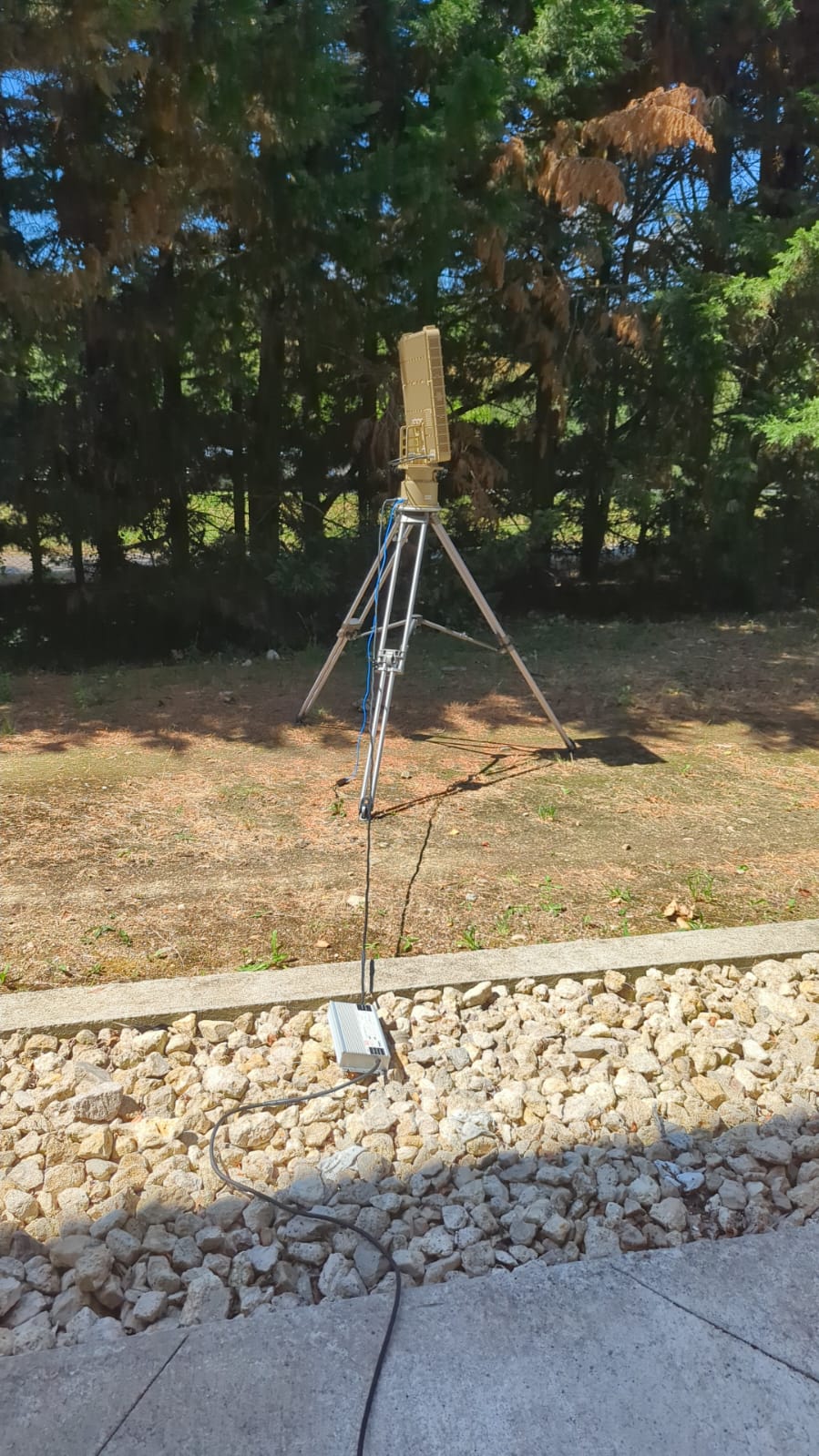
|
||||
|
||||
AERIS-10 is an open-source, low-cost 10.5 GHz phased array radar system featuring Pulse Linear Frequency Modulated (LFM) modulation. Available in two versions (3km and 20km range), it's designed for researchers, drone developers, and serious SDR enthusiasts who want to explore and experiment with phased array radar technology.
|
||||
|
||||
@@ -47,13 +46,13 @@ The AERIS-10 main sub-systems are:
|
||||
|
||||
- **Main Board** containing:
|
||||
- **DAC** - Generates the RADAR Chirps
|
||||
- **2x Microwave Mixers (LT5552)** - For up-conversion and IF-down-conversion
|
||||
- **2x Microwave Mixers (LTC5552)** - For up-conversion and IF-down-conversion
|
||||
- **4x 4-Channel Phase Shifters (ADAR1000)** - For RX and TX chain beamforming
|
||||
- **16x Front End Chips (ADTR1107)** - Used for both Low Noise Amplifying (RX) and Power Amplifying (TX) stages
|
||||
- **XC7A50T FPGA** - Handles RADAR Signal Processing on the upstream FTG256 board:
|
||||
- PLFM Chirps generation via the DAC
|
||||
- Raw ADC data read
|
||||
- Digital Gain Control (host-configurable gain shift)
|
||||
- Hybrid Automatic Gain Control (AGC) — cross-layer FPGA/STM32/GUI loop
|
||||
- I/Q Baseband Down-Conversion
|
||||
- Decimation
|
||||
- Filtering
|
||||
@@ -68,13 +67,13 @@ The AERIS-10 main sub-systems are:
|
||||
- Clock Generator (AD9523-1)
|
||||
- 2x Frequency Synthesizers (ADF4382)
|
||||
- 4x 4-Channel Phase Shifters (ADAR1000) for RADAR pulse sequencing
|
||||
- 2x ADS7830 ADCs (on Power Amplifier Boards) for Idq measurement
|
||||
- 2x DAC5578 (on Power Amplifier Boards) for Vg control
|
||||
- GPS module for GUI map centering
|
||||
- 2x ADS7830 8-channel I²C ADCs (Main Board, U88 @ 0x48 / U89 @ 0x4A) for 16x Idq measurement, one per PA channel, each sensed through a 5 mΩ shunt on the PA board and an INA241A3 current-sense amplifier (x50) on the Main Board
|
||||
- 2x DAC5578 8-channel I²C DACs (Main Board, U7 @ 0x48 / U69 @ 0x49) for 16x Vg control, one per PA channel; closed-loop calibrated at boot to the target Idq
|
||||
- GPS module (UM982) for GUI map centering and per-detection position tagging
|
||||
- GY-85 IMU for pitch/roll correction of target coordinates
|
||||
- BMP180 Barometer
|
||||
- Stepper Motor
|
||||
- 8x ADS7830 Temperature Sensors for cooling fan control
|
||||
- 1x ADS7830 8-channel I²C ADC (Main Board, U10) reading 8 thermistors for thermal monitoring; a single GPIO (EN_DIS_COOLING) switches the cooling fans on when any channel exceeds the threshold
|
||||
- RF switches
|
||||
|
||||
- **16x Power Amplifier Boards** - Used only for AERIS-10E version, featuring 10Watt QPA2962 GaN amplifier for extended range
|
||||
@@ -92,7 +91,7 @@ The AERIS-10 main sub-systems are:
|
||||
### Processing Pipeline
|
||||
|
||||
1. **Waveform Generation** - DAC creates LFM chirps
|
||||
2. **Up/Down Conversion** - LT5552 mixers handle frequency translation
|
||||
2. **Up/Down Conversion** - LTC5552 mixers handle frequency translation
|
||||
3. **Beam Steering** - ADAR1000 phase shifters control 16 elements
|
||||
4. **Signal Processing (FPGA)**:
|
||||
- Raw ADC data capture
|
||||
@@ -111,7 +110,7 @@ The AERIS-10 main sub-systems are:
|
||||
- Map integration
|
||||
- Radar control interface
|
||||
|
||||

|
||||
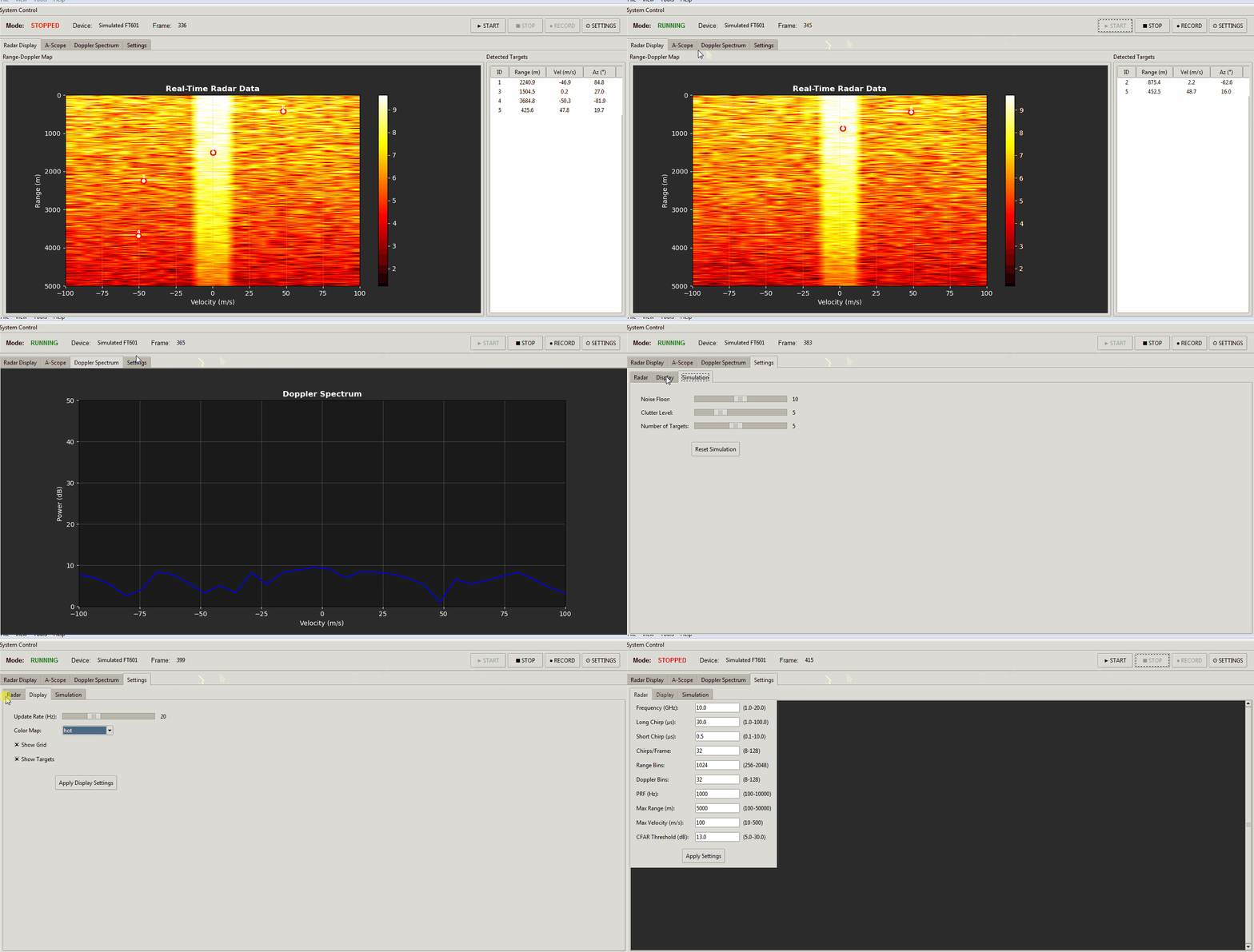
|
||||
<!-- V6 GIF removed — V6 is deprecated. V65 Tk and V7 PyQt6 are the active GUIs. -->
|
||||
|
||||
## 📊 Technical Specifications
|
||||
|
||||
@@ -19,6 +19,11 @@ dev = [
|
||||
# ---------------------------------------------------------------------------
|
||||
# Ruff configuration
|
||||
# ---------------------------------------------------------------------------
|
||||
[tool.pytest.ini_options]
|
||||
markers = [
|
||||
"slow: full-sweep tests (opt-in via -m slow); audit F-3.2 100-seed fuzz",
|
||||
]
|
||||
|
||||
[tool.ruff]
|
||||
target-version = "py312"
|
||||
line-length = 100
|
||||
|
||||
@@ -0,0 +1,216 @@
|
||||
version = 1
|
||||
revision = 1
|
||||
requires-python = ">=3.12"
|
||||
|
||||
[[package]]
|
||||
name = "aeris-10-radar"
|
||||
version = "1.0.0"
|
||||
source = { virtual = "." }
|
||||
|
||||
[package.dev-dependencies]
|
||||
dev = [
|
||||
{ name = "h5py" },
|
||||
{ name = "numpy" },
|
||||
{ name = "pytest" },
|
||||
{ name = "ruff" },
|
||||
]
|
||||
|
||||
[package.metadata]
|
||||
|
||||
[package.metadata.requires-dev]
|
||||
dev = [
|
||||
{ name = "h5py", specifier = ">=3.10" },
|
||||
{ name = "numpy", specifier = ">=1.26" },
|
||||
{ name = "pytest", specifier = ">=8" },
|
||||
{ name = "ruff", specifier = ">=0.5" },
|
||||
]
|
||||
|
||||
[[package]]
|
||||
name = "colorama"
|
||||
version = "0.4.6"
|
||||
source = { registry = "https://pypi.org/simple" }
|
||||
sdist = { url = "https://files.pythonhosted.org/packages/d8/53/6f443c9a4a8358a93a6792e2acffb9d9d5cb0a5cfd8802644b7b1c9a02e4/colorama-0.4.6.tar.gz", hash = "sha256:08695f5cb7ed6e0531a20572697297273c47b8cae5a63ffc6d6ed5c201be6e44", size = 27697 }
|
||||
wheels = [
|
||||
{ url = "https://files.pythonhosted.org/packages/d1/d6/3965ed04c63042e047cb6a3e6ed1a63a35087b6a609aa3a15ed8ac56c221/colorama-0.4.6-py2.py3-none-any.whl", hash = "sha256:4f1d9991f5acc0ca119f9d443620b77f9d6b33703e51011c16baf57afb285fc6", size = 25335 },
|
||||
]
|
||||
|
||||
[[package]]
|
||||
name = "h5py"
|
||||
version = "3.16.0"
|
||||
source = { registry = "https://pypi.org/simple" }
|
||||
dependencies = [
|
||||
{ name = "numpy" },
|
||||
]
|
||||
sdist = { url = "https://files.pythonhosted.org/packages/db/33/acd0ce6863b6c0d7735007df01815403f5589a21ff8c2e1ee2587a38f548/h5py-3.16.0.tar.gz", hash = "sha256:a0dbaad796840ccaa67a4c144a0d0c8080073c34c76d5a6941d6818678ef2738", size = 446526 }
|
||||
wheels = [
|
||||
{ url = "https://files.pythonhosted.org/packages/c8/c0/5d4119dba94093bbafede500d3defd2f5eab7897732998c04b54021e530b/h5py-3.16.0-cp312-cp312-macosx_10_13_x86_64.whl", hash = "sha256:c5313566f4643121a78503a473f0fb1e6dcc541d5115c44f05e037609c565c4d", size = 3685604 },
|
||||
{ url = "https://files.pythonhosted.org/packages/b0/42/c84efcc1d4caebafb1ecd8be4643f39c85c47a80fe254d92b8b43b1eadaf/h5py-3.16.0-cp312-cp312-macosx_11_0_arm64.whl", hash = "sha256:42b012933a83e1a558c673176676a10ce2fd3759976a0fedee1e672d1e04fc9d", size = 3061940 },
|
||||
{ url = "https://files.pythonhosted.org/packages/89/84/06281c82d4d1686fde1ac6b0f307c50918f1c0151062445ab3b6fa5a921d/h5py-3.16.0-cp312-cp312-manylinux_2_28_aarch64.whl", hash = "sha256:ff24039e2573297787c3063df64b60aab0591980ac898329a08b0320e0cf2527", size = 5198852 },
|
||||
{ url = "https://files.pythonhosted.org/packages/9e/e9/1a19e42cd43cc1365e127db6aae85e1c671da1d9a5d746f4d34a50edb577/h5py-3.16.0-cp312-cp312-manylinux_2_28_x86_64.whl", hash = "sha256:dfc21898ff025f1e8e67e194965a95a8d4754f452f83454538f98f8a3fcb207e", size = 5405250 },
|
||||
{ url = "https://files.pythonhosted.org/packages/b7/8e/9790c1655eabeb85b92b1ecab7d7e62a2069e53baefd58c98f0909c7a948/h5py-3.16.0-cp312-cp312-musllinux_1_2_aarch64.whl", hash = "sha256:698dd69291272642ffda44a0ecd6cd3bda5faf9621452d255f57ce91487b9794", size = 5190108 },
|
||||
{ url = "https://files.pythonhosted.org/packages/51/d7/ab693274f1bd7e8c5f9fdd6c7003a88d59bedeaf8752716a55f532924fbb/h5py-3.16.0-cp312-cp312-musllinux_1_2_x86_64.whl", hash = "sha256:2b2c02b0a160faed5fb33f1ba8a264a37ee240b22e049ecc827345d0d9043074", size = 5419216 },
|
||||
{ url = "https://files.pythonhosted.org/packages/03/c1/0976b235cf29ead553e22f2fb6385a8252b533715e00d0ae52ed7b900582/h5py-3.16.0-cp312-cp312-win_amd64.whl", hash = "sha256:96b422019a1c8975c2d5dadcf61d4ba6f01c31f92bbde6e4649607885fe502d6", size = 3182868 },
|
||||
{ url = "https://files.pythonhosted.org/packages/14/d9/866b7e570b39070f92d47b0ff1800f0f8239b6f9e45f02363d7112336c1f/h5py-3.16.0-cp312-cp312-win_arm64.whl", hash = "sha256:39c2838fb1e8d97bcf1755e60ad1f3dd76a7b2a475928dc321672752678b96db", size = 2653286 },
|
||||
{ url = "https://files.pythonhosted.org/packages/0f/9e/6142ebfda0cb6e9349c091eae73c2e01a770b7659255248d637bec54a88b/h5py-3.16.0-cp313-cp313-macosx_10_13_x86_64.whl", hash = "sha256:370a845f432c2c9619db8eed334d1e610c6015796122b0e57aa46312c22617d9", size = 3671808 },
|
||||
{ url = "https://files.pythonhosted.org/packages/b0/65/5e088a45d0f43cd814bc5bec521c051d42005a472e804b1a36c48dada09b/h5py-3.16.0-cp313-cp313-macosx_11_0_arm64.whl", hash = "sha256:42108e93326c50c2810025aade9eac9d6827524cdccc7d4b75a546e5ab308edb", size = 3045837 },
|
||||
{ url = "https://files.pythonhosted.org/packages/da/1e/6172269e18cc5a484e2913ced33339aad588e02ba407fafd00d369e22ef3/h5py-3.16.0-cp313-cp313-manylinux_2_28_aarch64.whl", hash = "sha256:099f2525c9dcf28de366970a5fb34879aab20491589fa89ce2863a84218bb524", size = 5193860 },
|
||||
{ url = "https://files.pythonhosted.org/packages/bd/98/ef2b6fe2903e377cbe870c3b2800d62552f1e3dbe81ce49e1923c53d1c5c/h5py-3.16.0-cp313-cp313-manylinux_2_28_x86_64.whl", hash = "sha256:9300ad32dea9dfc5171f94d5f6948e159ed93e4701280b0f508773b3f582f402", size = 5400417 },
|
||||
{ url = "https://files.pythonhosted.org/packages/bc/81/5b62d760039eed64348c98129d17061fdfc7839fc9c04eaaad6dee1004e4/h5py-3.16.0-cp313-cp313-musllinux_1_2_aarch64.whl", hash = "sha256:171038f23bccddfc23f344cadabdfc9917ff554db6a0d417180d2747fe4c75a7", size = 5185214 },
|
||||
{ url = "https://files.pythonhosted.org/packages/28/c4/532123bcd9080e250696779c927f2cb906c8bf3447df98f5ceb8dcded539/h5py-3.16.0-cp313-cp313-musllinux_1_2_x86_64.whl", hash = "sha256:7e420b539fb6023a259a1b14d4c9f6df8cf50d7268f48e161169987a57b737ff", size = 5414598 },
|
||||
{ url = "https://files.pythonhosted.org/packages/c3/d9/a27997f84341fc0dfcdd1fe4179b6ba6c32a7aa880fdb8c514d4dad6fba3/h5py-3.16.0-cp313-cp313-win_amd64.whl", hash = "sha256:18f2bbcd545e6991412253b98727374c356d67caa920e68dc79eab36bf5fedad", size = 3175509 },
|
||||
{ url = "https://files.pythonhosted.org/packages/a5/23/bb8647521d4fd770c30a76cfc6cb6a2f5495868904054e92f2394c5a78ff/h5py-3.16.0-cp313-cp313-win_arm64.whl", hash = "sha256:656f00e4d903199a1d58df06b711cf3ca632b874b4207b7dbec86185b5c8c7d4", size = 2647362 },
|
||||
{ url = "https://files.pythonhosted.org/packages/48/3c/7fcd9b4c9eed82e91fb15568992561019ae7a829d1f696b2c844355d95dd/h5py-3.16.0-cp314-cp314-macosx_10_15_x86_64.whl", hash = "sha256:9c9d307c0ef862d1cd5714f72ecfafe0a5d7529c44845afa8de9f46e5ba8bd65", size = 3678608 },
|
||||
{ url = "https://files.pythonhosted.org/packages/6a/b7/9366ed44ced9b7ef357ab48c94205280276db9d7f064aa3012a97227e966/h5py-3.16.0-cp314-cp314-macosx_11_0_arm64.whl", hash = "sha256:8c1eff849cdd53cbc73c214c30ebdb6f1bb8b64790b4b4fc36acdb5e43570210", size = 3054773 },
|
||||
{ url = "https://files.pythonhosted.org/packages/58/a5/4964bc0e91e86340c2bbda83420225b2f770dcf1eb8a39464871ad769436/h5py-3.16.0-cp314-cp314-manylinux_2_28_aarch64.whl", hash = "sha256:e2c04d129f180019e216ee5f9c40b78a418634091c8782e1f723a6ca3658b965", size = 5198886 },
|
||||
{ url = "https://files.pythonhosted.org/packages/f1/16/d905e7f53e661ce2c24686c38048d8e2b750ffc4350009d41c4e6c6c9826/h5py-3.16.0-cp314-cp314-manylinux_2_28_x86_64.whl", hash = "sha256:e4360f15875a532bc7b98196c7592ed4fc92672a57c0a621355961cafb17a6dd", size = 5404883 },
|
||||
{ url = "https://files.pythonhosted.org/packages/4b/f2/58f34cb74af46d39f4cd18ea20909a8514960c5a3e5b92fd06a28161e0a8/h5py-3.16.0-cp314-cp314-musllinux_1_2_aarch64.whl", hash = "sha256:3fae9197390c325e62e0a1aa977f2f62d994aa87aab182abbea85479b791197c", size = 5192039 },
|
||||
{ url = "https://files.pythonhosted.org/packages/ce/ca/934a39c24ce2e2db017268c08da0537c20fa0be7e1549be3e977313fc8f5/h5py-3.16.0-cp314-cp314-musllinux_1_2_x86_64.whl", hash = "sha256:43259303989ac8adacc9986695b31e35dba6fd1e297ff9c6a04b7da5542139cc", size = 5421526 },
|
||||
{ url = "https://files.pythonhosted.org/packages/3e/14/615a450205e1b56d16c6783f5ccd116cde05550faad70ae077c955654a75/h5py-3.16.0-cp314-cp314-win_amd64.whl", hash = "sha256:fa48993a0b799737ba7fd21e2350fa0a60701e58180fae9f2de834bc39a147ab", size = 3183263 },
|
||||
{ url = "https://files.pythonhosted.org/packages/7b/48/a6faef5ed632cae0c65ac6b214a6614a0b510c3183532c521bdb0055e117/h5py-3.16.0-cp314-cp314-win_arm64.whl", hash = "sha256:1897a771a7f40d05c262fc8f37376ec37873218544b70216872876c627640f63", size = 2663450 },
|
||||
{ url = "https://files.pythonhosted.org/packages/5d/32/0c8bb8aedb62c772cf7c1d427c7d1951477e8c2835f872bc0a13d1f85f86/h5py-3.16.0-cp314-cp314t-macosx_10_15_x86_64.whl", hash = "sha256:15922e485844f77c0b9d275396d435db3baa58292a9c2176a386e072e0cf2491", size = 3760693 },
|
||||
{ url = "https://files.pythonhosted.org/packages/1d/1f/fcc5977d32d6387c5c9a694afee716a5e20658ac08b3ff24fdec79fb05f2/h5py-3.16.0-cp314-cp314t-macosx_11_0_arm64.whl", hash = "sha256:df02dd29bd247f98674634dfe41f89fd7c16ba3d7de8695ec958f58404a4e618", size = 3181305 },
|
||||
{ url = "https://files.pythonhosted.org/packages/f5/a1/af87f64b9f986889884243643621ebbd4ac72472ba8ec8cec891ac8e2ca1/h5py-3.16.0-cp314-cp314t-manylinux_2_28_aarch64.whl", hash = "sha256:0f456f556e4e2cebeebd9d66adf8dc321770a42593494a0b6f0af54a7567b242", size = 5074061 },
|
||||
{ url = "https://files.pythonhosted.org/packages/cc/d0/146f5eaff3dc246a9c7f6e5e4f42bd45cc613bce16693bcd4d1f7c958bf5/h5py-3.16.0-cp314-cp314t-manylinux_2_28_x86_64.whl", hash = "sha256:3e6cb3387c756de6a9492d601553dffea3fe11b5f22b443aac708c69f3f55e16", size = 5279216 },
|
||||
{ url = "https://files.pythonhosted.org/packages/a1/9d/12a13424f1e604fc7df9497b73c0356fb78c2fb206abd7465ce47226e8fd/h5py-3.16.0-cp314-cp314t-musllinux_1_2_aarch64.whl", hash = "sha256:8389e13a1fd745ad2856873e8187fd10268b2d9677877bb667b41aebd771d8b7", size = 5070068 },
|
||||
{ url = "https://files.pythonhosted.org/packages/41/8c/bbe98f813722b4873818a8db3e15aa3e625b59278566905ac439725e8070/h5py-3.16.0-cp314-cp314t-musllinux_1_2_x86_64.whl", hash = "sha256:346df559a0f7dcb31cf8e44805319e2ab24b8957c45e7708ce503b2ec79ba725", size = 5300253 },
|
||||
{ url = "https://files.pythonhosted.org/packages/32/9e/87e6705b4d6890e7cecdf876e2a7d3e40654a2ae37482d79a6f1b87f7b92/h5py-3.16.0-cp314-cp314t-win_amd64.whl", hash = "sha256:4c6ab014ab704b4feaa719ae783b86522ed0bf1f82184704ed3c9e4e3228796e", size = 3381671 },
|
||||
{ url = "https://files.pythonhosted.org/packages/96/91/9fad90cfc5f9b2489c7c26ad897157bce82f0e9534a986a221b99760b23b/h5py-3.16.0-cp314-cp314t-win_arm64.whl", hash = "sha256:faca8fb4e4319c09d83337adc80b2ca7d5c5a343c2d6f1b6388f32cfecca13c1", size = 2740706 },
|
||||
]
|
||||
|
||||
[[package]]
|
||||
name = "iniconfig"
|
||||
version = "2.3.0"
|
||||
source = { registry = "https://pypi.org/simple" }
|
||||
sdist = { url = "https://files.pythonhosted.org/packages/72/34/14ca021ce8e5dfedc35312d08ba8bf51fdd999c576889fc2c24cb97f4f10/iniconfig-2.3.0.tar.gz", hash = "sha256:c76315c77db068650d49c5b56314774a7804df16fee4402c1f19d6d15d8c4730", size = 20503 }
|
||||
wheels = [
|
||||
{ url = "https://files.pythonhosted.org/packages/cb/b1/3846dd7f199d53cb17f49cba7e651e9ce294d8497c8c150530ed11865bb8/iniconfig-2.3.0-py3-none-any.whl", hash = "sha256:f631c04d2c48c52b84d0d0549c99ff3859c98df65b3101406327ecc7d53fbf12", size = 7484 },
|
||||
]
|
||||
|
||||
[[package]]
|
||||
name = "numpy"
|
||||
version = "2.4.4"
|
||||
source = { registry = "https://pypi.org/simple" }
|
||||
sdist = { url = "https://files.pythonhosted.org/packages/d7/9f/b8cef5bffa569759033adda9481211426f12f53299629b410340795c2514/numpy-2.4.4.tar.gz", hash = "sha256:2d390634c5182175533585cc89f3608a4682ccb173cc9bb940b2881c8d6f8fa0", size = 20731587 }
|
||||
wheels = [
|
||||
{ url = "https://files.pythonhosted.org/packages/28/05/32396bec30fb2263770ee910142f49c1476d08e8ad41abf8403806b520ce/numpy-2.4.4-cp312-cp312-macosx_10_13_x86_64.whl", hash = "sha256:15716cfef24d3a9762e3acdf87e27f58dc823d1348f765bbea6bef8c639bfa1b", size = 16689272 },
|
||||
{ url = "https://files.pythonhosted.org/packages/c5/f3/a983d28637bfcd763a9c7aafdb6d5c0ebf3d487d1e1459ffdb57e2f01117/numpy-2.4.4-cp312-cp312-macosx_11_0_arm64.whl", hash = "sha256:23cbfd4c17357c81021f21540da84ee282b9c8fba38a03b7b9d09ba6b951421e", size = 14699573 },
|
||||
{ url = "https://files.pythonhosted.org/packages/9b/fd/e5ecca1e78c05106d98028114f5c00d3eddb41207686b2b7de3e477b0e22/numpy-2.4.4-cp312-cp312-macosx_14_0_arm64.whl", hash = "sha256:8b3b60bb7cba2c8c81837661c488637eee696f59a877788a396d33150c35d842", size = 5204782 },
|
||||
{ url = "https://files.pythonhosted.org/packages/de/2f/702a4594413c1a8632092beae8aba00f1d67947389369b3777aed783fdca/numpy-2.4.4-cp312-cp312-macosx_14_0_x86_64.whl", hash = "sha256:e4a010c27ff6f210ff4c6ef34394cd61470d01014439b192ec22552ee867f2a8", size = 6552038 },
|
||||
{ url = "https://files.pythonhosted.org/packages/7f/37/eed308a8f56cba4d1fdf467a4fc67ef4ff4bf1c888f5fc980481890104b1/numpy-2.4.4-cp312-cp312-manylinux_2_27_aarch64.manylinux_2_28_aarch64.whl", hash = "sha256:f9e75681b59ddaa5e659898085ae0eaea229d054f2ac0c7e563a62205a700121", size = 15670666 },
|
||||
{ url = "https://files.pythonhosted.org/packages/0a/0d/0e3ecece05b7a7e87ab9fb587855548da437a061326fff64a223b6dcb78a/numpy-2.4.4-cp312-cp312-manylinux_2_27_x86_64.manylinux_2_28_x86_64.whl", hash = "sha256:81f4a14bee47aec54f883e0cad2d73986640c1590eb9bfaaba7ad17394481e6e", size = 16645480 },
|
||||
{ url = "https://files.pythonhosted.org/packages/34/49/f2312c154b82a286758ee2f1743336d50651f8b5195db18cdb63675ff649/numpy-2.4.4-cp312-cp312-musllinux_1_2_aarch64.whl", hash = "sha256:62d6b0f03b694173f9fcb1fb317f7222fd0b0b103e784c6549f5e53a27718c44", size = 17020036 },
|
||||
{ url = "https://files.pythonhosted.org/packages/7b/e9/736d17bd77f1b0ec4f9901aaec129c00d59f5d84d5e79bba540ef12c2330/numpy-2.4.4-cp312-cp312-musllinux_1_2_x86_64.whl", hash = "sha256:fbc356aae7adf9e6336d336b9c8111d390a05df88f1805573ebb0807bd06fd1d", size = 18368643 },
|
||||
{ url = "https://files.pythonhosted.org/packages/63/f6/d417977c5f519b17c8a5c3bc9e8304b0908b0e21136fe43bf628a1343914/numpy-2.4.4-cp312-cp312-win32.whl", hash = "sha256:0d35aea54ad1d420c812bfa0385c71cd7cc5bcf7c65fed95fc2cd02fe8c79827", size = 5961117 },
|
||||
{ url = "https://files.pythonhosted.org/packages/2d/5b/e1deebf88ff431b01b7406ca3583ab2bbb90972bbe1c568732e49c844f7e/numpy-2.4.4-cp312-cp312-win_amd64.whl", hash = "sha256:b5f0362dc928a6ecd9db58868fca5e48485205e3855957bdedea308f8672ea4a", size = 12320584 },
|
||||
{ url = "https://files.pythonhosted.org/packages/58/89/e4e856ac82a68c3ed64486a544977d0e7bdd18b8da75b78a577ca31c4395/numpy-2.4.4-cp312-cp312-win_arm64.whl", hash = "sha256:846300f379b5b12cc769334464656bc882e0735d27d9726568bc932fdc49d5ec", size = 10221450 },
|
||||
{ url = "https://files.pythonhosted.org/packages/14/1d/d0a583ce4fefcc3308806a749a536c201ed6b5ad6e1322e227ee4848979d/numpy-2.4.4-cp313-cp313-macosx_10_13_x86_64.whl", hash = "sha256:08f2e31ed5e6f04b118e49821397f12767934cfdd12a1ce86a058f91e004ee50", size = 16684933 },
|
||||
{ url = "https://files.pythonhosted.org/packages/c1/62/2b7a48fbb745d344742c0277f01286dead15f3f68e4f359fbfcf7b48f70f/numpy-2.4.4-cp313-cp313-macosx_11_0_arm64.whl", hash = "sha256:e823b8b6edc81e747526f70f71a9c0a07ac4e7ad13020aa736bb7c9d67196115", size = 14694532 },
|
||||
{ url = "https://files.pythonhosted.org/packages/e5/87/499737bfba066b4a3bebff24a8f1c5b2dee410b209bc6668c9be692580f0/numpy-2.4.4-cp313-cp313-macosx_14_0_arm64.whl", hash = "sha256:4a19d9dba1a76618dd86b164d608566f393f8ec6ac7c44f0cc879011c45e65af", size = 5199661 },
|
||||
{ url = "https://files.pythonhosted.org/packages/cd/da/464d551604320d1491bc345efed99b4b7034143a85787aab78d5691d5a0e/numpy-2.4.4-cp313-cp313-macosx_14_0_x86_64.whl", hash = "sha256:d2a8490669bfe99a233298348acc2d824d496dee0e66e31b66a6022c2ad74a5c", size = 6547539 },
|
||||
{ url = "https://files.pythonhosted.org/packages/7d/90/8d23e3b0dafd024bf31bdec225b3bb5c2dbfa6912f8a53b8659f21216cbf/numpy-2.4.4-cp313-cp313-manylinux_2_27_aarch64.manylinux_2_28_aarch64.whl", hash = "sha256:45dbed2ab436a9e826e302fcdcbe9133f9b0006e5af7168afb8963a6520da103", size = 15668806 },
|
||||
{ url = "https://files.pythonhosted.org/packages/d1/73/a9d864e42a01896bb5974475438f16086be9ba1f0d19d0bb7a07427c4a8b/numpy-2.4.4-cp313-cp313-manylinux_2_27_x86_64.manylinux_2_28_x86_64.whl", hash = "sha256:c901b15172510173f5cb310eae652908340f8dede90fff9e3bf6c0d8dfd92f83", size = 16632682 },
|
||||
{ url = "https://files.pythonhosted.org/packages/34/fb/14570d65c3bde4e202a031210475ae9cde9b7686a2e7dc97ee67d2833b35/numpy-2.4.4-cp313-cp313-musllinux_1_2_aarch64.whl", hash = "sha256:99d838547ace2c4aace6c4f76e879ddfe02bb58a80c1549928477862b7a6d6ed", size = 17019810 },
|
||||
{ url = "https://files.pythonhosted.org/packages/8a/77/2ba9d87081fd41f6d640c83f26fb7351e536b7ce6dd9061b6af5904e8e46/numpy-2.4.4-cp313-cp313-musllinux_1_2_x86_64.whl", hash = "sha256:0aec54fd785890ecca25a6003fd9a5aed47ad607bbac5cd64f836ad8666f4959", size = 18357394 },
|
||||
{ url = "https://files.pythonhosted.org/packages/a2/23/52666c9a41708b0853fa3b1a12c90da38c507a3074883823126d4e9d5b30/numpy-2.4.4-cp313-cp313-win32.whl", hash = "sha256:07077278157d02f65c43b1b26a3886bce886f95d20aabd11f87932750dfb14ed", size = 5959556 },
|
||||
{ url = "https://files.pythonhosted.org/packages/57/fb/48649b4971cde70d817cf97a2a2fdc0b4d8308569f1dd2f2611959d2e0cf/numpy-2.4.4-cp313-cp313-win_amd64.whl", hash = "sha256:5c70f1cc1c4efbe316a572e2d8b9b9cc44e89b95f79ca3331553fbb63716e2bf", size = 12317311 },
|
||||
{ url = "https://files.pythonhosted.org/packages/ba/d8/11490cddd564eb4de97b4579ef6bfe6a736cc07e94c1598590ae25415e01/numpy-2.4.4-cp313-cp313-win_arm64.whl", hash = "sha256:ef4059d6e5152fa1a39f888e344c73fdc926e1b2dd58c771d67b0acfbf2aa67d", size = 10222060 },
|
||||
{ url = "https://files.pythonhosted.org/packages/99/5d/dab4339177a905aad3e2221c915b35202f1ec30d750dd2e5e9d9a72b804b/numpy-2.4.4-cp313-cp313t-macosx_11_0_arm64.whl", hash = "sha256:4bbc7f303d125971f60ec0aaad5e12c62d0d2c925f0ab1273debd0e4ba37aba5", size = 14822302 },
|
||||
{ url = "https://files.pythonhosted.org/packages/eb/e4/0564a65e7d3d97562ed6f9b0fd0fb0a6f559ee444092f105938b50043876/numpy-2.4.4-cp313-cp313t-macosx_14_0_arm64.whl", hash = "sha256:4d6d57903571f86180eb98f8f0c839fa9ebbfb031356d87f1361be91e433f5b7", size = 5327407 },
|
||||
{ url = "https://files.pythonhosted.org/packages/29/8d/35a3a6ce5ad371afa58b4700f1c820f8f279948cca32524e0a695b0ded83/numpy-2.4.4-cp313-cp313t-macosx_14_0_x86_64.whl", hash = "sha256:4636de7fd195197b7535f231b5de9e4b36d2c440b6e566d2e4e4746e6af0ca93", size = 6647631 },
|
||||
{ url = "https://files.pythonhosted.org/packages/f4/da/477731acbd5a58a946c736edfdabb2ac5b34c3d08d1ba1a7b437fa0884df/numpy-2.4.4-cp313-cp313t-manylinux_2_27_aarch64.manylinux_2_28_aarch64.whl", hash = "sha256:ad2e2ef14e0b04e544ea2fa0a36463f847f113d314aa02e5b402fdf910ef309e", size = 15727691 },
|
||||
{ url = "https://files.pythonhosted.org/packages/e6/db/338535d9b152beabeb511579598418ba0212ce77cf9718edd70262cc4370/numpy-2.4.4-cp313-cp313t-manylinux_2_27_x86_64.manylinux_2_28_x86_64.whl", hash = "sha256:5a285b3b96f951841799528cd1f4f01cd70e7e0204b4abebac9463eecfcf2a40", size = 16681241 },
|
||||
{ url = "https://files.pythonhosted.org/packages/e2/a9/ad248e8f58beb7a0219b413c9c7d8151c5d285f7f946c3e26695bdbbe2df/numpy-2.4.4-cp313-cp313t-musllinux_1_2_aarch64.whl", hash = "sha256:f8474c4241bc18b750be2abea9d7a9ec84f46ef861dbacf86a4f6e043401f79e", size = 17085767 },
|
||||
{ url = "https://files.pythonhosted.org/packages/b5/1a/3b88ccd3694681356f70da841630e4725a7264d6a885c8d442a697e1146b/numpy-2.4.4-cp313-cp313t-musllinux_1_2_x86_64.whl", hash = "sha256:4e874c976154687c1f71715b034739b45c7711bec81db01914770373d125e392", size = 18403169 },
|
||||
{ url = "https://files.pythonhosted.org/packages/c2/c9/fcfd5d0639222c6eac7f304829b04892ef51c96a75d479214d77e3ce6e33/numpy-2.4.4-cp313-cp313t-win32.whl", hash = "sha256:9c585a1790d5436a5374bac930dad6ed244c046ed91b2b2a3634eb2971d21008", size = 6083477 },
|
||||
{ url = "https://files.pythonhosted.org/packages/d5/e3/3938a61d1c538aaec8ed6fd6323f57b0c2d2d2219512434c5c878db76553/numpy-2.4.4-cp313-cp313t-win_amd64.whl", hash = "sha256:93e15038125dc1e5345d9b5b68aa7f996ec33b98118d18c6ca0d0b7d6198b7e8", size = 12457487 },
|
||||
{ url = "https://files.pythonhosted.org/packages/97/6a/7e345032cc60501721ef94e0e30b60f6b0bd601f9174ebd36389a2b86d40/numpy-2.4.4-cp313-cp313t-win_arm64.whl", hash = "sha256:0dfd3f9d3adbe2920b68b5cd3d51444e13a10792ec7154cd0a2f6e74d4ab3233", size = 10292002 },
|
||||
{ url = "https://files.pythonhosted.org/packages/6e/06/c54062f85f673dd5c04cbe2f14c3acb8c8b95e3384869bb8cc9bff8cb9df/numpy-2.4.4-cp314-cp314-macosx_10_15_x86_64.whl", hash = "sha256:f169b9a863d34f5d11b8698ead99febeaa17a13ca044961aa8e2662a6c7766a0", size = 16684353 },
|
||||
{ url = "https://files.pythonhosted.org/packages/4c/39/8a320264a84404c74cc7e79715de85d6130fa07a0898f67fb5cd5bd79908/numpy-2.4.4-cp314-cp314-macosx_11_0_arm64.whl", hash = "sha256:2483e4584a1cb3092da4470b38866634bafb223cbcd551ee047633fd2584599a", size = 14704914 },
|
||||
{ url = "https://files.pythonhosted.org/packages/91/fb/287076b2614e1d1044235f50f03748f31fa287e3dbe6abeb35cdfa351eca/numpy-2.4.4-cp314-cp314-macosx_14_0_arm64.whl", hash = "sha256:2d19e6e2095506d1736b7d80595e0f252d76b89f5e715c35e06e937679ea7d7a", size = 5210005 },
|
||||
{ url = "https://files.pythonhosted.org/packages/63/eb/fcc338595309910de6ecabfcef2419a9ce24399680bfb149421fa2df1280/numpy-2.4.4-cp314-cp314-macosx_14_0_x86_64.whl", hash = "sha256:6a246d5914aa1c820c9443ddcee9c02bec3e203b0c080349533fae17727dfd1b", size = 6544974 },
|
||||
{ url = "https://files.pythonhosted.org/packages/44/5d/e7e9044032a716cdfaa3fba27a8e874bf1c5f1912a1ddd4ed071bf8a14a6/numpy-2.4.4-cp314-cp314-manylinux_2_27_aarch64.manylinux_2_28_aarch64.whl", hash = "sha256:989824e9faf85f96ec9c7761cd8d29c531ad857bfa1daa930cba85baaecf1a9a", size = 15684591 },
|
||||
{ url = "https://files.pythonhosted.org/packages/98/7c/21252050676612625449b4807d6b695b9ce8a7c9e1c197ee6216c8a65c7c/numpy-2.4.4-cp314-cp314-manylinux_2_27_x86_64.manylinux_2_28_x86_64.whl", hash = "sha256:27a8d92cd10f1382a67d7cf4db7ce18341b66438bdd9f691d7b0e48d104c2a9d", size = 16637700 },
|
||||
{ url = "https://files.pythonhosted.org/packages/b1/29/56d2bbef9465db24ef25393383d761a1af4f446a1df9b8cded4fe3a5a5d7/numpy-2.4.4-cp314-cp314-musllinux_1_2_aarch64.whl", hash = "sha256:e44319a2953c738205bf3354537979eaa3998ed673395b964c1176083dd46252", size = 17035781 },
|
||||
{ url = "https://files.pythonhosted.org/packages/e3/2b/a35a6d7589d21f44cea7d0a98de5ddcbb3d421b2622a5c96b1edf18707c3/numpy-2.4.4-cp314-cp314-musllinux_1_2_x86_64.whl", hash = "sha256:e892aff75639bbef0d2a2cfd55535510df26ff92f63c92cd84ef8d4ba5a5557f", size = 18362959 },
|
||||
{ url = "https://files.pythonhosted.org/packages/64/c9/d52ec581f2390e0f5f85cbfd80fb83d965fc15e9f0e1aec2195faa142cde/numpy-2.4.4-cp314-cp314-win32.whl", hash = "sha256:1378871da56ca8943c2ba674530924bb8ca40cd228358a3b5f302ad60cf875fc", size = 6008768 },
|
||||
{ url = "https://files.pythonhosted.org/packages/fa/22/4cc31a62a6c7b74a8730e31a4274c5dc80e005751e277a2ce38e675e4923/numpy-2.4.4-cp314-cp314-win_amd64.whl", hash = "sha256:715d1c092715954784bc79e1174fc2a90093dc4dc84ea15eb14dad8abdcdeb74", size = 12449181 },
|
||||
{ url = "https://files.pythonhosted.org/packages/70/2e/14cda6f4d8e396c612d1bf97f22958e92148801d7e4f110cabebdc0eef4b/numpy-2.4.4-cp314-cp314-win_arm64.whl", hash = "sha256:2c194dd721e54ecad9ad387c1d35e63dce5c4450c6dc7dd5611283dda239aabb", size = 10496035 },
|
||||
{ url = "https://files.pythonhosted.org/packages/b1/e8/8fed8c8d848d7ecea092dc3469643f9d10bc3a134a815a3b033da1d2039b/numpy-2.4.4-cp314-cp314t-macosx_11_0_arm64.whl", hash = "sha256:2aa0613a5177c264ff5921051a5719d20095ea586ca88cc802c5c218d1c67d3e", size = 14824958 },
|
||||
{ url = "https://files.pythonhosted.org/packages/05/1a/d8007a5138c179c2bf33ef44503e83d70434d2642877ee8fbb230e7c0548/numpy-2.4.4-cp314-cp314t-macosx_14_0_arm64.whl", hash = "sha256:42c16925aa5a02362f986765f9ebabf20de75cdefdca827d14315c568dcab113", size = 5330020 },
|
||||
{ url = "https://files.pythonhosted.org/packages/99/64/ffb99ac6ae93faf117bcbd5c7ba48a7f45364a33e8e458545d3633615dda/numpy-2.4.4-cp314-cp314t-macosx_14_0_x86_64.whl", hash = "sha256:874f200b2a981c647340f841730fc3a2b54c9d940566a3c4149099591e2c4c3d", size = 6650758 },
|
||||
{ url = "https://files.pythonhosted.org/packages/6e/6e/795cc078b78a384052e73b2f6281ff7a700e9bf53bcce2ee579d4f6dd879/numpy-2.4.4-cp314-cp314t-manylinux_2_27_aarch64.manylinux_2_28_aarch64.whl", hash = "sha256:c9b39d38a9bd2ae1becd7eac1303d031c5c110ad31f2b319c6e7d98b135c934d", size = 15729948 },
|
||||
{ url = "https://files.pythonhosted.org/packages/5f/86/2acbda8cc2af5f3d7bfc791192863b9e3e19674da7b5e533fded124d1299/numpy-2.4.4-cp314-cp314t-manylinux_2_27_x86_64.manylinux_2_28_x86_64.whl", hash = "sha256:b268594bccac7d7cf5844c7732e3f20c50921d94e36d7ec9b79e9857694b1b2f", size = 16679325 },
|
||||
{ url = "https://files.pythonhosted.org/packages/bc/59/cafd83018f4aa55e0ac6fa92aa066c0a1877b77a615ceff1711c260ffae8/numpy-2.4.4-cp314-cp314t-musllinux_1_2_aarch64.whl", hash = "sha256:ac6b31e35612a26483e20750126d30d0941f949426974cace8e6b5c58a3657b0", size = 17084883 },
|
||||
{ url = "https://files.pythonhosted.org/packages/f0/85/a42548db84e65ece46ab2caea3d3f78b416a47af387fcbb47ec28e660dc2/numpy-2.4.4-cp314-cp314t-musllinux_1_2_x86_64.whl", hash = "sha256:8e3ed142f2728df44263aaf5fb1f5b0b99f4070c553a0d7f033be65338329150", size = 18403474 },
|
||||
{ url = "https://files.pythonhosted.org/packages/ed/ad/483d9e262f4b831000062e5d8a45e342166ec8aaa1195264982bca267e62/numpy-2.4.4-cp314-cp314t-win32.whl", hash = "sha256:dddbbd259598d7240b18c9d87c56a9d2fb3b02fe266f49a7c101532e78c1d871", size = 6155500 },
|
||||
{ url = "https://files.pythonhosted.org/packages/c7/03/2fc4e14c7bd4ff2964b74ba90ecb8552540b6315f201df70f137faa5c589/numpy-2.4.4-cp314-cp314t-win_amd64.whl", hash = "sha256:a7164afb23be6e37ad90b2f10426149fd75aee07ca55653d2aa41e66c4ef697e", size = 12637755 },
|
||||
{ url = "https://files.pythonhosted.org/packages/58/78/548fb8e07b1a341746bfbecb32f2c268470f45fa028aacdbd10d9bc73aab/numpy-2.4.4-cp314-cp314t-win_arm64.whl", hash = "sha256:ba203255017337d39f89bdd58417f03c4426f12beed0440cfd933cb15f8669c7", size = 10566643 },
|
||||
]
|
||||
|
||||
[[package]]
|
||||
name = "packaging"
|
||||
version = "26.1"
|
||||
source = { registry = "https://pypi.org/simple" }
|
||||
sdist = { url = "https://files.pythonhosted.org/packages/df/de/0d2b39fb4af88a0258f3bac87dfcbb48e73fbdea4a2ed0e2213f9a4c2f9a/packaging-26.1.tar.gz", hash = "sha256:f042152b681c4bfac5cae2742a55e103d27ab2ec0f3d88037136b6bfe7c9c5de", size = 215519 }
|
||||
wheels = [
|
||||
{ url = "https://files.pythonhosted.org/packages/7a/c2/920ef838e2f0028c8262f16101ec09ebd5969864e5a64c4c05fad0617c56/packaging-26.1-py3-none-any.whl", hash = "sha256:5d9c0669c6285e491e0ced2eee587eaf67b670d94a19e94e3984a481aba6802f", size = 95831 },
|
||||
]
|
||||
|
||||
[[package]]
|
||||
name = "pluggy"
|
||||
version = "1.6.0"
|
||||
source = { registry = "https://pypi.org/simple" }
|
||||
sdist = { url = "https://files.pythonhosted.org/packages/f9/e2/3e91f31a7d2b083fe6ef3fa267035b518369d9511ffab804f839851d2779/pluggy-1.6.0.tar.gz", hash = "sha256:7dcc130b76258d33b90f61b658791dede3486c3e6bfb003ee5c9bfb396dd22f3", size = 69412 }
|
||||
wheels = [
|
||||
{ url = "https://files.pythonhosted.org/packages/54/20/4d324d65cc6d9205fabedc306948156824eb9f0ee1633355a8f7ec5c66bf/pluggy-1.6.0-py3-none-any.whl", hash = "sha256:e920276dd6813095e9377c0bc5566d94c932c33b27a3e3945d8389c374dd4746", size = 20538 },
|
||||
]
|
||||
|
||||
[[package]]
|
||||
name = "pygments"
|
||||
version = "2.20.0"
|
||||
source = { registry = "https://pypi.org/simple" }
|
||||
sdist = { url = "https://files.pythonhosted.org/packages/c3/b2/bc9c9196916376152d655522fdcebac55e66de6603a76a02bca1b6414f6c/pygments-2.20.0.tar.gz", hash = "sha256:6757cd03768053ff99f3039c1a36d6c0aa0b263438fcab17520b30a303a82b5f", size = 4955991 }
|
||||
wheels = [
|
||||
{ url = "https://files.pythonhosted.org/packages/f4/7e/a72dd26f3b0f4f2bf1dd8923c85f7ceb43172af56d63c7383eb62b332364/pygments-2.20.0-py3-none-any.whl", hash = "sha256:81a9e26dd42fd28a23a2d169d86d7ac03b46e2f8b59ed4698fb4785f946d0176", size = 1231151 },
|
||||
]
|
||||
|
||||
[[package]]
|
||||
name = "pytest"
|
||||
version = "9.0.3"
|
||||
source = { registry = "https://pypi.org/simple" }
|
||||
dependencies = [
|
||||
{ name = "colorama", marker = "sys_platform == 'win32'" },
|
||||
{ name = "iniconfig" },
|
||||
{ name = "packaging" },
|
||||
{ name = "pluggy" },
|
||||
{ name = "pygments" },
|
||||
]
|
||||
sdist = { url = "https://files.pythonhosted.org/packages/7d/0d/549bd94f1a0a402dc8cf64563a117c0f3765662e2e668477624baeec44d5/pytest-9.0.3.tar.gz", hash = "sha256:b86ada508af81d19edeb213c681b1d48246c1a91d304c6c81a427674c17eb91c", size = 1572165 }
|
||||
wheels = [
|
||||
{ url = "https://files.pythonhosted.org/packages/d4/24/a372aaf5c9b7208e7112038812994107bc65a84cd00e0354a88c2c77a617/pytest-9.0.3-py3-none-any.whl", hash = "sha256:2c5efc453d45394fdd706ade797c0a81091eccd1d6e4bccfcd476e2b8e0ab5d9", size = 375249 },
|
||||
]
|
||||
|
||||
[[package]]
|
||||
name = "ruff"
|
||||
version = "0.15.11"
|
||||
source = { registry = "https://pypi.org/simple" }
|
||||
sdist = { url = "https://files.pythonhosted.org/packages/e4/8d/192f3d7103816158dfd5ea50d098ef2aec19194e6cbccd4b3485bdb2eb2d/ruff-0.15.11.tar.gz", hash = "sha256:f092b21708bf0e7437ce9ada249dfe688ff9a0954fc94abab05dcea7dcd29c33", size = 4637264 }
|
||||
wheels = [
|
||||
{ url = "https://files.pythonhosted.org/packages/02/1e/6aca3427f751295ab011828e15e9bf452200ac74484f1db4be0197b8170b/ruff-0.15.11-py3-none-linux_armv6l.whl", hash = "sha256:e927cfff503135c558eb581a0c9792264aae9507904eb27809cdcff2f2c847b7", size = 10607943 },
|
||||
{ url = "https://files.pythonhosted.org/packages/e7/26/1341c262e74f36d4e84f3d6f4df0ac68cd53331a66bfc5080daa17c84c0b/ruff-0.15.11-py3-none-macosx_10_12_x86_64.whl", hash = "sha256:7a1b5b2938d8f890b76084d4fa843604d787a912541eae85fd7e233398bbb73e", size = 10988592 },
|
||||
{ url = "https://files.pythonhosted.org/packages/03/71/850b1d6ffa9564fbb6740429bad53df1094082fe515c8c1e74b6d8d05f18/ruff-0.15.11-py3-none-macosx_11_0_arm64.whl", hash = "sha256:d4176f3d194afbdaee6e41b9ccb1a2c287dba8700047df474abfbe773825d1cb", size = 10338501 },
|
||||
{ url = "https://files.pythonhosted.org/packages/f2/11/cc1284d3e298c45a817a6aadb6c3e1d70b45c9b36d8d9cce3387b495a03a/ruff-0.15.11-py3-none-manylinux_2_17_aarch64.manylinux2014_aarch64.whl", hash = "sha256:3b17c886fb88203ced3afe7f14e8d5ae96e9d2f4ccc0ee66aa19f2c2675a27e4", size = 10670693 },
|
||||
{ url = "https://files.pythonhosted.org/packages/ce/9e/f8288b034ab72b371513c13f9a41d9ba3effac54e24bfb467b007daee2ca/ruff-0.15.11-py3-none-manylinux_2_17_armv7l.manylinux2014_armv7l.whl", hash = "sha256:49fafa220220afe7758a487b048de4c8f9f767f37dfefad46b9dd06759d003eb", size = 10416177 },
|
||||
{ url = "https://files.pythonhosted.org/packages/85/71/504d79abfd3d92532ba6bbe3d1c19fada03e494332a59e37c7c2dabae427/ruff-0.15.11-py3-none-manylinux_2_17_i686.manylinux2014_i686.whl", hash = "sha256:f2ab8427e74a00d93b8bda1307b1e60970d40f304af38bccb218e056c220120d", size = 11221886 },
|
||||
{ url = "https://files.pythonhosted.org/packages/43/5a/947e6ab7a5ad603d65b474be15a4cbc6d29832db5d762cd142e4e3a74164/ruff-0.15.11-py3-none-manylinux_2_17_ppc64le.manylinux2014_ppc64le.whl", hash = "sha256:195072c0c8e1fc8f940652073df082e37a5d9cb43b4ab1e4d0566ab8977a13b7", size = 12075183 },
|
||||
{ url = "https://files.pythonhosted.org/packages/9f/a1/0b7bb6268775fdd3a0818aee8efd8f5b4e231d24dd4d528ced2534023182/ruff-0.15.11-py3-none-manylinux_2_17_s390x.manylinux2014_s390x.whl", hash = "sha256:a3a0996d486af3920dec930a2e7daed4847dfc12649b537a9335585ada163e9e", size = 11516575 },
|
||||
{ url = "https://files.pythonhosted.org/packages/30/c3/bb5168fc4d233cc06e95f482770d0f3c87945a0cd9f614b90ea8dc2f2833/ruff-0.15.11-py3-none-manylinux_2_17_x86_64.manylinux2014_x86_64.whl", hash = "sha256:1bef2cb556d509259f1fe440bb9cd33c756222cf0a7afe90d15edf0866702431", size = 11306537 },
|
||||
{ url = "https://files.pythonhosted.org/packages/e4/92/4cfae6441f3967317946f3b788136eecf093729b94d6561f963ed810c82e/ruff-0.15.11-py3-none-manylinux_2_31_riscv64.whl", hash = "sha256:030d921a836d7d4a12cf6e8d984a88b66094ccb0e0f17ddd55067c331191bf19", size = 11296813 },
|
||||
{ url = "https://files.pythonhosted.org/packages/43/26/972784c5dde8313acde8ac71ba8ac65475b85db4a2352a76c9934361f9bc/ruff-0.15.11-py3-none-musllinux_1_2_aarch64.whl", hash = "sha256:0e783b599b4577788dbbb66b9addcef87e9a8832f4ce0c19e34bf55543a2f890", size = 10633136 },
|
||||
{ url = "https://files.pythonhosted.org/packages/5b/53/3985a4f185020c2f367f2e08a103032e12564829742a1b417980ce1514a0/ruff-0.15.11-py3-none-musllinux_1_2_armv7l.whl", hash = "sha256:ae90592246625ba4a34349d68ec28d4400d75182b71baa196ddb9f82db025ef5", size = 10424701 },
|
||||
{ url = "https://files.pythonhosted.org/packages/d3/57/bf0dfb32241b56c83bb663a826133da4bf17f682ba8c096973065f6e6a68/ruff-0.15.11-py3-none-musllinux_1_2_i686.whl", hash = "sha256:1f111d62e3c983ed20e0ca2e800f8d77433a5b1161947df99a5c2a3fb60514f0", size = 10873887 },
|
||||
{ url = "https://files.pythonhosted.org/packages/02/05/e48076b2a57dc33ee8c7a957296f97c744ca891a8ffb4ffb1aaa3b3f517d/ruff-0.15.11-py3-none-musllinux_1_2_x86_64.whl", hash = "sha256:06f483d6646f59eaffba9ae30956370d3a886625f511a3108994000480621d1c", size = 11404316 },
|
||||
{ url = "https://files.pythonhosted.org/packages/88/27/0195d15fe7a897cbcba0904792c4b7c9fdd958456c3a17d2ea6093716a9a/ruff-0.15.11-py3-none-win32.whl", hash = "sha256:476a2aa56b7da0b73a3ee80b6b2f0e19cce544245479adde7baa65466664d5f3", size = 10655535 },
|
||||
{ url = "https://files.pythonhosted.org/packages/3a/5e/c927b325bd4c1d3620211a4b96f47864633199feed60fa936025ab27e090/ruff-0.15.11-py3-none-win_amd64.whl", hash = "sha256:8b6756d88d7e234fb0c98c91511aae3cd519d5e3ed271cae31b20f39cb2a12a3", size = 11779692 },
|
||||
{ url = "https://files.pythonhosted.org/packages/63/b6/aeadee5443e49baa2facd51131159fd6301cc4ccfc1541e4df7b021c37dd/ruff-0.15.11-py3-none-win_arm64.whl", hash = "sha256:063fed18cc1bbe0ee7393957284a6fe8b588c6a406a285af3ee3f46da2391ee4", size = 11032614 },
|
||||
]
|
||||
Reference in New Issue
Block a user