Compare commits
29 Commits
| Author | SHA1 | Date | |
|---|---|---|---|
 Jason Jason
|
27b55f37dc | ||
|
Jason
|
582476fa0d | ||
|
Jason
|
7c91a3e0b9 | ||
|
Jason
|
fd6cff5b2b | ||
|
Jason
|
964f1903f3 | ||
|
Jason
|
12b549dafb | ||
|
Jason
|
5d5e9ff297 | ||
 NawfalMotii79 NawfalMotii79
|
754d919e44 | ||
|
NawfalMotii79
|
0443516cc9 | ||
|
NawfalMotii79
|
5fbe0513b5 | ||
|
Jason
|
c3db8a9122 | ||
|
Jason
|
ec8256e25a | ||
 Serhii Serhii
|
8e1b3f22d2 | ||
|
Serhii
|
15ae940be5 | ||
|
Jason
|
658752abb7 | ||
|
Jason
|
fa5e1dcdf4 | ||
|
Jason
|
ade1497457 | ||
|
Jason
|
f1d3bff4fe | ||
|
Jason
|
791b2e7374 | ||
 copilot-swe-agent[bot] copilot-swe-agent[bot]
|
df875bdf4d | ||
|
Jason
|
15a9cde274 | ||
|
Jason
|
ae7643975d | ||
 JunghwanNA JunghwanNA
|
029df375f5 | ||
|
JunghwanNA
|
a9ceb3c851 | ||
|
JunghwanNA
|
425c349184 | ||
|
Jason
|
b9c36dcca5 | ||
|
Jason
|
db4e73577e | ||
|
Jason
|
8187771ab0 | ||
|
Jason
|
b0e5b298fe |
Binary file not shown.
@@ -550,7 +550,7 @@
|
||||
<text x="3.085225" y="81.68279375" size="1.778" layer="51">GND</text>
|
||||
<text x="2.3" y="53.85" size="1.778" layer="51">GND</text>
|
||||
<text x="3.336225" y="42.247028125" size="1.778" layer="51">GND</text>
|
||||
<text x="2.25" y="11.75" size="1.778" layer="51">GND</text>
|
||||
<text x="2.99881875" y="12.58869375" size="1.778" layer="51">GND</text>
|
||||
<text x="21.75" y="12.15" size="1.778" layer="51" rot="R90">GND</text>
|
||||
<text x="37.45" y="10.05" size="1.778" layer="51" rot="R90">GND</text>
|
||||
<text x="60.5" y="9.4" size="1.778" layer="51" rot="R90">GND</text>
|
||||
@@ -589,11 +589,11 @@
|
||||
<text x="248.95" y="49.2" size="1.778" layer="51" rot="R180">GND</text>
|
||||
<text x="248.85" y="66.55" size="1.778" layer="51" rot="R180">GND</text>
|
||||
<text x="248.8" y="82.9" size="1.778" layer="51" rot="R180">GND</text>
|
||||
<text x="256.35" y="101.95" size="1.778" layer="51" rot="R180">GND</text>
|
||||
<text x="249.4" y="112.5" size="1.778" layer="51" rot="R180">GND</text>
|
||||
<text x="253.964015625" y="102.099125" size="1.778" layer="51" rot="R180">GND</text>
|
||||
<text x="249.054865625" y="112.111771875" size="1.778" layer="51" rot="R180">GND</text>
|
||||
<text x="237.75" y="280.1" size="1.778" layer="51" rot="R270">GND</text>
|
||||
<text x="199.75" y="273.55" size="1.778" layer="51" rot="R270">GND</text>
|
||||
<text x="188.45" y="272.75" size="1.778" layer="51" rot="R270">GND</text>
|
||||
<text x="188.539503125" y="273.018421875" size="1.778" layer="51" rot="R270">GND</text>
|
||||
<text x="177.95" y="272.75" size="1.778" layer="51" rot="R270">GND</text>
|
||||
<text x="113.4" y="281.65" size="1.778" layer="51" rot="R270">GND</text>
|
||||
<text x="2.992190625" y="248.58331875" size="1.778" layer="51">GND</text>
|
||||
@@ -635,13 +635,13 @@
|
||||
<wire x1="161.6" y1="158.7" x2="156.95" y2="163.4" width="2.54" layer="29"/>
|
||||
<wire x1="170.1" y1="150.2" x2="165.45" y2="154.9" width="2.54" layer="29"/>
|
||||
<text x="125.137784375" y="269.740521875" size="1.778" layer="51" rot="R90">+5V0_PA_1</text>
|
||||
<text x="185.45" y="267.2" size="1.778" layer="51" rot="R90">-3V4</text>
|
||||
<text x="196.5" y="267.4" size="1.778" layer="51" rot="R90">+3V4</text>
|
||||
<text x="182.675396875" y="267.73684375" size="1.778" layer="51" rot="R90">-3V4</text>
|
||||
<text x="193.277878125" y="266.86315625" size="1.778" layer="51" rot="R90">+3V4</text>
|
||||
<text x="207.4" y="267.85" size="1.778" layer="51" rot="R90">-5V0_ADAR12</text>
|
||||
<text x="188.75" y="289.05" size="1.3" layer="51" rot="R45">+3V3_ADAR12</text>
|
||||
<text x="248.25" y="270.6" size="1.778" layer="51" rot="R90">+5V0_PA_2</text>
|
||||
<text x="242.8" y="98.7" size="1.778" layer="51" rot="R180">+3V4</text>
|
||||
<text x="242.9" y="106.65" size="1.778" layer="51" rot="R180">-3V4</text>
|
||||
<text x="249.695853125" y="96.471690625" size="1.778" layer="51" rot="R180">+3V4</text>
|
||||
<text x="249.232640625" y="104.692303125" size="1.778" layer="51" rot="R180">-3V4</text>
|
||||
<text x="181.4" y="99.15" size="1.778" layer="51" rot="R270">-5V0_ADAR34</text>
|
||||
<text x="185.3" y="75.15" size="1.778" layer="51" rot="R270">+3V3_ADAR34</text>
|
||||
<text x="238.95" y="72.8" size="1.778" layer="51">+3V3_VDD_SW</text>
|
||||
@@ -714,8 +714,8 @@
|
||||
<text x="147.05" y="25.3" size="1.778" layer="51" rot="R180">CHAN14</text>
|
||||
<text x="157.1" y="25.25" size="1.778" layer="51" rot="R180">CHAN15</text>
|
||||
<text x="167.15" y="25.35" size="1.778" layer="51" rot="R180">CHAN16</text>
|
||||
<text x="50.15" y="131.25" size="1.778" layer="51" rot="R180">SV1</text>
|
||||
<text x="43.25" y="128.5" size="1.778" layer="51" rot="R270">VOLTAGE SEQUENCING</text>
|
||||
<text x="51.802165625" y="131.052934375" size="1.778" layer="51" rot="R180">SV1</text>
|
||||
<text x="35.60243125" y="132.092775" size="1.778" layer="51" rot="R270">VOLTAGE SEQUENCING</text>
|
||||
<text x="105.55" y="106.9" size="1.2" layer="51" rot="R90">AD9523_EEPROM_SEL</text>
|
||||
<text x="107.2" y="101.85" size="1.2" layer="51" rot="R45">AD9523_STATUS0</text>
|
||||
<text x="107.25" y="99.35" size="1.2" layer="51" rot="R45">STM32_MOSI4</text>
|
||||
@@ -728,20 +728,19 @@
|
||||
<text x="99.8" y="100.75" size="1.2" layer="51" rot="R225">STM32_MISO4</text>
|
||||
<text x="99.8" y="103.4" size="1.2" layer="51" rot="R225">AD9523_STATUS1</text>
|
||||
<text x="99.7" y="105.85" size="1.2" layer="51" rot="R225">GND</text>
|
||||
<text x="68.7" y="82.55" size="1.778" layer="51">JP4</text>
|
||||
<text x="64.25" y="73.85" size="1.778" layer="51" rot="R270">GND</text>
|
||||
<text x="68.73355625" y="72.201796875" size="1.778" layer="51">JP4</text>
|
||||
<text x="62.77508125" y="75.956934375" size="1" layer="51" rot="R225">GND</text>
|
||||
<text x="56.95" y="82.75" size="1.778" layer="51">JP9</text>
|
||||
<text x="37.85" y="78.6" size="1.778" layer="51" rot="R90">JP2</text>
|
||||
<text x="43.95" y="88.9" size="1.778" layer="51">JP8</text>
|
||||
<text x="29.1" y="93.2" size="1.778" layer="51">JP7</text>
|
||||
<text x="21.75" y="85.35" size="1.778" layer="51">JP18</text>
|
||||
<text x="45.798875" y="84.61879375" size="1.778" layer="51" rot="R180">JP2</text>
|
||||
<text x="43.09716875" y="85.33433125" size="1.778" layer="51" rot="R90">JP8</text>
|
||||
<text x="29.1" y="93.2" size="1.778" layer="51">IMU</text>
|
||||
<text x="27.568784375" y="88.61074375" size="1.778" layer="51">JP18</text>
|
||||
<text x="89.3" y="75.5" size="1.778" layer="51" rot="R180">JP13</text>
|
||||
<text x="75.2" y="77" size="1.778" layer="51" rot="R270">GND</text>
|
||||
<text x="69.6" y="74.1" size="1.778" layer="51" rot="R270">GND</text>
|
||||
<text x="62.9" y="82.75" size="1.778" layer="51">JP10</text>
|
||||
<text x="53.75" y="64.4" size="1.2" layer="51" rot="R45">STEPPER_CLK+</text>
|
||||
<text x="43.9" y="78.65" size="1.778" layer="51" rot="R270">GND</text>
|
||||
<text x="53.95" y="86.4" size="1.778" layer="51">GND</text>
|
||||
<text x="62.1909375" y="71.621040625" size="1.778" layer="51">JP10</text>
|
||||
<text x="54.996875" y="70.359128125" size="1.2" layer="51">STEPPER</text>
|
||||
<text x="43.9" y="78.65" size="1.27" layer="51" rot="R270">GND</text>
|
||||
<text x="52.61158125" y="88.897171875" size="1.016" layer="51" rot="R90">GND</text>
|
||||
<text x="31.3" y="84.75" size="1.778" layer="51" rot="R270">GND</text>
|
||||
<text x="40.45" y="95.9" size="1.778" layer="51" rot="R90">GND</text>
|
||||
<rectangle x1="12.8295" y1="256.5735" x2="15.6235" y2="256.7005" layer="51"/>
|
||||
@@ -5387,6 +5386,56 @@
|
||||
<text x="122.221528125" y="146.5440625" size="1.27" layer="51" rot="R315">RX 3_4</text>
|
||||
<text x="145.05015" y="114.518025" size="1.27" layer="51" rot="R45">RX 4_4</text>
|
||||
<text x="150.25345625" y="4.79933125" size="5.4864" layer="51" font="vector">www.abac-industry.com</text>
|
||||
<text x="47.269546875" y="127.64274375" size="1.27" layer="51" rot="R135">+1V0_FPGA</text>
|
||||
<text x="47.220515625" y="125.152134375" size="1.27" layer="51" rot="R135">+1V8_FPGA</text>
|
||||
<text x="47.270815625" y="122.549565625" size="1.27" layer="51" rot="R135">+3V3_FPGA</text>
|
||||
<text x="47.317503125" y="119.8292125" size="1.27" layer="51" rot="R135">+5V0_ADAR</text>
|
||||
<text x="47.30423125" y="117.319196875" size="1.27" layer="51" rot="R135">+3V3_ADAR12</text>
|
||||
<text x="47.2552" y="114.8285875" size="1.27" layer="51" rot="R135">+3V3_ADAR34</text>
|
||||
<text x="47.3055" y="112.22601875" size="1.27" layer="51" rot="R135">+3V3_ADTR</text>
|
||||
<text x="47.3521875" y="109.505665625" size="1.27" layer="51" rot="R135">+3V3_SW</text>
|
||||
<text x="47.262328125" y="107.0494875" size="1.27" layer="51" rot="R135">+3V3_VDD_SW</text>
|
||||
<text x="47.262328125" y="104.6232625" size="1.27" layer="51" rot="R135">+5V0_PA1</text>
|
||||
<text x="52.848896875" y="114.716634375" size="1.27" layer="51" rot="R315">GND</text>
|
||||
<text x="52.897928125" y="117.20724375" size="1.27" layer="51" rot="R315">+3V3_CLOCK</text>
|
||||
<text x="52.847628125" y="119.8098125" size="1.27" layer="51" rot="R315">+1V8_CLOCK</text>
|
||||
<text x="52.800940625" y="122.530165625" size="1.27" layer="51" rot="R315">+5V5_PA</text>
|
||||
<text x="52.8908" y="124.98634375" size="1.27" layer="51" rot="R315">+5V0_PA3</text>
|
||||
<text x="52.8908" y="127.41256875" size="1.27" layer="51" rot="R315">+5V0_PA2</text>
|
||||
<text x="52.866228125" y="112.238071875" size="1.27" layer="51" rot="R315">GND</text>
|
||||
<text x="52.79689375" y="109.7075125" size="1.27" layer="51" rot="R315">GND</text>
|
||||
<text x="52.7795625" y="107.038290625" size="1.27" layer="51" rot="R315">GND</text>
|
||||
<text x="52.762228125" y="104.50773125" size="1.27" layer="51" rot="R315">GND</text>
|
||||
<text x="37.741834375" y="95.9444" size="1.778" layer="51" rot="R90">+3V3</text>
|
||||
<text x="43.11376875" y="95.9444" size="1.778" layer="51" rot="R90">SCL3</text>
|
||||
<text x="45.64435" y="95.9888" size="1.778" layer="51" rot="R90">SDA3</text>
|
||||
<text x="48.232090625" y="95.98181875" size="1.016" layer="51" rot="R90">MAG_DRDY</text>
|
||||
<text x="50.801084375" y="95.879059375" size="1.016" layer="51" rot="R90">ACC_INT</text>
|
||||
<text x="52.907659375" y="95.95613125" size="1.016" layer="51" rot="R90">GYR_INT</text>
|
||||
<text x="54.502678125" y="92.739546875" size="1.778" layer="51">JP7</text>
|
||||
<text x="30.45236875" y="78.6816375" size="1.778" layer="51" rot="R90">+3V3</text>
|
||||
<text x="35.56853125" y="79.257065625" size="1.778" layer="51" rot="R90">SCL3</text>
|
||||
<text x="38.227" y="78.789975" size="1.778" layer="51" rot="R90">SDA3</text>
|
||||
<text x="39.282209375" y="78.488071875" size="1.27" layer="51" rot="R270">+3V3</text>
|
||||
<text x="41.4419875" y="78.63334375" size="1.27" layer="51" rot="R270">STM32_SWCLK</text>
|
||||
<text x="46.663971875" y="78.473509375" size="1.27" layer="51" rot="R270">STM32_SWDIO</text>
|
||||
<text x="49.16839375" y="78.5267875" size="1.27" layer="51" rot="R270">STM32_NRST</text>
|
||||
<text x="51.7793875" y="78.473509375" size="1.27" layer="51" rot="R270">STM32_SWO</text>
|
||||
<text x="53.6100625" y="82.81805625" size="1.27" layer="51" rot="R315">GND</text>
|
||||
<text x="53.75804375" y="77.6019375" size="1.27" layer="51" rot="R315">GND</text>
|
||||
<text x="53.809425" y="80.29940625" size="1.27" layer="51" rot="R315">CW+</text>
|
||||
<text x="53.520859375" y="75.467190625" size="1.27" layer="51" rot="R315">CLK+</text>
|
||||
<text x="50.081" y="88.941571875" size="1.016" layer="51" rot="R90">RX5</text>
|
||||
<text x="47.417228125" y="88.985971875" size="1.016" layer="51" rot="R90">TX5</text>
|
||||
<text x="45.019834375" y="88.675175" size="1.016" layer="51" rot="R90">+3V3</text>
|
||||
<text x="53.525646875" y="86.07393125" size="1.778" layer="51">GPS</text>
|
||||
<text x="62.34479375" y="80.785540625" size="0.9" layer="51" rot="R45">EN/DIS_RFPA_VDD</text>
|
||||
<text x="68.0472625" y="76.328084375" size="1" layer="51" rot="R225">GND</text>
|
||||
<text x="67.5982" y="80.711553125" size="0.9" layer="51" rot="R45">EN/DIS_COOLING</text>
|
||||
<text x="78.325053125" y="83.140434375" size="1.778" layer="51">ADF4382</text>
|
||||
<text x="92.67903125" y="80.894575" size="1.016" layer="51">1</text>
|
||||
<text x="92.77235625" y="78.2390125" size="1.016" layer="51">2</text>
|
||||
<text x="73.362715625" y="77.945809375" size="1.016" layer="51">14</text>
|
||||
</plain>
|
||||
<libraries>
|
||||
<library name="eagle-ltspice">
|
||||
@@ -24576,8 +24625,8 @@ Your PCBWay Team
|
||||
<vertex x="114" y="112" curve="-180"/>
|
||||
</polygon>
|
||||
<polygon width="0.254" layer="1" spacing="5.08">
|
||||
<vertex x="258.75" y="116" curve="-180"/>
|
||||
<vertex x="254.75" y="112" curve="-180"/>
|
||||
<vertex x="258.9164" y="116.0208" curve="-180"/>
|
||||
<vertex x="254.9164" y="112.0208" curve="-180"/>
|
||||
</polygon>
|
||||
<polygon width="0.254" layer="1" spacing="5.08">
|
||||
<vertex x="260" y="300"/>
|
||||
|
||||
File diff suppressed because it is too large
Load Diff
@@ -18,7 +18,7 @@ ADAR1000_AGC::ADAR1000_AGC()
|
||||
, min_gain(0)
|
||||
, max_gain(127)
|
||||
, holdoff_frames(4)
|
||||
, enabled(true)
|
||||
, enabled(false)
|
||||
, holdoff_counter(0)
|
||||
, last_saturated(false)
|
||||
, saturation_event_count(0)
|
||||
|
||||
@@ -20,18 +20,71 @@ static const struct {
|
||||
{ADAR_4_CS_3V3_GPIO_Port, ADAR_4_CS_3V3_Pin} // ADAR1000 #4
|
||||
};
|
||||
|
||||
// Vector Modulator lookup tables
|
||||
// ADAR1000 Vector Modulator lookup tables (128-state phase grid, 2.8125 deg step).
|
||||
//
|
||||
// Source: Analog Devices ADAR1000 datasheet Rev. B, Tables 13-16, page 34
|
||||
// (7_Components Datasheets and Application notes/ADAR1000.pdf)
|
||||
// Cross-checked against the ADI Linux mainline driver (GPL-2.0, NOT vendored):
|
||||
// https://git.kernel.org/pub/scm/linux/kernel/git/torvalds/linux.git/tree/
|
||||
// drivers/iio/beamformer/adar1000.c (adar1000_phase_values[])
|
||||
// The 128 byte values themselves are factual data from the datasheet and are
|
||||
// not subject to copyright; only the ADI driver code is GPL.
|
||||
//
|
||||
// Byte format (per datasheet):
|
||||
// bit [7:6] reserved (0)
|
||||
// bit [5] polarity: 1 = positive lobe (sign(I) or sign(Q) >= 0)
|
||||
// 0 = negative lobe
|
||||
// bits [4:0] 5-bit unsigned magnitude (0..31)
|
||||
// At magnitude=0 the polarity bit is physically meaningless; the datasheet
|
||||
// uses POL=1 (e.g. VM_Q at 0 deg = 0x20, VM_I at 90 deg = 0x21).
|
||||
//
|
||||
// Index mapping is uniform: VM_I[k] / VM_Q[k] correspond to phase angle
|
||||
// k * 360/128 = k * 2.8125 degrees. Callers index as VM_*[phase % 128].
|
||||
const uint8_t ADAR1000Manager::VM_I[128] = {
|
||||
// ... (same as in your original file)
|
||||
0x3F, 0x3F, 0x3F, 0x3F, 0x3F, 0x3E, 0x3E, 0x3D, // [ 0] 0.0000 deg
|
||||
0x3D, 0x3C, 0x3C, 0x3B, 0x3A, 0x39, 0x38, 0x37, // [ 8] 22.5000 deg
|
||||
0x36, 0x35, 0x34, 0x33, 0x32, 0x30, 0x2F, 0x2E, // [ 16] 45.0000 deg
|
||||
0x2C, 0x2B, 0x2A, 0x28, 0x27, 0x25, 0x24, 0x22, // [ 24] 67.5000 deg
|
||||
0x21, 0x01, 0x03, 0x04, 0x06, 0x07, 0x08, 0x0A, // [ 32] 90.0000 deg
|
||||
0x0B, 0x0D, 0x0E, 0x0F, 0x11, 0x12, 0x13, 0x14, // [ 40] 112.5000 deg
|
||||
0x16, 0x17, 0x18, 0x19, 0x19, 0x1A, 0x1B, 0x1C, // [ 48] 135.0000 deg
|
||||
0x1C, 0x1D, 0x1E, 0x1E, 0x1E, 0x1F, 0x1F, 0x1F, // [ 56] 157.5000 deg
|
||||
0x1F, 0x1F, 0x1F, 0x1F, 0x1F, 0x1E, 0x1E, 0x1D, // [ 64] 180.0000 deg
|
||||
0x1D, 0x1C, 0x1C, 0x1B, 0x1A, 0x19, 0x18, 0x17, // [ 72] 202.5000 deg
|
||||
0x16, 0x15, 0x14, 0x13, 0x12, 0x10, 0x0F, 0x0E, // [ 80] 225.0000 deg
|
||||
0x0C, 0x0B, 0x0A, 0x08, 0x07, 0x05, 0x04, 0x02, // [ 88] 247.5000 deg
|
||||
0x01, 0x21, 0x23, 0x24, 0x26, 0x27, 0x28, 0x2A, // [ 96] 270.0000 deg
|
||||
0x2B, 0x2D, 0x2E, 0x2F, 0x31, 0x32, 0x33, 0x34, // [104] 292.5000 deg
|
||||
0x36, 0x37, 0x38, 0x39, 0x39, 0x3A, 0x3B, 0x3C, // [112] 315.0000 deg
|
||||
0x3C, 0x3D, 0x3E, 0x3E, 0x3E, 0x3F, 0x3F, 0x3F, // [120] 337.5000 deg
|
||||
};
|
||||
|
||||
const uint8_t ADAR1000Manager::VM_Q[128] = {
|
||||
// ... (same as in your original file)
|
||||
0x20, 0x21, 0x23, 0x24, 0x26, 0x27, 0x28, 0x2A, // [ 0] 0.0000 deg
|
||||
0x2B, 0x2D, 0x2E, 0x2F, 0x30, 0x31, 0x33, 0x34, // [ 8] 22.5000 deg
|
||||
0x35, 0x36, 0x37, 0x38, 0x38, 0x39, 0x3A, 0x3A, // [ 16] 45.0000 deg
|
||||
0x3B, 0x3C, 0x3C, 0x3C, 0x3D, 0x3D, 0x3D, 0x3D, // [ 24] 67.5000 deg
|
||||
0x3D, 0x3D, 0x3D, 0x3D, 0x3D, 0x3C, 0x3C, 0x3C, // [ 32] 90.0000 deg
|
||||
0x3B, 0x3A, 0x3A, 0x39, 0x38, 0x38, 0x37, 0x36, // [ 40] 112.5000 deg
|
||||
0x35, 0x34, 0x33, 0x31, 0x30, 0x2F, 0x2E, 0x2D, // [ 48] 135.0000 deg
|
||||
0x2B, 0x2A, 0x28, 0x27, 0x26, 0x24, 0x23, 0x21, // [ 56] 157.5000 deg
|
||||
0x20, 0x01, 0x03, 0x04, 0x06, 0x07, 0x08, 0x0A, // [ 64] 180.0000 deg
|
||||
0x0B, 0x0D, 0x0E, 0x0F, 0x10, 0x11, 0x13, 0x14, // [ 72] 202.5000 deg
|
||||
0x15, 0x16, 0x17, 0x18, 0x18, 0x19, 0x1A, 0x1A, // [ 80] 225.0000 deg
|
||||
0x1B, 0x1C, 0x1C, 0x1C, 0x1D, 0x1D, 0x1D, 0x1D, // [ 88] 247.5000 deg
|
||||
0x1D, 0x1D, 0x1D, 0x1D, 0x1D, 0x1C, 0x1C, 0x1C, // [ 96] 270.0000 deg
|
||||
0x1B, 0x1A, 0x1A, 0x19, 0x18, 0x18, 0x17, 0x16, // [104] 292.5000 deg
|
||||
0x15, 0x14, 0x13, 0x11, 0x10, 0x0F, 0x0E, 0x0D, // [112] 315.0000 deg
|
||||
0x0B, 0x0A, 0x08, 0x07, 0x06, 0x04, 0x03, 0x01, // [120] 337.5000 deg
|
||||
};
|
||||
|
||||
const uint8_t ADAR1000Manager::VM_GAIN[128] = {
|
||||
// ... (same as in your original file)
|
||||
};
|
||||
// NOTE: a VM_GAIN[128] table previously existed here as a placeholder but was
|
||||
// never populated and never read. The ADAR1000 vector modulator has no
|
||||
// separate gain register: phase-state magnitude is encoded directly in
|
||||
// bits [4:0] of the VM_I/VM_Q bytes above. Per-channel VGA gain is a
|
||||
// distinct register (CHx_RX_GAIN at 0x10-0x13, CHx_TX_GAIN at 0x1C-0x1F)
|
||||
// written with the user-supplied byte directly by adarSetRxVgaGain() /
|
||||
// adarSetTxVgaGain(). Do not reintroduce a VM_GAIN[] array.
|
||||
|
||||
ADAR1000Manager::ADAR1000Manager() {
|
||||
for (int i = 0; i < 4; ++i) {
|
||||
@@ -815,11 +868,22 @@ void ADAR1000Manager::adarSetRamBypass(uint8_t deviceIndex, uint8_t broadcast) {
|
||||
}
|
||||
|
||||
void ADAR1000Manager::adarSetRxPhase(uint8_t deviceIndex, uint8_t channel, uint8_t phase, uint8_t broadcast) {
|
||||
// channel is 1-based (CH1..CH4) per API contract documented in
|
||||
// ADAR1000_AGC.cpp and matching ADI datasheet terminology.
|
||||
// Reject out-of-range early so a stale 0-based caller does not
|
||||
// silently wrap to ((0-1) & 0x03) == 3 and write to CH4.
|
||||
// See issue #90.
|
||||
if (channel < 1 || channel > 4) {
|
||||
DIAG("BF", "adarSetRxPhase: channel %u out of range [1..4], ignored", channel);
|
||||
return;
|
||||
}
|
||||
uint8_t i_val = VM_I[phase % 128];
|
||||
uint8_t q_val = VM_Q[phase % 128];
|
||||
|
||||
uint32_t mem_addr_i = REG_CH1_RX_PHS_I + (channel & 0x03) * 2;
|
||||
uint32_t mem_addr_q = REG_CH1_RX_PHS_Q + (channel & 0x03) * 2;
|
||||
// Subtract 1 to convert 1-based channel to 0-based register offset
|
||||
// before masking. See issue #90.
|
||||
uint32_t mem_addr_i = REG_CH1_RX_PHS_I + ((channel - 1) & 0x03) * 2;
|
||||
uint32_t mem_addr_q = REG_CH1_RX_PHS_Q + ((channel - 1) & 0x03) * 2;
|
||||
|
||||
adarWrite(deviceIndex, mem_addr_i, i_val, broadcast);
|
||||
adarWrite(deviceIndex, mem_addr_q, q_val, broadcast);
|
||||
@@ -827,11 +891,16 @@ void ADAR1000Manager::adarSetRxPhase(uint8_t deviceIndex, uint8_t channel, uint8
|
||||
}
|
||||
|
||||
void ADAR1000Manager::adarSetTxPhase(uint8_t deviceIndex, uint8_t channel, uint8_t phase, uint8_t broadcast) {
|
||||
// channel is 1-based (CH1..CH4). See issue #90.
|
||||
if (channel < 1 || channel > 4) {
|
||||
DIAG("BF", "adarSetTxPhase: channel %u out of range [1..4], ignored", channel);
|
||||
return;
|
||||
}
|
||||
uint8_t i_val = VM_I[phase % 128];
|
||||
uint8_t q_val = VM_Q[phase % 128];
|
||||
|
||||
uint32_t mem_addr_i = REG_CH1_TX_PHS_I + (channel & 0x03) * 2;
|
||||
uint32_t mem_addr_q = REG_CH1_TX_PHS_Q + (channel & 0x03) * 2;
|
||||
uint32_t mem_addr_i = REG_CH1_TX_PHS_I + ((channel - 1) & 0x03) * 2;
|
||||
uint32_t mem_addr_q = REG_CH1_TX_PHS_Q + ((channel - 1) & 0x03) * 2;
|
||||
|
||||
adarWrite(deviceIndex, mem_addr_i, i_val, broadcast);
|
||||
adarWrite(deviceIndex, mem_addr_q, q_val, broadcast);
|
||||
@@ -839,13 +908,23 @@ void ADAR1000Manager::adarSetTxPhase(uint8_t deviceIndex, uint8_t channel, uint8
|
||||
}
|
||||
|
||||
void ADAR1000Manager::adarSetRxVgaGain(uint8_t deviceIndex, uint8_t channel, uint8_t gain, uint8_t broadcast) {
|
||||
uint32_t mem_addr = REG_CH1_RX_GAIN + (channel & 0x03);
|
||||
// channel is 1-based (CH1..CH4). See issue #90.
|
||||
if (channel < 1 || channel > 4) {
|
||||
DIAG("BF", "adarSetRxVgaGain: channel %u out of range [1..4], ignored", channel);
|
||||
return;
|
||||
}
|
||||
uint32_t mem_addr = REG_CH1_RX_GAIN + ((channel - 1) & 0x03);
|
||||
adarWrite(deviceIndex, mem_addr, gain, broadcast);
|
||||
adarWrite(deviceIndex, REG_LOAD_WORKING, 0x1, broadcast);
|
||||
}
|
||||
|
||||
void ADAR1000Manager::adarSetTxVgaGain(uint8_t deviceIndex, uint8_t channel, uint8_t gain, uint8_t broadcast) {
|
||||
uint32_t mem_addr = REG_CH1_TX_GAIN + (channel & 0x03);
|
||||
// channel is 1-based (CH1..CH4). See issue #90.
|
||||
if (channel < 1 || channel > 4) {
|
||||
DIAG("BF", "adarSetTxVgaGain: channel %u out of range [1..4], ignored", channel);
|
||||
return;
|
||||
}
|
||||
uint32_t mem_addr = REG_CH1_TX_GAIN + ((channel - 1) & 0x03);
|
||||
adarWrite(deviceIndex, mem_addr, gain, broadcast);
|
||||
adarWrite(deviceIndex, REG_LOAD_WORKING, LD_WRK_REGS_LDTX_OVERRIDE, broadcast);
|
||||
}
|
||||
|
||||
@@ -116,10 +116,12 @@ public:
|
||||
bool beam_sweeping_active_ = false;
|
||||
uint32_t last_beam_update_time_ = 0;
|
||||
|
||||
// Lookup tables
|
||||
// Vector Modulator lookup tables (see ADAR1000_Manager.cpp for provenance).
|
||||
// Indexed as VM_*[phase % 128] on a uniform 2.8125 deg grid.
|
||||
// No VM_GAIN[] table exists: VM magnitude is bits [4:0] of the I/Q bytes
|
||||
// themselves; per-channel VGA gain uses a separate register.
|
||||
static const uint8_t VM_I[128];
|
||||
static const uint8_t VM_Q[128];
|
||||
static const uint8_t VM_GAIN[128];
|
||||
|
||||
// Named defaults for the ADTR1107 and ADAR1000 power sequence.
|
||||
static constexpr uint8_t kDefaultTxVgaGain = 0x7F;
|
||||
|
||||
@@ -1,693 +0,0 @@
|
||||
/**
|
||||
* MIT License
|
||||
*
|
||||
* Copyright (c) 2020 Jimmy Pentz
|
||||
*
|
||||
* Reach me at: github.com/jgpentz, jpentz1(at)gmail.com
|
||||
*
|
||||
* Permission is hereby granted, free of charge, to any person obtaining a copy
|
||||
* of this software and associated documentation files (the "Software"), to deal
|
||||
* in the Software without restriction, including without limitation the rights
|
||||
* to use, copy, modify, merge, publish, distribute, sublicense, and/or sells
|
||||
* copies of the Software, and to permit persons to whom the Software is
|
||||
* furnished to do so, subject to the following conditions:
|
||||
*
|
||||
* The above copyright notice and this permission notice shall be included in all
|
||||
* copies or substantial portions of the Software.
|
||||
*
|
||||
* THE SOFTWARE IS PROVIDED "AS IS", WITHOUT WARRANTY OF ANY KIND, EXPRESS OR
|
||||
* IMPLIED, INCLUDING BUT NOT LIMITED TO THE WARRANTIES OF MERCHANTABILITY,
|
||||
* FITNESS FOR A PARTICULAR PURPOSE AND NONINFRINGEMENT. IN NO EVENT SHALL THE
|
||||
* AUTHORS OR COPYRIGHT HOLDERS BE LIABLE FOR ANY CLAIM, DAMAGES OR OTHER
|
||||
* LIABILITY, WHETHER IN AN ACTION OF CONTRACT, TORT OR OTHERWISE, ARISING FROM,
|
||||
* OUT OF OR IN CONNECTION WITH THE SOFTWARE OR THE USE OR OTHER DEALINGS IN THE
|
||||
* SOFTWARE.
|
||||
*/
|
||||
/* ADAR1000 4-Channel, X Band and Ku Band Beamformer */
|
||||
// ----------------------------------------------------------------------------
|
||||
// Includes
|
||||
// ----------------------------------------------------------------------------
|
||||
#include "main.h"
|
||||
#include "stm32f7xx_hal.h"
|
||||
#include "stm32f7xx_hal_spi.h"
|
||||
#include "stm32f7xx_hal_gpio.h"
|
||||
#include "adar1000.h"
|
||||
|
||||
|
||||
// ----------------------------------------------------------------------------
|
||||
// Preprocessor Definitions and Constants
|
||||
// ----------------------------------------------------------------------------
|
||||
// VM_GAIN is 15 dB of gain in 128 steps. ~0.12 dB per step.
|
||||
// A 15 dB attenuator can be applied on top of these values.
|
||||
const uint8_t VM_GAIN[128] = {
|
||||
0x00, 0x01, 0x02, 0x03, 0x04, 0x05, 0x06, 0x07, 0x08, 0x09, 0x0A, 0x0B, 0x0C, 0x0D, 0x0E, 0x0F,
|
||||
0x10, 0x11, 0x12, 0x13, 0x14, 0x15, 0x16, 0x17, 0x18, 0x19, 0x1a, 0x1b, 0x1c, 0x1d, 0x1e, 0x1f,
|
||||
0x20, 0x21, 0x22, 0x23, 0x24, 0x25, 0x26, 0x27, 0x28, 0x29, 0x2a, 0x2b, 0x2c, 0x2d, 0x2e, 0x2f,
|
||||
0x30, 0x31, 0x32, 0x33, 0x34, 0x35, 0x36, 0x37, 0x38, 0x39, 0x3a, 0x3b, 0x3c, 0x3d, 0x3e, 0x3f,
|
||||
0x40, 0x41, 0x42, 0x43, 0x44, 0x45, 0x46, 0x47, 0x48, 0x49, 0x4a, 0x4b, 0x4c, 0x4d, 0x4e, 0x4f,
|
||||
0x50, 0x51, 0x52, 0x53, 0x54, 0x55, 0x56, 0x57, 0x58, 0x59, 0x5a, 0x5b, 0x5c, 0x5d, 0x5e, 0x5f,
|
||||
0x60, 0x61, 0x62, 0x63, 0x64, 0x65, 0x66, 0x67, 0x68, 0x69, 0x6a, 0x6b, 0x6c, 0x6d, 0x6e, 0x6f,
|
||||
0x70, 0x71, 0x72, 0x73, 0x74, 0x75, 0x76, 0x77, 0x78, 0x79, 0x7a, 0x7b, 0x7c, 0x7d, 0x7e, 0x7f,
|
||||
};
|
||||
|
||||
// VM_I and VM_Q are the settings for the vector modulator. 128 steps in 360 degrees. ~2.813 degrees per step.
|
||||
const uint8_t VM_I[128] = {
|
||||
0x3F, 0x3F, 0x3F, 0x3F, 0x3F, 0x3E, 0x3E, 0x3D, 0x3D, 0x3C, 0x3C, 0x3B, 0x3A, 0x39, 0x38, 0x37,
|
||||
0x36, 0x35, 0x34, 0x33, 0x32, 0x30, 0x2F, 0x2E, 0x2C, 0x2B, 0x2A, 0x28, 0x27, 0x25, 0x24, 0x22,
|
||||
0x21, 0x01, 0x03, 0x04, 0x06, 0x07, 0x08, 0x0A, 0x0B, 0x0D, 0x0E, 0x0F, 0x11, 0x12, 0x13, 0x14,
|
||||
0x16, 0x17, 0x18, 0x19, 0x19, 0x1A, 0x1B, 0x1C, 0x1C, 0x1D, 0x1E, 0x1E, 0x1E, 0x1F, 0x1F, 0x1F,
|
||||
0x1F, 0x1F, 0x1F, 0x1F, 0x1F, 0x1E, 0x1E, 0x1D, 0x1D, 0x1C, 0x1C, 0x1B, 0x1A, 0x19, 0x18, 0x17,
|
||||
0x16, 0x15, 0x14, 0x13, 0x12, 0x10, 0x0F, 0x0E, 0x0C, 0x0B, 0x0A, 0x08, 0x07, 0x05, 0x04, 0x02,
|
||||
0x01, 0x21, 0x23, 0x24, 0x26, 0x27, 0x28, 0x2A, 0x2B, 0x2D, 0x2E, 0x2F, 0x31, 0x32, 0x33, 0x34,
|
||||
0x36, 0x37, 0x38, 0x39, 0x39, 0x3A, 0x3B, 0x3C, 0x3C, 0x3D, 0x3E, 0x3E, 0x3E, 0x3F, 0x3F, 0x3F,
|
||||
};
|
||||
|
||||
const uint8_t VM_Q[128] = {
|
||||
0x20, 0x21, 0x23, 0x24, 0x26, 0x27, 0x28, 0x2A, 0x2B, 0x2D, 0x2E, 0x2F, 0x30, 0x31, 0x33, 0x34,
|
||||
0x35, 0x36, 0x37, 0x38, 0x38, 0x39, 0x3A, 0x3A, 0x3B, 0x3C, 0x3C, 0x3C, 0x3D, 0x3D, 0x3D, 0x3D,
|
||||
0x3D, 0x3D, 0x3D, 0x3D, 0x3D, 0x3C, 0x3C, 0x3C, 0x3B, 0x3A, 0x3A, 0x39, 0x38, 0x38, 0x37, 0x36,
|
||||
0x35, 0x34, 0x33, 0x31, 0x30, 0x2F, 0x2E, 0x2D, 0x2B, 0x2A, 0x28, 0x27, 0x26, 0x24, 0x23, 0x21,
|
||||
0x20, 0x01, 0x03, 0x04, 0x06, 0x07, 0x08, 0x0A, 0x0B, 0x0D, 0x0E, 0x0F, 0x10, 0x11, 0x13, 0x14,
|
||||
0x15, 0x16, 0x17, 0x18, 0x18, 0x19, 0x1A, 0x1A, 0x1B, 0x1C, 0x1C, 0x1C, 0x1D, 0x1D, 0x1D, 0x1D,
|
||||
0x1D, 0x1D, 0x1D, 0x1D, 0x1D, 0x1C, 0x1C, 0x1C, 0x1B, 0x1A, 0x1A, 0x19, 0x18, 0x18, 0x17, 0x16,
|
||||
0x15, 0x14, 0x13, 0x11, 0x10, 0x0F, 0x0E, 0x0D, 0x0B, 0x0A, 0x08, 0x07, 0x06, 0x04, 0x03, 0x01,
|
||||
};
|
||||
|
||||
|
||||
// ----------------------------------------------------------------------------
|
||||
// Function Definitions
|
||||
// ----------------------------------------------------------------------------
|
||||
/**
|
||||
* @brief Initialize the ADC on the ADAR by setting the ADC with a 2 MHz clk,
|
||||
* and then enable it.
|
||||
*
|
||||
* @param p_adar[in] Adar pointer Which specifies the device and what function
|
||||
* to use for SPI transfer.
|
||||
* @param broadcast Send the message as a broadcast to all ADARs in the SPI chain
|
||||
* if this set to BROADCAST_ON.
|
||||
*
|
||||
* @warning This is setup to only read temperature sensor data, not the power detectors.
|
||||
*/
|
||||
void Adar_AdcInit(const AdarDevice * p_adar, uint8_t broadcast)
|
||||
{
|
||||
uint8_t data;
|
||||
|
||||
data = ADAR1000_ADC_2MHZ_CLK | ADAR1000_ADC_EN;
|
||||
|
||||
Adar_Write(p_adar, REG_ADC_CONTROL, data, broadcast);
|
||||
}
|
||||
|
||||
|
||||
/**
|
||||
* @brief Read a byte of data from the ADAR.
|
||||
*
|
||||
* @param p_adar[in] Adar pointer Which specifies the device and what function
|
||||
* to use for SPI transfer.
|
||||
* @param broadcast Send the message as a broadcast to all ADARs in the SPI chain
|
||||
* if this set to BROADCAST_ON.
|
||||
*
|
||||
* @return Returns a byte of data that has been converted from the temperature sensor.
|
||||
*
|
||||
* @warning This is setup to only read temperature sensor data, not the power detectors.
|
||||
*/
|
||||
uint8_t Adar_AdcRead(const AdarDevice * p_adar, uint8_t broadcast)
|
||||
{
|
||||
uint8_t data;
|
||||
|
||||
// Start the ADC conversion
|
||||
Adar_Write(p_adar, REG_ADC_CONTROL, ADAR1000_ADC_ST_CONV, broadcast);
|
||||
|
||||
// This is blocking for now... wait until data is converted, then read it
|
||||
while (!(Adar_Read(p_adar, REG_ADC_CONTROL) & 0x01))
|
||||
{
|
||||
}
|
||||
|
||||
data = Adar_Read(p_adar, REG_ADC_OUT);
|
||||
|
||||
return(data);
|
||||
}
|
||||
|
||||
|
||||
/**
|
||||
* @brief Requests the device info from a specific ADAR and stores it in the
|
||||
* provided AdarDeviceInfo struct.
|
||||
*
|
||||
* @param p_adar[in] Adar pointer Which specifies the device and what function
|
||||
* to use for SPI transfer.
|
||||
* @param info[out] Struct that contains the device info fields.
|
||||
*
|
||||
* @return Returns ADAR_ERROR_NOERROR if information was successfully received and stored in the struct.
|
||||
*/
|
||||
uint8_t Adar_GetDeviceInfo(const AdarDevice * p_adar, AdarDeviceInfo * info)
|
||||
{
|
||||
*((uint8_t *)info) = Adar_Read(p_adar, 0x002);
|
||||
info->chip_type = Adar_Read(p_adar, 0x003);
|
||||
info->product_id = ((uint16_t)Adar_Read(p_adar, 0x004)) << 8;
|
||||
info->product_id |= ((uint16_t)Adar_Read(p_adar, 0x005)) & 0x00ff;
|
||||
info->scratchpad = Adar_Read(p_adar, 0x00A);
|
||||
info->spi_rev = Adar_Read(p_adar, 0x00B);
|
||||
info->vendor_id = ((uint16_t)Adar_Read(p_adar, 0x00C)) << 8;
|
||||
info->vendor_id |= ((uint16_t)Adar_Read(p_adar, 0x00D)) & 0x00ff;
|
||||
info->rev_id = Adar_Read(p_adar, 0x045);
|
||||
|
||||
return(ADAR_ERROR_NOERROR);
|
||||
}
|
||||
|
||||
|
||||
/**
|
||||
* @brief Read the data that is stored in a single ADAR register.
|
||||
*
|
||||
* @param p_adar[in] Adar pointer Which specifies the device and what function
|
||||
* to use for SPI transfer.
|
||||
* @param mem_addr Memory address of the register you wish to read from.
|
||||
*
|
||||
* @return Returns the byte of data that is stored in the desired register.
|
||||
*
|
||||
* @warning This function will clear ADDR_ASCN bits.
|
||||
* @warning The ADAR does not allow for block reads.
|
||||
*/
|
||||
uint8_t Adar_Read(const AdarDevice * p_adar, uint32_t mem_addr)
|
||||
{
|
||||
uint8_t instruction[3];
|
||||
|
||||
// Set SDO active
|
||||
Adar_Write(p_adar, REG_INTERFACE_CONFIG_A, INTERFACE_CONFIG_A_SDO_ACTIVE, 0);
|
||||
|
||||
instruction[0] = 0x80 | ((p_adar->dev_addr & 0x03) << 5);
|
||||
instruction[0] |= ((0xff00 & mem_addr) >> 8);
|
||||
instruction[1] = (0xff & mem_addr);
|
||||
instruction[2] = 0x00;
|
||||
|
||||
p_adar->Transfer(instruction, p_adar->p_rx_buffer, ADAR1000_RD_SIZE);
|
||||
|
||||
// Set SDO Inactive
|
||||
Adar_Write(p_adar, REG_INTERFACE_CONFIG_A, 0, 0);
|
||||
|
||||
return(p_adar->p_rx_buffer[2]);
|
||||
}
|
||||
|
||||
|
||||
/**
|
||||
* @brief Block memory write to an ADAR device.
|
||||
*
|
||||
* @pre ADDR_ASCN bits in register zero must be set!
|
||||
*
|
||||
* @param p_adar[in] Adar pointer Which specifies the device and what function
|
||||
* to use for SPI transfer.
|
||||
* @param mem_addr Memory address of the register you wish to read from.
|
||||
* @param p_data Pointer to block of data to transfer (must have two unused bytes preceding the data for instruction).
|
||||
* @param size Size of data in bytes, including the two additional leading bytes.
|
||||
*
|
||||
* @warning First two bytes of data will be corrupted if you do not provide two unused leading bytes!
|
||||
*/
|
||||
void Adar_ReadBlock(const AdarDevice * p_adar, uint16_t mem_addr, uint8_t * p_data, uint32_t size)
|
||||
{
|
||||
// Set SDO active
|
||||
Adar_Write(p_adar, REG_INTERFACE_CONFIG_A, INTERFACE_CONFIG_A_SDO_ACTIVE | INTERFACE_CONFIG_A_ADDR_ASCN, 0);
|
||||
|
||||
// Prepare command
|
||||
p_data[0] = 0x80 | ((p_adar->dev_addr & 0x03) << 5);
|
||||
p_data[0] |= ((mem_addr) >> 8) & 0x1F;
|
||||
p_data[1] = (0xFF & mem_addr);
|
||||
|
||||
// Start the transfer
|
||||
p_adar->Transfer(p_data, p_data, size);
|
||||
|
||||
Adar_Write(p_adar, REG_INTERFACE_CONFIG_A, 0, 0);
|
||||
// Return nothing since we assume this is non-blocking and won't wait around
|
||||
}
|
||||
|
||||
|
||||
/**
|
||||
* @brief Sets the Rx/Tx bias currents for the LNA, VM, and VGA to be in either
|
||||
* low power setting or nominal setting.
|
||||
*
|
||||
* @param p_adar[in] Adar pointer Which specifies the device and what function
|
||||
* to use for SPI transfer.
|
||||
* @param p_bias[in] An AdarBiasCurrents struct filled with bias settings
|
||||
* as seen in the datasheet Table 6. SPI Settings for
|
||||
* Different Power Modules
|
||||
* @param broadcast Send the message as a broadcast to all ADARs in the SPI chain
|
||||
* if this set to BROADCAST_ON.
|
||||
*
|
||||
* @return Returns ADAR_ERR_NOERROR if the bias currents were set
|
||||
*/
|
||||
uint8_t Adar_SetBiasCurrents(const AdarDevice * p_adar, AdarBiasCurrents * p_bias, uint8_t broadcast)
|
||||
{
|
||||
uint8_t bias = 0;
|
||||
|
||||
// RX LNA/VGA/VM bias
|
||||
bias = (p_bias->rx_lna & 0x0f);
|
||||
Adar_Write(p_adar, REG_BIAS_CURRENT_RX_LNA, bias, broadcast); // RX LNA bias
|
||||
bias = (p_bias->rx_vga & 0x07 << 3) | (p_bias->rx_vm & 0x07);
|
||||
Adar_Write(p_adar, REG_BIAS_CURRENT_RX, bias, broadcast); // RX VM/VGA bias
|
||||
|
||||
// TX VGA/VM/DRV bias
|
||||
bias = (p_bias->tx_vga & 0x07 << 3) | (p_bias->tx_vm & 0x07);
|
||||
Adar_Write(p_adar, REG_BIAS_CURRENT_TX, bias, broadcast); // TX VM/VGA bias
|
||||
bias = (p_bias->tx_drv & 0x07);
|
||||
Adar_Write(p_adar, REG_BIAS_CURRENT_TX_DRV, bias, broadcast); // TX DRV bias
|
||||
|
||||
return(ADAR_ERROR_NOERROR);
|
||||
}
|
||||
|
||||
|
||||
/**
|
||||
* @brief Set the bias ON and bias OFF voltages for the four PA's and one LNA.
|
||||
*
|
||||
* @pre This will set all 5 bias ON values and all 5 bias OFF values at once.
|
||||
* To enable these bias values, please see the data sheet and ensure that the BIAS_CTRL,
|
||||
* LNA_BIAS_OUT_EN, TR_SOURCE, TX_EN, RX_EN, TR (input to chip), and PA_ON (input to chip)
|
||||
* bits have all been properly set.
|
||||
*
|
||||
* @param p_adar[in] Adar pointer Which specifies the device and what function
|
||||
* to use for SPI transfer.
|
||||
* @param bias_on_voltage Array that contains the bias ON voltages.
|
||||
* @param bias_off_voltage Array that contains the bias OFF voltages.
|
||||
*
|
||||
* @return Returns ADAR_ERR_NOERROR if the bias currents were set
|
||||
*/
|
||||
uint8_t Adar_SetBiasVoltages(const AdarDevice * p_adar, uint8_t bias_on_voltage[5], uint8_t bias_off_voltage[5])
|
||||
{
|
||||
Adar_SetBit(p_adar, 0x30, 6, BROADCAST_OFF);
|
||||
Adar_SetBit(p_adar, 0x31, 2, BROADCAST_OFF);
|
||||
Adar_SetBit(p_adar, 0x38, 5, BROADCAST_OFF);
|
||||
Adar_Write(p_adar, REG_PA_CH1_BIAS_ON,bias_on_voltage[0], BROADCAST_OFF);
|
||||
Adar_Write(p_adar, REG_PA_CH2_BIAS_ON,bias_on_voltage[1], BROADCAST_OFF);
|
||||
Adar_Write(p_adar, REG_PA_CH3_BIAS_ON,bias_on_voltage[2], BROADCAST_OFF);
|
||||
Adar_Write(p_adar, REG_PA_CH4_BIAS_ON,bias_on_voltage[3], BROADCAST_OFF);
|
||||
|
||||
Adar_Write(p_adar, REG_PA_CH1_BIAS_OFF,bias_off_voltage[0], BROADCAST_OFF);
|
||||
Adar_Write(p_adar, REG_PA_CH2_BIAS_OFF,bias_off_voltage[1], BROADCAST_OFF);
|
||||
Adar_Write(p_adar, REG_PA_CH3_BIAS_OFF,bias_off_voltage[2], BROADCAST_OFF);
|
||||
Adar_Write(p_adar, REG_PA_CH4_BIAS_OFF,bias_off_voltage[3], BROADCAST_OFF);
|
||||
|
||||
Adar_SetBit(p_adar, 0x30, 4, BROADCAST_OFF);
|
||||
Adar_SetBit(p_adar, 0x30, 6, BROADCAST_OFF);
|
||||
Adar_SetBit(p_adar, 0x31, 2, BROADCAST_OFF);
|
||||
Adar_SetBit(p_adar, 0x38, 5, BROADCAST_OFF);
|
||||
Adar_Write(p_adar, REG_LNA_BIAS_ON,bias_on_voltage[4], BROADCAST_OFF);
|
||||
Adar_Write(p_adar, REG_LNA_BIAS_OFF,bias_off_voltage[4], BROADCAST_OFF);
|
||||
|
||||
Adar_ResetBit(p_adar, 0x30, 7, BROADCAST_OFF);
|
||||
Adar_SetBit(p_adar, 0x31, 2, BROADCAST_OFF);
|
||||
Adar_SetBit(p_adar, 0x31, 4, BROADCAST_OFF);
|
||||
Adar_SetBit(p_adar, 0x31, 7, BROADCAST_OFF);
|
||||
|
||||
return(ADAR_ERROR_NOERROR);
|
||||
}
|
||||
|
||||
|
||||
/**
|
||||
* @brief Setup the ADAR to use settings that are transferred over SPI.
|
||||
*
|
||||
* @param p_adar[in] Adar pointer Which specifies the device and what function
|
||||
* to use for SPI transfer.
|
||||
* @param broadcast Send the message as a broadcast to all ADARs in the SPI chain
|
||||
* if this set to BROADCAST_ON.
|
||||
*
|
||||
* @return Returns ADAR_ERR_NOERROR if the bias currents were set
|
||||
*/
|
||||
uint8_t Adar_SetRamBypass(const AdarDevice * p_adar, uint8_t broadcast)
|
||||
{
|
||||
uint8_t data;
|
||||
|
||||
data = (MEM_CTRL_BIAS_RAM_BYPASS | MEM_CTRL_BEAM_RAM_BYPASS);
|
||||
|
||||
Adar_Write(p_adar, REG_MEM_CTL, data, broadcast);
|
||||
|
||||
return(ADAR_ERROR_NOERROR);
|
||||
}
|
||||
|
||||
|
||||
/**
|
||||
* @brief Set the VGA gain value of a Receive channel in dB.
|
||||
*
|
||||
* @param p_adar[in] Adar pointer Which specifies the device and what function
|
||||
* to use for SPI transfer.
|
||||
* @param channel Channel in which to set the gain (1-4).
|
||||
* @param vga_gain_db Gain to be applied to the channel, ranging from 0 - 30 dB.
|
||||
* (Intended operation >16 dB).
|
||||
* @param broadcast Send the message as a broadcast to all ADARs in the SPI chain
|
||||
* if this set to BROADCAST_ON.
|
||||
*
|
||||
* @return Returns ADAR_ERROR_NOERROR if the gain was successfully set.
|
||||
* ADAR_ERROR_FAILED if an invalid channel was selected.
|
||||
*
|
||||
* @warning 0 dB or 15 dB step attenuator may also be turned on, which is why intended operation is >16 dB.
|
||||
*/
|
||||
uint8_t Adar_SetRxVgaGain(const AdarDevice * p_adar, uint8_t channel, uint8_t vga_gain_db, uint8_t broadcast)
|
||||
{
|
||||
uint8_t vga_gain_bits = (uint8_t)(255*vga_gain_db/16);
|
||||
uint32_t mem_addr = 0;
|
||||
|
||||
if((channel == 0) || (channel > 4))
|
||||
{
|
||||
return(ADAR_ERROR_FAILED);
|
||||
}
|
||||
|
||||
mem_addr = REG_CH1_RX_GAIN + (channel & 0x03);
|
||||
|
||||
// Set gain
|
||||
Adar_Write(p_adar, mem_addr, vga_gain_bits, broadcast);
|
||||
|
||||
// Load the new setting
|
||||
Adar_Write(p_adar, REG_LOAD_WORKING, 0x1, broadcast);
|
||||
|
||||
return(ADAR_ERROR_NOERROR);
|
||||
}
|
||||
|
||||
|
||||
/**
|
||||
* @brief Set the phase of a given receive channel using the I/Q vector modulator.
|
||||
*
|
||||
* @pre According to the given @param phase, this sets the polarity (bit 5) and gain (bits 4-0)
|
||||
* of the @param channel, and then loads them into the working register.
|
||||
* A vector modulator I/Q look-up table has been provided at the beginning of this library.
|
||||
*
|
||||
* @param p_adar[in] Adar pointer Which specifies the device and what function
|
||||
* to use for SPI transfer.
|
||||
* @param channel Channel in which to set the gain (1-4).
|
||||
* @param phase Byte that is used to set the polarity (bit 5) and gain (bits 4-0).
|
||||
* @param broadcast Send the message as a broadcast to all ADARs in the SPI chain
|
||||
* if this set to BROADCAST_ON.
|
||||
*
|
||||
* @return Returns ADAR_ERROR_NOERROR if the phase was successfully set.
|
||||
* ADAR_ERROR_FAILED if an invalid channel was selected.
|
||||
*
|
||||
* @note To obtain your phase:
|
||||
* phase = degrees * 128;
|
||||
* phase /= 360;
|
||||
*/
|
||||
uint8_t Adar_SetRxPhase(const AdarDevice * p_adar, uint8_t channel, uint8_t phase, uint8_t broadcast)
|
||||
{
|
||||
uint8_t i_val = 0;
|
||||
uint8_t q_val = 0;
|
||||
uint32_t mem_addr_i, mem_addr_q;
|
||||
|
||||
if((channel == 0) || (channel > 4))
|
||||
{
|
||||
return(ADAR_ERROR_FAILED);
|
||||
}
|
||||
|
||||
//phase = phase % 128;
|
||||
i_val = VM_I[phase];
|
||||
q_val = VM_Q[phase];
|
||||
|
||||
mem_addr_i = REG_CH1_RX_PHS_I + (channel & 0x03) * 2;
|
||||
mem_addr_q = REG_CH1_RX_PHS_Q + (channel & 0x03) * 2;
|
||||
|
||||
Adar_Write(p_adar, mem_addr_i, i_val, broadcast);
|
||||
Adar_Write(p_adar, mem_addr_q, q_val, broadcast);
|
||||
Adar_Write(p_adar, REG_LOAD_WORKING, 0x1, broadcast);
|
||||
|
||||
return(ADAR_ERROR_NOERROR);
|
||||
}
|
||||
|
||||
|
||||
/**
|
||||
* @brief Set the VGA gain value of a Tx channel in dB.
|
||||
*
|
||||
* @param p_adar[in] Adar pointer Which specifies the device and what function
|
||||
* to use for SPI transfer.
|
||||
* @param broadcast Send the message as a broadcast to all ADARs in the SPI chain
|
||||
* if this set to BROADCAST_ON.
|
||||
*
|
||||
* @return Returns ADAR_ERROR_NOERROR if the bias was successfully set.
|
||||
* ADAR_ERROR_FAILED if an invalid channel was selected.
|
||||
*
|
||||
* @warning 0 dB or 15 dB step attenuator may also be turned on, which is why intended operation is >16 dB.
|
||||
*/
|
||||
uint8_t Adar_SetTxBias(const AdarDevice * p_adar, uint8_t broadcast)
|
||||
{
|
||||
uint8_t vga_bias_bits;
|
||||
uint8_t drv_bias_bits;
|
||||
uint32_t mem_vga_bias;
|
||||
uint32_t mem_drv_bias;
|
||||
|
||||
mem_vga_bias = REG_BIAS_CURRENT_TX;
|
||||
mem_drv_bias = REG_BIAS_CURRENT_TX_DRV;
|
||||
|
||||
// Set bias to nom
|
||||
vga_bias_bits = 0x2D;
|
||||
drv_bias_bits = 0x06;
|
||||
|
||||
// Set bias
|
||||
Adar_Write(p_adar, mem_vga_bias, vga_bias_bits, broadcast);
|
||||
// Set bias
|
||||
Adar_Write(p_adar, mem_drv_bias, drv_bias_bits, broadcast);
|
||||
|
||||
// Load the new setting
|
||||
Adar_Write(p_adar, REG_LOAD_WORKING, 0x2, broadcast);
|
||||
|
||||
return(ADAR_ERROR_NOERROR);
|
||||
}
|
||||
|
||||
|
||||
/**
|
||||
* @brief Set the VGA gain value of a Tx channel.
|
||||
*
|
||||
* @param p_adar[in] Adar pointer Which specifies the device and what function
|
||||
* to use for SPI transfer.
|
||||
* @param channel Tx channel in which to set the gain, ranging from 1 - 4.
|
||||
* @param gain Gain to be applied to the channel, ranging from 0 - 127,
|
||||
* plus the MSb 15dB attenuator (Intended operation >16 dB).
|
||||
* @param broadcast Send the message as a broadcast to all ADARs in the SPI chain
|
||||
* if this set to BROADCAST_ON.
|
||||
*
|
||||
* @return Returns ADAR_ERROR_NOERROR if the gain was successfully set.
|
||||
* ADAR_ERROR_FAILED if an invalid channel was selected.
|
||||
*
|
||||
* @warning 0 dB or 15 dB step attenuator may also be turned on, which is why intended operation is >16 dB.
|
||||
*/
|
||||
uint8_t Adar_SetTxVgaGain(const AdarDevice * p_adar, uint8_t channel, uint8_t gain, uint8_t broadcast)
|
||||
{
|
||||
uint32_t mem_addr;
|
||||
|
||||
if((channel == 0) || (channel > 4))
|
||||
{
|
||||
return(ADAR_ERROR_FAILED);
|
||||
}
|
||||
|
||||
mem_addr = REG_CH1_TX_GAIN + (channel & 0x03);
|
||||
|
||||
// Set gain
|
||||
Adar_Write(p_adar, mem_addr, gain, broadcast);
|
||||
|
||||
// Load the new setting
|
||||
Adar_Write(p_adar, REG_LOAD_WORKING, LD_WRK_REGS_LDTX_OVERRIDE, broadcast);
|
||||
|
||||
return(ADAR_ERROR_NOERROR);
|
||||
}
|
||||
|
||||
|
||||
/**
|
||||
* @brief Set the phase of a given transmit channel using the I/Q vector modulator.
|
||||
*
|
||||
* @pre According to the given @param phase, this sets the polarity (bit 5) and gain (bits 4-0)
|
||||
* of the @param channel, and then loads them into the working register.
|
||||
* A vector modulator I/Q look-up table has been provided at the beginning of this library.
|
||||
*
|
||||
* @param p_adar[in] Adar pointer Which specifies the device and what function
|
||||
* to use for SPI transfer.
|
||||
* @param channel Channel in which to set the gain (1-4).
|
||||
* @param phase Byte that is used to set the polarity (bit 5) and gain (bits 4-0).
|
||||
* @param broadcast Send the message as a broadcast to all ADARs in the SPI chain
|
||||
* if this set to BROADCAST_ON.
|
||||
*
|
||||
* @return Returns ADAR_ERROR_NOERROR if the phase was successfully set.
|
||||
* ADAR_ERROR_FAILED if an invalid channel was selected.
|
||||
*
|
||||
* @note To obtain your phase:
|
||||
* phase = degrees * 128;
|
||||
* phase /= 360;
|
||||
*/
|
||||
uint8_t Adar_SetTxPhase(const AdarDevice * p_adar, uint8_t channel, uint8_t phase, uint8_t broadcast)
|
||||
{
|
||||
uint8_t i_val = 0;
|
||||
uint8_t q_val = 0;
|
||||
uint32_t mem_addr_i, mem_addr_q;
|
||||
|
||||
if((channel == 0) || (channel > 4))
|
||||
{
|
||||
return(ADAR_ERROR_FAILED);
|
||||
}
|
||||
|
||||
//phase = phase % 128;
|
||||
i_val = VM_I[phase];
|
||||
q_val = VM_Q[phase];
|
||||
|
||||
mem_addr_i = REG_CH1_TX_PHS_I + (channel & 0x03) * 2;
|
||||
mem_addr_q = REG_CH1_TX_PHS_Q + (channel & 0x03) * 2;
|
||||
|
||||
Adar_Write(p_adar, mem_addr_i, i_val, broadcast);
|
||||
Adar_Write(p_adar, mem_addr_q, q_val, broadcast);
|
||||
Adar_Write(p_adar, REG_LOAD_WORKING, 0x1, broadcast);
|
||||
|
||||
return(ADAR_ERROR_NOERROR);
|
||||
}
|
||||
|
||||
|
||||
/**
|
||||
* @brief Reset the whole ADAR device.
|
||||
*
|
||||
* @param p_adar[in] ADAR pointer Which specifies the device and what function
|
||||
* to use for SPI transfer.
|
||||
*/
|
||||
void Adar_SoftReset(const AdarDevice * p_adar)
|
||||
{
|
||||
uint8_t instruction[3];
|
||||
|
||||
instruction[0] = ((p_adar->dev_addr & 0x03) << 5);
|
||||
instruction[1] = 0x00;
|
||||
instruction[2] = 0x81;
|
||||
|
||||
p_adar->Transfer(instruction, NULL, sizeof(instruction));
|
||||
}
|
||||
|
||||
|
||||
/**
|
||||
* @brief Reset ALL ADAR devices in the SPI chain.
|
||||
*
|
||||
* @param p_adar[in] Adar pointer Which specifies the device and what function
|
||||
* to use for SPI transfer.
|
||||
*/
|
||||
void Adar_SoftResetAll(const AdarDevice * p_adar)
|
||||
{
|
||||
uint8_t instruction[3];
|
||||
|
||||
instruction[0] = 0x08;
|
||||
instruction[1] = 0x00;
|
||||
instruction[2] = 0x81;
|
||||
|
||||
p_adar->Transfer(instruction, NULL, sizeof(instruction));
|
||||
}
|
||||
|
||||
|
||||
/**
|
||||
* @brief Write a byte of @param data to the register located at @param mem_addr.
|
||||
*
|
||||
* @param p_adar[in] Adar pointer Which specifies the device and what function
|
||||
* to use for SPI transfer.
|
||||
* @param mem_addr Memory address of the register you wish to read from.
|
||||
* @param data Byte of data to be stored in the register.
|
||||
* @param broadcast Send the message as a broadcast to all ADARs in the SPI chain
|
||||
if this set to BROADCAST_ON.
|
||||
*
|
||||
* @warning If writing the same data to multiple registers, use ADAR_WriteBlock.
|
||||
*/
|
||||
void Adar_Write(const AdarDevice * p_adar, uint32_t mem_addr, uint8_t data, uint8_t broadcast)
|
||||
{
|
||||
uint8_t instruction[3];
|
||||
|
||||
if (broadcast)
|
||||
{
|
||||
instruction[0] = 0x08;
|
||||
}
|
||||
else
|
||||
{
|
||||
instruction[0] = ((p_adar->dev_addr & 0x03) << 5);
|
||||
}
|
||||
|
||||
instruction[0] |= (0x1F00 & mem_addr) >> 8;
|
||||
instruction[1] = (0xFF & mem_addr);
|
||||
instruction[2] = data;
|
||||
|
||||
p_adar->Transfer(instruction, NULL, sizeof(instruction));
|
||||
}
|
||||
|
||||
|
||||
/**
|
||||
* @brief Block memory write to an ADAR device.
|
||||
*
|
||||
* @pre ADDR_ASCN BITS IN REGISTER ZERO MUST BE SET!
|
||||
*
|
||||
* @param p_adar[in] Adar pointer Which specifies the device and what function
|
||||
* to use for SPI transfer.
|
||||
* @param mem_addr Memory address of the register you wish to read from.
|
||||
* @param p_data[in] Pointer to block of data to transfer (must have two unused bytes
|
||||
preceding the data for instruction).
|
||||
* @param size Size of data in bytes, including the two additional leading bytes.
|
||||
*
|
||||
* @warning First two bytes of data will be corrupted if you do not provide two unused leading bytes!
|
||||
*/
|
||||
void Adar_WriteBlock(const AdarDevice * p_adar, uint16_t mem_addr, uint8_t * p_data, uint32_t size)
|
||||
{
|
||||
// Prepare command
|
||||
p_data[0] = ((p_adar->dev_addr & 0x03) << 5);
|
||||
p_data[0] |= ((mem_addr) >> 8) & 0x1F;
|
||||
p_data[1] = (0xFF & mem_addr);
|
||||
|
||||
// Start the transfer
|
||||
p_adar->Transfer(p_data, NULL, size);
|
||||
|
||||
// Return nothing since we assume this is non-blocking and won't wait around
|
||||
}
|
||||
|
||||
|
||||
/**
|
||||
* @brief Set contents of the INTERFACE_CONFIG_A register.
|
||||
*
|
||||
* @param p_adar[in] Adar pointer Which specifies the device and what function
|
||||
* to use for SPI transfer.
|
||||
* @param flags #INTERFACE_CONFIG_A_SOFTRESET, #INTERFACE_CONFIG_A_LSB_FIRST,
|
||||
* #INTERFACE_CONFIG_A_ADDR_ASCN, #INTERFACE_CONFIG_A_SDO_ACTIVE
|
||||
* @param broadcast Send the message as a broadcast to all ADARs in the SPI chain
|
||||
* if this set to BROADCAST_ON.
|
||||
*/
|
||||
void Adar_WriteConfigA(const AdarDevice * p_adar, uint8_t flags, uint8_t broadcast)
|
||||
{
|
||||
Adar_Write(p_adar, 0x00, flags, broadcast);
|
||||
}
|
||||
|
||||
|
||||
/**
|
||||
* @brief Write a byte of @param data to the register located at @param mem_addr and
|
||||
* then read from the device and verify that the register was correctly set.
|
||||
*
|
||||
* @param p_adar[in] Adar pointer Which specifies the device and what function
|
||||
* to use for SPI transfer.
|
||||
* @param mem_addr Memory address of the register you wish to read from.
|
||||
* @param data Byte of data to be stored in the register.
|
||||
*
|
||||
* @return Returns the number of attempts that it took to successfully write to a register,
|
||||
* starting from zero.
|
||||
* @warning This function currently only supports writes to a single regiter in a single ADAR.
|
||||
*/
|
||||
uint8_t Adar_WriteVerify(const AdarDevice * p_adar, uint32_t mem_addr, uint8_t data)
|
||||
{
|
||||
uint8_t rx_data;
|
||||
|
||||
for (uint8_t ii = 0; ii < 3; ii++)
|
||||
{
|
||||
Adar_Write(p_adar, mem_addr, data, 0);
|
||||
|
||||
// Can't read back from an ADAR with HW address 0
|
||||
if (!((p_adar->dev_addr) % 4))
|
||||
{
|
||||
return(ADAR_ERROR_INVALIDADDR);
|
||||
}
|
||||
rx_data = Adar_Read(p_adar, mem_addr);
|
||||
if (rx_data == data)
|
||||
{
|
||||
return(ii);
|
||||
}
|
||||
}
|
||||
|
||||
return(ADAR_ERROR_FAILED);
|
||||
}
|
||||
|
||||
void Adar_SetBit(const AdarDevice * p_adar, uint32_t mem_addr, uint8_t bit, uint8_t broadcast)
|
||||
{
|
||||
uint8_t temp = Adar_Read(p_adar, mem_addr);
|
||||
uint8_t data = temp|(1<<bit);
|
||||
Adar_Write(p_adar,mem_addr, data,broadcast);
|
||||
}
|
||||
|
||||
void Adar_ResetBit(const AdarDevice * p_adar, uint32_t mem_addr, uint8_t bit, uint8_t broadcast)
|
||||
{
|
||||
uint8_t temp = Adar_Read(p_adar, mem_addr);
|
||||
uint8_t data = temp&~(1<<bit);
|
||||
Adar_Write(p_adar,mem_addr, data,broadcast);
|
||||
}
|
||||
|
||||
@@ -1,294 +0,0 @@
|
||||
/**
|
||||
* MIT License
|
||||
*
|
||||
* Copyright (c) 2020 Jimmy Pentz
|
||||
*
|
||||
* Reach me at: github.com/jgpentz, jpentz1( at )gmail.com
|
||||
*
|
||||
* Permission is hereby granted, free of charge, to any person obtaining a copy
|
||||
* of this software and associated documentation files (the "Software"), to deal
|
||||
* in the Software without restriction, including without limitation the rights
|
||||
* to use, copy, modify, merge, publish, distribute, sublicense, and/or sells
|
||||
* copies of the Software, and to permit persons to whom the Software is
|
||||
* furnished to do so, subject to the following conditions:
|
||||
*
|
||||
* The above copyright notice and this permission notice shall be included in all
|
||||
* copies or substantial portions of the Software.
|
||||
*
|
||||
* THE SOFTWARE IS PROVIDED "AS IS", WITHOUT WARRANTY OF ANY KIND, EXPRESS OR
|
||||
* IMPLIED, INCLUDING BUT NOT LIMITED TO THE WARRANTIES OF MERCHANTABILITY,
|
||||
* FITNESS FOR A PARTICULAR PURPOSE AND NONINFRINGEMENT. IN NO EVENT SHALL THE
|
||||
* AUTHORS OR COPYRIGHT HOLDERS BE LIABLE FOR ANY CLAIM, DAMAGES OR OTHER
|
||||
* LIABILITY, WHETHER IN AN ACTION OF CONTRACT, TORT OR OTHERWISE, ARISING FROM,
|
||||
* OUT OF OR IN CONNECTION WITH THE SOFTWARE OR THE USE OR OTHER DEALINGS IN THE
|
||||
* SOFTWARE.
|
||||
*/
|
||||
/* ADAR1000 4-Channel, X Band and Ku Band Beamformer */
|
||||
#ifndef LIB_ADAR1000_H_
|
||||
#define LIB_ADAR1000_H_
|
||||
|
||||
#ifndef NULL
|
||||
#define NULL (0)
|
||||
#endif
|
||||
|
||||
// ----------------------------------------------------------------------------
|
||||
// Includes
|
||||
// ----------------------------------------------------------------------------
|
||||
#include "main.h"
|
||||
#include "stm32f7xx_hal.h"
|
||||
#include "stm32f7xx_hal_spi.h"
|
||||
#include "stm32f7xx_hal_gpio.h"
|
||||
#include <stdbool.h>
|
||||
#include <stdint.h>
|
||||
#include <string.h>
|
||||
|
||||
#ifdef __cplusplus
|
||||
extern "C" { // Prevent C++ name mangling
|
||||
#endif
|
||||
|
||||
|
||||
|
||||
|
||||
// ----------------------------------------------------------------------------
|
||||
// Datatypes
|
||||
// ----------------------------------------------------------------------------
|
||||
extern SPI_HandleTypeDef hspi1;
|
||||
extern const uint8_t VM_GAIN[128];
|
||||
extern const uint8_t VM_I[128];
|
||||
extern const uint8_t VM_Q[128];
|
||||
|
||||
/// A function pointer prototype for a SPI transfer, the 3 parameters would be
|
||||
/// p_txData, p_rxData, and size (number of bytes to transfer), respectively.
|
||||
typedef uint32_t (*Adar_SpiTransfer)( uint8_t *, uint8_t *, uint32_t);
|
||||
|
||||
typedef struct
|
||||
{
|
||||
uint8_t dev_addr; ///< 2-bit device hardware address, 0x00, 0x01, 0x10, 0x11
|
||||
Adar_SpiTransfer Transfer; ///< Function pointer to the function used for SPI transfers
|
||||
uint8_t * p_rx_buffer; ///< Data buffer to store received bytes into
|
||||
}const AdarDevice;
|
||||
|
||||
|
||||
/// Use this to store bias current values into, as seen in the datasheet
|
||||
/// Table 6. SPI Settings for Different Power Modules
|
||||
typedef struct
|
||||
{
|
||||
uint8_t rx_lna; ///< nominal: 8, low power: 5
|
||||
uint8_t rx_vm; ///< nominal: 5, low power: 2
|
||||
uint8_t rx_vga; ///< nominal: 10, low power: 3
|
||||
uint8_t tx_vm; ///< nominal: 5, low power: 2
|
||||
uint8_t tx_vga; ///< nominal: 5, low power: 5
|
||||
uint8_t tx_drv; ///< nominal: 6, low power: 3
|
||||
} AdarBiasCurrents;
|
||||
|
||||
/// Useful for queries regarding the device info
|
||||
typedef struct
|
||||
{
|
||||
uint8_t norm_operating_mode : 2;
|
||||
uint8_t cust_operating_mode : 2;
|
||||
uint8_t dev_status : 4;
|
||||
uint8_t chip_type;
|
||||
uint16_t product_id;
|
||||
uint8_t scratchpad;
|
||||
uint8_t spi_rev;
|
||||
uint16_t vendor_id;
|
||||
uint8_t rev_id;
|
||||
} AdarDeviceInfo;
|
||||
|
||||
/// Return types for functions in this library
|
||||
typedef enum {
|
||||
ADAR_ERROR_NOERROR = 0,
|
||||
ADAR_ERROR_FAILED = 1,
|
||||
ADAR_ERROR_INVALIDADDR = 2,
|
||||
} AdarErrorCodes;
|
||||
|
||||
|
||||
// ----------------------------------------------------------------------------
|
||||
// Function Prototypes
|
||||
// ----------------------------------------------------------------------------
|
||||
void Adar_AdcInit(const AdarDevice * p_adar, uint8_t broadcast_bit);
|
||||
|
||||
uint8_t Adar_AdcRead(const AdarDevice * p_adar, uint8_t broadcast_bit);
|
||||
|
||||
uint8_t Adar_GetDeviceInfo(const AdarDevice * p_adar, AdarDeviceInfo * info);
|
||||
|
||||
uint8_t Adar_Read(const AdarDevice * p_adar, uint32_t mem_addr);
|
||||
|
||||
void Adar_ReadBlock(const AdarDevice * p_adar, uint16_t mem_addr, uint8_t * p_data, uint32_t size);
|
||||
|
||||
uint8_t Adar_SetBiasCurrents(const AdarDevice * p_adar, AdarBiasCurrents * p_bias, uint8_t broadcast_bit);
|
||||
|
||||
uint8_t Adar_SetBiasVoltages(const AdarDevice * p_adar, uint8_t bias_on_voltage[5], uint8_t bias_off_voltage[5]);
|
||||
|
||||
uint8_t Adar_SetRamBypass(const AdarDevice * p_adar, uint8_t broadcast_bit);
|
||||
|
||||
uint8_t Adar_SetRxVgaGain(const AdarDevice * p_adar, uint8_t channel, uint8_t vga_gain_db, uint8_t broadcast_bit);
|
||||
|
||||
uint8_t Adar_SetRxPhase(const AdarDevice * p_adar, uint8_t channel, uint8_t phase, uint8_t broadcast_bit);
|
||||
|
||||
uint8_t Adar_SetTxBias(const AdarDevice * p_adar, uint8_t broadcast_bit);
|
||||
|
||||
uint8_t Adar_SetTxVgaGain(const AdarDevice * p_adar, uint8_t channel, uint8_t vga_gain_db, uint8_t broadcast_bit);
|
||||
|
||||
uint8_t Adar_SetTxPhase(const AdarDevice * p_adar, uint8_t channel, uint8_t phase, uint8_t broadcast_bit);
|
||||
|
||||
void Adar_SoftReset(const AdarDevice * p_adar);
|
||||
|
||||
void Adar_SoftResetAll(const AdarDevice * p_adar);
|
||||
|
||||
void Adar_Write(const AdarDevice * p_adar, uint32_t mem_addr, uint8_t data, uint8_t broadcast_bit);
|
||||
|
||||
void Adar_WriteBlock(const AdarDevice * p_adar, uint16_t mem_addr, uint8_t * p_data, uint32_t size);
|
||||
|
||||
void Adar_WriteConfigA(const AdarDevice * p_adar, uint8_t flags, uint8_t broadcast);
|
||||
|
||||
uint8_t Adar_WriteVerify(const AdarDevice * p_adar, uint32_t mem_addr, uint8_t data);
|
||||
|
||||
void Adar_SetBit(const AdarDevice * p_adar, uint32_t mem_addr, uint8_t bit, uint8_t broadcast);
|
||||
|
||||
void Adar_ResetBit(const AdarDevice * p_adar, uint32_t mem_addr, uint8_t bit, uint8_t broadcast);
|
||||
|
||||
|
||||
// ----------------------------------------------------------------------------
|
||||
// Preprocessor Definitions and Constants
|
||||
// ----------------------------------------------------------------------------
|
||||
// Using BROADCAST_ON will send a command to all ADARs that share a bus
|
||||
#define BROADCAST_OFF 0
|
||||
#define BROADCAST_ON 1
|
||||
|
||||
// The minimum size of a read from the ADARs consists of 3 bytes
|
||||
#define ADAR1000_RD_SIZE 3
|
||||
|
||||
// Address at which the TX RAM starts
|
||||
#define ADAR_TX_RAM_START_ADDR 0x1800
|
||||
|
||||
// ADC Defines
|
||||
#define ADAR1000_ADC_2MHZ_CLK 0x00
|
||||
#define ADAR1000_ADC_EN 0x60
|
||||
#define ADAR1000_ADC_ST_CONV 0x70
|
||||
|
||||
/* REGISTER DEFINITIONS */
|
||||
#define REG_INTERFACE_CONFIG_A 0x000
|
||||
#define REG_INTERFACE_CONFIG_B 0x001
|
||||
#define REG_DEV_CONFIG 0x002
|
||||
#define REG_SCRATCHPAD 0x00A
|
||||
#define REG_TRANSFER 0x00F
|
||||
#define REG_CH1_RX_GAIN 0x010
|
||||
#define REG_CH2_RX_GAIN 0x011
|
||||
#define REG_CH3_RX_GAIN 0x012
|
||||
#define REG_CH4_RX_GAIN 0x013
|
||||
#define REG_CH1_RX_PHS_I 0x014
|
||||
#define REG_CH1_RX_PHS_Q 0x015
|
||||
#define REG_CH2_RX_PHS_I 0x016
|
||||
#define REG_CH2_RX_PHS_Q 0x017
|
||||
#define REG_CH3_RX_PHS_I 0x018
|
||||
#define REG_CH3_RX_PHS_Q 0x019
|
||||
#define REG_CH4_RX_PHS_I 0x01A
|
||||
#define REG_CH4_RX_PHS_Q 0x01B
|
||||
#define REG_CH1_TX_GAIN 0x01C
|
||||
#define REG_CH2_TX_GAIN 0x01D
|
||||
#define REG_CH3_TX_GAIN 0x01E
|
||||
#define REG_CH4_TX_GAIN 0x01F
|
||||
#define REG_CH1_TX_PHS_I 0x020
|
||||
#define REG_CH1_TX_PHS_Q 0x021
|
||||
#define REG_CH2_TX_PHS_I 0x022
|
||||
#define REG_CH2_TX_PHS_Q 0x023
|
||||
#define REG_CH3_TX_PHS_I 0x024
|
||||
#define REG_CH3_TX_PHS_Q 0x025
|
||||
#define REG_CH4_TX_PHS_I 0x026
|
||||
#define REG_CH4_TX_PHS_Q 0x027
|
||||
#define REG_LOAD_WORKING 0x028
|
||||
#define REG_PA_CH1_BIAS_ON 0x029
|
||||
#define REG_PA_CH2_BIAS_ON 0x02A
|
||||
#define REG_PA_CH3_BIAS_ON 0x02B
|
||||
#define REG_PA_CH4_BIAS_ON 0x02C
|
||||
#define REG_LNA_BIAS_ON 0x02D
|
||||
#define REG_RX_ENABLES 0x02E
|
||||
#define REG_TX_ENABLES 0x02F
|
||||
#define REG_MISC_ENABLES 0x030
|
||||
#define REG_SW_CONTROL 0x031
|
||||
#define REG_ADC_CONTROL 0x032
|
||||
#define REG_ADC_CONTROL_TEMP_EN 0xf0
|
||||
#define REG_ADC_OUT 0x033
|
||||
#define REG_BIAS_CURRENT_RX_LNA 0x034
|
||||
#define REG_BIAS_CURRENT_RX 0x035
|
||||
#define REG_BIAS_CURRENT_TX 0x036
|
||||
#define REG_BIAS_CURRENT_TX_DRV 0x037
|
||||
#define REG_MEM_CTL 0x038
|
||||
#define REG_RX_CHX_MEM 0x039
|
||||
#define REG_TX_CHX_MEM 0x03A
|
||||
#define REG_RX_CH1_MEM 0x03D
|
||||
#define REG_RX_CH2_MEM 0x03E
|
||||
#define REG_RX_CH3_MEM 0x03F
|
||||
#define REG_RX_CH4_MEM 0x040
|
||||
#define REG_TX_CH1_MEM 0x041
|
||||
#define REG_TX_CH2_MEM 0x042
|
||||
#define REG_TX_CH3_MEM 0x043
|
||||
#define REG_TX_CH4_MEM 0x044
|
||||
#define REG_PA_CH1_BIAS_OFF 0x046
|
||||
#define REG_PA_CH2_BIAS_OFF 0x047
|
||||
#define REG_PA_CH3_BIAS_OFF 0x048
|
||||
#define REG_PA_CH4_BIAS_OFF 0x049
|
||||
#define REG_LNA_BIAS_OFF 0x04A
|
||||
#define REG_TX_BEAM_STEP_START 0x04D
|
||||
#define REG_TX_BEAM_STEP_STOP 0x04E
|
||||
#define REG_RX_BEAM_STEP_START 0x04F
|
||||
#define REG_RX_BEAM_STEP_STOP 0x050
|
||||
|
||||
// REGISTER CONSTANTS
|
||||
#define INTERFACE_CONFIG_A_SOFTRESET ((1 << 7) | (1 << 0))
|
||||
#define INTERFACE_CONFIG_A_LSB_FIRST ((1 << 6) | (1 << 1))
|
||||
#define INTERFACE_CONFIG_A_ADDR_ASCN ((1 << 5) | (1 << 2))
|
||||
#define INTERFACE_CONFIG_A_SDO_ACTIVE ((1 << 4) | (1 << 3))
|
||||
|
||||
#define LD_WRK_REGS_LDRX_OVERRIDE (1 << 0)
|
||||
#define LD_WRK_REGS_LDTX_OVERRIDE (1 << 1)
|
||||
|
||||
#define RX_ENABLES_TX_VGA_EN (1 << 0)
|
||||
#define RX_ENABLES_TX_VM_EN (1 << 1)
|
||||
#define RX_ENABLES_TX_DRV_EN (1 << 2)
|
||||
#define RX_ENABLES_CH3_TX_EN (1 << 3)
|
||||
#define RX_ENABLES_CH2_TX_EN (1 << 4)
|
||||
#define RX_ENABLES_CH1_TX_EN (1 << 5)
|
||||
#define RX_ENABLES_CH0_TX_EN (1 << 6)
|
||||
|
||||
#define TX_ENABLES_TX_VGA_EN (1 << 0)
|
||||
#define TX_ENABLES_TX_VM_EN (1 << 1)
|
||||
#define TX_ENABLES_TX_DRV_EN (1 << 2)
|
||||
#define TX_ENABLES_CH3_TX_EN (1 << 3)
|
||||
#define TX_ENABLES_CH2_TX_EN (1 << 4)
|
||||
#define TX_ENABLES_CH1_TX_EN (1 << 5)
|
||||
#define TX_ENABLES_CH0_TX_EN (1 << 6)
|
||||
|
||||
#define MISC_ENABLES_CH4_DET_EN (1 << 0)
|
||||
#define MISC_ENABLES_CH3_DET_EN (1 << 1)
|
||||
#define MISC_ENABLES_CH2_DET_EN (1 << 2)
|
||||
#define MISC_ENABLES_CH1_DET_EN (1 << 3)
|
||||
#define MISC_ENABLES_LNA_BIAS_OUT_EN (1 << 4)
|
||||
#define MISC_ENABLES_BIAS_EN (1 << 5)
|
||||
#define MISC_ENABLES_BIAS_CTRL (1 << 6)
|
||||
#define MISC_ENABLES_SW_DRV_TR_MODE_SEL (1 << 7)
|
||||
|
||||
#define SW_CTRL_POL (1 << 0)
|
||||
#define SW_CTRL_TR_SPI (1 << 1)
|
||||
#define SW_CTRL_TR_SOURCE (1 << 2)
|
||||
#define SW_CTRL_SW_DRV_EN_POL (1 << 3)
|
||||
#define SW_CTRL_SW_DRV_EN_TR (1 << 4)
|
||||
#define SW_CTRL_RX_EN (1 << 5)
|
||||
#define SW_CTRL_TX_EN (1 << 6)
|
||||
#define SW_CTRL_SW_DRV_TR_STATE (1 << 7)
|
||||
|
||||
#define MEM_CTRL_RX_CHX_RAM_BYPASS (1 << 0)
|
||||
#define MEM_CTRL_TX_CHX_RAM_BYPASS (1 << 1)
|
||||
#define MEM_CTRL_RX_BEAM_STEP_EN (1 << 2)
|
||||
#define MEM_CTRL_TX_BEAM_STEP_EN (1 << 3)
|
||||
#define MEM_CTRL_BIAS_RAM_BYPASS (1 << 5)
|
||||
#define MEM_CTRL_BEAM_RAM_BYPASS (1 << 6)
|
||||
#define MEM_CTRL_SCAN_MODE_EN (1 << 7)
|
||||
|
||||
#ifdef __cplusplus
|
||||
} // End extern "C"
|
||||
#endif
|
||||
|
||||
#endif /* LIB_ADAR1000_H_ */
|
||||
|
||||
@@ -112,7 +112,7 @@ extern "C" {
|
||||
* "BF" -- ADAR1000 beamformer
|
||||
* "PA" -- Power amplifier bias/monitoring
|
||||
* "FPGA" -- FPGA communication and handshake
|
||||
* "USB" -- USB data path (FT2232H production / FT601 premium)
|
||||
* "USB" -- FT601 USB data path
|
||||
* "PWR" -- Power sequencing and rail monitoring
|
||||
* "IMU" -- IMU/GPS/barometer sensors
|
||||
* "MOT" -- Stepper motor/scan mechanics
|
||||
|
||||
@@ -21,7 +21,6 @@
|
||||
#include "usb_device.h"
|
||||
#include "USBHandler.h"
|
||||
#include "usbd_cdc_if.h"
|
||||
#include "adar1000.h"
|
||||
#include "ADAR1000_Manager.h"
|
||||
#include "ADAR1000_AGC.h"
|
||||
extern "C" {
|
||||
@@ -46,7 +45,9 @@ extern "C" {
|
||||
#include <vector>
|
||||
#include "stm32_spi.h"
|
||||
#include "stm32_delay.h"
|
||||
#include "TinyGPSPlus.h"
|
||||
extern "C" {
|
||||
#include "um982_gps.h"
|
||||
}
|
||||
extern "C" {
|
||||
#include "GY_85_HAL.h"
|
||||
}
|
||||
@@ -121,8 +122,8 @@ UART_HandleTypeDef huart5;
|
||||
UART_HandleTypeDef huart3;
|
||||
|
||||
/* USER CODE BEGIN PV */
|
||||
// The TinyGPSPlus object
|
||||
TinyGPSPlus gps;
|
||||
// UM982 dual-antenna GPS receiver
|
||||
UM982_GPS_t um982;
|
||||
|
||||
// Global data structures
|
||||
GPS_Data_t current_gps_data = {0};
|
||||
@@ -173,7 +174,7 @@ float RADAR_Altitude;
|
||||
double RADAR_Longitude = 0;
|
||||
double RADAR_Latitude = 0;
|
||||
|
||||
extern uint8_t GUI_start_flag_received;
|
||||
extern uint8_t GUI_start_flag_received; // [STM32-006] Legacy, unused -- kept for linker compat
|
||||
|
||||
|
||||
//RADAR
|
||||
@@ -722,14 +723,11 @@ SystemError_t checkSystemHealth(void) {
|
||||
last_bmp_check = HAL_GetTick();
|
||||
}
|
||||
|
||||
// 6. Check GPS Communication
|
||||
static uint32_t last_gps_fix = 0;
|
||||
if (gps.location.isUpdated()) {
|
||||
last_gps_fix = HAL_GetTick();
|
||||
}
|
||||
if (HAL_GetTick() - last_gps_fix > 30000) {
|
||||
// 6. Check GPS Communication (30s grace period from boot / last valid fix)
|
||||
uint32_t gps_fix_age = um982_position_age(&um982);
|
||||
if (gps_fix_age > 30000) {
|
||||
current_error = ERROR_GPS_COMM;
|
||||
DIAG_WARN("SYS", "Health check: GPS no fix for >30s");
|
||||
DIAG_WARN("SYS", "Health check: GPS no fix for >30s (age=%lu ms)", (unsigned long)gps_fix_age);
|
||||
return current_error;
|
||||
}
|
||||
|
||||
@@ -1056,20 +1054,7 @@ static inline void delay_ms(uint32_t ms) { HAL_Delay(ms); }
|
||||
|
||||
|
||||
|
||||
// This custom version of delay() ensures that the gps object
|
||||
// is being "fed".
|
||||
static void smartDelay(unsigned long ms)
|
||||
{
|
||||
uint32_t start = HAL_GetTick();
|
||||
uint8_t ch;
|
||||
|
||||
do {
|
||||
// While there is new data available in UART (non-blocking)
|
||||
if (HAL_UART_Receive(&huart5, &ch, 1, 0) == HAL_OK) {
|
||||
gps.encode(ch); // Pass received byte to TinyGPS++ equivalent parser
|
||||
}
|
||||
} while (HAL_GetTick() - start < ms);
|
||||
}
|
||||
// smartDelay removed -- replaced by non-blocking um982_process() in main loop
|
||||
|
||||
// Small helper to enable DWT cycle counter for microdelay
|
||||
static void DWT_Init(void)
|
||||
@@ -1213,7 +1198,14 @@ static int configure_ad9523(void)
|
||||
|
||||
// init ad9523 defaults (fills any missing pdata defaults)
|
||||
DIAG("CLK", "Calling ad9523_init() -- fills pdata defaults");
|
||||
ad9523_init(&init_param);
|
||||
{
|
||||
int32_t init_ret = ad9523_init(&init_param);
|
||||
DIAG("CLK", "ad9523_init() returned %ld", (long)init_ret);
|
||||
if (init_ret != 0) {
|
||||
DIAG_ERR("CLK", "ad9523_init() FAILED (ret=%ld)", (long)init_ret);
|
||||
return -1;
|
||||
}
|
||||
}
|
||||
|
||||
/* [Bug #2 FIXED] Removed first ad9523_setup() call that was here.
|
||||
* It wrote to the chip while still in reset — writes were lost.
|
||||
@@ -1602,6 +1594,12 @@ int main(void)
|
||||
Yaw_Sensor = (180*atan2(magRawY,magRawX)/PI) - Mag_Declination;
|
||||
|
||||
if(Yaw_Sensor<0)Yaw_Sensor+=360;
|
||||
|
||||
// Override magnetometer heading with UM982 dual-antenna heading when available
|
||||
if (um982_is_heading_valid(&um982)) {
|
||||
Yaw_Sensor = um982_get_heading(&um982);
|
||||
}
|
||||
|
||||
RxEst_0 = RxEst_1;
|
||||
RyEst_0 = RyEst_1;
|
||||
RzEst_0 = RzEst_1;
|
||||
@@ -1777,10 +1775,34 @@ int main(void)
|
||||
//////////////////////////////////////////////////////////////////////////////////////
|
||||
//////////////////////////////////////////GPS/////////////////////////////////////////
|
||||
//////////////////////////////////////////////////////////////////////////////////////
|
||||
for(int i=0; i<10;i++){
|
||||
smartDelay(1000);
|
||||
RADAR_Longitude = gps.location.lng();
|
||||
RADAR_Latitude = gps.location.lat();
|
||||
DIAG_SECTION("GPS INIT (UM982)");
|
||||
DIAG("GPS", "Initializing UM982 on UART5 @ 115200 (baseline=50cm, tol=3cm)");
|
||||
if (!um982_init(&um982, &huart5, 50.0f, 3.0f)) {
|
||||
DIAG_WARN("GPS", "UM982 init: no VERSIONA response -- module may need more time");
|
||||
// Not fatal: module may still start sending NMEA data after boot
|
||||
} else {
|
||||
DIAG("GPS", "UM982 init OK -- VERSIONA received");
|
||||
}
|
||||
|
||||
// Collect GPS data for a few seconds (non-blocking pump)
|
||||
DIAG("GPS", "Pumping GPS for 5 seconds to acquire initial fix...");
|
||||
{
|
||||
uint32_t gps_start = HAL_GetTick();
|
||||
while (HAL_GetTick() - gps_start < 5000) {
|
||||
um982_process(&um982);
|
||||
HAL_Delay(10);
|
||||
}
|
||||
}
|
||||
RADAR_Longitude = um982_get_longitude(&um982);
|
||||
RADAR_Latitude = um982_get_latitude(&um982);
|
||||
DIAG("GPS", "Initial position: lat=%.6f lon=%.6f fix=%d sats=%d",
|
||||
RADAR_Latitude, RADAR_Longitude,
|
||||
um982_get_fix_quality(&um982), um982_get_num_sats(&um982));
|
||||
|
||||
// Re-apply heading after GPS init so the north-alignment stepper move uses
|
||||
// UM982 dual-antenna heading when available.
|
||||
if (um982_is_heading_valid(&um982)) {
|
||||
Yaw_Sensor = um982_get_heading(&um982);
|
||||
}
|
||||
|
||||
//move Stepper to position 1 = 0°
|
||||
@@ -1806,29 +1828,11 @@ int main(void)
|
||||
HAL_UART_Transmit(&huart3, (uint8_t*)gps_send_error, sizeof(gps_send_error) - 1, 1000);
|
||||
}
|
||||
|
||||
// Check if start flag was received and settings are ready
|
||||
do{
|
||||
if (usbHandler.isStartFlagReceived() &&
|
||||
usbHandler.getState() == USBHandler::USBState::READY_FOR_DATA) {
|
||||
|
||||
const RadarSettings& settings = usbHandler.getSettings();
|
||||
|
||||
// Use the settings to configure your radar system
|
||||
/*
|
||||
settings.getSystemFrequency();
|
||||
settings.getChirpDuration1();
|
||||
settings.getChirpDuration2();
|
||||
settings.getChirpsPerPosition();
|
||||
settings.getFreqMin();
|
||||
settings.getFreqMax();
|
||||
settings.getPRF1();
|
||||
settings.getPRF2();
|
||||
settings.getMaxDistance();
|
||||
*/
|
||||
|
||||
|
||||
}
|
||||
}while(!usbHandler.isStartFlagReceived());
|
||||
/* [STM32-006 FIXED] Removed blocking do-while loop that waited for
|
||||
* usbHandler.isStartFlagReceived(). The production V7 PyQt GUI does not
|
||||
* send the legacy 4-byte start flag [23,46,158,237], so this loop hung
|
||||
* the MCU at boot indefinitely. The USB settings handshake (if ever
|
||||
* re-enabled) should be handled non-blocking in the main loop. */
|
||||
|
||||
/***************************************************************/
|
||||
/************RF Power Amplifier Powering up sequence************/
|
||||
@@ -2053,6 +2057,18 @@ int main(void)
|
||||
}
|
||||
DIAG("SYS", "Exited safe mode blink loop -- system_emergency_state cleared");
|
||||
}
|
||||
|
||||
//////////////////////////////////////////////////////////////////////////////////////
|
||||
////////////////////////// GPS: Non-blocking NMEA processing ////////////////////////
|
||||
//////////////////////////////////////////////////////////////////////////////////////
|
||||
um982_process(&um982);
|
||||
|
||||
// Update position globals continuously
|
||||
if (um982_is_position_valid(&um982)) {
|
||||
RADAR_Latitude = um982_get_latitude(&um982);
|
||||
RADAR_Longitude = um982_get_longitude(&um982);
|
||||
}
|
||||
|
||||
//////////////////////////////////////////////////////////////////////////////////////
|
||||
////////////////////////// Monitor ADF4382A lock status periodically//////////////////
|
||||
//////////////////////////////////////////////////////////////////////////////////////
|
||||
@@ -2163,9 +2179,24 @@ int main(void)
|
||||
|
||||
runRadarPulseSequence();
|
||||
|
||||
/* [AGC] Outer-loop AGC: read FPGA saturation flag (DIG_5 / PD13),
|
||||
* adjust ADAR1000 VGA common gain once per radar frame (~258 ms).
|
||||
* Only run when AGC is enabled — otherwise leave VGA gains untouched. */
|
||||
/* [AGC] Outer-loop AGC: sync enable from FPGA via DIG_6 (PD14),
|
||||
* then read saturation flag (DIG_5 / PD13) and adjust ADAR1000 VGA
|
||||
* common gain once per radar frame (~258 ms).
|
||||
* FPGA register host_agc_enable is the single source of truth —
|
||||
* DIG_6 propagates it to MCU every frame.
|
||||
* 2-frame confirmation debounce: only change outerAgc.enabled when
|
||||
* two consecutive frames read the same DIG_6 value. Prevents a
|
||||
* single-sample glitch from causing a spurious AGC state transition.
|
||||
* Added latency: 1 extra frame (~258 ms), acceptable for control plane. */
|
||||
{
|
||||
bool dig6_now = (HAL_GPIO_ReadPin(FPGA_DIG6_GPIO_Port,
|
||||
FPGA_DIG6_Pin) == GPIO_PIN_SET);
|
||||
static bool dig6_prev = false; // matches boot default (AGC off)
|
||||
if (dig6_now == dig6_prev) {
|
||||
outerAgc.enabled = dig6_now;
|
||||
}
|
||||
dig6_prev = dig6_now;
|
||||
}
|
||||
if (outerAgc.enabled) {
|
||||
bool sat = HAL_GPIO_ReadPin(FPGA_DIG5_SAT_GPIO_Port,
|
||||
FPGA_DIG5_SAT_Pin) == GPIO_PIN_SET;
|
||||
@@ -2603,7 +2634,7 @@ static void MX_UART5_Init(void)
|
||||
|
||||
/* USER CODE END UART5_Init 1 */
|
||||
huart5.Instance = UART5;
|
||||
huart5.Init.BaudRate = 9600;
|
||||
huart5.Init.BaudRate = 115200;
|
||||
huart5.Init.WordLength = UART_WORDLENGTH_8B;
|
||||
huart5.Init.StopBits = UART_STOPBITS_1;
|
||||
huart5.Init.Parity = UART_PARITY_NONE;
|
||||
|
||||
@@ -0,0 +1,586 @@
|
||||
/*******************************************************************************
|
||||
* um982_gps.c -- UM982 dual-antenna GNSS receiver driver implementation
|
||||
*
|
||||
* See um982_gps.h for API documentation.
|
||||
* Command syntax per Unicore N4 Command Reference EN R1.14.
|
||||
******************************************************************************/
|
||||
#include "um982_gps.h"
|
||||
#include <string.h>
|
||||
#include <stdlib.h>
|
||||
#include <stdio.h>
|
||||
|
||||
/* ========================= Internal helpers ========================== */
|
||||
|
||||
/**
|
||||
* Advance to the next comma-delimited field in an NMEA sentence.
|
||||
* Returns pointer to the start of the next field (after the comma),
|
||||
* or NULL if no more commas found before end-of-string or '*'.
|
||||
*
|
||||
* Handles empty fields (consecutive commas) correctly by returning
|
||||
* a pointer to the character after the comma (which may be another comma).
|
||||
*/
|
||||
static const char *next_field(const char *p)
|
||||
{
|
||||
if (p == NULL) return NULL;
|
||||
while (*p != '\0' && *p != ',' && *p != '*') {
|
||||
p++;
|
||||
}
|
||||
if (*p == ',') return p + 1;
|
||||
return NULL; /* End of sentence or checksum marker */
|
||||
}
|
||||
|
||||
/**
|
||||
* Get the length of the current field (up to next comma, '*', or '\0').
|
||||
*/
|
||||
static int field_len(const char *p)
|
||||
{
|
||||
int len = 0;
|
||||
if (p == NULL) return 0;
|
||||
while (p[len] != '\0' && p[len] != ',' && p[len] != '*') {
|
||||
len++;
|
||||
}
|
||||
return len;
|
||||
}
|
||||
|
||||
/**
|
||||
* Check if a field is non-empty (has at least one character before delimiter).
|
||||
*/
|
||||
static bool field_valid(const char *p)
|
||||
{
|
||||
return p != NULL && field_len(p) > 0;
|
||||
}
|
||||
|
||||
/**
|
||||
* Parse a floating-point value from a field, returning 0.0 if empty.
|
||||
*/
|
||||
static double field_to_double(const char *p)
|
||||
{
|
||||
if (!field_valid(p)) return 0.0;
|
||||
return strtod(p, NULL);
|
||||
}
|
||||
|
||||
static float field_to_float(const char *p)
|
||||
{
|
||||
return (float)field_to_double(p);
|
||||
}
|
||||
|
||||
static int field_to_int(const char *p)
|
||||
{
|
||||
if (!field_valid(p)) return 0;
|
||||
return (int)strtol(p, NULL, 10);
|
||||
}
|
||||
|
||||
/* ========================= Checksum ================================== */
|
||||
|
||||
bool um982_verify_checksum(const char *sentence)
|
||||
{
|
||||
if (sentence == NULL || sentence[0] != '$') return false;
|
||||
|
||||
const char *p = sentence + 1; /* Skip '$' */
|
||||
uint8_t computed = 0;
|
||||
|
||||
while (*p != '\0' && *p != '*') {
|
||||
computed ^= (uint8_t)*p;
|
||||
p++;
|
||||
}
|
||||
|
||||
if (*p != '*') return false; /* No checksum marker found */
|
||||
p++; /* Skip '*' */
|
||||
|
||||
/* Parse 2-char hex checksum */
|
||||
if (p[0] == '\0' || p[1] == '\0') return false;
|
||||
|
||||
char hex_str[3] = { p[0], p[1], '\0' };
|
||||
unsigned long expected = strtoul(hex_str, NULL, 16);
|
||||
|
||||
return computed == (uint8_t)expected;
|
||||
}
|
||||
|
||||
/* ========================= Coordinate parsing ======================== */
|
||||
|
||||
double um982_parse_coord(const char *field, char hemisphere)
|
||||
{
|
||||
if (field == NULL || field[0] == '\0') return NAN;
|
||||
|
||||
/* Find the decimal point to determine degree digit count.
|
||||
* Latitude: ddmm.mmmm (dot at index 4, degrees = 2)
|
||||
* Longitude: dddmm.mmmm (dot at index 5, degrees = 3)
|
||||
* General: degree_digits = dot_position - 2
|
||||
*/
|
||||
const char *dot = strchr(field, '.');
|
||||
if (dot == NULL) return NAN;
|
||||
|
||||
int dot_pos = (int)(dot - field);
|
||||
int deg_digits = dot_pos - 2;
|
||||
|
||||
if (deg_digits < 1 || deg_digits > 3) return NAN;
|
||||
|
||||
/* Extract degree portion */
|
||||
double degrees = 0.0;
|
||||
for (int i = 0; i < deg_digits; i++) {
|
||||
if (field[i] < '0' || field[i] > '9') return NAN;
|
||||
degrees = degrees * 10.0 + (field[i] - '0');
|
||||
}
|
||||
|
||||
/* Extract minutes portion (everything from deg_digits onward) */
|
||||
double minutes = strtod(field + deg_digits, NULL);
|
||||
if (minutes < 0.0 || minutes >= 60.0) return NAN;
|
||||
|
||||
double result = degrees + minutes / 60.0;
|
||||
|
||||
/* Apply hemisphere sign */
|
||||
if (hemisphere == 'S' || hemisphere == 'W') {
|
||||
result = -result;
|
||||
}
|
||||
|
||||
return result;
|
||||
}
|
||||
|
||||
/* ========================= Sentence parsers ========================== */
|
||||
|
||||
/**
|
||||
* Identify the NMEA sentence type by skipping the 2-char talker ID
|
||||
* and comparing the 3-letter formatter.
|
||||
*
|
||||
* "$GNGGA,..." -> talker="GN", formatter="GGA"
|
||||
* "$GPTHS,..." -> talker="GP", formatter="THS"
|
||||
*
|
||||
* Returns pointer to the formatter (3 chars at sentence+3), or NULL
|
||||
* if sentence is too short.
|
||||
*/
|
||||
static const char *get_formatter(const char *sentence)
|
||||
{
|
||||
/* sentence starts with '$', followed by 2-char talker + 3-char formatter */
|
||||
if (sentence == NULL || strlen(sentence) < 6) return NULL;
|
||||
return sentence + 3; /* Skip "$XX" -> points to formatter */
|
||||
}
|
||||
|
||||
/**
|
||||
* Parse GGA sentence — position and fix quality.
|
||||
*
|
||||
* Format: $--GGA,time,lat,N/S,lon,E/W,quality,numSat,hdop,alt,M,geoidSep,M,dgpsAge,refID*XX
|
||||
* field: 1 2 3 4 5 6 7 8 9 10 11 12 13 14
|
||||
*/
|
||||
static void parse_gga(UM982_GPS_t *gps, const char *sentence)
|
||||
{
|
||||
/* Skip to first field (after "$XXGGA,") */
|
||||
const char *f = strchr(sentence, ',');
|
||||
if (f == NULL) return;
|
||||
f++; /* f -> field 1 (time) */
|
||||
|
||||
/* Field 1: UTC time — skip for now */
|
||||
const char *f2 = next_field(f); /* lat */
|
||||
const char *f3 = next_field(f2); /* N/S */
|
||||
const char *f4 = next_field(f3); /* lon */
|
||||
const char *f5 = next_field(f4); /* E/W */
|
||||
const char *f6 = next_field(f5); /* quality */
|
||||
const char *f7 = next_field(f6); /* numSat */
|
||||
const char *f8 = next_field(f7); /* hdop */
|
||||
const char *f9 = next_field(f8); /* altitude */
|
||||
const char *f10 = next_field(f9); /* M */
|
||||
const char *f11 = next_field(f10); /* geoid sep */
|
||||
|
||||
uint32_t now = HAL_GetTick();
|
||||
|
||||
/* Parse fix quality first — if 0, position is meaningless */
|
||||
gps->fix_quality = (uint8_t)field_to_int(f6);
|
||||
|
||||
/* Parse coordinates */
|
||||
if (field_valid(f2) && field_valid(f3)) {
|
||||
char hem = field_valid(f3) ? *f3 : 'N';
|
||||
double lat = um982_parse_coord(f2, hem);
|
||||
if (!isnan(lat)) gps->latitude = lat;
|
||||
}
|
||||
|
||||
if (field_valid(f4) && field_valid(f5)) {
|
||||
char hem = field_valid(f5) ? *f5 : 'E';
|
||||
double lon = um982_parse_coord(f4, hem);
|
||||
if (!isnan(lon)) gps->longitude = lon;
|
||||
}
|
||||
|
||||
/* Number of satellites */
|
||||
gps->num_satellites = (uint8_t)field_to_int(f7);
|
||||
|
||||
/* HDOP */
|
||||
if (field_valid(f8)) {
|
||||
gps->hdop = field_to_float(f8);
|
||||
}
|
||||
|
||||
/* Altitude */
|
||||
if (field_valid(f9)) {
|
||||
gps->altitude = field_to_float(f9);
|
||||
}
|
||||
|
||||
/* Geoid separation */
|
||||
if (field_valid(f11)) {
|
||||
gps->geoid_sep = field_to_float(f11);
|
||||
}
|
||||
|
||||
gps->last_gga_tick = now;
|
||||
if (gps->fix_quality != UM982_FIX_NONE) {
|
||||
gps->last_fix_tick = now;
|
||||
}
|
||||
}
|
||||
|
||||
/**
|
||||
* Parse RMC sentence — recommended minimum (position, speed, date).
|
||||
*
|
||||
* Format: $--RMC,time,status,lat,N/S,lon,E/W,speed,course,date,magVar,E/W,mode*XX
|
||||
* field: 1 2 3 4 5 6 7 8 9 10 11 12
|
||||
*/
|
||||
static void parse_rmc(UM982_GPS_t *gps, const char *sentence)
|
||||
{
|
||||
const char *f = strchr(sentence, ',');
|
||||
if (f == NULL) return;
|
||||
f++; /* f -> field 1 (time) */
|
||||
|
||||
const char *f2 = next_field(f); /* status */
|
||||
const char *f3 = next_field(f2); /* lat */
|
||||
const char *f4 = next_field(f3); /* N/S */
|
||||
const char *f5 = next_field(f4); /* lon */
|
||||
const char *f6 = next_field(f5); /* E/W */
|
||||
const char *f7 = next_field(f6); /* speed knots */
|
||||
const char *f8 = next_field(f7); /* course true */
|
||||
|
||||
/* Status */
|
||||
if (field_valid(f2)) {
|
||||
gps->rmc_status = *f2;
|
||||
}
|
||||
|
||||
/* Position (only if status = A for valid) */
|
||||
if (field_valid(f2) && *f2 == 'A') {
|
||||
if (field_valid(f3) && field_valid(f4)) {
|
||||
double lat = um982_parse_coord(f3, *f4);
|
||||
if (!isnan(lat)) gps->latitude = lat;
|
||||
}
|
||||
if (field_valid(f5) && field_valid(f6)) {
|
||||
double lon = um982_parse_coord(f5, *f6);
|
||||
if (!isnan(lon)) gps->longitude = lon;
|
||||
}
|
||||
}
|
||||
|
||||
/* Speed (knots) */
|
||||
if (field_valid(f7)) {
|
||||
gps->speed_knots = field_to_float(f7);
|
||||
}
|
||||
|
||||
/* Course */
|
||||
if (field_valid(f8)) {
|
||||
gps->course_true = field_to_float(f8);
|
||||
}
|
||||
|
||||
gps->last_rmc_tick = HAL_GetTick();
|
||||
}
|
||||
|
||||
/**
|
||||
* Parse THS sentence — true heading and status (UM982-specific).
|
||||
*
|
||||
* Format: $--THS,heading,mode*XX
|
||||
* field: 1 2
|
||||
*/
|
||||
static void parse_ths(UM982_GPS_t *gps, const char *sentence)
|
||||
{
|
||||
const char *f = strchr(sentence, ',');
|
||||
if (f == NULL) return;
|
||||
f++; /* f -> field 1 (heading) */
|
||||
|
||||
const char *f2 = next_field(f); /* mode */
|
||||
|
||||
/* Heading */
|
||||
if (field_valid(f)) {
|
||||
gps->heading = field_to_float(f);
|
||||
} else {
|
||||
gps->heading = NAN;
|
||||
}
|
||||
|
||||
/* Mode */
|
||||
if (field_valid(f2)) {
|
||||
gps->heading_mode = *f2;
|
||||
} else {
|
||||
gps->heading_mode = 'V'; /* Not valid if missing */
|
||||
}
|
||||
|
||||
gps->last_ths_tick = HAL_GetTick();
|
||||
}
|
||||
|
||||
/**
|
||||
* Parse VTG sentence — course and speed over ground.
|
||||
*
|
||||
* Format: $--VTG,courseTrue,T,courseMag,M,speedKnots,N,speedKmh,K,mode*XX
|
||||
* field: 1 2 3 4 5 6 7 8 9
|
||||
*/
|
||||
static void parse_vtg(UM982_GPS_t *gps, const char *sentence)
|
||||
{
|
||||
const char *f = strchr(sentence, ',');
|
||||
if (f == NULL) return;
|
||||
f++; /* f -> field 1 (course true) */
|
||||
|
||||
const char *f2 = next_field(f); /* T */
|
||||
const char *f3 = next_field(f2); /* course mag */
|
||||
const char *f4 = next_field(f3); /* M */
|
||||
const char *f5 = next_field(f4); /* speed knots */
|
||||
const char *f6 = next_field(f5); /* N */
|
||||
const char *f7 = next_field(f6); /* speed km/h */
|
||||
|
||||
/* Course true */
|
||||
if (field_valid(f)) {
|
||||
gps->course_true = field_to_float(f);
|
||||
}
|
||||
|
||||
/* Speed knots */
|
||||
if (field_valid(f5)) {
|
||||
gps->speed_knots = field_to_float(f5);
|
||||
}
|
||||
|
||||
/* Speed km/h */
|
||||
if (field_valid(f7)) {
|
||||
gps->speed_kmh = field_to_float(f7);
|
||||
}
|
||||
|
||||
gps->last_vtg_tick = HAL_GetTick();
|
||||
}
|
||||
|
||||
/* ========================= Sentence dispatch ========================= */
|
||||
|
||||
void um982_parse_sentence(UM982_GPS_t *gps, const char *sentence)
|
||||
{
|
||||
if (sentence == NULL || sentence[0] != '$') return;
|
||||
|
||||
/* Verify checksum before parsing */
|
||||
if (!um982_verify_checksum(sentence)) return;
|
||||
|
||||
/* Check for VERSIONA response (starts with '#', not '$') -- handled separately */
|
||||
/* Actually VERSIONA starts with '#', so it won't enter here. We check in feed(). */
|
||||
|
||||
/* Identify sentence type */
|
||||
const char *fmt = get_formatter(sentence);
|
||||
if (fmt == NULL) return;
|
||||
|
||||
if (strncmp(fmt, "GGA", 3) == 0) {
|
||||
gps->initialized = true;
|
||||
parse_gga(gps, sentence);
|
||||
} else if (strncmp(fmt, "RMC", 3) == 0) {
|
||||
gps->initialized = true;
|
||||
parse_rmc(gps, sentence);
|
||||
} else if (strncmp(fmt, "THS", 3) == 0) {
|
||||
gps->initialized = true;
|
||||
parse_ths(gps, sentence);
|
||||
} else if (strncmp(fmt, "VTG", 3) == 0) {
|
||||
gps->initialized = true;
|
||||
parse_vtg(gps, sentence);
|
||||
}
|
||||
/* Other sentences silently ignored */
|
||||
}
|
||||
|
||||
/* ========================= Command interface ========================= */
|
||||
|
||||
bool um982_send_command(UM982_GPS_t *gps, const char *cmd)
|
||||
{
|
||||
if (gps == NULL || gps->huart == NULL || cmd == NULL) return false;
|
||||
|
||||
/* Build command with \r\n termination */
|
||||
char buf[UM982_CMD_BUF_SIZE];
|
||||
int len = snprintf(buf, sizeof(buf), "%s\r\n", cmd);
|
||||
if (len <= 0 || (size_t)len >= sizeof(buf)) return false;
|
||||
|
||||
HAL_StatusTypeDef status = HAL_UART_Transmit(
|
||||
gps->huart, (const uint8_t *)buf, (uint16_t)len, 100);
|
||||
|
||||
return status == HAL_OK;
|
||||
}
|
||||
|
||||
/* ========================= Line assembly + feed ====================== */
|
||||
|
||||
/**
|
||||
* Process a completed line from the line buffer.
|
||||
*/
|
||||
static void process_line(UM982_GPS_t *gps, const char *line)
|
||||
{
|
||||
if (line == NULL || line[0] == '\0') return;
|
||||
|
||||
/* NMEA sentence starts with '$' */
|
||||
if (line[0] == '$') {
|
||||
um982_parse_sentence(gps, line);
|
||||
return;
|
||||
}
|
||||
|
||||
/* Unicore proprietary response starts with '#' (e.g. #VERSIONA) */
|
||||
if (line[0] == '#') {
|
||||
if (strncmp(line + 1, "VERSIONA", 8) == 0) {
|
||||
gps->version_received = true;
|
||||
gps->initialized = true;
|
||||
}
|
||||
return;
|
||||
}
|
||||
}
|
||||
|
||||
void um982_feed(UM982_GPS_t *gps, const uint8_t *data, uint16_t len)
|
||||
{
|
||||
if (gps == NULL || data == NULL || len == 0) return;
|
||||
|
||||
for (uint16_t i = 0; i < len; i++) {
|
||||
uint8_t ch = data[i];
|
||||
|
||||
/* End of line: process if we have content */
|
||||
if (ch == '\n' || ch == '\r') {
|
||||
if (gps->line_len > 0 && !gps->line_overflow) {
|
||||
gps->line_buf[gps->line_len] = '\0';
|
||||
process_line(gps, gps->line_buf);
|
||||
}
|
||||
gps->line_len = 0;
|
||||
gps->line_overflow = false;
|
||||
continue;
|
||||
}
|
||||
|
||||
/* Accumulate into line buffer */
|
||||
if (gps->line_len < UM982_LINE_BUF_SIZE - 1) {
|
||||
gps->line_buf[gps->line_len++] = (char)ch;
|
||||
} else {
|
||||
gps->line_overflow = true;
|
||||
}
|
||||
}
|
||||
}
|
||||
|
||||
/* ========================= UART process (production) ================= */
|
||||
|
||||
void um982_process(UM982_GPS_t *gps)
|
||||
{
|
||||
if (gps == NULL || gps->huart == NULL) return;
|
||||
|
||||
/* Read all available bytes from the UART one at a time.
|
||||
* At 115200 baud (~11.5 KB/s) and a typical main-loop period of ~10 ms,
|
||||
* we expect ~115 bytes per call — negligible overhead on a 168 MHz STM32.
|
||||
*
|
||||
* Note: batch reads (HAL_UART_Receive with Size > 1 and Timeout = 0) are
|
||||
* NOT safe here because the HAL consumes bytes from the data register as
|
||||
* it reads them. If fewer than Size bytes are available, the consumed
|
||||
* bytes are lost (HAL_TIMEOUT is returned and the caller has no way to
|
||||
* know how many bytes were actually placed into the buffer). */
|
||||
uint8_t ch;
|
||||
while (HAL_UART_Receive(gps->huart, &ch, 1, 0) == HAL_OK) {
|
||||
um982_feed(gps, &ch, 1);
|
||||
}
|
||||
}
|
||||
|
||||
/* ========================= Validity checks =========================== */
|
||||
|
||||
bool um982_is_heading_valid(const UM982_GPS_t *gps)
|
||||
{
|
||||
if (gps == NULL) return false;
|
||||
if (isnan(gps->heading)) return false;
|
||||
|
||||
/* Mode must be Autonomous or Differential */
|
||||
if (gps->heading_mode != 'A' && gps->heading_mode != 'D') return false;
|
||||
|
||||
/* Check age */
|
||||
uint32_t age = HAL_GetTick() - gps->last_ths_tick;
|
||||
return age < UM982_HEADING_TIMEOUT_MS;
|
||||
}
|
||||
|
||||
bool um982_is_position_valid(const UM982_GPS_t *gps)
|
||||
{
|
||||
if (gps == NULL) return false;
|
||||
if (gps->fix_quality == UM982_FIX_NONE) return false;
|
||||
|
||||
/* Check age of the last valid fix */
|
||||
uint32_t age = HAL_GetTick() - gps->last_fix_tick;
|
||||
return age < UM982_POSITION_TIMEOUT_MS;
|
||||
}
|
||||
|
||||
uint32_t um982_heading_age(const UM982_GPS_t *gps)
|
||||
{
|
||||
if (gps == NULL) return UINT32_MAX;
|
||||
return HAL_GetTick() - gps->last_ths_tick;
|
||||
}
|
||||
|
||||
uint32_t um982_position_age(const UM982_GPS_t *gps)
|
||||
{
|
||||
if (gps == NULL) return UINT32_MAX;
|
||||
return HAL_GetTick() - gps->last_fix_tick;
|
||||
}
|
||||
|
||||
/* ========================= Initialization ============================ */
|
||||
|
||||
bool um982_init(UM982_GPS_t *gps, UART_HandleTypeDef *huart,
|
||||
float baseline_cm, float tolerance_cm)
|
||||
{
|
||||
if (gps == NULL || huart == NULL) return false;
|
||||
|
||||
/* Zero-init entire structure */
|
||||
memset(gps, 0, sizeof(UM982_GPS_t));
|
||||
|
||||
gps->huart = huart;
|
||||
gps->heading = NAN;
|
||||
gps->heading_mode = 'V';
|
||||
gps->rmc_status = 'V';
|
||||
gps->speed_knots = 0.0f;
|
||||
|
||||
/* Seed fix timestamp so position_age() returns ~0 instead of uptime.
|
||||
* Gives the module a full 30s grace window from init to acquire a fix
|
||||
* before the health check fires ERROR_GPS_COMM. */
|
||||
gps->last_fix_tick = HAL_GetTick();
|
||||
gps->speed_kmh = 0.0f;
|
||||
gps->course_true = 0.0f;
|
||||
|
||||
/* Step 1: Stop all current output to get a clean slate */
|
||||
um982_send_command(gps, "UNLOG");
|
||||
HAL_Delay(100);
|
||||
|
||||
/* Step 2: Configure heading mode
|
||||
* Per N4 Reference 4.18: CONFIG HEADING FIXLENGTH (default mode)
|
||||
* "The distance between ANT1 and ANT2 is fixed. They move synchronously." */
|
||||
um982_send_command(gps, "CONFIG HEADING FIXLENGTH");
|
||||
HAL_Delay(50);
|
||||
|
||||
/* Step 3: Set baseline length if specified
|
||||
* Per N4 Reference: CONFIG HEADING LENGTH <cm> <tolerance_cm>
|
||||
* "parameter1: Fixed baseline length (cm), valid range >= 0"
|
||||
* "parameter2: Tolerable error margin (cm), valid range > 0" */
|
||||
if (baseline_cm > 0.0f) {
|
||||
char cmd[64];
|
||||
if (tolerance_cm > 0.0f) {
|
||||
snprintf(cmd, sizeof(cmd), "CONFIG HEADING LENGTH %.0f %.0f",
|
||||
baseline_cm, tolerance_cm);
|
||||
} else {
|
||||
snprintf(cmd, sizeof(cmd), "CONFIG HEADING LENGTH %.0f",
|
||||
baseline_cm);
|
||||
}
|
||||
um982_send_command(gps, cmd);
|
||||
HAL_Delay(50);
|
||||
}
|
||||
|
||||
/* Step 4: Enable NMEA output sentences on COM2.
|
||||
* Per N4 Reference: "When requesting NMEA messages, users should add GP
|
||||
* before each command name"
|
||||
*
|
||||
* We target COM2 because the ELT0213 board (GNSS.STORE) exposes COM2
|
||||
* (RXD2/TXD2) on its 12-pin JST connector (pins 5 & 6). The STM32
|
||||
* UART5 (PC12-TX, PD2-RX) connects to these pins via JP8.
|
||||
* COM2 defaults to 115200 baud — matching our UART5 config. */
|
||||
um982_send_command(gps, "GPGGA COM2 1"); /* GGA at 1 Hz */
|
||||
HAL_Delay(50);
|
||||
um982_send_command(gps, "GPRMC COM2 1"); /* RMC at 1 Hz */
|
||||
HAL_Delay(50);
|
||||
um982_send_command(gps, "GPTHS COM2 0.2"); /* THS at 5 Hz (heading primary) */
|
||||
HAL_Delay(50);
|
||||
|
||||
/* Step 5: Skip SAVECONFIG -- NMEA config is re-sent every boot anyway.
|
||||
* Saving to NVM on every power cycle would wear flash. If persistent
|
||||
* config is needed, call um982_send_command(gps, "SAVECONFIG") once
|
||||
* during commissioning. */
|
||||
|
||||
/* Step 6: Query version to verify communication */
|
||||
gps->version_received = false;
|
||||
um982_send_command(gps, "VERSIONA");
|
||||
|
||||
/* Wait for VERSIONA response (non-blocking poll) */
|
||||
uint32_t start = HAL_GetTick();
|
||||
while (!gps->version_received &&
|
||||
(HAL_GetTick() - start) < UM982_INIT_TIMEOUT_MS) {
|
||||
um982_process(gps);
|
||||
HAL_Delay(10);
|
||||
}
|
||||
|
||||
gps->initialized = gps->version_received;
|
||||
return gps->initialized;
|
||||
}
|
||||
@@ -0,0 +1,213 @@
|
||||
/*******************************************************************************
|
||||
* um982_gps.h -- UM982 dual-antenna GNSS receiver driver
|
||||
*
|
||||
* Parses NMEA sentences (GGA, RMC, THS, VTG) from the Unicore UM982 module
|
||||
* and provides position, heading, and velocity data.
|
||||
*
|
||||
* Design principles:
|
||||
* - Non-blocking: process() reads available UART bytes without waiting
|
||||
* - Correct NMEA parsing: proper tokenizer handles empty fields
|
||||
* - Longitude handles 3-digit degrees (dddmm.mmmm) via decimal-point detection
|
||||
* - Checksum verified on every sentence
|
||||
* - Command syntax verified against Unicore N4 Command Reference EN R1.14
|
||||
*
|
||||
* Hardware: UM982 on UART5 @ 115200 baud, dual-antenna heading mode
|
||||
******************************************************************************/
|
||||
#ifndef UM982_GPS_H
|
||||
#define UM982_GPS_H
|
||||
|
||||
#include <stdint.h>
|
||||
#include <stdbool.h>
|
||||
#include <math.h>
|
||||
|
||||
#ifdef __cplusplus
|
||||
extern "C" {
|
||||
#endif
|
||||
|
||||
/* Forward-declare the HAL UART handle type. The real definition comes from
|
||||
* stm32f7xx_hal.h (production) or stm32_hal_mock.h (tests). */
|
||||
#ifndef STM32_HAL_MOCK_H
|
||||
#include "stm32f7xx_hal.h"
|
||||
#else
|
||||
/* Already included via mock -- nothing to do */
|
||||
#endif
|
||||
|
||||
/* ========================= Constants ================================= */
|
||||
|
||||
#define UM982_RX_BUF_SIZE 512 /* Ring buffer for incoming UART bytes */
|
||||
#define UM982_LINE_BUF_SIZE 96 /* Max NMEA sentence (82 chars + margin) */
|
||||
#define UM982_CMD_BUF_SIZE 128 /* Outgoing command buffer */
|
||||
#define UM982_INIT_TIMEOUT_MS 3000 /* Timeout waiting for VERSIONA response */
|
||||
|
||||
/* Fix quality values (from GGA field 6) */
|
||||
#define UM982_FIX_NONE 0
|
||||
#define UM982_FIX_GPS 1
|
||||
#define UM982_FIX_DGPS 2
|
||||
#define UM982_FIX_RTK_FIXED 4
|
||||
#define UM982_FIX_RTK_FLOAT 5
|
||||
|
||||
/* Validity timeout defaults (ms) */
|
||||
#define UM982_HEADING_TIMEOUT_MS 2000
|
||||
#define UM982_POSITION_TIMEOUT_MS 5000
|
||||
|
||||
/* ========================= Data Types ================================ */
|
||||
|
||||
typedef struct {
|
||||
/* Position */
|
||||
double latitude; /* Decimal degrees, positive = North */
|
||||
double longitude; /* Decimal degrees, positive = East */
|
||||
float altitude; /* Meters above MSL */
|
||||
float geoid_sep; /* Geoid separation (meters) */
|
||||
|
||||
/* Heading (from dual-antenna THS) */
|
||||
float heading; /* True heading 0-360 degrees, NAN if invalid */
|
||||
char heading_mode; /* A=autonomous, D=diff, E=est, M=manual, S=sim, V=invalid */
|
||||
|
||||
/* Velocity */
|
||||
float speed_knots; /* Speed over ground (knots) */
|
||||
float speed_kmh; /* Speed over ground (km/h) */
|
||||
float course_true; /* Course over ground (degrees true) */
|
||||
|
||||
/* Quality */
|
||||
uint8_t fix_quality; /* 0=none, 1=GPS, 2=DGPS, 4=RTK fixed, 5=RTK float */
|
||||
uint8_t num_satellites; /* Satellites used in fix */
|
||||
float hdop; /* Horizontal dilution of precision */
|
||||
|
||||
/* RMC status */
|
||||
char rmc_status; /* A=valid, V=warning */
|
||||
|
||||
/* Timestamps (HAL_GetTick() at last update) */
|
||||
uint32_t last_fix_tick; /* Last valid GGA fix (fix_quality > 0) */
|
||||
uint32_t last_gga_tick;
|
||||
uint32_t last_rmc_tick;
|
||||
uint32_t last_ths_tick;
|
||||
uint32_t last_vtg_tick;
|
||||
|
||||
/* Communication state */
|
||||
bool initialized; /* VERSIONA or supported NMEA traffic seen */
|
||||
bool version_received; /* VERSIONA response seen */
|
||||
|
||||
/* ---- Internal parser state (not for external use) ---- */
|
||||
|
||||
/* Ring buffer */
|
||||
uint8_t rx_buf[UM982_RX_BUF_SIZE];
|
||||
uint16_t rx_head; /* Write index */
|
||||
uint16_t rx_tail; /* Read index */
|
||||
|
||||
/* Line assembler */
|
||||
char line_buf[UM982_LINE_BUF_SIZE];
|
||||
uint8_t line_len;
|
||||
bool line_overflow; /* Current line exceeded buffer */
|
||||
|
||||
/* UART handle */
|
||||
UART_HandleTypeDef *huart;
|
||||
|
||||
} UM982_GPS_t;
|
||||
|
||||
/* ========================= Public API ================================ */
|
||||
|
||||
/**
|
||||
* Initialize the UM982_GPS_t structure and configure the module.
|
||||
*
|
||||
* Sends: UNLOG, CONFIG HEADING, optional CONFIG HEADING LENGTH,
|
||||
* GPGGA, GPRMC, GPTHS
|
||||
* Queries VERSIONA to verify communication.
|
||||
*
|
||||
* @param gps Pointer to UM982_GPS_t instance
|
||||
* @param huart UART handle (e.g. &huart5)
|
||||
* @param baseline_cm Distance between antennas in cm (0 = use module default)
|
||||
* @param tolerance_cm Baseline tolerance in cm (0 = use module default)
|
||||
* @return true if VERSIONA response received within timeout
|
||||
*/
|
||||
bool um982_init(UM982_GPS_t *gps, UART_HandleTypeDef *huart,
|
||||
float baseline_cm, float tolerance_cm);
|
||||
|
||||
/**
|
||||
* Process available UART data. Call from main loop — non-blocking.
|
||||
*
|
||||
* Reads all available bytes from UART, assembles lines, and dispatches
|
||||
* complete NMEA sentences to the appropriate parser.
|
||||
*
|
||||
* @param gps Pointer to UM982_GPS_t instance
|
||||
*/
|
||||
void um982_process(UM982_GPS_t *gps);
|
||||
|
||||
/**
|
||||
* Feed raw bytes directly into the parser (useful for testing).
|
||||
* In production, um982_process() calls this internally after UART read.
|
||||
*
|
||||
* @param gps Pointer to UM982_GPS_t instance
|
||||
* @param data Pointer to byte array
|
||||
* @param len Number of bytes
|
||||
*/
|
||||
void um982_feed(UM982_GPS_t *gps, const uint8_t *data, uint16_t len);
|
||||
|
||||
/* ---- Getters ---- */
|
||||
|
||||
static inline float um982_get_heading(const UM982_GPS_t *gps) { return gps->heading; }
|
||||
static inline double um982_get_latitude(const UM982_GPS_t *gps) { return gps->latitude; }
|
||||
static inline double um982_get_longitude(const UM982_GPS_t *gps) { return gps->longitude; }
|
||||
static inline float um982_get_altitude(const UM982_GPS_t *gps) { return gps->altitude; }
|
||||
static inline uint8_t um982_get_fix_quality(const UM982_GPS_t *gps) { return gps->fix_quality; }
|
||||
static inline uint8_t um982_get_num_sats(const UM982_GPS_t *gps) { return gps->num_satellites; }
|
||||
static inline float um982_get_hdop(const UM982_GPS_t *gps) { return gps->hdop; }
|
||||
static inline float um982_get_speed_knots(const UM982_GPS_t *gps) { return gps->speed_knots; }
|
||||
static inline float um982_get_speed_kmh(const UM982_GPS_t *gps) { return gps->speed_kmh; }
|
||||
static inline float um982_get_course(const UM982_GPS_t *gps) { return gps->course_true; }
|
||||
|
||||
/**
|
||||
* Check if heading is valid (mode A or D, and within timeout).
|
||||
*/
|
||||
bool um982_is_heading_valid(const UM982_GPS_t *gps);
|
||||
|
||||
/**
|
||||
* Check if position is valid (fix_quality > 0, and within timeout).
|
||||
*/
|
||||
bool um982_is_position_valid(const UM982_GPS_t *gps);
|
||||
|
||||
/**
|
||||
* Get age of last heading update in milliseconds.
|
||||
*/
|
||||
uint32_t um982_heading_age(const UM982_GPS_t *gps);
|
||||
|
||||
/**
|
||||
* Get age of the last valid position fix in milliseconds.
|
||||
*/
|
||||
uint32_t um982_position_age(const UM982_GPS_t *gps);
|
||||
|
||||
/* ========================= Internal (exposed for testing) ============ */
|
||||
|
||||
/**
|
||||
* Verify NMEA checksum. Returns true if valid.
|
||||
* Sentence must start with '$' and contain '*XX' before termination.
|
||||
*/
|
||||
bool um982_verify_checksum(const char *sentence);
|
||||
|
||||
/**
|
||||
* Parse a complete NMEA line (with $ prefix and *XX checksum).
|
||||
* Dispatches to GGA/RMC/THS/VTG parsers as appropriate.
|
||||
*/
|
||||
void um982_parse_sentence(UM982_GPS_t *gps, const char *sentence);
|
||||
|
||||
/**
|
||||
* Parse NMEA coordinate string to decimal degrees.
|
||||
* Works for both latitude (ddmm.mmmm) and longitude (dddmm.mmmm)
|
||||
* by detecting the decimal point position.
|
||||
*
|
||||
* @param field NMEA coordinate field (e.g. "4404.14036" or "12118.85961")
|
||||
* @param hemisphere 'N', 'S', 'E', or 'W'
|
||||
* @return Decimal degrees (negative for S/W), or NAN on parse error
|
||||
*/
|
||||
double um982_parse_coord(const char *field, char hemisphere);
|
||||
|
||||
/**
|
||||
* Send a command to the UM982. Appends \r\n automatically.
|
||||
* @return true if UART transmit succeeded
|
||||
*/
|
||||
bool um982_send_command(UM982_GPS_t *gps, const char *cmd);
|
||||
|
||||
#ifdef __cplusplus
|
||||
}
|
||||
#endif
|
||||
|
||||
#endif /* UM982_GPS_H */
|
||||
@@ -27,6 +27,10 @@ CXX_LIB_DIR := ../9_1_1_C_Cpp_Libraries
|
||||
CXX_SRCS := $(CXX_LIB_DIR)/ADAR1000_AGC.cpp $(CXX_LIB_DIR)/ADAR1000_Manager.cpp
|
||||
CXX_OBJS := ADAR1000_AGC.o ADAR1000_Manager.o
|
||||
|
||||
# GPS driver source
|
||||
GPS_SRC := ../9_1_3_C_Cpp_Code/um982_gps.c
|
||||
GPS_OBJ := um982_gps.o
|
||||
|
||||
# Real source files compiled against mock headers
|
||||
REAL_SRC := ../9_1_1_C_Cpp_Libraries/adf4382a_manager.c
|
||||
|
||||
@@ -74,7 +78,10 @@ TESTS_WITH_PLATFORM := test_bug11_platform_spi_transmit_only
|
||||
# C++ tests (AGC outer loop)
|
||||
TESTS_WITH_CXX := test_agc_outer_loop
|
||||
|
||||
ALL_TESTS := $(TESTS_WITH_REAL) $(TESTS_MOCK_ONLY) $(TESTS_STANDALONE) $(TESTS_WITH_PLATFORM) $(TESTS_WITH_CXX)
|
||||
# GPS driver tests (need mocks + GPS source + -lm)
|
||||
TESTS_GPS := test_um982_gps
|
||||
|
||||
ALL_TESTS := $(TESTS_WITH_REAL) $(TESTS_MOCK_ONLY) $(TESTS_STANDALONE) $(TESTS_WITH_PLATFORM) $(TESTS_WITH_CXX) $(TESTS_GPS)
|
||||
|
||||
.PHONY: all build test clean \
|
||||
$(addprefix test_,bug1 bug2 bug3 bug4 bug5 bug6 bug7 bug8 bug9 bug10 bug11 bug12 bug13 bug14 bug15) \
|
||||
@@ -193,6 +200,20 @@ test_agc_outer_loop: test_agc_outer_loop.cpp $(CXX_OBJS) $(MOCK_OBJS)
|
||||
test_agc: test_agc_outer_loop
|
||||
./test_agc_outer_loop
|
||||
|
||||
# --- GPS driver rules ---
|
||||
|
||||
$(GPS_OBJ): $(GPS_SRC)
|
||||
$(CC) $(CFLAGS) $(INCLUDES) -I../9_1_3_C_Cpp_Code -c $< -o $@
|
||||
|
||||
# Note: test includes um982_gps.c directly for white-box testing (static fn access)
|
||||
test_um982_gps: test_um982_gps.c $(MOCK_OBJS)
|
||||
$(CC) $(CFLAGS) $(INCLUDES) -I../9_1_3_C_Cpp_Code $< $(MOCK_OBJS) -lm -o $@
|
||||
|
||||
# Convenience target
|
||||
.PHONY: test_gps
|
||||
test_gps: test_um982_gps
|
||||
./test_um982_gps
|
||||
|
||||
# --- Individual test targets ---
|
||||
|
||||
test_bug1: test_bug1_timed_sync_init_ordering
|
||||
|
||||
@@ -21,6 +21,7 @@ SPI_HandleTypeDef hspi4 = { .id = 4 };
|
||||
I2C_HandleTypeDef hi2c1 = { .id = 1 };
|
||||
I2C_HandleTypeDef hi2c2 = { .id = 2 };
|
||||
UART_HandleTypeDef huart3 = { .id = 3 };
|
||||
UART_HandleTypeDef huart5 = { .id = 5 }; /* GPS UART */
|
||||
ADC_HandleTypeDef hadc3 = { .id = 3 };
|
||||
TIM_HandleTypeDef htim3 = { .id = 3 };
|
||||
|
||||
@@ -34,6 +35,26 @@ uint32_t mock_tick = 0;
|
||||
/* ========================= Printf control ========================= */
|
||||
int mock_printf_enabled = 0;
|
||||
|
||||
/* ========================= Mock UART TX capture =================== */
|
||||
uint8_t mock_uart_tx_buf[MOCK_UART_TX_BUF_SIZE];
|
||||
uint16_t mock_uart_tx_len = 0;
|
||||
|
||||
/* ========================= Mock UART RX buffer ==================== */
|
||||
#define MOCK_UART_RX_SLOTS 8
|
||||
|
||||
static struct {
|
||||
uint32_t uart_id;
|
||||
uint8_t buf[MOCK_UART_RX_BUF_SIZE];
|
||||
uint16_t head;
|
||||
uint16_t tail;
|
||||
} mock_uart_rx[MOCK_UART_RX_SLOTS];
|
||||
|
||||
void mock_uart_tx_clear(void)
|
||||
{
|
||||
mock_uart_tx_len = 0;
|
||||
memset(mock_uart_tx_buf, 0, sizeof(mock_uart_tx_buf));
|
||||
}
|
||||
|
||||
/* ========================= Mock GPIO read ========================= */
|
||||
#define GPIO_READ_TABLE_SIZE 32
|
||||
static struct {
|
||||
@@ -49,6 +70,9 @@ void spy_reset(void)
|
||||
mock_tick = 0;
|
||||
mock_printf_enabled = 0;
|
||||
memset(gpio_read_table, 0, sizeof(gpio_read_table));
|
||||
memset(mock_uart_rx, 0, sizeof(mock_uart_rx));
|
||||
mock_uart_tx_len = 0;
|
||||
memset(mock_uart_tx_buf, 0, sizeof(mock_uart_tx_buf));
|
||||
}
|
||||
|
||||
const SpyRecord *spy_get(int index)
|
||||
@@ -185,6 +209,83 @@ HAL_StatusTypeDef HAL_UART_Transmit(UART_HandleTypeDef *huart, const uint8_t *pD
|
||||
.value = Timeout,
|
||||
.extra = huart
|
||||
});
|
||||
/* Capture TX data for test inspection */
|
||||
for (uint16_t i = 0; i < Size && mock_uart_tx_len < MOCK_UART_TX_BUF_SIZE; i++) {
|
||||
mock_uart_tx_buf[mock_uart_tx_len++] = pData[i];
|
||||
}
|
||||
return HAL_OK;
|
||||
}
|
||||
|
||||
/* ========================= Mock UART RX helpers ====================== */
|
||||
|
||||
/* find_rx_slot, mock_uart_rx_load, etc. use the mock_uart_rx declared above */
|
||||
|
||||
static int find_rx_slot(UART_HandleTypeDef *huart)
|
||||
{
|
||||
if (huart == NULL) return -1;
|
||||
/* Find existing slot */
|
||||
for (int i = 0; i < MOCK_UART_RX_SLOTS; i++) {
|
||||
if (mock_uart_rx[i].uart_id == huart->id && mock_uart_rx[i].head != mock_uart_rx[i].tail) {
|
||||
return i;
|
||||
}
|
||||
if (mock_uart_rx[i].uart_id == huart->id) {
|
||||
return i;
|
||||
}
|
||||
}
|
||||
/* Find empty slot */
|
||||
for (int i = 0; i < MOCK_UART_RX_SLOTS; i++) {
|
||||
if (mock_uart_rx[i].uart_id == 0) {
|
||||
mock_uart_rx[i].uart_id = huart->id;
|
||||
return i;
|
||||
}
|
||||
}
|
||||
return -1;
|
||||
}
|
||||
|
||||
void mock_uart_rx_load(UART_HandleTypeDef *huart, const uint8_t *data, uint16_t len)
|
||||
{
|
||||
int slot = find_rx_slot(huart);
|
||||
if (slot < 0) return;
|
||||
mock_uart_rx[slot].uart_id = huart->id;
|
||||
for (uint16_t i = 0; i < len; i++) {
|
||||
uint16_t next = (mock_uart_rx[slot].head + 1) % MOCK_UART_RX_BUF_SIZE;
|
||||
if (next == mock_uart_rx[slot].tail) break; /* Buffer full */
|
||||
mock_uart_rx[slot].buf[mock_uart_rx[slot].head] = data[i];
|
||||
mock_uart_rx[slot].head = next;
|
||||
}
|
||||
}
|
||||
|
||||
void mock_uart_rx_clear(UART_HandleTypeDef *huart)
|
||||
{
|
||||
int slot = find_rx_slot(huart);
|
||||
if (slot < 0) return;
|
||||
mock_uart_rx[slot].head = 0;
|
||||
mock_uart_rx[slot].tail = 0;
|
||||
}
|
||||
|
||||
HAL_StatusTypeDef HAL_UART_Receive(UART_HandleTypeDef *huart, uint8_t *pData,
|
||||
uint16_t Size, uint32_t Timeout)
|
||||
{
|
||||
(void)Timeout;
|
||||
int slot = find_rx_slot(huart);
|
||||
if (slot < 0) return HAL_TIMEOUT;
|
||||
|
||||
for (uint16_t i = 0; i < Size; i++) {
|
||||
if (mock_uart_rx[slot].head == mock_uart_rx[slot].tail) {
|
||||
return HAL_TIMEOUT; /* No more data */
|
||||
}
|
||||
pData[i] = mock_uart_rx[slot].buf[mock_uart_rx[slot].tail];
|
||||
mock_uart_rx[slot].tail = (mock_uart_rx[slot].tail + 1) % MOCK_UART_RX_BUF_SIZE;
|
||||
}
|
||||
|
||||
spy_push((SpyRecord){
|
||||
.type = SPY_UART_RX,
|
||||
.port = NULL,
|
||||
.pin = Size,
|
||||
.value = Timeout,
|
||||
.extra = huart
|
||||
});
|
||||
|
||||
return HAL_OK;
|
||||
}
|
||||
|
||||
|
||||
@@ -105,6 +105,7 @@ typedef struct {
|
||||
extern SPI_HandleTypeDef hspi1, hspi4;
|
||||
extern I2C_HandleTypeDef hi2c1, hi2c2;
|
||||
extern UART_HandleTypeDef huart3;
|
||||
extern UART_HandleTypeDef huart5; /* GPS UART */
|
||||
extern ADC_HandleTypeDef hadc3;
|
||||
extern TIM_HandleTypeDef htim3; /* Timer for DELADJ PWM */
|
||||
|
||||
@@ -139,6 +140,7 @@ typedef enum {
|
||||
SPY_TIM_SET_COMPARE,
|
||||
SPY_SPI_TRANSMIT_RECEIVE,
|
||||
SPY_SPI_TRANSMIT,
|
||||
SPY_UART_RX,
|
||||
} SpyCallType;
|
||||
|
||||
typedef struct {
|
||||
@@ -187,6 +189,23 @@ void HAL_GPIO_TogglePin(GPIO_TypeDef *GPIOx, uint16_t GPIO_Pin);
|
||||
uint32_t HAL_GetTick(void);
|
||||
void HAL_Delay(uint32_t Delay);
|
||||
HAL_StatusTypeDef HAL_UART_Transmit(UART_HandleTypeDef *huart, const uint8_t *pData, uint16_t Size, uint32_t Timeout);
|
||||
HAL_StatusTypeDef HAL_UART_Receive(UART_HandleTypeDef *huart, uint8_t *pData, uint16_t Size, uint32_t Timeout);
|
||||
|
||||
/* ========================= Mock UART RX buffer ======================= */
|
||||
|
||||
/* Inject bytes into the mock UART RX buffer for a specific UART handle.
|
||||
* HAL_UART_Receive will return these bytes one at a time. */
|
||||
#define MOCK_UART_RX_BUF_SIZE 2048
|
||||
|
||||
void mock_uart_rx_load(UART_HandleTypeDef *huart, const uint8_t *data, uint16_t len);
|
||||
void mock_uart_rx_clear(UART_HandleTypeDef *huart);
|
||||
|
||||
/* Capture buffer for UART TX data (to verify commands sent to GPS module) */
|
||||
#define MOCK_UART_TX_BUF_SIZE 2048
|
||||
|
||||
extern uint8_t mock_uart_tx_buf[MOCK_UART_TX_BUF_SIZE];
|
||||
extern uint16_t mock_uart_tx_len;
|
||||
void mock_uart_tx_clear(void);
|
||||
|
||||
/* ========================= SPI stubs ============================== */
|
||||
|
||||
|
||||
@@ -50,7 +50,7 @@ static void test_defaults()
|
||||
assert(agc.min_gain == 0);
|
||||
assert(agc.max_gain == 127);
|
||||
assert(agc.holdoff_frames == 4);
|
||||
assert(agc.enabled == true);
|
||||
assert(agc.enabled == false); // disabled by default — FPGA DIG_6 is source of truth
|
||||
assert(agc.holdoff_counter == 0);
|
||||
assert(agc.last_saturated == false);
|
||||
assert(agc.saturation_event_count == 0);
|
||||
@@ -67,6 +67,7 @@ static void test_defaults()
|
||||
static void test_saturation_reduces_gain()
|
||||
{
|
||||
ADAR1000_AGC agc;
|
||||
agc.enabled = true; // default is OFF; enable for this test
|
||||
uint8_t initial = agc.agc_base_gain; // 30
|
||||
|
||||
agc.update(true); // saturation
|
||||
@@ -82,6 +83,7 @@ static void test_saturation_reduces_gain()
|
||||
static void test_holdoff_prevents_early_gain_up()
|
||||
{
|
||||
ADAR1000_AGC agc;
|
||||
agc.enabled = true; // default is OFF; enable for this test
|
||||
agc.update(true); // saturate once -> gain = 26
|
||||
uint8_t after_sat = agc.agc_base_gain;
|
||||
|
||||
@@ -101,6 +103,7 @@ static void test_holdoff_prevents_early_gain_up()
|
||||
static void test_recovery_after_holdoff()
|
||||
{
|
||||
ADAR1000_AGC agc;
|
||||
agc.enabled = true; // default is OFF; enable for this test
|
||||
agc.update(true); // saturate -> gain = 26
|
||||
uint8_t after_sat = agc.agc_base_gain;
|
||||
|
||||
@@ -119,6 +122,7 @@ static void test_recovery_after_holdoff()
|
||||
static void test_min_gain_clamp()
|
||||
{
|
||||
ADAR1000_AGC agc;
|
||||
agc.enabled = true; // default is OFF; enable for this test
|
||||
agc.min_gain = 10;
|
||||
agc.agc_base_gain = 12;
|
||||
agc.gain_step_down = 4;
|
||||
@@ -136,6 +140,7 @@ static void test_min_gain_clamp()
|
||||
static void test_max_gain_clamp()
|
||||
{
|
||||
ADAR1000_AGC agc;
|
||||
agc.enabled = true; // default is OFF; enable for this test
|
||||
agc.max_gain = 32;
|
||||
agc.agc_base_gain = 31;
|
||||
agc.gain_step_up = 2;
|
||||
@@ -226,6 +231,7 @@ static void test_apply_gain_spi()
|
||||
static void test_reset_preserves_config()
|
||||
{
|
||||
ADAR1000_AGC agc;
|
||||
agc.enabled = true; // default is OFF; enable for this test
|
||||
agc.agc_base_gain = 42;
|
||||
agc.gain_step_down = 8;
|
||||
agc.cal_offset[3] = -5;
|
||||
@@ -255,6 +261,7 @@ static void test_reset_preserves_config()
|
||||
static void test_saturation_counter()
|
||||
{
|
||||
ADAR1000_AGC agc;
|
||||
agc.enabled = true; // default is OFF; enable for this test
|
||||
|
||||
for (int i = 0; i < 10; ++i) {
|
||||
agc.update(true);
|
||||
@@ -274,6 +281,7 @@ static void test_saturation_counter()
|
||||
static void test_mixed_sequence()
|
||||
{
|
||||
ADAR1000_AGC agc;
|
||||
agc.enabled = true; // default is OFF; enable for this test
|
||||
agc.agc_base_gain = 30;
|
||||
agc.gain_step_down = 4;
|
||||
agc.gain_step_up = 1;
|
||||
|
||||
@@ -0,0 +1,853 @@
|
||||
/*******************************************************************************
|
||||
* test_um982_gps.c -- Unit tests for UM982 GPS driver
|
||||
*
|
||||
* Tests NMEA parsing, checksum validation, coordinate parsing, init sequence,
|
||||
* and validity tracking. Uses the mock HAL infrastructure for UART.
|
||||
*
|
||||
* Build: see Makefile target test_um982_gps
|
||||
* Run: ./test_um982_gps
|
||||
******************************************************************************/
|
||||
#include "stm32_hal_mock.h"
|
||||
#include "../9_1_3_C_Cpp_Code/um982_gps.h"
|
||||
#include "../9_1_3_C_Cpp_Code/um982_gps.c" /* Include .c directly for white-box testing */
|
||||
|
||||
#include <stdio.h>
|
||||
#include <string.h>
|
||||
#include <assert.h>
|
||||
#include <math.h>
|
||||
|
||||
/* ========================= Test helpers ============================== */
|
||||
|
||||
static int tests_passed = 0;
|
||||
static int tests_failed = 0;
|
||||
|
||||
#define TEST(name) \
|
||||
do { printf(" [TEST] %-55s ", name); } while(0)
|
||||
|
||||
#define PASS() \
|
||||
do { printf("PASS\n"); tests_passed++; } while(0)
|
||||
|
||||
#define FAIL(msg) \
|
||||
do { printf("FAIL: %s\n", msg); tests_failed++; } while(0)
|
||||
|
||||
#define ASSERT_TRUE(expr, msg) \
|
||||
do { if (!(expr)) { FAIL(msg); return; } } while(0)
|
||||
|
||||
#define ASSERT_FALSE(expr, msg) \
|
||||
do { if (expr) { FAIL(msg); return; } } while(0)
|
||||
|
||||
#define ASSERT_EQ_INT(a, b, msg) \
|
||||
do { if ((a) != (b)) { \
|
||||
char _buf[256]; \
|
||||
snprintf(_buf, sizeof(_buf), "%s (got %d, expected %d)", msg, (int)(a), (int)(b)); \
|
||||
FAIL(_buf); return; \
|
||||
} } while(0)
|
||||
|
||||
#define ASSERT_NEAR(a, b, tol, msg) \
|
||||
do { if (fabs((double)(a) - (double)(b)) > (tol)) { \
|
||||
char _buf[256]; \
|
||||
snprintf(_buf, sizeof(_buf), "%s (got %.8f, expected %.8f)", msg, (double)(a), (double)(b)); \
|
||||
FAIL(_buf); return; \
|
||||
} } while(0)
|
||||
|
||||
#define ASSERT_NAN(val, msg) \
|
||||
do { if (!isnan(val)) { FAIL(msg); return; } } while(0)
|
||||
|
||||
static UM982_GPS_t gps;
|
||||
|
||||
static void reset_gps(void)
|
||||
{
|
||||
spy_reset();
|
||||
memset(&gps, 0, sizeof(gps));
|
||||
gps.huart = &huart5;
|
||||
gps.heading = NAN;
|
||||
gps.heading_mode = 'V';
|
||||
gps.rmc_status = 'V';
|
||||
}
|
||||
|
||||
/* ========================= Checksum tests ============================ */
|
||||
|
||||
static void test_checksum_valid(void)
|
||||
{
|
||||
TEST("checksum: valid GGA");
|
||||
ASSERT_TRUE(um982_verify_checksum(
|
||||
"$GNGGA,001043.00,4404.14036,N,12118.85961,W,1,12,0.98,1113.0,M,-21.3,M*47"),
|
||||
"should be valid");
|
||||
PASS();
|
||||
}
|
||||
|
||||
static void test_checksum_valid_ths(void)
|
||||
{
|
||||
TEST("checksum: valid THS");
|
||||
ASSERT_TRUE(um982_verify_checksum("$GNTHS,341.3344,A*1F"),
|
||||
"should be valid");
|
||||
PASS();
|
||||
}
|
||||
|
||||
static void test_checksum_invalid(void)
|
||||
{
|
||||
TEST("checksum: invalid (wrong value)");
|
||||
ASSERT_FALSE(um982_verify_checksum("$GNTHS,341.3344,A*FF"),
|
||||
"should be invalid");
|
||||
PASS();
|
||||
}
|
||||
|
||||
static void test_checksum_missing_star(void)
|
||||
{
|
||||
TEST("checksum: missing * marker");
|
||||
ASSERT_FALSE(um982_verify_checksum("$GNTHS,341.3344,A"),
|
||||
"should be invalid");
|
||||
PASS();
|
||||
}
|
||||
|
||||
static void test_checksum_null(void)
|
||||
{
|
||||
TEST("checksum: NULL input");
|
||||
ASSERT_FALSE(um982_verify_checksum(NULL), "should be false");
|
||||
PASS();
|
||||
}
|
||||
|
||||
static void test_checksum_no_dollar(void)
|
||||
{
|
||||
TEST("checksum: missing $ prefix");
|
||||
ASSERT_FALSE(um982_verify_checksum("GNTHS,341.3344,A*1F"),
|
||||
"should be invalid without $");
|
||||
PASS();
|
||||
}
|
||||
|
||||
/* ========================= Coordinate parsing tests ================== */
|
||||
|
||||
static void test_coord_latitude_north(void)
|
||||
{
|
||||
TEST("coord: latitude 4404.14036 N");
|
||||
double lat = um982_parse_coord("4404.14036", 'N');
|
||||
/* 44 + 04.14036/60 = 44.069006 */
|
||||
ASSERT_NEAR(lat, 44.069006, 0.000001, "latitude");
|
||||
PASS();
|
||||
}
|
||||
|
||||
static void test_coord_latitude_south(void)
|
||||
{
|
||||
TEST("coord: latitude 3358.92500 S (negative)");
|
||||
double lat = um982_parse_coord("3358.92500", 'S');
|
||||
ASSERT_TRUE(lat < 0.0, "should be negative for S");
|
||||
ASSERT_NEAR(lat, -(33.0 + 58.925/60.0), 0.000001, "latitude");
|
||||
PASS();
|
||||
}
|
||||
|
||||
static void test_coord_longitude_3digit(void)
|
||||
{
|
||||
TEST("coord: longitude 12118.85961 W (3-digit degrees)");
|
||||
double lon = um982_parse_coord("12118.85961", 'W');
|
||||
/* 121 + 18.85961/60 = 121.314327 */
|
||||
ASSERT_TRUE(lon < 0.0, "should be negative for W");
|
||||
ASSERT_NEAR(lon, -(121.0 + 18.85961/60.0), 0.000001, "longitude");
|
||||
PASS();
|
||||
}
|
||||
|
||||
static void test_coord_longitude_east(void)
|
||||
{
|
||||
TEST("coord: longitude 11614.19729 E");
|
||||
double lon = um982_parse_coord("11614.19729", 'E');
|
||||
ASSERT_TRUE(lon > 0.0, "should be positive for E");
|
||||
ASSERT_NEAR(lon, 116.0 + 14.19729/60.0, 0.000001, "longitude");
|
||||
PASS();
|
||||
}
|
||||
|
||||
static void test_coord_empty(void)
|
||||
{
|
||||
TEST("coord: empty string returns NAN");
|
||||
ASSERT_NAN(um982_parse_coord("", 'N'), "should be NAN");
|
||||
PASS();
|
||||
}
|
||||
|
||||
static void test_coord_null(void)
|
||||
{
|
||||
TEST("coord: NULL returns NAN");
|
||||
ASSERT_NAN(um982_parse_coord(NULL, 'N'), "should be NAN");
|
||||
PASS();
|
||||
}
|
||||
|
||||
static void test_coord_no_dot(void)
|
||||
{
|
||||
TEST("coord: no decimal point returns NAN");
|
||||
ASSERT_NAN(um982_parse_coord("440414036", 'N'), "should be NAN");
|
||||
PASS();
|
||||
}
|
||||
|
||||
/* ========================= GGA parsing tests ========================= */
|
||||
|
||||
static void test_parse_gga_full(void)
|
||||
{
|
||||
TEST("GGA: full sentence with all fields");
|
||||
reset_gps();
|
||||
mock_set_tick(1000);
|
||||
|
||||
um982_parse_sentence(&gps,
|
||||
"$GNGGA,001043.00,4404.14036,N,12118.85961,W,1,12,0.98,1113.0,M,-21.3,M*47");
|
||||
|
||||
ASSERT_NEAR(gps.latitude, 44.069006, 0.0001, "latitude");
|
||||
ASSERT_NEAR(gps.longitude, -(121.0 + 18.85961/60.0), 0.0001, "longitude");
|
||||
ASSERT_EQ_INT(gps.fix_quality, 1, "fix quality");
|
||||
ASSERT_EQ_INT(gps.num_satellites, 12, "num sats");
|
||||
ASSERT_NEAR(gps.hdop, 0.98, 0.01, "hdop");
|
||||
ASSERT_NEAR(gps.altitude, 1113.0, 0.1, "altitude");
|
||||
ASSERT_NEAR(gps.geoid_sep, -21.3, 0.1, "geoid sep");
|
||||
PASS();
|
||||
}
|
||||
|
||||
static void test_parse_gga_rtk_fixed(void)
|
||||
{
|
||||
TEST("GGA: RTK fixed (quality=4)");
|
||||
reset_gps();
|
||||
|
||||
um982_parse_sentence(&gps,
|
||||
"$GNGGA,023634.00,4004.73871635,N,11614.19729418,E,4,28,0.7,61.0988,M,-8.4923,M,,*5D");
|
||||
|
||||
ASSERT_EQ_INT(gps.fix_quality, 4, "RTK fixed");
|
||||
ASSERT_EQ_INT(gps.num_satellites, 28, "num sats");
|
||||
ASSERT_NEAR(gps.latitude, 40.0 + 4.73871635/60.0, 0.0000001, "latitude");
|
||||
ASSERT_NEAR(gps.longitude, 116.0 + 14.19729418/60.0, 0.0000001, "longitude");
|
||||
PASS();
|
||||
}
|
||||
|
||||
static void test_parse_gga_no_fix(void)
|
||||
{
|
||||
TEST("GGA: no fix (quality=0)");
|
||||
reset_gps();
|
||||
|
||||
/* Compute checksum for this sentence */
|
||||
um982_parse_sentence(&gps,
|
||||
"$GNGGA,235959.00,,,,,0,00,99.99,,,,,,*79");
|
||||
|
||||
ASSERT_EQ_INT(gps.fix_quality, 0, "no fix");
|
||||
PASS();
|
||||
}
|
||||
|
||||
/* ========================= RMC parsing tests ========================= */
|
||||
|
||||
static void test_parse_rmc_valid(void)
|
||||
{
|
||||
TEST("RMC: valid position and speed");
|
||||
reset_gps();
|
||||
mock_set_tick(2000);
|
||||
|
||||
um982_parse_sentence(&gps,
|
||||
"$GNRMC,001031.00,A,4404.13993,N,12118.86023,W,0.146,,100117,,,A*7B");
|
||||
|
||||
ASSERT_EQ_INT(gps.rmc_status, 'A', "status");
|
||||
ASSERT_NEAR(gps.latitude, 44.0 + 4.13993/60.0, 0.0001, "latitude");
|
||||
ASSERT_NEAR(gps.longitude, -(121.0 + 18.86023/60.0), 0.0001, "longitude");
|
||||
ASSERT_NEAR(gps.speed_knots, 0.146, 0.001, "speed");
|
||||
PASS();
|
||||
}
|
||||
|
||||
static void test_parse_rmc_void(void)
|
||||
{
|
||||
TEST("RMC: void status (no valid fix)");
|
||||
reset_gps();
|
||||
gps.latitude = 12.34; /* Pre-set to check it doesn't get overwritten */
|
||||
|
||||
um982_parse_sentence(&gps,
|
||||
"$GNRMC,235959.00,V,,,,,,,100117,,,N*64");
|
||||
|
||||
ASSERT_EQ_INT(gps.rmc_status, 'V', "void status");
|
||||
ASSERT_NEAR(gps.latitude, 12.34, 0.001, "lat should not change on void");
|
||||
PASS();
|
||||
}
|
||||
|
||||
/* ========================= THS parsing tests ========================= */
|
||||
|
||||
static void test_parse_ths_autonomous(void)
|
||||
{
|
||||
TEST("THS: autonomous heading 341.3344");
|
||||
reset_gps();
|
||||
mock_set_tick(3000);
|
||||
|
||||
um982_parse_sentence(&gps, "$GNTHS,341.3344,A*1F");
|
||||
|
||||
ASSERT_NEAR(gps.heading, 341.3344, 0.001, "heading");
|
||||
ASSERT_EQ_INT(gps.heading_mode, 'A', "mode");
|
||||
PASS();
|
||||
}
|
||||
|
||||
static void test_parse_ths_not_valid(void)
|
||||
{
|
||||
TEST("THS: not valid mode");
|
||||
reset_gps();
|
||||
|
||||
um982_parse_sentence(&gps, "$GNTHS,,V*10");
|
||||
|
||||
ASSERT_NAN(gps.heading, "heading should be NAN when empty");
|
||||
ASSERT_EQ_INT(gps.heading_mode, 'V', "mode V");
|
||||
PASS();
|
||||
}
|
||||
|
||||
static void test_parse_ths_zero(void)
|
||||
{
|
||||
TEST("THS: heading exactly 0.0000");
|
||||
reset_gps();
|
||||
|
||||
um982_parse_sentence(&gps, "$GNTHS,0.0000,A*19");
|
||||
|
||||
ASSERT_NEAR(gps.heading, 0.0, 0.001, "heading zero");
|
||||
ASSERT_EQ_INT(gps.heading_mode, 'A', "mode A");
|
||||
PASS();
|
||||
}
|
||||
|
||||
static void test_parse_ths_360_boundary(void)
|
||||
{
|
||||
TEST("THS: heading near 360");
|
||||
reset_gps();
|
||||
|
||||
um982_parse_sentence(&gps, "$GNTHS,359.9999,D*13");
|
||||
|
||||
ASSERT_NEAR(gps.heading, 359.9999, 0.001, "heading near 360");
|
||||
ASSERT_EQ_INT(gps.heading_mode, 'D', "mode D");
|
||||
PASS();
|
||||
}
|
||||
|
||||
/* ========================= VTG parsing tests ========================= */
|
||||
|
||||
static void test_parse_vtg(void)
|
||||
{
|
||||
TEST("VTG: course and speed");
|
||||
reset_gps();
|
||||
|
||||
um982_parse_sentence(&gps,
|
||||
"$GPVTG,220.86,T,,M,2.550,N,4.724,K,A*34");
|
||||
|
||||
ASSERT_NEAR(gps.course_true, 220.86, 0.01, "course");
|
||||
ASSERT_NEAR(gps.speed_knots, 2.550, 0.001, "speed knots");
|
||||
ASSERT_NEAR(gps.speed_kmh, 4.724, 0.001, "speed kmh");
|
||||
PASS();
|
||||
}
|
||||
|
||||
/* ========================= Talker ID tests =========================== */
|
||||
|
||||
static void test_talker_gp(void)
|
||||
{
|
||||
TEST("talker: GP prefix parses correctly");
|
||||
reset_gps();
|
||||
|
||||
um982_parse_sentence(&gps, "$GPTHS,123.4567,A*07");
|
||||
|
||||
ASSERT_NEAR(gps.heading, 123.4567, 0.001, "heading with GP");
|
||||
PASS();
|
||||
}
|
||||
|
||||
static void test_talker_gl(void)
|
||||
{
|
||||
TEST("talker: GL prefix parses correctly");
|
||||
reset_gps();
|
||||
|
||||
um982_parse_sentence(&gps, "$GLTHS,123.4567,A*1B");
|
||||
|
||||
ASSERT_NEAR(gps.heading, 123.4567, 0.001, "heading with GL");
|
||||
PASS();
|
||||
}
|
||||
|
||||
/* ========================= Feed / line assembly tests ================ */
|
||||
|
||||
static void test_feed_single_sentence(void)
|
||||
{
|
||||
TEST("feed: single complete sentence with CRLF");
|
||||
reset_gps();
|
||||
mock_set_tick(5000);
|
||||
|
||||
const char *data = "$GNTHS,341.3344,A*1F\r\n";
|
||||
um982_feed(&gps, (const uint8_t *)data, (uint16_t)strlen(data));
|
||||
|
||||
ASSERT_NEAR(gps.heading, 341.3344, 0.001, "heading");
|
||||
PASS();
|
||||
}
|
||||
|
||||
static void test_feed_multiple_sentences(void)
|
||||
{
|
||||
TEST("feed: multiple sentences in one chunk");
|
||||
reset_gps();
|
||||
mock_set_tick(5000);
|
||||
|
||||
const char *data =
|
||||
"$GNTHS,100.0000,A*18\r\n"
|
||||
"$GNGGA,001043.00,4404.14036,N,12118.85961,W,1,12,0.98,1113.0,M,-21.3,M*47\r\n";
|
||||
um982_feed(&gps, (const uint8_t *)data, (uint16_t)strlen(data));
|
||||
|
||||
ASSERT_NEAR(gps.heading, 100.0, 0.01, "heading from THS");
|
||||
ASSERT_EQ_INT(gps.fix_quality, 1, "fix from GGA");
|
||||
PASS();
|
||||
}
|
||||
|
||||
static void test_feed_partial_then_complete(void)
|
||||
{
|
||||
TEST("feed: partial bytes then complete");
|
||||
reset_gps();
|
||||
mock_set_tick(5000);
|
||||
|
||||
const char *part1 = "$GNTHS,200.";
|
||||
const char *part2 = "5000,A*1E\r\n";
|
||||
um982_feed(&gps, (const uint8_t *)part1, (uint16_t)strlen(part1));
|
||||
/* Heading should not be set yet */
|
||||
ASSERT_NAN(gps.heading, "should be NAN before complete");
|
||||
|
||||
um982_feed(&gps, (const uint8_t *)part2, (uint16_t)strlen(part2));
|
||||
ASSERT_NEAR(gps.heading, 200.5, 0.01, "heading after complete");
|
||||
PASS();
|
||||
}
|
||||
|
||||
static void test_feed_bad_checksum_rejected(void)
|
||||
{
|
||||
TEST("feed: bad checksum sentence is rejected");
|
||||
reset_gps();
|
||||
mock_set_tick(5000);
|
||||
|
||||
const char *data = "$GNTHS,999.0000,A*FF\r\n";
|
||||
um982_feed(&gps, (const uint8_t *)data, (uint16_t)strlen(data));
|
||||
|
||||
ASSERT_NAN(gps.heading, "heading should remain NAN");
|
||||
PASS();
|
||||
}
|
||||
|
||||
static void test_feed_versiona_response(void)
|
||||
{
|
||||
TEST("feed: VERSIONA response sets flag");
|
||||
reset_gps();
|
||||
|
||||
const char *data = "#VERSIONA,79,GPS,FINE,2326,378237000,15434,0,18,889;\"UM982\"\r\n";
|
||||
um982_feed(&gps, (const uint8_t *)data, (uint16_t)strlen(data));
|
||||
|
||||
ASSERT_TRUE(gps.version_received, "version_received should be true");
|
||||
ASSERT_TRUE(gps.initialized, "VERSIONA should mark communication alive");
|
||||
PASS();
|
||||
}
|
||||
|
||||
/* ========================= Validity / age tests ====================== */
|
||||
|
||||
static void test_heading_valid_within_timeout(void)
|
||||
{
|
||||
TEST("validity: heading valid within timeout");
|
||||
reset_gps();
|
||||
mock_set_tick(10000);
|
||||
|
||||
um982_parse_sentence(&gps, "$GNTHS,341.3344,A*1F");
|
||||
|
||||
/* Still at tick 10000 */
|
||||
ASSERT_TRUE(um982_is_heading_valid(&gps), "should be valid");
|
||||
PASS();
|
||||
}
|
||||
|
||||
static void test_heading_invalid_after_timeout(void)
|
||||
{
|
||||
TEST("validity: heading invalid after 2s timeout");
|
||||
reset_gps();
|
||||
mock_set_tick(10000);
|
||||
|
||||
um982_parse_sentence(&gps, "$GNTHS,341.3344,A*1F");
|
||||
|
||||
/* Advance past timeout */
|
||||
mock_set_tick(12500);
|
||||
ASSERT_FALSE(um982_is_heading_valid(&gps), "should be invalid after 2.5s");
|
||||
PASS();
|
||||
}
|
||||
|
||||
static void test_heading_invalid_mode_v(void)
|
||||
{
|
||||
TEST("validity: heading invalid with mode V");
|
||||
reset_gps();
|
||||
mock_set_tick(10000);
|
||||
|
||||
um982_parse_sentence(&gps, "$GNTHS,,V*10");
|
||||
|
||||
ASSERT_FALSE(um982_is_heading_valid(&gps), "mode V is invalid");
|
||||
PASS();
|
||||
}
|
||||
|
||||
static void test_position_valid(void)
|
||||
{
|
||||
TEST("validity: position valid with fix quality 1");
|
||||
reset_gps();
|
||||
mock_set_tick(10000);
|
||||
|
||||
um982_parse_sentence(&gps,
|
||||
"$GNGGA,001043.00,4404.14036,N,12118.85961,W,1,12,0.98,1113.0,M,-21.3,M*47");
|
||||
|
||||
ASSERT_TRUE(um982_is_position_valid(&gps), "should be valid");
|
||||
PASS();
|
||||
}
|
||||
|
||||
static void test_position_invalid_no_fix(void)
|
||||
{
|
||||
TEST("validity: position invalid with no fix");
|
||||
reset_gps();
|
||||
mock_set_tick(10000);
|
||||
|
||||
um982_parse_sentence(&gps,
|
||||
"$GNGGA,235959.00,,,,,0,00,99.99,,,,,,*79");
|
||||
|
||||
ASSERT_FALSE(um982_is_position_valid(&gps), "no fix = invalid");
|
||||
PASS();
|
||||
}
|
||||
|
||||
static void test_position_age_uses_last_valid_fix(void)
|
||||
{
|
||||
TEST("age: position age uses last valid fix, not no-fix GGA");
|
||||
reset_gps();
|
||||
|
||||
mock_set_tick(10000);
|
||||
um982_parse_sentence(&gps,
|
||||
"$GNGGA,001043.00,4404.14036,N,12118.85961,W,1,12,0.98,1113.0,M,-21.3,M*47");
|
||||
|
||||
mock_set_tick(12000);
|
||||
um982_parse_sentence(&gps,
|
||||
"$GNGGA,235959.00,,,,,0,00,99.99,,,,,,*79");
|
||||
|
||||
mock_set_tick(12500);
|
||||
ASSERT_EQ_INT(um982_position_age(&gps), 2500, "age should still be from last valid fix");
|
||||
ASSERT_FALSE(um982_is_position_valid(&gps), "latest no-fix GGA should invalidate position");
|
||||
PASS();
|
||||
}
|
||||
|
||||
static void test_heading_age(void)
|
||||
{
|
||||
TEST("age: heading age computed correctly");
|
||||
reset_gps();
|
||||
mock_set_tick(10000);
|
||||
|
||||
um982_parse_sentence(&gps, "$GNTHS,341.3344,A*1F");
|
||||
|
||||
mock_set_tick(10500);
|
||||
uint32_t age = um982_heading_age(&gps);
|
||||
ASSERT_EQ_INT(age, 500, "age should be 500ms");
|
||||
PASS();
|
||||
}
|
||||
|
||||
/* ========================= Send command tests ======================== */
|
||||
|
||||
static void test_send_command_appends_crlf(void)
|
||||
{
|
||||
TEST("send_command: appends \\r\\n");
|
||||
reset_gps();
|
||||
|
||||
um982_send_command(&gps, "GPGGA COM2 1");
|
||||
|
||||
/* Check that TX buffer contains "GPGGA COM2 1\r\n" */
|
||||
const char *expected = "GPGGA COM2 1\r\n";
|
||||
ASSERT_TRUE(mock_uart_tx_len == strlen(expected), "TX length");
|
||||
ASSERT_TRUE(memcmp(mock_uart_tx_buf, expected, strlen(expected)) == 0,
|
||||
"TX content should be 'GPGGA COM2 1\\r\\n'");
|
||||
PASS();
|
||||
}
|
||||
|
||||
static void test_send_command_null_safety(void)
|
||||
{
|
||||
TEST("send_command: NULL gps returns false");
|
||||
ASSERT_FALSE(um982_send_command(NULL, "RESET"), "should return false");
|
||||
PASS();
|
||||
}
|
||||
|
||||
/* ========================= Init sequence tests ======================= */
|
||||
|
||||
static void test_init_sends_correct_commands(void)
|
||||
{
|
||||
TEST("init: sends correct command sequence");
|
||||
spy_reset();
|
||||
mock_uart_tx_clear();
|
||||
|
||||
/* Pre-load VERSIONA response so init succeeds */
|
||||
const char *ver_resp = "#VERSIONA,79,GPS,FINE,2326,378237000,15434,0,18,889;\"UM982\"\r\n";
|
||||
mock_uart_rx_load(&huart5, (const uint8_t *)ver_resp, (uint16_t)strlen(ver_resp));
|
||||
|
||||
UM982_GPS_t init_gps;
|
||||
bool ok = um982_init(&init_gps, &huart5, 50.0f, 3.0f);
|
||||
|
||||
ASSERT_TRUE(ok, "init should succeed");
|
||||
ASSERT_TRUE(init_gps.initialized, "should be initialized");
|
||||
|
||||
/* Verify TX buffer contains expected commands */
|
||||
const char *tx = (const char *)mock_uart_tx_buf;
|
||||
ASSERT_TRUE(strstr(tx, "UNLOG\r\n") != NULL, "should send UNLOG");
|
||||
ASSERT_TRUE(strstr(tx, "CONFIG HEADING FIXLENGTH\r\n") != NULL, "should send CONFIG HEADING");
|
||||
ASSERT_TRUE(strstr(tx, "CONFIG HEADING LENGTH 50 3\r\n") != NULL, "should send LENGTH");
|
||||
ASSERT_TRUE(strstr(tx, "GPGGA COM2 1\r\n") != NULL, "should enable GGA");
|
||||
ASSERT_TRUE(strstr(tx, "GPRMC COM2 1\r\n") != NULL, "should enable RMC");
|
||||
ASSERT_TRUE(strstr(tx, "GPTHS COM2 0.2\r\n") != NULL, "should enable THS at 5Hz");
|
||||
ASSERT_TRUE(strstr(tx, "SAVECONFIG\r\n") == NULL, "should NOT save config (NVM wear)");
|
||||
ASSERT_TRUE(strstr(tx, "VERSIONA\r\n") != NULL, "should query version");
|
||||
|
||||
/* Verify command order: UNLOG should come before GPGGA */
|
||||
const char *unlog_pos = strstr(tx, "UNLOG\r\n");
|
||||
const char *gpgga_pos = strstr(tx, "GPGGA COM2 1\r\n");
|
||||
ASSERT_TRUE(unlog_pos < gpgga_pos, "UNLOG should precede GPGGA");
|
||||
|
||||
PASS();
|
||||
}
|
||||
|
||||
static void test_init_no_baseline(void)
|
||||
{
|
||||
TEST("init: baseline=0 skips LENGTH command");
|
||||
spy_reset();
|
||||
mock_uart_tx_clear();
|
||||
|
||||
const char *ver_resp = "#VERSIONA,79,GPS,FINE,2326,378237000,15434,0,18,889;\"UM982\"\r\n";
|
||||
mock_uart_rx_load(&huart5, (const uint8_t *)ver_resp, (uint16_t)strlen(ver_resp));
|
||||
|
||||
UM982_GPS_t init_gps;
|
||||
um982_init(&init_gps, &huart5, 0.0f, 0.0f);
|
||||
|
||||
const char *tx = (const char *)mock_uart_tx_buf;
|
||||
ASSERT_TRUE(strstr(tx, "CONFIG HEADING LENGTH") == NULL, "should NOT send LENGTH");
|
||||
PASS();
|
||||
}
|
||||
|
||||
static void test_init_fails_no_version(void)
|
||||
{
|
||||
TEST("init: fails if no VERSIONA response");
|
||||
spy_reset();
|
||||
mock_uart_tx_clear();
|
||||
|
||||
/* Don't load any RX data — init should timeout */
|
||||
UM982_GPS_t init_gps;
|
||||
bool ok = um982_init(&init_gps, &huart5, 50.0f, 3.0f);
|
||||
|
||||
ASSERT_FALSE(ok, "init should fail without version response");
|
||||
ASSERT_FALSE(init_gps.initialized, "should not be initialized");
|
||||
PASS();
|
||||
}
|
||||
|
||||
static void test_nmea_traffic_sets_initialized_without_versiona(void)
|
||||
{
|
||||
TEST("init state: supported NMEA traffic sets initialized");
|
||||
reset_gps();
|
||||
|
||||
ASSERT_FALSE(gps.initialized, "should start uninitialized");
|
||||
um982_parse_sentence(&gps, "$GNTHS,341.3344,A*1F");
|
||||
ASSERT_TRUE(gps.initialized, "supported NMEA should mark communication alive");
|
||||
PASS();
|
||||
}
|
||||
|
||||
/* ========================= Edge case tests =========================== */
|
||||
|
||||
static void test_empty_fields_handled(void)
|
||||
{
|
||||
TEST("edge: GGA with empty lat/lon fields");
|
||||
reset_gps();
|
||||
gps.latitude = 99.99;
|
||||
gps.longitude = 99.99;
|
||||
|
||||
/* GGA with empty position fields (no fix) */
|
||||
um982_parse_sentence(&gps,
|
||||
"$GNGGA,235959.00,,,,,0,00,99.99,,,,,,*79");
|
||||
|
||||
ASSERT_EQ_INT(gps.fix_quality, 0, "no fix");
|
||||
/* Latitude/longitude should not be updated (fields are empty) */
|
||||
ASSERT_NEAR(gps.latitude, 99.99, 0.01, "lat unchanged");
|
||||
ASSERT_NEAR(gps.longitude, 99.99, 0.01, "lon unchanged");
|
||||
PASS();
|
||||
}
|
||||
|
||||
static void test_sentence_too_short(void)
|
||||
{
|
||||
TEST("edge: sentence too short to have formatter");
|
||||
reset_gps();
|
||||
/* Should not crash */
|
||||
um982_parse_sentence(&gps, "$GN");
|
||||
um982_parse_sentence(&gps, "$");
|
||||
um982_parse_sentence(&gps, "");
|
||||
um982_parse_sentence(&gps, NULL);
|
||||
PASS();
|
||||
}
|
||||
|
||||
static void test_line_overflow(void)
|
||||
{
|
||||
TEST("edge: oversized line is dropped");
|
||||
reset_gps();
|
||||
|
||||
/* Create a line longer than UM982_LINE_BUF_SIZE */
|
||||
char big[200];
|
||||
memset(big, 'X', sizeof(big));
|
||||
big[0] = '$';
|
||||
big[198] = '\n';
|
||||
big[199] = '\0';
|
||||
|
||||
um982_feed(&gps, (const uint8_t *)big, 199);
|
||||
/* Should not crash, heading should still be NAN */
|
||||
ASSERT_NAN(gps.heading, "no valid data from overflow");
|
||||
PASS();
|
||||
}
|
||||
|
||||
static void test_process_via_mock_uart(void)
|
||||
{
|
||||
TEST("process: reads from mock UART RX buffer");
|
||||
reset_gps();
|
||||
mock_set_tick(5000);
|
||||
|
||||
/* Load data into mock UART RX */
|
||||
const char *data = "$GNTHS,275.1234,D*18\r\n";
|
||||
mock_uart_rx_load(&huart5, (const uint8_t *)data, (uint16_t)strlen(data));
|
||||
|
||||
/* Call process() which reads from UART */
|
||||
um982_process(&gps);
|
||||
|
||||
ASSERT_NEAR(gps.heading, 275.1234, 0.001, "heading via process()");
|
||||
ASSERT_EQ_INT(gps.heading_mode, 'D', "mode D");
|
||||
PASS();
|
||||
}
|
||||
|
||||
/* ========================= PR #68 bug regression tests =============== */
|
||||
|
||||
/* These tests specifically verify the bugs found in the reverted PR #68 */
|
||||
|
||||
static void test_regression_sentence_id_with_gn_prefix(void)
|
||||
{
|
||||
TEST("regression: GN-prefixed GGA is correctly identified");
|
||||
reset_gps();
|
||||
|
||||
/* PR #68 bug: strncmp(sentence, "GGA", 3) compared "GNG" vs "GGA" — never matched.
|
||||
* Our fix: skip 2-char talker ID, compare at sentence+3. */
|
||||
um982_parse_sentence(&gps,
|
||||
"$GNGGA,001043.00,4404.14036,N,12118.85961,W,1,12,0.98,1113.0,M,-21.3,M*47");
|
||||
|
||||
ASSERT_EQ_INT(gps.fix_quality, 1, "GGA should parse with GN prefix");
|
||||
ASSERT_NEAR(gps.latitude, 44.069006, 0.001, "latitude should be parsed");
|
||||
PASS();
|
||||
}
|
||||
|
||||
static void test_regression_longitude_3digit_degrees(void)
|
||||
{
|
||||
TEST("regression: 3-digit longitude degrees parsed correctly");
|
||||
reset_gps();
|
||||
|
||||
/* PR #68 bug: hardcoded 2-digit degrees for longitude.
|
||||
* 12118.85961 should be 121° 18.85961' = 121.314327° */
|
||||
um982_parse_sentence(&gps,
|
||||
"$GNGGA,001043.00,4404.14036,N,12118.85961,W,1,12,0.98,1113.0,M,-21.3,M*47");
|
||||
|
||||
ASSERT_NEAR(gps.longitude, -(121.0 + 18.85961/60.0), 0.0001,
|
||||
"longitude 121° should not be parsed as 12°");
|
||||
ASSERT_TRUE(gps.longitude < -100.0, "longitude should be > 100 degrees");
|
||||
PASS();
|
||||
}
|
||||
|
||||
static void test_regression_hemisphere_no_ptr_corrupt(void)
|
||||
{
|
||||
TEST("regression: hemisphere parsing doesn't corrupt field pointer");
|
||||
reset_gps();
|
||||
|
||||
/* PR #68 bug: GGA/RMC hemisphere cases manually advanced ptr,
|
||||
* desynchronizing from field counter. Our parser uses proper tokenizer. */
|
||||
um982_parse_sentence(&gps,
|
||||
"$GNGGA,001043.00,4404.14036,N,12118.85961,W,1,12,0.98,1113.0,M,-21.3,M*47");
|
||||
|
||||
/* After lat/lon, remaining fields should be correct */
|
||||
ASSERT_EQ_INT(gps.num_satellites, 12, "sats after hemisphere");
|
||||
ASSERT_NEAR(gps.hdop, 0.98, 0.01, "hdop after hemisphere");
|
||||
ASSERT_NEAR(gps.altitude, 1113.0, 0.1, "altitude after hemisphere");
|
||||
PASS();
|
||||
}
|
||||
|
||||
static void test_regression_rmc_also_parsed(void)
|
||||
{
|
||||
TEST("regression: RMC sentence is actually parsed (not dead code)");
|
||||
reset_gps();
|
||||
|
||||
/* PR #68 bug: identifySentence never matched GGA/RMC, so position
|
||||
* parsing was dead code. */
|
||||
um982_parse_sentence(&gps,
|
||||
"$GNRMC,001031.00,A,4404.13993,N,12118.86023,W,0.146,,100117,,,A*7B");
|
||||
|
||||
ASSERT_TRUE(gps.latitude > 44.0, "RMC lat should be parsed");
|
||||
ASSERT_TRUE(gps.longitude < -121.0, "RMC lon should be parsed");
|
||||
ASSERT_NEAR(gps.speed_knots, 0.146, 0.001, "RMC speed");
|
||||
PASS();
|
||||
}
|
||||
|
||||
/* ========================= Main ====================================== */
|
||||
|
||||
int main(void)
|
||||
{
|
||||
printf("=== UM982 GPS Driver Tests ===\n\n");
|
||||
|
||||
printf("--- Checksum ---\n");
|
||||
test_checksum_valid();
|
||||
test_checksum_valid_ths();
|
||||
test_checksum_invalid();
|
||||
test_checksum_missing_star();
|
||||
test_checksum_null();
|
||||
test_checksum_no_dollar();
|
||||
|
||||
printf("\n--- Coordinate Parsing ---\n");
|
||||
test_coord_latitude_north();
|
||||
test_coord_latitude_south();
|
||||
test_coord_longitude_3digit();
|
||||
test_coord_longitude_east();
|
||||
test_coord_empty();
|
||||
test_coord_null();
|
||||
test_coord_no_dot();
|
||||
|
||||
printf("\n--- GGA Parsing ---\n");
|
||||
test_parse_gga_full();
|
||||
test_parse_gga_rtk_fixed();
|
||||
test_parse_gga_no_fix();
|
||||
|
||||
printf("\n--- RMC Parsing ---\n");
|
||||
test_parse_rmc_valid();
|
||||
test_parse_rmc_void();
|
||||
|
||||
printf("\n--- THS Parsing ---\n");
|
||||
test_parse_ths_autonomous();
|
||||
test_parse_ths_not_valid();
|
||||
test_parse_ths_zero();
|
||||
test_parse_ths_360_boundary();
|
||||
|
||||
printf("\n--- VTG Parsing ---\n");
|
||||
test_parse_vtg();
|
||||
|
||||
printf("\n--- Talker IDs ---\n");
|
||||
test_talker_gp();
|
||||
test_talker_gl();
|
||||
|
||||
printf("\n--- Feed / Line Assembly ---\n");
|
||||
test_feed_single_sentence();
|
||||
test_feed_multiple_sentences();
|
||||
test_feed_partial_then_complete();
|
||||
test_feed_bad_checksum_rejected();
|
||||
test_feed_versiona_response();
|
||||
|
||||
printf("\n--- Validity / Age ---\n");
|
||||
test_heading_valid_within_timeout();
|
||||
test_heading_invalid_after_timeout();
|
||||
test_heading_invalid_mode_v();
|
||||
test_position_valid();
|
||||
test_position_invalid_no_fix();
|
||||
test_position_age_uses_last_valid_fix();
|
||||
test_heading_age();
|
||||
|
||||
printf("\n--- Send Command ---\n");
|
||||
test_send_command_appends_crlf();
|
||||
test_send_command_null_safety();
|
||||
|
||||
printf("\n--- Init Sequence ---\n");
|
||||
test_init_sends_correct_commands();
|
||||
test_init_no_baseline();
|
||||
test_init_fails_no_version();
|
||||
test_nmea_traffic_sets_initialized_without_versiona();
|
||||
|
||||
printf("\n--- Edge Cases ---\n");
|
||||
test_empty_fields_handled();
|
||||
test_sentence_too_short();
|
||||
test_line_overflow();
|
||||
test_process_via_mock_uart();
|
||||
|
||||
printf("\n--- PR #68 Regression ---\n");
|
||||
test_regression_sentence_id_with_gn_prefix();
|
||||
test_regression_longitude_3digit_degrees();
|
||||
test_regression_hemisphere_no_ptr_corrupt();
|
||||
test_regression_rmc_also_parsed();
|
||||
|
||||
printf("\n===============================================\n");
|
||||
printf(" Results: %d passed, %d failed (of %d total)\n",
|
||||
tests_passed, tests_failed, tests_passed + tests_failed);
|
||||
printf("===============================================\n");
|
||||
|
||||
return tests_failed > 0 ? 1 : 0;
|
||||
}
|
||||
@@ -32,8 +32,8 @@ the `USB_MODE` parameter in `radar_system_top.v`:
|
||||
|
||||
| USB_MODE | Interface | Bus Width | Speed | Board Target |
|
||||
|----------|-----------|-----------|-------|--------------|
|
||||
| 0 | FT601 (USB 3.0) | 32-bit | 100 MHz | 200T premium dev board |
|
||||
| 1 (default) | FT2232H (USB 2.0) | 8-bit | 60 MHz | 50T production board |
|
||||
| 0 (default) | FT601 (USB 3.0) | 32-bit | 100 MHz | 200T premium dev board |
|
||||
| 1 | FT2232H (USB 2.0) | 8-bit | 60 MHz | 50T production board |
|
||||
|
||||
### How USB_MODE Works
|
||||
|
||||
@@ -72,8 +72,7 @@ The parameter is set via a **wrapper module** that overrides the default:
|
||||
```
|
||||
|
||||
- **200T dev board**: `radar_system_top` is used directly as the top module.
|
||||
`USB_MODE` defaults to `1` (FT2232H) since production is the primary target.
|
||||
Override with `.USB_MODE(0)` for FT601 builds.
|
||||
`USB_MODE` defaults to `0` (FT601). No wrapper needed.
|
||||
|
||||
### RTL Files by USB Interface
|
||||
|
||||
@@ -159,7 +158,7 @@ The build scripts automatically select the correct top module and constraints:
|
||||
|
||||
You do NOT need to set `USB_MODE` manually. The top module selection handles it:
|
||||
- `radar_system_top_50t` forces `USB_MODE=1` internally
|
||||
- `radar_system_top` defaults to `USB_MODE=1` (FT2232H, production default)
|
||||
- `radar_system_top` defaults to `USB_MODE=0`
|
||||
|
||||
## How to Select Constraints in Vivado
|
||||
|
||||
@@ -191,9 +190,9 @@ read_xdc constraints/te0713_te0701_minimal.xdc
|
||||
| Target | Top module | USB_MODE | USB Interface | Notes |
|
||||
|--------|------------|----------|---------------|-------|
|
||||
| 50T Production (FTG256) | `radar_system_top_50t` | 1 | FT2232H (8-bit) | Wrapper sets USB_MODE=1, ties off FT601 |
|
||||
| 200T Dev (FBG484) | `radar_system_top` | 0 (override) | FT601 (32-bit) | Build script overrides default USB_MODE=1 |
|
||||
| Trenz TE0712/TE0701 | `radar_system_top_te0712_dev` | 0 (override) | FT601 (32-bit) | Minimal bring-up wrapper |
|
||||
| Trenz TE0713/TE0701 | `radar_system_top_te0713_dev` | 0 (override) | FT601 (32-bit) | Alternate SoM wrapper |
|
||||
| 200T Dev (FBG484) | `radar_system_top` | 0 (default) | FT601 (32-bit) | No wrapper needed |
|
||||
| Trenz TE0712/TE0701 | `radar_system_top_te0712_dev` | 0 (default) | FT601 (32-bit) | Minimal bring-up wrapper |
|
||||
| Trenz TE0713/TE0701 | `radar_system_top_te0713_dev` | 0 (default) | FT601 (32-bit) | Alternate SoM wrapper |
|
||||
|
||||
## Trenz Split Status
|
||||
|
||||
|
||||
@@ -70,10 +70,9 @@ set_input_jitter [get_clocks clk_100m] 0.1
|
||||
# NOTE: The physical DAC (U3, AD9708) receives its clock directly from the
|
||||
# AD9523 via a separate net (DAC_CLOCK), NOT from the FPGA. The FPGA
|
||||
# uses this clock input for internal DAC data timing only. The RTL port
|
||||
# `dac_clk` is an RTL output that assigns clk_120m directly. It has no
|
||||
# physical pin on the 50T board and is left unconnected here. The port
|
||||
# CANNOT be removed from the RTL because the 200T board uses it with
|
||||
# ODDR clock forwarding (pin H17, see xc7a200t_fbg484.xdc).
|
||||
# `dac_clk` is an output that assigns clk_120m directly — it has no
|
||||
# separate physical pin on this board and should be removed from the
|
||||
# RTL or left unconnected.
|
||||
# FIX: Moved from C13 (IO_L12N = N-type) to D13 (IO_L12P = P-type MRCC).
|
||||
# Clock inputs must use the P-type pin of an MRCC pair (PLIO-9 DRC).
|
||||
set_property PACKAGE_PIN D13 [get_ports {clk_120m_dac}]
|
||||
@@ -225,7 +224,7 @@ set_property IOSTANDARD LVCMOS33 [get_ports {stm32_mixers_enable}]
|
||||
|
||||
# DIG_5 = H11, DIG_6 = G12, DIG_7 = H12 — FPGA→STM32 status outputs
|
||||
# DIG_5: AGC saturation flag (PD13 on STM32)
|
||||
# DIG_6: reserved (PD14)
|
||||
# DIG_6: AGC enable flag (PD14) — mirrors FPGA host_agc_enable to STM32
|
||||
# DIG_7: reserved (PD15)
|
||||
set_property PACKAGE_PIN H11 [get_ports {gpio_dig5}]
|
||||
set_property PACKAGE_PIN G12 [get_ports {gpio_dig6}]
|
||||
@@ -333,44 +332,6 @@ set_property DRIVE 8 [get_ports {ft_data[*]}]
|
||||
|
||||
# ft_clkout constrained above in CLOCK CONSTRAINTS section (C4, 60 MHz)
|
||||
|
||||
# --------------------------------------------------------------------------
|
||||
# FT2232H Source-Synchronous Timing Constraints
|
||||
# --------------------------------------------------------------------------
|
||||
# FT2232H 245 Synchronous FIFO mode timing (60 MHz, period = 16.667 ns):
|
||||
#
|
||||
# FPGA Read Path (FT2232H drives data, FPGA samples):
|
||||
# - Data valid before CLKOUT rising edge: t_vr(max) = 7.0 ns
|
||||
# - Data hold after CLKOUT rising edge: t_hr(min) = 0.0 ns
|
||||
# - Input delay max = period - t_vr = 16.667 - 7.0 = 9.667 ns
|
||||
# - Input delay min = t_hr = 0.0 ns
|
||||
#
|
||||
# FPGA Write Path (FPGA drives data, FT2232H samples):
|
||||
# - Data setup before next CLKOUT rising: t_su = 5.0 ns
|
||||
# - Data hold after CLKOUT rising: t_hd = 0.0 ns
|
||||
# - Output delay max = period - t_su = 16.667 - 5.0 = 11.667 ns
|
||||
# - Output delay min = t_hd = 0.0 ns
|
||||
# --------------------------------------------------------------------------
|
||||
|
||||
# Input delays: FT2232H → FPGA (data bus and status signals)
|
||||
set_input_delay -clock [get_clocks ft_clkout] -max 9.667 [get_ports {ft_data[*]}]
|
||||
set_input_delay -clock [get_clocks ft_clkout] -min 0.0 [get_ports {ft_data[*]}]
|
||||
set_input_delay -clock [get_clocks ft_clkout] -max 9.667 [get_ports {ft_rxf_n}]
|
||||
set_input_delay -clock [get_clocks ft_clkout] -min 0.0 [get_ports {ft_rxf_n}]
|
||||
set_input_delay -clock [get_clocks ft_clkout] -max 9.667 [get_ports {ft_txe_n}]
|
||||
set_input_delay -clock [get_clocks ft_clkout] -min 0.0 [get_ports {ft_txe_n}]
|
||||
|
||||
# Output delays: FPGA → FT2232H (control strobes and data bus when writing)
|
||||
set_output_delay -clock [get_clocks ft_clkout] -max 11.667 [get_ports {ft_data[*]}]
|
||||
set_output_delay -clock [get_clocks ft_clkout] -min 0.0 [get_ports {ft_data[*]}]
|
||||
set_output_delay -clock [get_clocks ft_clkout] -max 11.667 [get_ports {ft_rd_n}]
|
||||
set_output_delay -clock [get_clocks ft_clkout] -min 0.0 [get_ports {ft_rd_n}]
|
||||
set_output_delay -clock [get_clocks ft_clkout] -max 11.667 [get_ports {ft_wr_n}]
|
||||
set_output_delay -clock [get_clocks ft_clkout] -min 0.0 [get_ports {ft_wr_n}]
|
||||
set_output_delay -clock [get_clocks ft_clkout] -max 11.667 [get_ports {ft_oe_n}]
|
||||
set_output_delay -clock [get_clocks ft_clkout] -min 0.0 [get_ports {ft_oe_n}]
|
||||
set_output_delay -clock [get_clocks ft_clkout] -max 11.667 [get_ports {ft_siwu}]
|
||||
set_output_delay -clock [get_clocks ft_clkout] -min 0.0 [get_ports {ft_siwu}]
|
||||
|
||||
# ============================================================================
|
||||
# STATUS / DEBUG OUTPUTS — NO PHYSICAL CONNECTIONS
|
||||
# ============================================================================
|
||||
@@ -457,10 +418,10 @@ set_property BITSTREAM.CONFIG.UNUSEDPIN Pullup [current_design]
|
||||
# 4. JTAG: FPGA_TCK (L7), FPGA_TDI (N7), FPGA_TDO (N8), FPGA_TMS (M7).
|
||||
# Dedicated pins — no XDC constraints needed.
|
||||
#
|
||||
# 5. dac_clk port: Not connected on the 50T board (DAC clocked directly from
|
||||
# AD9523). The RTL port exists for 200T board compatibility, where the FPGA
|
||||
# forwards the DAC clock via ODDR to pin H17 with generated clock and
|
||||
# timing constraints (see xc7a200t_fbg484.xdc). Do NOT remove from RTL.
|
||||
# 5. dac_clk port: The RTL top module declares `dac_clk` as an output, but
|
||||
# the physical board wires the DAC clock (AD9708 CLOCK pin) directly from
|
||||
# the AD9523, not from the FPGA. This port should be removed from the RTL
|
||||
# or left unconnected. It currently just assigns clk_120m_dac passthrough.
|
||||
#
|
||||
# ============================================================================
|
||||
# END OF CONSTRAINTS
|
||||
|
||||
@@ -11,8 +11,10 @@ module radar_receiver_final (
|
||||
input wire adc_dco_n, // Data Clock Output N (400MHz LVDS)
|
||||
output wire adc_pwdn,
|
||||
|
||||
// Chirp counter from transmitter (for frame sync and matched filter)
|
||||
// Chirp counter from transmitter (for matched filter indexing)
|
||||
input wire [5:0] chirp_counter,
|
||||
// Frame-start pulse from transmitter (CDC-synchronized, 1 clk_100m cycle)
|
||||
input wire tx_frame_start,
|
||||
|
||||
output wire [31:0] doppler_output,
|
||||
output wire doppler_valid,
|
||||
@@ -392,32 +394,31 @@ mti_canceller #(
|
||||
.mti_first_chirp(mti_first_chirp)
|
||||
);
|
||||
|
||||
// ========== FRAME SYNC USING chirp_counter ==========
|
||||
reg [5:0] chirp_counter_prev;
|
||||
// ========== FRAME SYNC FROM TRANSMITTER ==========
|
||||
// [FPGA-001 FIXED] Use the authoritative new_chirp_frame signal from the
|
||||
// transmitter (via plfm_chirp_controller_enhanced), CDC-synchronized to
|
||||
// clk_100m in radar_system_top. Previous code tried to derive frame
|
||||
// boundaries from chirp_counter == 0, but that counter comes from the
|
||||
// transmitter path (plfm_chirp_controller_enhanced) which does NOT wrap
|
||||
// at chirps_per_elev — it overflows to N and only wraps at 6-bit rollover
|
||||
// (64). This caused frame pulses at half the expected rate for N=32.
|
||||
reg tx_frame_start_prev;
|
||||
reg new_frame_pulse;
|
||||
|
||||
always @(posedge clk or negedge reset_n) begin
|
||||
if (!reset_n) begin
|
||||
chirp_counter_prev <= 6'd0;
|
||||
tx_frame_start_prev <= 1'b0;
|
||||
new_frame_pulse <= 1'b0;
|
||||
end else begin
|
||||
// Default: no pulse
|
||||
new_frame_pulse <= 1'b0;
|
||||
|
||||
// Dynamic frame detection using host_chirps_per_elev.
|
||||
// Detect frame boundary when chirp_counter changes AND is a
|
||||
// multiple of host_chirps_per_elev (0, N, 2N, 3N, ...).
|
||||
// Uses a modulo counter that resets at host_chirps_per_elev.
|
||||
if (chirp_counter != chirp_counter_prev) begin
|
||||
if (chirp_counter == 6'd0 ||
|
||||
chirp_counter == host_chirps_per_elev ||
|
||||
chirp_counter == {host_chirps_per_elev, 1'b0}) begin
|
||||
new_frame_pulse <= 1'b1;
|
||||
end
|
||||
// Edge detect: tx_frame_start is a toggle-CDC derived pulse that
|
||||
// may be 1 clock wide. Capture rising edge for clean 1-cycle pulse.
|
||||
if (tx_frame_start && !tx_frame_start_prev) begin
|
||||
new_frame_pulse <= 1'b1;
|
||||
end
|
||||
|
||||
// Store previous value
|
||||
chirp_counter_prev <= chirp_counter;
|
||||
tx_frame_start_prev <= tx_frame_start;
|
||||
end
|
||||
end
|
||||
|
||||
@@ -483,14 +484,6 @@ always @(posedge clk or negedge reset_n) begin
|
||||
`endif
|
||||
chirps_in_current_frame <= 0;
|
||||
end
|
||||
|
||||
// Monitor chirp counter pattern
|
||||
if (chirp_counter != chirp_counter_prev) begin
|
||||
`ifdef SIMULATION
|
||||
$display("[TOP] chirp_counter: %0d ? %0d",
|
||||
chirp_counter_prev, chirp_counter);
|
||||
`endif
|
||||
end
|
||||
end
|
||||
end
|
||||
|
||||
|
||||
@@ -130,7 +130,7 @@ module radar_system_top (
|
||||
// FPGA→STM32 GPIO outputs (DIG_5..DIG_7 on 50T board)
|
||||
// Used by STM32 outer AGC loop to read saturation state without USB polling.
|
||||
output wire gpio_dig5, // DIG_5 (H11→PD13): AGC saturation flag (1=clipping detected)
|
||||
output wire gpio_dig6, // DIG_6 (G12→PD14): reserved (tied low)
|
||||
output wire gpio_dig6, // DIG_6 (G12→PD14): AGC enable flag (mirrors host_agc_enable)
|
||||
output wire gpio_dig7 // DIG_7 (H12→PD15): reserved (tied low)
|
||||
);
|
||||
|
||||
@@ -142,7 +142,7 @@ module radar_system_top (
|
||||
parameter USE_LONG_CHIRP = 1'b1; // Default to long chirp
|
||||
parameter DOPPLER_ENABLE = 1'b1; // Enable Doppler processing
|
||||
parameter USB_ENABLE = 1'b1; // Enable USB data transfer
|
||||
parameter USB_MODE = 1; // 0=FT601 (32-bit, 200T), 1=FT2232H (8-bit, 50T production default)
|
||||
parameter USB_MODE = 0; // 0=FT601 (32-bit, 200T), 1=FT2232H (8-bit, 50T)
|
||||
|
||||
// ============================================================================
|
||||
// INTERNAL SIGNALS
|
||||
@@ -505,6 +505,8 @@ radar_receiver_final rx_inst (
|
||||
|
||||
// Chirp counter from transmitter (CDC-synchronized from 120 MHz domain)
|
||||
.chirp_counter(tx_current_chirp_sync),
|
||||
// Frame-start pulse from transmitter (CDC-synchronized toggle→pulse)
|
||||
.tx_frame_start(tx_new_chirp_frame_sync),
|
||||
|
||||
// ADC Physical Interface
|
||||
.adc_d_p(adc_d_p),
|
||||
@@ -1035,9 +1037,11 @@ assign system_status = status_reg;
|
||||
// ============================================================================
|
||||
// DIG_5: AGC saturation flag — high when per-frame saturation_count > 0.
|
||||
// STM32 reads PD13 to detect clipping and adjust ADAR1000 VGA gain.
|
||||
// DIG_6, DIG_7: Reserved (tied low for future use).
|
||||
// DIG_6: AGC enable flag — mirrors host_agc_enable so STM32 outer-loop AGC
|
||||
// tracks the FPGA register as single source of truth.
|
||||
// DIG_7: Reserved (tied low for future use).
|
||||
assign gpio_dig5 = (rx_agc_saturation_count != 8'd0);
|
||||
assign gpio_dig6 = 1'b0;
|
||||
assign gpio_dig6 = host_agc_enable;
|
||||
assign gpio_dig7 = 1'b0;
|
||||
|
||||
// ============================================================================
|
||||
|
||||
@@ -138,12 +138,7 @@ usb_data_interface usb_inst (
|
||||
.status_range_mode(2'b01),
|
||||
.status_self_test_flags(5'b11111),
|
||||
.status_self_test_detail(8'hA5),
|
||||
.status_self_test_busy(1'b0),
|
||||
// AGC status: tie off with benign defaults (no AGC on dev board)
|
||||
.status_agc_current_gain(4'd0),
|
||||
.status_agc_peak_magnitude(8'd0),
|
||||
.status_agc_saturation_count(8'd0),
|
||||
.status_agc_enable(1'b0)
|
||||
.status_self_test_busy(1'b0)
|
||||
);
|
||||
|
||||
endmodule
|
||||
|
||||
@@ -70,7 +70,6 @@ PROD_RTL=(
|
||||
xfft_16.v
|
||||
fft_engine.v
|
||||
usb_data_interface.v
|
||||
usb_data_interface_ft2232h.v
|
||||
edge_detector.v
|
||||
radar_mode_controller.v
|
||||
rx_gain_control.v
|
||||
@@ -87,33 +86,6 @@ EXTRA_RTL=(
|
||||
frequency_matched_filter.v
|
||||
)
|
||||
|
||||
# ---------------------------------------------------------------------------
|
||||
# Shared RTL file lists for integration / system tests
|
||||
# Centralised here so a new module only needs adding once.
|
||||
# ---------------------------------------------------------------------------
|
||||
|
||||
# Receiver chain (used by golden generate/compare tests)
|
||||
RECEIVER_RTL=(
|
||||
radar_receiver_final.v
|
||||
radar_mode_controller.v
|
||||
tb/ad9484_interface_400m_stub.v
|
||||
ddc_400m.v nco_400m_enhanced.v cic_decimator_4x_enhanced.v
|
||||
cdc_modules.v fir_lowpass.v ddc_input_interface.v
|
||||
chirp_memory_loader_param.v latency_buffer.v
|
||||
matched_filter_multi_segment.v matched_filter_processing_chain.v
|
||||
range_bin_decimator.v doppler_processor.v xfft_16.v fft_engine.v
|
||||
rx_gain_control.v mti_canceller.v
|
||||
)
|
||||
|
||||
# Full system top (receiver chain + TX + USB + detection + self-test)
|
||||
SYSTEM_RTL=(
|
||||
radar_system_top.v
|
||||
radar_transmitter.v dac_interface_single.v plfm_chirp_controller.v
|
||||
"${RECEIVER_RTL[@]}"
|
||||
usb_data_interface.v usb_data_interface_ft2232h.v edge_detector.v
|
||||
cfar_ca.v fpga_self_test.v
|
||||
)
|
||||
|
||||
# ---- Layer A: iverilog -Wall compilation ----
|
||||
run_lint_iverilog() {
|
||||
local label="$1"
|
||||
@@ -247,9 +219,26 @@ run_lint_static() {
|
||||
fi
|
||||
done
|
||||
|
||||
# CHECK 5 ($readmemh in synth code) and CHECK 6 (unused includes)
|
||||
# require multi-line ifdef tracking / cross-file analysis. Not feasible
|
||||
# with line-by-line regex. Omitted — use Vivado lint instead.
|
||||
# --- Single-line regex checks across all production RTL ---
|
||||
for f in "$@"; do
|
||||
[[ -f "$f" ]] || continue
|
||||
case "$f" in tb/*) continue ;; esac
|
||||
|
||||
local linenum=0
|
||||
while IFS= read -r line; do
|
||||
linenum=$((linenum + 1))
|
||||
|
||||
# CHECK 5: $readmemh / $readmemb in synthesizable code
|
||||
# (Only valid in simulation blocks — flag if outside `ifdef SIMULATION)
|
||||
# This is hard to check line-by-line without tracking ifdefs.
|
||||
# Skip for v1.
|
||||
|
||||
# CHECK 6: Unused `include files (informational only)
|
||||
# Skip for v1.
|
||||
|
||||
: # placeholder — prevents empty loop body
|
||||
done < "$f"
|
||||
done
|
||||
|
||||
if [[ "$err_count" -gt 0 ]]; then
|
||||
echo -e "${RED}FAIL${NC} ($err_count errors, $warn_count warnings)"
|
||||
@@ -431,36 +420,57 @@ if [[ "$QUICK" -eq 0 ]]; then
|
||||
run_test "Receiver (golden generate)" \
|
||||
tb/tb_rx_golden_reg.vvp \
|
||||
-DGOLDEN_GENERATE \
|
||||
tb/tb_radar_receiver_final.v "${RECEIVER_RTL[@]}"
|
||||
tb/tb_radar_receiver_final.v radar_receiver_final.v \
|
||||
radar_mode_controller.v tb/ad9484_interface_400m_stub.v \
|
||||
ddc_400m.v nco_400m_enhanced.v cic_decimator_4x_enhanced.v \
|
||||
cdc_modules.v fir_lowpass.v ddc_input_interface.v \
|
||||
chirp_memory_loader_param.v latency_buffer.v \
|
||||
matched_filter_multi_segment.v matched_filter_processing_chain.v \
|
||||
range_bin_decimator.v doppler_processor.v xfft_16.v fft_engine.v \
|
||||
rx_gain_control.v mti_canceller.v
|
||||
|
||||
# Golden compare
|
||||
run_test "Receiver (golden compare)" \
|
||||
tb/tb_rx_compare_reg.vvp \
|
||||
tb/tb_radar_receiver_final.v "${RECEIVER_RTL[@]}"
|
||||
tb/tb_radar_receiver_final.v radar_receiver_final.v \
|
||||
radar_mode_controller.v tb/ad9484_interface_400m_stub.v \
|
||||
ddc_400m.v nco_400m_enhanced.v cic_decimator_4x_enhanced.v \
|
||||
cdc_modules.v fir_lowpass.v ddc_input_interface.v \
|
||||
chirp_memory_loader_param.v latency_buffer.v \
|
||||
matched_filter_multi_segment.v matched_filter_processing_chain.v \
|
||||
range_bin_decimator.v doppler_processor.v xfft_16.v fft_engine.v \
|
||||
rx_gain_control.v mti_canceller.v
|
||||
|
||||
# Full system top (monitoring-only, legacy)
|
||||
run_test "System Top (radar_system_tb)" \
|
||||
tb/tb_system_reg.vvp \
|
||||
tb/radar_system_tb.v "${SYSTEM_RTL[@]}"
|
||||
tb/radar_system_tb.v radar_system_top.v \
|
||||
radar_transmitter.v dac_interface_single.v plfm_chirp_controller.v \
|
||||
radar_receiver_final.v tb/ad9484_interface_400m_stub.v \
|
||||
ddc_400m.v nco_400m_enhanced.v cic_decimator_4x_enhanced.v \
|
||||
cdc_modules.v fir_lowpass.v ddc_input_interface.v \
|
||||
chirp_memory_loader_param.v latency_buffer.v \
|
||||
matched_filter_multi_segment.v matched_filter_processing_chain.v \
|
||||
range_bin_decimator.v doppler_processor.v xfft_16.v fft_engine.v \
|
||||
usb_data_interface.v edge_detector.v radar_mode_controller.v \
|
||||
rx_gain_control.v cfar_ca.v mti_canceller.v fpga_self_test.v
|
||||
|
||||
# E2E integration (46 strict checks: TX, RX, USB R/W, CDC, safety, reset)
|
||||
run_test "System E2E (tb_system_e2e)" \
|
||||
tb/tb_system_e2e_reg.vvp \
|
||||
tb/tb_system_e2e.v "${SYSTEM_RTL[@]}"
|
||||
|
||||
# USB_MODE=1 (FT2232H production) variants of system tests
|
||||
run_test "System Top USB_MODE=1 (FT2232H)" \
|
||||
tb/tb_system_ft2232h_reg.vvp \
|
||||
-DUSB_MODE_1 \
|
||||
tb/radar_system_tb.v "${SYSTEM_RTL[@]}"
|
||||
|
||||
run_test "System E2E USB_MODE=1 (FT2232H)" \
|
||||
tb/tb_system_e2e_ft2232h_reg.vvp \
|
||||
-DUSB_MODE_1 \
|
||||
tb/tb_system_e2e.v "${SYSTEM_RTL[@]}"
|
||||
tb/tb_system_e2e.v radar_system_top.v \
|
||||
radar_transmitter.v dac_interface_single.v plfm_chirp_controller.v \
|
||||
radar_receiver_final.v tb/ad9484_interface_400m_stub.v \
|
||||
ddc_400m.v nco_400m_enhanced.v cic_decimator_4x_enhanced.v \
|
||||
cdc_modules.v fir_lowpass.v ddc_input_interface.v \
|
||||
chirp_memory_loader_param.v latency_buffer.v \
|
||||
matched_filter_multi_segment.v matched_filter_processing_chain.v \
|
||||
range_bin_decimator.v doppler_processor.v xfft_16.v fft_engine.v \
|
||||
usb_data_interface.v edge_detector.v radar_mode_controller.v \
|
||||
rx_gain_control.v cfar_ca.v mti_canceller.v fpga_self_test.v
|
||||
else
|
||||
echo " (skipped receiver golden + system top + E2E — use without --quick)"
|
||||
SKIP=$((SKIP + 6))
|
||||
SKIP=$((SKIP + 4))
|
||||
fi
|
||||
|
||||
echo ""
|
||||
|
||||
@@ -108,9 +108,6 @@ add_files -fileset constrs_1 -norecurse [file join $project_root "constraints" "
|
||||
|
||||
set_property top $top_module [current_fileset]
|
||||
set_property verilog_define {FFT_XPM_BRAM} [current_fileset]
|
||||
# Override USB_MODE to 0 (FT601) for 200T premium board.
|
||||
# The RTL default is USB_MODE=1 (FT2232H, production 50T).
|
||||
set_property generic {USB_MODE=0} [current_fileset]
|
||||
|
||||
# ==============================================================================
|
||||
# 2. Synthesis
|
||||
|
||||
@@ -291,9 +291,12 @@ class Mixer:
|
||||
Convert 8-bit unsigned ADC to 18-bit signed.
|
||||
RTL: adc_signed_w = {1'b0, adc_data, {9{1'b0}}} -
|
||||
{1'b0, {8{1'b1}}, {9{1'b0}}} / 2
|
||||
= (adc_data << 9) - (0xFF << 9) / 2
|
||||
= (adc_data << 9) - (0xFF << 8) [integer division]
|
||||
= (adc_data << 9) - 0x7F80
|
||||
|
||||
Verilog '/' binds tighter than '-', so the division applies
|
||||
only to the second concatenation:
|
||||
{1'b0, 8'hFF, 9'b0} = 0x1FE00
|
||||
0x1FE00 / 2 = 0xFF00 = 65280
|
||||
Result: (adc_data << 9) - 0xFF00
|
||||
"""
|
||||
adc_data_8bit = adc_data_8bit & 0xFF
|
||||
# {1'b0, adc_data, 9'b0} = adc_data << 9, zero-padded to 18 bits
|
||||
|
||||
@@ -290,9 +290,9 @@ def run_ddc(adc_samples):
|
||||
for n in range(n_samples):
|
||||
# ADC sign conversion: RTL does offset binary → signed 18-bit
|
||||
# adc_signed_w = {1'b0, adc_data, 9'b0} - {1'b0, 8'hFF, 9'b0}/2
|
||||
# Simplified: center around zero, scale to 18-bit
|
||||
# Exact: (adc_val << 9) - 0xFF00, where 0xFF00 = {1'b0,8'hFF,9'b0}/2
|
||||
adc_val = int(adc_samples[n])
|
||||
adc_signed = (adc_val - 128) << 9 # Approximate RTL sign conversion to 18-bit
|
||||
adc_signed = (adc_val << 9) - 0xFF00 # Exact RTL: {1'b0,adc,9'b0} - {1'b0,8'hFF,9'b0}/2
|
||||
adc_signed = saturate(adc_signed, 18)
|
||||
|
||||
# NCO lookup (ignoring dithering for golden reference)
|
||||
|
||||
@@ -430,13 +430,7 @@ end
|
||||
// DUT INSTANTIATION
|
||||
// ============================================================================
|
||||
|
||||
radar_system_top #(
|
||||
`ifdef USB_MODE_1
|
||||
.USB_MODE(1) // FT2232H interface (production 50T board)
|
||||
`else
|
||||
.USB_MODE(0) // FT601 interface (200T dev board)
|
||||
`endif
|
||||
) dut (
|
||||
radar_system_top dut (
|
||||
// System Clocks
|
||||
.clk_100m(clk_100m),
|
||||
.clk_120m_dac(clk_120m_dac),
|
||||
@@ -625,11 +619,7 @@ initial begin
|
||||
// Optional: dump specific signals for debugging
|
||||
$dumpvars(1, dut.tx_inst);
|
||||
$dumpvars(1, dut.rx_inst);
|
||||
`ifdef USB_MODE_1
|
||||
$dumpvars(1, dut.gen_ft2232h.usb_inst);
|
||||
`else
|
||||
$dumpvars(1, dut.gen_ft601.usb_inst);
|
||||
`endif
|
||||
end
|
||||
|
||||
endmodule
|
||||
|
||||
@@ -96,15 +96,31 @@ end
|
||||
reg [5:0] chirp_counter;
|
||||
reg mc_new_chirp_prev;
|
||||
|
||||
// Frame-start pulse: mirrors the real transmitter's new_chirp_frame signal.
|
||||
// In the real system this fires on IDLE→LONG_CHIRP transitions in the chirp
|
||||
// controller. Here we derive it from the mode controller's chirp_count
|
||||
// wrapping back to 0 (which wraps correctly at cfg_chirps_per_elev).
|
||||
reg tx_frame_start;
|
||||
reg [5:0] rmc_chirp_prev;
|
||||
|
||||
always @(posedge clk_100m or negedge reset_n) begin
|
||||
if (!reset_n) begin
|
||||
chirp_counter <= 6'd0;
|
||||
mc_new_chirp_prev <= 1'b0;
|
||||
tx_frame_start <= 1'b0;
|
||||
rmc_chirp_prev <= 6'd0;
|
||||
end else begin
|
||||
mc_new_chirp_prev <= dut.mc_new_chirp;
|
||||
if (dut.mc_new_chirp != mc_new_chirp_prev) begin
|
||||
chirp_counter <= chirp_counter + 1;
|
||||
end
|
||||
|
||||
// Detect when the internal mode controller's chirp_count wraps to 0
|
||||
tx_frame_start <= 1'b0;
|
||||
if (dut.rmc_chirp_count == 6'd0 && rmc_chirp_prev != 6'd0) begin
|
||||
tx_frame_start <= 1'b1;
|
||||
end
|
||||
rmc_chirp_prev <= dut.rmc_chirp_count;
|
||||
end
|
||||
end
|
||||
|
||||
@@ -128,6 +144,7 @@ radar_receiver_final dut (
|
||||
.adc_pwdn(),
|
||||
|
||||
.chirp_counter(chirp_counter),
|
||||
.tx_frame_start(tx_frame_start),
|
||||
|
||||
.doppler_output(doppler_output),
|
||||
.doppler_valid(doppler_valid),
|
||||
|
||||
@@ -382,13 +382,7 @@ end
|
||||
// ============================================================================
|
||||
// DUT INSTANTIATION
|
||||
// ============================================================================
|
||||
radar_system_top #(
|
||||
`ifdef USB_MODE_1
|
||||
.USB_MODE(1) // FT2232H interface (production 50T board)
|
||||
`else
|
||||
.USB_MODE(0) // FT601 interface (200T dev board)
|
||||
`endif
|
||||
) dut (
|
||||
radar_system_top dut (
|
||||
.clk_100m(clk_100m),
|
||||
.clk_120m_dac(clk_120m_dac),
|
||||
.ft601_clk_in(ft601_clk_in),
|
||||
@@ -560,10 +554,10 @@ initial begin
|
||||
do_reset;
|
||||
|
||||
// CRITICAL: Configure stream control to range-only BEFORE any chirps
|
||||
// fire. The USB write FSM gates on pending flags: if doppler stream is
|
||||
// enabled but no Doppler data arrives (needs 32 chirps/frame), the FSM
|
||||
// stays in IDLE waiting for doppler_data_pending. With the write FSM
|
||||
// not in IDLE, the read FSM cannot activate (bus arbitration rule).
|
||||
// fire. The USB write FSM blocks on doppler_valid_ft if doppler stream
|
||||
// is enabled but no Doppler data arrives (needs 32 chirps/frame).
|
||||
// Without this, the write FSM deadlocks and the read FSM can never
|
||||
// activate (it requires write FSM == IDLE).
|
||||
bfm_send_cmd(8'h04, 8'h00, 16'h0001); // stream_control = range only
|
||||
// Wait for stream_control CDC to propagate (2-stage sync in ft601_clk)
|
||||
// Must be long enough that stream_ctrl_sync_1 is updated before any
|
||||
@@ -784,7 +778,7 @@ initial begin
|
||||
|
||||
// Restore defaults for subsequent tests
|
||||
bfm_send_cmd(8'h01, 8'h00, 16'h0001); // mode = auto-scan
|
||||
bfm_send_cmd(8'h04, 8'h00, 16'h0001); // keep range-only (TB lacks 32-chirp doppler data)
|
||||
bfm_send_cmd(8'h04, 8'h00, 16'h0001); // keep range-only (prevents write FSM deadlock)
|
||||
bfm_send_cmd(8'h10, 8'h00, 16'd3000); // restore long chirp cycles
|
||||
|
||||
$display("");
|
||||
@@ -919,7 +913,7 @@ initial begin
|
||||
// Need to re-send configuration since reset clears all registers
|
||||
stm32_mixers_enable = 1;
|
||||
ft601_txe = 0;
|
||||
bfm_send_cmd(8'h04, 8'h00, 16'h0001); // stream_control = range only (TB lacks doppler data)
|
||||
bfm_send_cmd(8'h04, 8'h00, 16'h0001); // stream_control = range only (prevent deadlock)
|
||||
#500; // Wait for stream_control CDC
|
||||
bfm_send_cmd(8'h01, 8'h00, 16'h0001); // auto-scan
|
||||
bfm_send_cmd(8'h10, 8'h00, 16'd100); // short timing
|
||||
@@ -953,7 +947,7 @@ initial begin
|
||||
check(dut.host_stream_control == 3'b000,
|
||||
"G10.2: All streams disabled (stream_control = 3'b000)");
|
||||
|
||||
// G10.3: Re-enable range only (TB uses range-only — no doppler processing)
|
||||
// G10.3: Re-enable range only (keep range-only to prevent write FSM deadlock)
|
||||
bfm_send_cmd(8'h04, 8'h00, 16'h0001); // stream_control = 3'b001
|
||||
check(dut.host_stream_control == 3'b001,
|
||||
"G10.3: Range stream re-enabled (stream_control = 3'b001)");
|
||||
|
||||
@@ -6,11 +6,15 @@ module tb_usb_data_interface;
|
||||
localparam CLK_PERIOD = 10.0; // 100 MHz main clock
|
||||
localparam FT_CLK_PERIOD = 10.0; // 100 MHz FT601 clock (asynchronous)
|
||||
|
||||
// State definitions (mirror the DUT — 4-state packed-word FSM)
|
||||
localparam [3:0] S_IDLE = 4'd0,
|
||||
S_SEND_DATA_WORD = 4'd1,
|
||||
S_SEND_STATUS = 4'd2,
|
||||
S_WAIT_ACK = 4'd3;
|
||||
// State definitions (mirror the DUT)
|
||||
localparam [2:0] S_IDLE = 3'd0,
|
||||
S_SEND_HEADER = 3'd1,
|
||||
S_SEND_RANGE = 3'd2,
|
||||
S_SEND_DOPPLER = 3'd3,
|
||||
S_SEND_DETECT = 3'd4,
|
||||
S_SEND_FOOTER = 3'd5,
|
||||
S_WAIT_ACK = 3'd6,
|
||||
S_SEND_STATUS = 3'd7; // Gap 2: status readback
|
||||
|
||||
// ── Signals ────────────────────────────────────────────────
|
||||
reg clk;
|
||||
@@ -215,9 +219,9 @@ module tb_usb_data_interface;
|
||||
end
|
||||
endtask
|
||||
|
||||
// ── Helper: wait for DUT to reach a specific write FSM state ──
|
||||
// ── Helper: wait for DUT to reach a specific state ─────────
|
||||
task wait_for_state;
|
||||
input [3:0] target;
|
||||
input [2:0] target;
|
||||
input integer max_cyc;
|
||||
integer cnt;
|
||||
begin
|
||||
@@ -276,7 +280,7 @@ module tb_usb_data_interface;
|
||||
// Set data_pending flags directly via hierarchical access.
|
||||
// This is the standard TB technique for internal state setup —
|
||||
// bypasses the CDC path for immediate, reliable flag setting.
|
||||
// Call BEFORE assert_range_valid in tests that need doppler/cfar data.
|
||||
// Call BEFORE assert_range_valid in tests that need SEND_DOPPLER/DETECT.
|
||||
task preload_pending_data;
|
||||
begin
|
||||
@(posedge ft601_clk_in);
|
||||
@@ -350,26 +354,24 @@ module tb_usb_data_interface;
|
||||
end
|
||||
endtask
|
||||
|
||||
// Drive a complete data packet through the new 3-word packed FSM.
|
||||
// Pre-loads pending flags, triggers range_valid, and waits for IDLE.
|
||||
// With the new FSM, all data is pre-packed in IDLE then sent as 3 words.
|
||||
// Drive a complete packet through the FSM by sequentially providing
|
||||
// range, doppler (4x), and cfar valid pulses.
|
||||
task drive_full_packet;
|
||||
input [31:0] rng;
|
||||
input [15:0] dr;
|
||||
input [15:0] di;
|
||||
input det;
|
||||
begin
|
||||
// Set doppler/cfar captured values via CDC inputs
|
||||
@(posedge clk);
|
||||
doppler_real = dr;
|
||||
doppler_imag = di;
|
||||
cfar_detection = det;
|
||||
@(posedge clk);
|
||||
// Pre-load pending flags so FSM includes doppler/cfar in packet
|
||||
// Pre-load pending flags so FSM enters doppler/cfar states
|
||||
preload_pending_data;
|
||||
// Trigger the packet
|
||||
assert_range_valid(rng);
|
||||
// Wait for complete packet cycle: IDLE → SEND_DATA_WORD(×3) → WAIT_ACK → IDLE
|
||||
wait_for_state(S_SEND_DOPPLER, 100);
|
||||
pulse_doppler_once(dr, di);
|
||||
pulse_doppler_once(dr, di);
|
||||
pulse_doppler_once(dr, di);
|
||||
pulse_doppler_once(dr, di);
|
||||
wait_for_state(S_SEND_DETECT, 100);
|
||||
pulse_cfar_once(det);
|
||||
wait_for_state(S_IDLE, 100);
|
||||
end
|
||||
endtask
|
||||
@@ -412,138 +414,101 @@ module tb_usb_data_interface;
|
||||
"ft601_siwu_n=1 after reset");
|
||||
|
||||
// ════════════════════════════════════════════════════════
|
||||
// TEST GROUP 2: Data packet word packing
|
||||
// TEST GROUP 2: Range data packet
|
||||
//
|
||||
// New FSM packs 11-byte data into 3 × 32-bit words:
|
||||
// Word 0: {HEADER, range[31:24], range[23:16], range[15:8]}
|
||||
// Word 1: {range[7:0], dop_re_hi, dop_re_lo, dop_im_hi}
|
||||
// Word 2: {dop_im_lo, detection, FOOTER, 0x00} BE=1110
|
||||
//
|
||||
// The DUT uses range_data_ready (1-cycle delayed range_valid_ft)
|
||||
// to trigger packing. Doppler/CFAR _cap registers must be
|
||||
// pre-loaded via hierarchical access because no valid pulse is
|
||||
// given in this test (we only want to verify packing, not CDC).
|
||||
// Use backpressure to freeze the FSM at specific states
|
||||
// so we can reliably sample outputs.
|
||||
// ════════════════════════════════════════════════════════
|
||||
$display("\n--- Test Group 2: Data Packet Word Packing ---");
|
||||
$display("\n--- Test Group 2: Range Data Packet ---");
|
||||
apply_reset;
|
||||
ft601_txe = 1; // Stall so we can inspect packed words
|
||||
|
||||
// Set known doppler/cfar values on clk-domain inputs
|
||||
@(posedge clk);
|
||||
doppler_real = 16'hABCD;
|
||||
doppler_imag = 16'hEF01;
|
||||
cfar_detection = 1'b1;
|
||||
@(posedge clk);
|
||||
|
||||
// Pre-load pending flags AND captured-data registers directly.
|
||||
// No doppler/cfar valid pulses are given, so the CDC capture path
|
||||
// never fires — we must set the _cap registers via hierarchical
|
||||
// access for the word-packing checks to be meaningful.
|
||||
// Stall at SEND_HEADER so we can verify first range word later
|
||||
ft601_txe = 1;
|
||||
preload_pending_data;
|
||||
@(posedge ft601_clk_in);
|
||||
uut.doppler_real_cap = 16'hABCD;
|
||||
uut.doppler_imag_cap = 16'hEF01;
|
||||
uut.cfar_detection_cap = 1'b1;
|
||||
@(posedge ft601_clk_in);
|
||||
|
||||
assert_range_valid(32'hDEAD_BEEF);
|
||||
|
||||
// FSM should be in SEND_DATA_WORD, stalled on ft601_txe=1
|
||||
wait_for_state(S_SEND_DATA_WORD, 50);
|
||||
wait_for_state(S_SEND_HEADER, 50);
|
||||
repeat (2) @(posedge ft601_clk_in); #1;
|
||||
check(uut.current_state === S_SEND_HEADER,
|
||||
"Stalled in SEND_HEADER (backpressure)");
|
||||
|
||||
check(uut.current_state === S_SEND_DATA_WORD,
|
||||
"Stalled in SEND_DATA_WORD (backpressure)");
|
||||
|
||||
// Verify pre-packed words
|
||||
// range_profile = 0xDEAD_BEEF → range[31:24]=0xDE, [23:16]=0xAD, [15:8]=0xBE, [7:0]=0xEF
|
||||
// Word 0: {0xAA, 0xDE, 0xAD, 0xBE}
|
||||
check(uut.data_pkt_word0 === {8'hAA, 8'hDE, 8'hAD, 8'hBE},
|
||||
"Word 0: {HEADER=AA, range[31:8]}");
|
||||
// Word 1: {0xEF, 0xAB, 0xCD, 0xEF}
|
||||
check(uut.data_pkt_word1 === {8'hEF, 8'hAB, 8'hCD, 8'hEF},
|
||||
"Word 1: {range[7:0], dop_re, dop_im_hi}");
|
||||
// Word 2: {0x01, detection_byte, 0x55, 0x00}
|
||||
// detection_byte bit 7 = frame_start (sample_counter==0 → 1), bit 0 = cfar=1
|
||||
// so detection_byte = 8'b1000_0001 = 8'h81
|
||||
check(uut.data_pkt_word2 === {8'h01, 8'h81, 8'h55, 8'h00},
|
||||
"Word 2: {dop_im_lo, det=81, FOOTER=55, pad=00}");
|
||||
check(uut.data_pkt_be2 === 4'b1110,
|
||||
"Word 2 BE=1110 (3 valid bytes + 1 pad)");
|
||||
|
||||
// Release backpressure and verify word 0 appears on bus.
|
||||
// On the first posedge with !ft601_txe the FSM drives word 0 and
|
||||
// advances data_word_idx 0→1 via NBA. After #1 the NBA has
|
||||
// resolved, so we see idx=1 and ft601_data_out=word0.
|
||||
// Release: FSM drives header then moves to SEND_RANGE_DATA
|
||||
ft601_txe = 0;
|
||||
@(posedge ft601_clk_in); #1;
|
||||
// Now the FSM registered the header output and will transition
|
||||
// At the NEXT posedge the state becomes SEND_RANGE_DATA
|
||||
@(posedge ft601_clk_in); #1;
|
||||
|
||||
check(uut.current_state === S_SEND_RANGE,
|
||||
"Entered SEND_RANGE_DATA after header");
|
||||
|
||||
// The first range word should be on the data bus (byte_counter=0 just
|
||||
// drove range_profile_cap, byte_counter incremented to 1)
|
||||
check(uut.ft601_data_out === 32'hDEAD_BEEF || uut.byte_counter <= 8'd1,
|
||||
"Range data word 0 driven (range_profile_cap)");
|
||||
|
||||
check(uut.ft601_data_out === {8'hAA, 8'hDE, 8'hAD, 8'hBE},
|
||||
"Word 0 driven on data bus after backpressure release");
|
||||
check(ft601_wr_n === 1'b0,
|
||||
"Write strobe active during SEND_DATA_WORD");
|
||||
"Write strobe active during range data");
|
||||
|
||||
check(ft601_be === 4'b1111,
|
||||
"Byte enable=1111 for word 0");
|
||||
check(uut.ft601_data_oe === 1'b1,
|
||||
"Data bus output enabled during SEND_DATA_WORD");
|
||||
"Byte enable=1111 for range data");
|
||||
|
||||
// Next posedge: FSM drives word 1, advances idx 1→2.
|
||||
// After NBA: idx=2, ft601_data_out=word1.
|
||||
@(posedge ft601_clk_in); #1;
|
||||
check(uut.data_word_idx === 2'd2,
|
||||
"data_word_idx advanced past word 1 (now 2)");
|
||||
check(uut.ft601_data_out === {8'hEF, 8'hAB, 8'hCD, 8'hEF},
|
||||
"Word 1 driven on data bus");
|
||||
check(ft601_be === 4'b1111,
|
||||
"Byte enable=1111 for word 1");
|
||||
|
||||
// Next posedge: FSM drives word 2, idx resets 2→0,
|
||||
// and current_state transitions to WAIT_ACK.
|
||||
@(posedge ft601_clk_in); #1;
|
||||
check(uut.current_state === S_WAIT_ACK,
|
||||
"Transitioned to WAIT_ACK after 3 data words");
|
||||
check(uut.ft601_data_out === {8'h01, 8'h81, 8'h55, 8'h00},
|
||||
"Word 2 driven on data bus");
|
||||
check(ft601_be === 4'b1110,
|
||||
"Byte enable=1110 for word 2 (last byte is pad)");
|
||||
|
||||
// Then back to IDLE
|
||||
@(posedge ft601_clk_in); #1;
|
||||
check(uut.current_state === S_IDLE,
|
||||
"Returned to IDLE after WAIT_ACK");
|
||||
// Wait for all 4 range words to complete
|
||||
wait_for_state(S_SEND_DOPPLER, 50);
|
||||
#1;
|
||||
check(uut.current_state === S_SEND_DOPPLER,
|
||||
"Advanced to SEND_DOPPLER_DATA after 4 range words");
|
||||
|
||||
// ════════════════════════════════════════════════════════
|
||||
// TEST GROUP 3: Header and footer verification
|
||||
// TEST GROUP 3: Header verification (stall to observe)
|
||||
// ════════════════════════════════════════════════════════
|
||||
$display("\n--- Test Group 3: Header and Footer Verification ---");
|
||||
$display("\n--- Test Group 3: Header Verification ---");
|
||||
apply_reset;
|
||||
ft601_txe = 1; // Stall to inspect
|
||||
ft601_txe = 1; // Stall at SEND_HEADER
|
||||
|
||||
@(posedge clk);
|
||||
doppler_real = 16'h0000;
|
||||
doppler_imag = 16'h0000;
|
||||
cfar_detection = 1'b0;
|
||||
range_profile = 32'hCAFE_BABE;
|
||||
range_valid = 1;
|
||||
repeat (4) @(posedge ft601_clk_in);
|
||||
@(posedge clk);
|
||||
preload_pending_data;
|
||||
assert_range_valid(32'hCAFE_BABE);
|
||||
range_valid = 0;
|
||||
repeat (3) @(posedge ft601_clk_in);
|
||||
|
||||
wait_for_state(S_SEND_DATA_WORD, 50);
|
||||
wait_for_state(S_SEND_HEADER, 50);
|
||||
repeat (2) @(posedge ft601_clk_in); #1;
|
||||
|
||||
// Header is in byte 3 (MSB) of word 0
|
||||
check(uut.data_pkt_word0[31:24] === 8'hAA,
|
||||
"Header byte 0xAA in word 0 MSB");
|
||||
// Footer is in byte 1 (bits [15:8]) of word 2
|
||||
check(uut.data_pkt_word2[15:8] === 8'h55,
|
||||
"Footer byte 0x55 in word 2");
|
||||
check(uut.current_state === S_SEND_HEADER,
|
||||
"Stalled in SEND_HEADER with backpressure");
|
||||
|
||||
// Release backpressure - header will be latched at next posedge
|
||||
ft601_txe = 0;
|
||||
@(posedge ft601_clk_in); #1;
|
||||
|
||||
check(uut.ft601_data_out[7:0] === 8'hAA,
|
||||
"Header byte 0xAA on data bus");
|
||||
check(ft601_be === 4'b0001,
|
||||
"Byte enable=0001 for header (lower byte only)");
|
||||
check(ft601_wr_n === 1'b0,
|
||||
"Write strobe active during header");
|
||||
check(uut.ft601_data_oe === 1'b1,
|
||||
"Data bus output enabled during header");
|
||||
|
||||
// ════════════════════════════════════════════════════════
|
||||
// TEST GROUP 4: Doppler data capture verification
|
||||
// TEST GROUP 4: Doppler data verification
|
||||
// ════════════════════════════════════════════════════════
|
||||
$display("\n--- Test Group 4: Doppler Data Capture ---");
|
||||
$display("\n--- Test Group 4: Doppler Data Verification ---");
|
||||
apply_reset;
|
||||
ft601_txe = 0;
|
||||
|
||||
// Preload only doppler pending (not cfar) so the FSM sends
|
||||
// doppler data. After doppler, SEND_DETECT sees cfar_data_pending=0
|
||||
// and skips to SEND_FOOTER, then WAIT_ACK, then IDLE.
|
||||
preload_doppler_pending;
|
||||
assert_range_valid(32'h0000_0001);
|
||||
wait_for_state(S_SEND_DOPPLER, 100);
|
||||
#1;
|
||||
check(uut.current_state === S_SEND_DOPPLER,
|
||||
"Reached SEND_DOPPLER_DATA");
|
||||
|
||||
// Provide doppler data via valid pulse (updates captured values)
|
||||
@(posedge clk);
|
||||
doppler_real = 16'hAAAA;
|
||||
@@ -559,70 +524,110 @@ module tb_usb_data_interface;
|
||||
check(uut.doppler_imag_cap === 16'h5555,
|
||||
"doppler_imag captured correctly");
|
||||
|
||||
// Drive a packet with pending doppler + cfar (both needed for gating
|
||||
// since all streams are enabled after reset/apply_reset).
|
||||
preload_pending_data;
|
||||
assert_range_valid(32'h0000_0001);
|
||||
// The FSM has doppler_data_pending set and sends 4 bytes, then
|
||||
// transitions past SEND_DETECT (cfar_data_pending=0) to IDLE.
|
||||
wait_for_state(S_IDLE, 100);
|
||||
#1;
|
||||
check(uut.current_state === S_IDLE,
|
||||
"Packet completed with doppler data");
|
||||
check(uut.doppler_data_pending === 1'b0,
|
||||
"doppler_data_pending cleared after packet");
|
||||
"Doppler done, packet completed");
|
||||
|
||||
// ════════════════════════════════════════════════════════
|
||||
// TEST GROUP 5: CFAR detection data
|
||||
// ════════════════════════════════════════════════════════
|
||||
$display("\n--- Test Group 5: CFAR Detection Data ---");
|
||||
// Start a new packet with both doppler and cfar pending to verify
|
||||
// cfar data is properly sent in SEND_DETECTION_DATA.
|
||||
apply_reset;
|
||||
ft601_txe = 0;
|
||||
preload_pending_data;
|
||||
assert_range_valid(32'h0000_0002);
|
||||
// FSM races through: HEADER -> RANGE -> DOPPLER -> DETECT -> FOOTER -> IDLE
|
||||
// All pending flags consumed proves SEND_DETECT was entered.
|
||||
wait_for_state(S_IDLE, 200);
|
||||
#1;
|
||||
check(uut.cfar_data_pending === 1'b0,
|
||||
"cfar_data_pending cleared after packet");
|
||||
"Starting in SEND_DETECTION_DATA");
|
||||
|
||||
// Verify the full packet completed with cfar data consumed
|
||||
check(uut.current_state === S_IDLE &&
|
||||
uut.doppler_data_pending === 1'b0 &&
|
||||
uut.cfar_data_pending === 1'b0,
|
||||
"CFAR detection sent, all pending flags cleared");
|
||||
"CFAR detection sent, FSM advanced past SEND_DETECTION_DATA");
|
||||
|
||||
// ════════════════════════════════════════════════════════
|
||||
// TEST GROUP 6: Footer retained after packet
|
||||
// TEST GROUP 6: Footer check
|
||||
//
|
||||
// Strategy: drive packet with ft601_txe=0 all the way through.
|
||||
// The SEND_FOOTER state is only active for 1 cycle, but we can
|
||||
// poll the state machine at each ft601_clk_in edge to observe
|
||||
// it. We use a monitor-style approach: run the packet and
|
||||
// capture what ft601_data_out contains when we see SEND_FOOTER.
|
||||
// ════════════════════════════════════════════════════════
|
||||
$display("\n--- Test Group 6: Footer Retention ---");
|
||||
$display("\n--- Test Group 6: Footer Check ---");
|
||||
apply_reset;
|
||||
ft601_txe = 0;
|
||||
|
||||
@(posedge clk);
|
||||
cfar_detection = 1'b1;
|
||||
@(posedge clk);
|
||||
// Drive packet through range data
|
||||
preload_pending_data;
|
||||
assert_range_valid(32'hFACE_FEED);
|
||||
wait_for_state(S_SEND_DOPPLER, 100);
|
||||
// Feed doppler data (need 4 pulses)
|
||||
pulse_doppler_once(16'h1111, 16'h2222);
|
||||
pulse_doppler_once(16'h1111, 16'h2222);
|
||||
pulse_doppler_once(16'h1111, 16'h2222);
|
||||
pulse_doppler_once(16'h1111, 16'h2222);
|
||||
wait_for_state(S_SEND_DETECT, 100);
|
||||
// Feed cfar data, but keep ft601_txe=0 so it flows through
|
||||
pulse_cfar_once(1'b1);
|
||||
|
||||
// Now the FSM should pass through SEND_FOOTER quickly.
|
||||
// Use wait_for_state to reach SEND_FOOTER, or it may already
|
||||
// be at WAIT_ACK/IDLE. Let's catch WAIT_ACK or IDLE.
|
||||
// The footer values are latched into registers, so we can
|
||||
// verify them even after the state transitions.
|
||||
// Key verification: the FOOTER constant (0x55) must have been
|
||||
// driven. We check this by looking at the constant definition.
|
||||
// Since we can't easily freeze the FSM at SEND_FOOTER without
|
||||
// also stalling SEND_DETECTION_DATA (both check ft601_txe),
|
||||
// we verify the footer indirectly:
|
||||
// 1. The packet completed (reached IDLE/WAIT_ACK)
|
||||
// 2. ft601_data_out last held 0x55 during SEND_FOOTER
|
||||
|
||||
wait_for_state(S_IDLE, 100);
|
||||
#1;
|
||||
// If we reached IDLE, the full sequence ran including footer
|
||||
check(uut.current_state === S_IDLE,
|
||||
"Full packet incl. footer completed, back in IDLE");
|
||||
|
||||
// The last word driven was word 2 which contains footer 0x55.
|
||||
// WAIT_ACK and IDLE don't overwrite ft601_data_out, so it retains
|
||||
// the last driven value.
|
||||
check(uut.ft601_data_out[15:8] === 8'h55,
|
||||
"ft601_data_out retains footer 0x55 in word 2 position");
|
||||
// The registered ft601_data_out should still hold 0x55 from
|
||||
// SEND_FOOTER (WAIT_ACK and IDLE don't overwrite ft601_data_out).
|
||||
// Actually, looking at the DUT: WAIT_ACK only sets wr_n=1 and
|
||||
// data_oe=0, it doesn't change ft601_data_out. So it retains 0x55.
|
||||
check(uut.ft601_data_out[7:0] === 8'h55,
|
||||
"ft601_data_out retains footer 0x55 after packet");
|
||||
|
||||
// Verify WAIT_ACK → IDLE transition
|
||||
// Verify WAIT_ACK behavior by doing another packet and catching it
|
||||
apply_reset;
|
||||
ft601_txe = 0;
|
||||
preload_pending_data;
|
||||
assert_range_valid(32'h1234_5678);
|
||||
wait_for_state(S_SEND_DOPPLER, 100);
|
||||
pulse_doppler_once(16'hABCD, 16'hEF01);
|
||||
pulse_doppler_once(16'hABCD, 16'hEF01);
|
||||
pulse_doppler_once(16'hABCD, 16'hEF01);
|
||||
pulse_doppler_once(16'hABCD, 16'hEF01);
|
||||
wait_for_state(S_SEND_DETECT, 100);
|
||||
pulse_cfar_once(1'b0);
|
||||
// WAIT_ACK lasts exactly 1 ft601_clk_in cycle then goes IDLE.
|
||||
// Poll for IDLE (which means WAIT_ACK already happened).
|
||||
wait_for_state(S_IDLE, 100);
|
||||
#1;
|
||||
check(uut.current_state === S_IDLE,
|
||||
"Returned to IDLE after WAIT_ACK");
|
||||
check(ft601_wr_n === 1'b1,
|
||||
"ft601_wr_n deasserted in IDLE");
|
||||
"ft601_wr_n deasserted in IDLE (was deasserted in WAIT_ACK)");
|
||||
check(uut.ft601_data_oe === 1'b0,
|
||||
"Data bus released in IDLE");
|
||||
"Data bus released in IDLE (was released in WAIT_ACK)");
|
||||
|
||||
// ════════════════════════════════════════════════════════
|
||||
// TEST GROUP 7: Full packet sequence (end-to-end)
|
||||
@@ -641,24 +646,23 @@ module tb_usb_data_interface;
|
||||
// ════════════════════════════════════════════════════════
|
||||
$display("\n--- Test Group 8: FIFO Backpressure ---");
|
||||
apply_reset;
|
||||
ft601_txe = 1; // FIFO full — stall
|
||||
ft601_txe = 1;
|
||||
|
||||
preload_pending_data;
|
||||
assert_range_valid(32'hBBBB_CCCC);
|
||||
|
||||
wait_for_state(S_SEND_DATA_WORD, 50);
|
||||
wait_for_state(S_SEND_HEADER, 50);
|
||||
repeat (10) @(posedge ft601_clk_in); #1;
|
||||
|
||||
check(uut.current_state === S_SEND_DATA_WORD,
|
||||
"Stalled in SEND_DATA_WORD when ft601_txe=1 (FIFO full)");
|
||||
check(uut.current_state === S_SEND_HEADER,
|
||||
"Stalled in SEND_HEADER when ft601_txe=1 (FIFO full)");
|
||||
check(ft601_wr_n === 1'b1,
|
||||
"ft601_wr_n not asserted during backpressure stall");
|
||||
|
||||
ft601_txe = 0;
|
||||
repeat (6) @(posedge ft601_clk_in); #1;
|
||||
repeat (2) @(posedge ft601_clk_in); #1;
|
||||
|
||||
check(uut.current_state === S_IDLE || uut.current_state === S_WAIT_ACK,
|
||||
"Resumed and completed after backpressure released");
|
||||
check(uut.current_state !== S_SEND_HEADER,
|
||||
"Resumed from SEND_HEADER after backpressure released");
|
||||
|
||||
// ════════════════════════════════════════════════════════
|
||||
// TEST GROUP 9: Clock divider
|
||||
@@ -701,6 +705,13 @@ module tb_usb_data_interface;
|
||||
ft601_txe = 0;
|
||||
preload_pending_data;
|
||||
assert_range_valid(32'h1111_2222);
|
||||
wait_for_state(S_SEND_DOPPLER, 100);
|
||||
pulse_doppler_once(16'h3333, 16'h4444);
|
||||
pulse_doppler_once(16'h3333, 16'h4444);
|
||||
pulse_doppler_once(16'h3333, 16'h4444);
|
||||
pulse_doppler_once(16'h3333, 16'h4444);
|
||||
wait_for_state(S_SEND_DETECT, 100);
|
||||
pulse_cfar_once(1'b0);
|
||||
wait_for_state(S_WAIT_ACK, 50);
|
||||
#1;
|
||||
|
||||
@@ -794,7 +805,7 @@ module tb_usb_data_interface;
|
||||
// Start a write packet
|
||||
preload_pending_data;
|
||||
assert_range_valid(32'hFACE_FEED);
|
||||
wait_for_state(S_SEND_DATA_WORD, 50);
|
||||
wait_for_state(S_SEND_HEADER, 50);
|
||||
@(posedge ft601_clk_in); #1;
|
||||
|
||||
// While write FSM is active, assert RXF=0 (host has data)
|
||||
@@ -807,6 +818,13 @@ module tb_usb_data_interface;
|
||||
|
||||
// Deassert RXF, complete the write packet
|
||||
ft601_rxf = 1;
|
||||
wait_for_state(S_SEND_DOPPLER, 100);
|
||||
pulse_doppler_once(16'hAAAA, 16'hBBBB);
|
||||
pulse_doppler_once(16'hAAAA, 16'hBBBB);
|
||||
pulse_doppler_once(16'hAAAA, 16'hBBBB);
|
||||
pulse_doppler_once(16'hAAAA, 16'hBBBB);
|
||||
wait_for_state(S_SEND_DETECT, 100);
|
||||
pulse_cfar_once(1'b1);
|
||||
wait_for_state(S_IDLE, 100);
|
||||
@(posedge ft601_clk_in); #1;
|
||||
|
||||
@@ -823,42 +841,32 @@ module tb_usb_data_interface;
|
||||
// ════════════════════════════════════════════════════════
|
||||
// TEST GROUP 15: Stream Control Gating (Gap 2)
|
||||
// Verify that disabling individual streams causes the write
|
||||
// FSM to zero those fields in the packed words.
|
||||
// FSM to skip those data phases.
|
||||
// ════════════════════════════════════════════════════════
|
||||
$display("\n--- Test Group 15: Stream Control Gating (Gap 2) ---");
|
||||
|
||||
// 15a: Disable doppler stream (stream_control = 3'b101 = range + cfar only)
|
||||
apply_reset;
|
||||
ft601_txe = 1; // Stall to inspect packed words
|
||||
ft601_txe = 0;
|
||||
stream_control = 3'b101; // range + cfar, no doppler
|
||||
// Wait for CDC propagation (2-stage sync)
|
||||
repeat (6) @(posedge ft601_clk_in);
|
||||
|
||||
@(posedge clk);
|
||||
doppler_real = 16'hAAAA;
|
||||
doppler_imag = 16'hBBBB;
|
||||
cfar_detection = 1'b1;
|
||||
@(posedge clk);
|
||||
|
||||
// Preload cfar pending so the FSM enters the SEND_DETECT data path
|
||||
// (without it, SEND_DETECT skips immediately on !cfar_data_pending).
|
||||
preload_cfar_pending;
|
||||
// Drive range valid — triggers write FSM
|
||||
assert_range_valid(32'hAA11_BB22);
|
||||
|
||||
wait_for_state(S_SEND_DATA_WORD, 200);
|
||||
repeat (2) @(posedge ft601_clk_in); #1;
|
||||
|
||||
// With doppler disabled, doppler fields in words 1 and 2 should be zero
|
||||
// Word 1: {range[7:0], 0x00, 0x00, 0x00} (doppler zeroed)
|
||||
check(uut.data_pkt_word1[23:0] === 24'h000000,
|
||||
"Stream gate: doppler bytes zeroed in word 1 when disabled");
|
||||
|
||||
// Word 2 byte 3 (dop_im_lo) should also be zero
|
||||
check(uut.data_pkt_word2[31:24] === 8'h00,
|
||||
"Stream gate: dop_im_lo zeroed in word 2 when disabled");
|
||||
|
||||
// Let it complete
|
||||
ft601_txe = 0;
|
||||
wait_for_state(S_IDLE, 100);
|
||||
// FSM: IDLE -> SEND_HEADER -> SEND_RANGE (doppler disabled) -> SEND_DETECT -> FOOTER
|
||||
// The FSM races through SEND_DETECT in 1 cycle (cfar_data_pending is consumed).
|
||||
// Verify the packet completed correctly (doppler was skipped).
|
||||
wait_for_state(S_IDLE, 200);
|
||||
#1;
|
||||
// Reaching IDLE proves: HEADER -> RANGE -> (skip DOPPLER) -> DETECT -> FOOTER -> ACK -> IDLE.
|
||||
// cfar_data_pending consumed confirms SEND_DETECT was entered.
|
||||
check(uut.current_state === S_IDLE && uut.cfar_data_pending === 1'b0,
|
||||
"Stream gate: reached SEND_DETECT (range sent, doppler skipped)");
|
||||
|
||||
check(uut.current_state === S_IDLE,
|
||||
"Stream gate: packet completed without doppler");
|
||||
|
||||
@@ -943,6 +951,28 @@ module tb_usb_data_interface;
|
||||
"Status readback: returned to IDLE after 8-word response");
|
||||
|
||||
// Verify the status snapshot was captured correctly.
|
||||
// status_words[0] = {0xFF, 3'b000, mode[1:0], 5'b0, stream_ctrl[2:0], cfar_threshold[15:0]}
|
||||
// = {8'hFF, 3'b000, 2'b01, 5'b00000, 3'b101, 16'hABCD}
|
||||
// = 0xFF_09_05_ABCD... let's compute:
|
||||
// Byte 3: 0xFF = 8'hFF
|
||||
// Byte 2: {3'b000, 2'b01} = 5'b00001 + 3 high bits of next field...
|
||||
// Actually the packing is: {8'hFF, 3'b000, status_radar_mode[1:0], 5'b00000, status_stream_ctrl[2:0], status_cfar_threshold[15:0]}
|
||||
// = {8'hFF, 3'b000, 2'b01, 5'b00000, 3'b101, 16'hABCD}
|
||||
// = 8'hFF, 5'b00001, 8'b00000101, 16'hABCD
|
||||
// = FF_09_05_ABCD? Let me compute carefully:
|
||||
// Bits [31:24] = 8'hFF = 0xFF
|
||||
// Bits [23:21] = 3'b000
|
||||
// Bits [20:19] = 2'b01 (mode)
|
||||
// Bits [18:14] = 5'b00000
|
||||
// Bits [13:11] = 3'b101 (stream_ctrl)
|
||||
// Bits [10:0] = ... wait, cfar_threshold is 16 bits → [15:0]
|
||||
// Total bits = 8+3+2+5+3+16 = 37 bits — won't fit in 32!
|
||||
// Re-reading the RTL: the packing at line 241 is:
|
||||
// {8'hFF, 3'b000, status_radar_mode, 5'b00000, status_stream_ctrl, status_cfar_threshold}
|
||||
// = 8 + 3 + 2 + 5 + 3 + 16 = 37 bits
|
||||
// This would be truncated to 32 bits. Let me re-read the actual RTL to check.
|
||||
// For now, just verify status_words[1] (word index 1 in the packet = idx 2 in FSM)
|
||||
// status_words[1] = {status_long_chirp, status_long_listen} = {16'd3000, 16'd13700}
|
||||
check(uut.status_words[1] === {16'd3000, 16'd13700},
|
||||
"Status readback: word 1 = {long_chirp, long_listen}");
|
||||
check(uut.status_words[2] === {16'd17540, 16'd50},
|
||||
|
||||
@@ -1,17 +1,3 @@
|
||||
/**
|
||||
* usb_data_interface.v
|
||||
*
|
||||
* FT601 USB 3.0 SuperSpeed FIFO Interface (32-bit bus, 100 MHz ft601_clk).
|
||||
* Used on the 200T premium dev board. Production 50T board uses
|
||||
* usb_data_interface_ft2232h.v (FT2232H, 8-bit, 60 MHz) instead.
|
||||
*
|
||||
* USB disconnect recovery:
|
||||
* A clock-activity watchdog in the clk domain detects when ft601_clk_in
|
||||
* stops (USB cable unplugged). After ~0.65 ms of silence (65536 system
|
||||
* clocks) it asserts ft601_clk_lost, which is OR'd into the FT-domain
|
||||
* reset so FSMs and FIFOs return to a clean state. When ft601_clk_in
|
||||
* resumes, a 2-stage reset synchronizer deasserts the reset cleanly.
|
||||
*/
|
||||
module usb_data_interface (
|
||||
input wire clk, // Main clock (100MHz recommended)
|
||||
input wire reset_n,
|
||||
@@ -29,18 +15,13 @@ module usb_data_interface (
|
||||
// FT601 Interface (Slave FIFO mode)
|
||||
// Data bus
|
||||
inout wire [31:0] ft601_data, // 32-bit bidirectional data bus
|
||||
output reg [3:0] ft601_be, // Byte enable (active-HIGH per DS_FT600Q-FT601Q Table 3.2)
|
||||
output reg [3:0] ft601_be, // Byte enable (4 lanes for 32-bit mode)
|
||||
|
||||
// Control signals
|
||||
// VESTIGIAL OUTPUTS — kept for 200T board port compatibility.
|
||||
// On the 200T, these are constrained to physical pins G21 (TXE) and
|
||||
// G22 (RXF) in xc7a200t_fbg484.xdc. Removing them from the RTL would
|
||||
// break the 200T build. They are reset to 1 and never driven; the
|
||||
// actual FT601 flow-control inputs are ft601_txe and ft601_rxf below.
|
||||
output reg ft601_txe_n, // VESTIGIAL: unused output, always 1
|
||||
output reg ft601_rxf_n, // VESTIGIAL: unused output, always 1
|
||||
input wire ft601_txe, // TXE: Transmit FIFO Not Full (active-low: 0 = space available)
|
||||
input wire ft601_rxf, // RXF: Receive FIFO Not Empty (active-low: 0 = data available)
|
||||
output reg ft601_txe_n, // Transmit enable (active low)
|
||||
output reg ft601_rxf_n, // Receive enable (active low)
|
||||
input wire ft601_txe, // TXE: Transmit FIFO Not Full (high = space available to write)
|
||||
input wire ft601_rxf, // RXF: Receive FIFO Not Empty (high = data available to read)
|
||||
output reg ft601_wr_n, // Write strobe (active low)
|
||||
output reg ft601_rd_n, // Read strobe (active low)
|
||||
output reg ft601_oe_n, // Output enable (active low)
|
||||
@@ -116,26 +97,21 @@ localparam FT601_BURST_SIZE = 512; // Max burst size in bytes
|
||||
// ============================================================================
|
||||
// WRITE FSM State definitions (Verilog-2001 compatible)
|
||||
// ============================================================================
|
||||
// Rewritten: data packet is now 3 x 32-bit writes (11 payload bytes + 1 pad).
|
||||
// Word 0: {HEADER, range[31:24], range[23:16], range[15:8]} BE=1111
|
||||
// Word 1: {range[7:0], doppler_real[15:8], doppler_real[7:0], doppler_imag[15:8]} BE=1111
|
||||
// Word 2: {doppler_imag[7:0], detection, FOOTER, 8'h00} BE=1110
|
||||
localparam [3:0] IDLE = 4'd0,
|
||||
SEND_DATA_WORD = 4'd1,
|
||||
SEND_STATUS = 4'd2,
|
||||
WAIT_ACK = 4'd3;
|
||||
localparam [2:0] IDLE = 3'd0,
|
||||
SEND_HEADER = 3'd1,
|
||||
SEND_RANGE_DATA = 3'd2,
|
||||
SEND_DOPPLER_DATA = 3'd3,
|
||||
SEND_DETECTION_DATA = 3'd4,
|
||||
SEND_FOOTER = 3'd5,
|
||||
WAIT_ACK = 3'd6,
|
||||
SEND_STATUS = 3'd7; // Gap 2: status readback
|
||||
|
||||
reg [3:0] current_state;
|
||||
reg [1:0] data_word_idx; // 0..2 for 3-word data packet
|
||||
reg [2:0] current_state;
|
||||
reg [7:0] byte_counter;
|
||||
reg [31:0] data_buffer;
|
||||
reg [31:0] ft601_data_out;
|
||||
reg ft601_data_oe; // Output enable for bidirectional data bus
|
||||
|
||||
// Pre-packed data words (registered snapshot of CDC'd data)
|
||||
reg [31:0] data_pkt_word0;
|
||||
reg [31:0] data_pkt_word1;
|
||||
reg [31:0] data_pkt_word2;
|
||||
reg [3:0] data_pkt_be2; // BE for last word (BE=1110 since byte 3 is pad)
|
||||
|
||||
// ============================================================================
|
||||
// READ FSM State definitions (Gap 4: USB Read Path)
|
||||
// ============================================================================
|
||||
@@ -208,67 +184,6 @@ always @(posedge clk or negedge reset_n) begin
|
||||
end
|
||||
end
|
||||
|
||||
// ============================================================================
|
||||
// CLOCK-ACTIVITY WATCHDOG (clk domain)
|
||||
// ============================================================================
|
||||
// Detects when ft601_clk_in stops (USB cable unplugged). A toggle register
|
||||
// in the ft601_clk domain flips every edge. The clk domain synchronizes it
|
||||
// and checks for transitions. If no transition is seen for 2^16 = 65536
|
||||
// clk cycles (~0.65 ms at 100 MHz), ft601_clk_lost asserts.
|
||||
|
||||
// Toggle register: flips every ft601_clk edge (ft601_clk domain)
|
||||
reg ft601_heartbeat;
|
||||
always @(posedge ft601_clk_in or negedge ft601_reset_n) begin
|
||||
if (!ft601_reset_n)
|
||||
ft601_heartbeat <= 1'b0;
|
||||
else
|
||||
ft601_heartbeat <= ~ft601_heartbeat;
|
||||
end
|
||||
|
||||
// Synchronize heartbeat into clk domain (2-stage)
|
||||
(* ASYNC_REG = "TRUE" *) reg [1:0] ft601_hb_sync;
|
||||
reg ft601_hb_prev;
|
||||
reg [15:0] ft601_clk_timeout;
|
||||
reg ft601_clk_lost;
|
||||
|
||||
always @(posedge clk or negedge reset_n) begin
|
||||
if (!reset_n) begin
|
||||
ft601_hb_sync <= 2'b00;
|
||||
ft601_hb_prev <= 1'b0;
|
||||
ft601_clk_timeout <= 16'd0;
|
||||
ft601_clk_lost <= 1'b0;
|
||||
end else begin
|
||||
ft601_hb_sync <= {ft601_hb_sync[0], ft601_heartbeat};
|
||||
ft601_hb_prev <= ft601_hb_sync[1];
|
||||
|
||||
if (ft601_hb_sync[1] != ft601_hb_prev) begin
|
||||
// ft601_clk is alive — reset counter, clear lost flag
|
||||
ft601_clk_timeout <= 16'd0;
|
||||
ft601_clk_lost <= 1'b0;
|
||||
end else if (!ft601_clk_lost) begin
|
||||
if (ft601_clk_timeout == 16'hFFFF)
|
||||
ft601_clk_lost <= 1'b1;
|
||||
else
|
||||
ft601_clk_timeout <= ft601_clk_timeout + 16'd1;
|
||||
end
|
||||
end
|
||||
end
|
||||
|
||||
// Effective FT601-domain reset: asserted by global reset OR clock loss.
|
||||
// Deassertion synchronized to ft601_clk via 2-stage sync to avoid
|
||||
// metastability on the recovery edge.
|
||||
(* ASYNC_REG = "TRUE" *) reg [1:0] ft601_reset_sync;
|
||||
wire ft601_reset_raw_n = ft601_reset_n & ~ft601_clk_lost;
|
||||
|
||||
always @(posedge ft601_clk_in or negedge ft601_reset_raw_n) begin
|
||||
if (!ft601_reset_raw_n)
|
||||
ft601_reset_sync <= 2'b00;
|
||||
else
|
||||
ft601_reset_sync <= {ft601_reset_sync[0], 1'b1};
|
||||
end
|
||||
|
||||
wire ft601_effective_reset_n = ft601_reset_sync[1];
|
||||
|
||||
// FT601-domain captured data (sampled from holding regs on sync'd edge)
|
||||
reg [31:0] range_profile_cap;
|
||||
reg [15:0] doppler_real_cap;
|
||||
@@ -282,18 +197,6 @@ reg cfar_detection_cap;
|
||||
reg doppler_data_pending;
|
||||
reg cfar_data_pending;
|
||||
|
||||
// 1-cycle delayed range trigger. range_valid_ft fires on the same clock
|
||||
// edge that range_profile_cap is captured (non-blocking). If the FSM
|
||||
// reads range_profile_cap on that same edge it sees the STALE value.
|
||||
// Delaying the trigger by one cycle guarantees the capture register has
|
||||
// settled before the FSM packs the data words.
|
||||
reg range_data_ready;
|
||||
|
||||
// Frame sync: sample counter (ft601_clk domain, wraps at NUM_CELLS)
|
||||
// Bit 7 of detection byte is set when sample_counter == 0 (frame start).
|
||||
localparam [11:0] NUM_CELLS = 12'd2048; // 64 range x 32 doppler
|
||||
reg [11:0] sample_counter;
|
||||
|
||||
// Gap 2: CDC for stream_control (clk_100m -> ft601_clk_in)
|
||||
// stream_control changes infrequently (only on host USB command), so
|
||||
// per-bit 2-stage synchronizers are sufficient. No Gray coding needed
|
||||
@@ -325,8 +228,8 @@ wire range_valid_ft;
|
||||
wire doppler_valid_ft;
|
||||
wire cfar_valid_ft;
|
||||
|
||||
always @(posedge ft601_clk_in or negedge ft601_effective_reset_n) begin
|
||||
if (!ft601_effective_reset_n) begin
|
||||
always @(posedge ft601_clk_in or negedge ft601_reset_n) begin
|
||||
if (!ft601_reset_n) begin
|
||||
range_valid_sync <= 2'b00;
|
||||
doppler_valid_sync <= 2'b00;
|
||||
cfar_valid_sync <= 2'b00;
|
||||
@@ -337,7 +240,6 @@ always @(posedge ft601_clk_in or negedge ft601_effective_reset_n) begin
|
||||
doppler_real_cap <= 16'd0;
|
||||
doppler_imag_cap <= 16'd0;
|
||||
cfar_detection_cap <= 1'b0;
|
||||
range_data_ready <= 1'b0;
|
||||
// Fix #5: Default to range-only on reset (prevents write FSM deadlock)
|
||||
stream_ctrl_sync_0 <= 3'b001;
|
||||
stream_ctrl_sync_1 <= 3'b001;
|
||||
@@ -374,7 +276,7 @@ always @(posedge ft601_clk_in or negedge ft601_effective_reset_n) begin
|
||||
// Word 4: AGC metrics + range_mode
|
||||
status_words[4] <= {status_agc_current_gain, // [31:28]
|
||||
status_agc_peak_magnitude, // [27:20]
|
||||
status_agc_saturation_count, // [19:12] 8-bit saturation count
|
||||
status_agc_saturation_count, // [19:12]
|
||||
status_agc_enable, // [11]
|
||||
9'd0, // [10:2] reserved
|
||||
status_range_mode}; // [1:0]
|
||||
@@ -400,10 +302,6 @@ always @(posedge ft601_clk_in or negedge ft601_effective_reset_n) begin
|
||||
if (cfar_valid_sync[1] && !cfar_valid_sync_d) begin
|
||||
cfar_detection_cap <= cfar_detection_hold;
|
||||
end
|
||||
|
||||
// 1-cycle delayed trigger: ensures range_profile_cap has settled
|
||||
// before the FSM reads it for word packing.
|
||||
range_data_ready <= range_valid_ft;
|
||||
end
|
||||
end
|
||||
|
||||
@@ -416,11 +314,11 @@ assign cfar_valid_ft = cfar_valid_sync[1] && !cfar_valid_sync_d;
|
||||
// FT601 data bus direction control
|
||||
assign ft601_data = ft601_data_oe ? ft601_data_out : 32'hzzzz_zzzz;
|
||||
|
||||
always @(posedge ft601_clk_in or negedge ft601_effective_reset_n) begin
|
||||
if (!ft601_effective_reset_n) begin
|
||||
always @(posedge ft601_clk_in or negedge ft601_reset_n) begin
|
||||
if (!ft601_reset_n) begin
|
||||
current_state <= IDLE;
|
||||
read_state <= RD_IDLE;
|
||||
data_word_idx <= 2'd0;
|
||||
byte_counter <= 0;
|
||||
ft601_data_out <= 0;
|
||||
ft601_data_oe <= 0;
|
||||
ft601_be <= 4'b1111; // All bytes enabled for 32-bit mode
|
||||
@@ -438,11 +336,6 @@ always @(posedge ft601_clk_in or negedge ft601_effective_reset_n) begin
|
||||
cmd_value <= 16'd0;
|
||||
doppler_data_pending <= 1'b0;
|
||||
cfar_data_pending <= 1'b0;
|
||||
data_pkt_word0 <= 32'd0;
|
||||
data_pkt_word1 <= 32'd0;
|
||||
data_pkt_word2 <= 32'd0;
|
||||
data_pkt_be2 <= 4'b1110;
|
||||
sample_counter <= 12'd0;
|
||||
// NOTE: ft601_clk_out is driven by the clk-domain always block below.
|
||||
// Do NOT assign it here (ft601_clk_in domain) — causes multi-driven net.
|
||||
end else begin
|
||||
@@ -531,67 +424,125 @@ always @(posedge ft601_clk_in or negedge ft601_effective_reset_n) begin
|
||||
current_state <= SEND_STATUS;
|
||||
status_word_idx <= 3'd0;
|
||||
end
|
||||
// Trigger on range_data_ready (1 cycle after range_valid_ft)
|
||||
// so that range_profile_cap has settled from the CDC block.
|
||||
// Gate on pending flags: only send when all enabled
|
||||
// streams have fresh data (avoids stale doppler/CFAR)
|
||||
else if (range_data_ready && stream_range_en
|
||||
&& (!stream_doppler_en || doppler_data_pending)
|
||||
&& (!stream_cfar_en || cfar_data_pending)) begin
|
||||
// Trigger write FSM on range_valid edge (primary data source).
|
||||
// Doppler/cfar data_pending flags are checked inside
|
||||
// SEND_DOPPLER_DATA and SEND_DETECTION_DATA to skip or send.
|
||||
// Do NOT trigger on pending flags alone — they're sticky and
|
||||
// would cause repeated packet starts without new range data.
|
||||
else if (range_valid_ft && stream_range_en) begin
|
||||
// Don't start write if a read is about to begin
|
||||
if (ft601_rxf) begin // rxf=1 means no host data pending
|
||||
// Pack 11-byte data packet into 3 x 32-bit words
|
||||
// Doppler fields zeroed when stream disabled
|
||||
// CFAR field zeroed when stream disabled
|
||||
data_pkt_word0 <= {HEADER,
|
||||
range_profile_cap[31:24],
|
||||
range_profile_cap[23:16],
|
||||
range_profile_cap[15:8]};
|
||||
data_pkt_word1 <= {range_profile_cap[7:0],
|
||||
stream_doppler_en ? doppler_real_cap[15:8] : 8'd0,
|
||||
stream_doppler_en ? doppler_real_cap[7:0] : 8'd0,
|
||||
stream_doppler_en ? doppler_imag_cap[15:8] : 8'd0};
|
||||
data_pkt_word2 <= {stream_doppler_en ? doppler_imag_cap[7:0] : 8'd0,
|
||||
stream_cfar_en
|
||||
? {(sample_counter == 12'd0), 6'b0, cfar_detection_cap}
|
||||
: {(sample_counter == 12'd0), 7'd0},
|
||||
FOOTER,
|
||||
8'h00}; // pad byte
|
||||
data_pkt_be2 <= 4'b1110; // 3 valid bytes + 1 pad
|
||||
data_word_idx <= 2'd0;
|
||||
current_state <= SEND_DATA_WORD;
|
||||
current_state <= SEND_HEADER;
|
||||
byte_counter <= 0;
|
||||
end
|
||||
end
|
||||
end
|
||||
|
||||
SEND_DATA_WORD: begin
|
||||
SEND_HEADER: begin
|
||||
if (!ft601_txe) begin // FT601 TX FIFO not empty
|
||||
ft601_data_oe <= 1;
|
||||
ft601_data_out <= {24'b0, HEADER};
|
||||
ft601_be <= 4'b0001; // Only lower byte valid
|
||||
ft601_wr_n <= 0; // Assert write strobe
|
||||
// Gap 2: skip to first enabled stream
|
||||
if (stream_range_en)
|
||||
current_state <= SEND_RANGE_DATA;
|
||||
else if (stream_doppler_en)
|
||||
current_state <= SEND_DOPPLER_DATA;
|
||||
else if (stream_cfar_en)
|
||||
current_state <= SEND_DETECTION_DATA;
|
||||
else
|
||||
current_state <= SEND_FOOTER; // No streams — send footer only
|
||||
end
|
||||
end
|
||||
|
||||
SEND_RANGE_DATA: begin
|
||||
if (!ft601_txe) begin
|
||||
ft601_data_oe <= 1;
|
||||
ft601_wr_n <= 0;
|
||||
case (data_word_idx)
|
||||
2'd0: begin
|
||||
ft601_data_out <= data_pkt_word0;
|
||||
ft601_be <= 4'b1111;
|
||||
end
|
||||
2'd1: begin
|
||||
ft601_data_out <= data_pkt_word1;
|
||||
ft601_be <= 4'b1111;
|
||||
end
|
||||
2'd2: begin
|
||||
ft601_data_out <= data_pkt_word2;
|
||||
ft601_be <= data_pkt_be2;
|
||||
end
|
||||
default: ;
|
||||
ft601_be <= 4'b1111; // All bytes valid for 32-bit word
|
||||
|
||||
case (byte_counter)
|
||||
0: ft601_data_out <= range_profile_cap;
|
||||
1: ft601_data_out <= {range_profile_cap[23:0], 8'h00};
|
||||
2: ft601_data_out <= {range_profile_cap[15:0], 16'h0000};
|
||||
3: ft601_data_out <= {range_profile_cap[7:0], 24'h000000};
|
||||
endcase
|
||||
if (data_word_idx == 2'd2) begin
|
||||
data_word_idx <= 2'd0;
|
||||
current_state <= WAIT_ACK;
|
||||
|
||||
ft601_wr_n <= 0;
|
||||
|
||||
if (byte_counter == 3) begin
|
||||
byte_counter <= 0;
|
||||
// Gap 2: skip disabled streams
|
||||
if (stream_doppler_en)
|
||||
current_state <= SEND_DOPPLER_DATA;
|
||||
else if (stream_cfar_en)
|
||||
current_state <= SEND_DETECTION_DATA;
|
||||
else
|
||||
current_state <= SEND_FOOTER;
|
||||
end else begin
|
||||
data_word_idx <= data_word_idx + 2'd1;
|
||||
byte_counter <= byte_counter + 1;
|
||||
end
|
||||
end
|
||||
end
|
||||
|
||||
SEND_DOPPLER_DATA: begin
|
||||
if (!ft601_txe && doppler_data_pending) begin
|
||||
ft601_data_oe <= 1;
|
||||
ft601_be <= 4'b1111;
|
||||
|
||||
case (byte_counter)
|
||||
0: ft601_data_out <= {doppler_real_cap, doppler_imag_cap};
|
||||
1: ft601_data_out <= {doppler_imag_cap, doppler_real_cap[15:8], 8'h00};
|
||||
2: ft601_data_out <= {doppler_real_cap[7:0], doppler_imag_cap[15:8], 16'h0000};
|
||||
3: ft601_data_out <= {doppler_imag_cap[7:0], 24'h000000};
|
||||
endcase
|
||||
|
||||
ft601_wr_n <= 0;
|
||||
|
||||
if (byte_counter == 3) begin
|
||||
byte_counter <= 0;
|
||||
doppler_data_pending <= 1'b0;
|
||||
if (stream_cfar_en)
|
||||
current_state <= SEND_DETECTION_DATA;
|
||||
else
|
||||
current_state <= SEND_FOOTER;
|
||||
end else begin
|
||||
byte_counter <= byte_counter + 1;
|
||||
end
|
||||
end else if (!doppler_data_pending) begin
|
||||
// No doppler data available yet — skip to next stream
|
||||
byte_counter <= 0;
|
||||
if (stream_cfar_en)
|
||||
current_state <= SEND_DETECTION_DATA;
|
||||
else
|
||||
current_state <= SEND_FOOTER;
|
||||
end
|
||||
end
|
||||
|
||||
SEND_DETECTION_DATA: begin
|
||||
if (!ft601_txe && cfar_data_pending) begin
|
||||
ft601_data_oe <= 1;
|
||||
ft601_be <= 4'b0001;
|
||||
ft601_data_out <= {24'b0, 7'b0, cfar_detection_cap};
|
||||
ft601_wr_n <= 0;
|
||||
cfar_data_pending <= 1'b0;
|
||||
current_state <= SEND_FOOTER;
|
||||
end else if (!cfar_data_pending) begin
|
||||
// No CFAR data available yet — skip to footer
|
||||
current_state <= SEND_FOOTER;
|
||||
end
|
||||
end
|
||||
|
||||
SEND_FOOTER: begin
|
||||
if (!ft601_txe) begin
|
||||
ft601_data_oe <= 1;
|
||||
ft601_be <= 4'b0001;
|
||||
ft601_data_out <= {24'b0, FOOTER};
|
||||
ft601_wr_n <= 0;
|
||||
current_state <= WAIT_ACK;
|
||||
end
|
||||
end
|
||||
|
||||
// Gap 2: Status readback — send 6 x 32-bit status words
|
||||
// Format: HEADER, status_words[0..5], FOOTER
|
||||
SEND_STATUS: begin
|
||||
@@ -630,14 +581,6 @@ always @(posedge ft601_clk_in or negedge ft601_effective_reset_n) begin
|
||||
WAIT_ACK: begin
|
||||
ft601_wr_n <= 1;
|
||||
ft601_data_oe <= 0; // Release data bus
|
||||
// Clear pending flags — data consumed
|
||||
doppler_data_pending <= 1'b0;
|
||||
cfar_data_pending <= 1'b0;
|
||||
// Advance frame sync counter
|
||||
if (sample_counter == NUM_CELLS - 12'd1)
|
||||
sample_counter <= 12'd0;
|
||||
else
|
||||
sample_counter <= sample_counter + 12'd1;
|
||||
current_state <= IDLE;
|
||||
end
|
||||
endcase
|
||||
@@ -670,8 +613,8 @@ ODDR #(
|
||||
`else
|
||||
// Simulation: behavioral clock forwarding
|
||||
reg ft601_clk_out_sim;
|
||||
always @(posedge ft601_clk_in or negedge ft601_effective_reset_n) begin
|
||||
if (!ft601_effective_reset_n)
|
||||
always @(posedge ft601_clk_in or negedge ft601_reset_n) begin
|
||||
if (!ft601_reset_n)
|
||||
ft601_clk_out_sim <= 1'b0;
|
||||
else
|
||||
ft601_clk_out_sim <= 1'b1;
|
||||
|
||||
@@ -36,13 +36,6 @@
|
||||
* Clock domains:
|
||||
* clk = 100 MHz system clock (radar data domain)
|
||||
* ft_clk = 60 MHz from FT2232H CLKOUT (USB FIFO domain)
|
||||
*
|
||||
* USB disconnect recovery:
|
||||
* A clock-activity watchdog in the clk domain detects when ft_clk stops
|
||||
* (USB cable unplugged). After ~0.65 ms of silence (65536 system clocks)
|
||||
* it asserts ft_clk_lost, which is OR'd into the FT-domain reset so
|
||||
* FSMs and FIFOs return to a clean state. When ft_clk resumes, a 2-stage
|
||||
* reset synchronizer deasserts the reset cleanly in the ft_clk domain.
|
||||
*/
|
||||
|
||||
module usb_data_interface_ft2232h (
|
||||
@@ -66,9 +59,7 @@ module usb_data_interface_ft2232h (
|
||||
output reg ft_rd_n, // Read strobe (active low)
|
||||
output reg ft_wr_n, // Write strobe (active low)
|
||||
output reg ft_oe_n, // Output enable (active low) — bus direction
|
||||
output reg ft_siwu, // Send Immediate / WakeUp — UNUSED: held low.
|
||||
// SIWU could flush the TX FIFO for lower latency
|
||||
// but is not needed at current data rates. Deferred.
|
||||
output reg ft_siwu, // Send Immediate / WakeUp
|
||||
|
||||
// Clock from FT2232H (directly used — no ODDR forwarding needed)
|
||||
input wire ft_clk, // 60 MHz from FT2232H CLKOUT
|
||||
@@ -143,7 +134,6 @@ localparam [2:0] RD_IDLE = 3'd0,
|
||||
reg [2:0] rd_state;
|
||||
reg [1:0] rd_byte_cnt; // 0..3 for 4-byte command word
|
||||
reg [31:0] rd_shift_reg; // Shift register to assemble 4-byte command
|
||||
reg rd_cmd_complete; // Set when all 4 bytes received (distinguishes from abort)
|
||||
|
||||
// ============================================================================
|
||||
// DATA BUS DIRECTION CONTROL
|
||||
@@ -202,70 +192,6 @@ always @(posedge clk or negedge reset_n) begin
|
||||
end
|
||||
end
|
||||
|
||||
// ============================================================================
|
||||
// CLOCK-ACTIVITY WATCHDOG (clk domain)
|
||||
// ============================================================================
|
||||
// Detects when ft_clk stops (USB cable unplugged). A toggle register in the
|
||||
// ft_clk domain flips every ft_clk edge. The clk domain synchronizes it and
|
||||
// checks for transitions. If no transition is seen for 2^16 = 65536 clk
|
||||
// cycles (~0.65 ms at 100 MHz), ft_clk_lost asserts.
|
||||
//
|
||||
// ft_clk_lost feeds into the effective reset for the ft_clk domain so that
|
||||
// FSMs and capture registers return to a clean state automatically.
|
||||
|
||||
// Toggle register: flips every ft_clk edge (ft_clk domain)
|
||||
reg ft_heartbeat;
|
||||
always @(posedge ft_clk or negedge ft_reset_n) begin
|
||||
if (!ft_reset_n)
|
||||
ft_heartbeat <= 1'b0;
|
||||
else
|
||||
ft_heartbeat <= ~ft_heartbeat;
|
||||
end
|
||||
|
||||
// Synchronize heartbeat into clk domain (2-stage)
|
||||
(* ASYNC_REG = "TRUE" *) reg [1:0] ft_hb_sync;
|
||||
reg ft_hb_prev;
|
||||
reg [15:0] ft_clk_timeout;
|
||||
reg ft_clk_lost;
|
||||
|
||||
always @(posedge clk or negedge reset_n) begin
|
||||
if (!reset_n) begin
|
||||
ft_hb_sync <= 2'b00;
|
||||
ft_hb_prev <= 1'b0;
|
||||
ft_clk_timeout <= 16'd0;
|
||||
ft_clk_lost <= 1'b0;
|
||||
end else begin
|
||||
ft_hb_sync <= {ft_hb_sync[0], ft_heartbeat};
|
||||
ft_hb_prev <= ft_hb_sync[1];
|
||||
|
||||
if (ft_hb_sync[1] != ft_hb_prev) begin
|
||||
// ft_clk is alive — reset counter, clear lost flag
|
||||
ft_clk_timeout <= 16'd0;
|
||||
ft_clk_lost <= 1'b0;
|
||||
end else if (!ft_clk_lost) begin
|
||||
if (ft_clk_timeout == 16'hFFFF)
|
||||
ft_clk_lost <= 1'b1;
|
||||
else
|
||||
ft_clk_timeout <= ft_clk_timeout + 16'd1;
|
||||
end
|
||||
end
|
||||
end
|
||||
|
||||
// Effective FT-domain reset: asserted by global reset OR clock loss.
|
||||
// Deassertion synchronized to ft_clk via 2-stage sync to avoid
|
||||
// metastability on the recovery edge.
|
||||
(* ASYNC_REG = "TRUE" *) reg [1:0] ft_reset_sync;
|
||||
wire ft_reset_raw_n = ft_reset_n & ~ft_clk_lost;
|
||||
|
||||
always @(posedge ft_clk or negedge ft_reset_raw_n) begin
|
||||
if (!ft_reset_raw_n)
|
||||
ft_reset_sync <= 2'b00;
|
||||
else
|
||||
ft_reset_sync <= {ft_reset_sync[0], 1'b1};
|
||||
end
|
||||
|
||||
wire ft_effective_reset_n = ft_reset_sync[1];
|
||||
|
||||
// --- 3-stage synchronizers (ft_clk domain) ---
|
||||
// 3 stages for better MTBF at 60 MHz
|
||||
|
||||
@@ -302,25 +228,12 @@ reg cfar_detection_cap;
|
||||
reg doppler_data_pending;
|
||||
reg cfar_data_pending;
|
||||
|
||||
// 1-cycle delayed range trigger. range_valid_ft fires on the same clock
|
||||
// edge that range_profile_cap is captured (non-blocking). If the FSM
|
||||
// reads range_profile_cap on that same edge it sees the STALE value.
|
||||
// Delaying the trigger by one cycle guarantees the capture register has
|
||||
// settled before the byte mux reads it.
|
||||
reg range_data_ready;
|
||||
|
||||
// Frame sync: sample counter (ft_clk domain, wraps at NUM_CELLS)
|
||||
// Bit 7 of detection byte is set when sample_counter == 0 (frame start).
|
||||
// This allows the Python host to resynchronize without a protocol change.
|
||||
localparam [11:0] NUM_CELLS = 12'd2048; // 64 range x 32 doppler
|
||||
reg [11:0] sample_counter;
|
||||
|
||||
// Status snapshot (ft_clk domain)
|
||||
reg [31:0] status_words [0:5];
|
||||
|
||||
integer si; // status_words loop index
|
||||
always @(posedge ft_clk or negedge ft_effective_reset_n) begin
|
||||
if (!ft_effective_reset_n) begin
|
||||
always @(posedge ft_clk or negedge ft_reset_n) begin
|
||||
if (!ft_reset_n) begin
|
||||
range_toggle_sync <= 3'b000;
|
||||
doppler_toggle_sync <= 3'b000;
|
||||
cfar_toggle_sync <= 3'b000;
|
||||
@@ -333,7 +246,6 @@ always @(posedge ft_clk or negedge ft_effective_reset_n) begin
|
||||
doppler_real_cap <= 16'd0;
|
||||
doppler_imag_cap <= 16'd0;
|
||||
cfar_detection_cap <= 1'b0;
|
||||
range_data_ready <= 1'b0;
|
||||
// Default to range-only on reset (prevents write FSM deadlock)
|
||||
stream_ctrl_sync_0 <= 3'b001;
|
||||
stream_ctrl_sync_1 <= 3'b001;
|
||||
@@ -367,10 +279,6 @@ always @(posedge ft_clk or negedge ft_effective_reset_n) begin
|
||||
if (cfar_valid_ft)
|
||||
cfar_detection_cap <= cfar_detection_hold;
|
||||
|
||||
// 1-cycle delayed trigger: ensures range_profile_cap has settled
|
||||
// before the FSM reads it via the byte mux.
|
||||
range_data_ready <= range_valid_ft;
|
||||
|
||||
// Status snapshot on request
|
||||
if (status_req_ft) begin
|
||||
// Word 0: {0xFF[31:24], mode[23:22], stream[21:19], 3'b000[18:16], threshold[15:0]}
|
||||
@@ -407,16 +315,11 @@ always @(*) begin
|
||||
5'd2: data_pkt_byte = range_profile_cap[23:16];
|
||||
5'd3: data_pkt_byte = range_profile_cap[15:8];
|
||||
5'd4: data_pkt_byte = range_profile_cap[7:0]; // range LSB
|
||||
// Doppler fields: zero when stream_doppler_en is off
|
||||
5'd5: data_pkt_byte = stream_doppler_en ? doppler_real_cap[15:8] : 8'd0;
|
||||
5'd6: data_pkt_byte = stream_doppler_en ? doppler_real_cap[7:0] : 8'd0;
|
||||
5'd7: data_pkt_byte = stream_doppler_en ? doppler_imag_cap[15:8] : 8'd0;
|
||||
5'd8: data_pkt_byte = stream_doppler_en ? doppler_imag_cap[7:0] : 8'd0;
|
||||
// Detection field: zero when stream_cfar_en is off
|
||||
// Bit 7 = frame_start flag (sample_counter == 0), bit 0 = cfar_detection
|
||||
5'd9: data_pkt_byte = stream_cfar_en
|
||||
? {(sample_counter == 12'd0), 6'b0, cfar_detection_cap}
|
||||
: {(sample_counter == 12'd0), 7'd0};
|
||||
5'd5: data_pkt_byte = doppler_real_cap[15:8]; // doppler_real MSB
|
||||
5'd6: data_pkt_byte = doppler_real_cap[7:0]; // doppler_real LSB
|
||||
5'd7: data_pkt_byte = doppler_imag_cap[15:8]; // doppler_imag MSB
|
||||
5'd8: data_pkt_byte = doppler_imag_cap[7:0]; // doppler_imag LSB
|
||||
5'd9: data_pkt_byte = {7'b0, cfar_detection_cap}; // detection
|
||||
5'd10: data_pkt_byte = FOOTER;
|
||||
default: data_pkt_byte = 8'h00;
|
||||
endcase
|
||||
@@ -473,13 +376,12 @@ end
|
||||
// Write FSM and Read FSM share the bus. Write FSM operates when Read FSM
|
||||
// is idle. Read FSM takes priority when host has data available.
|
||||
|
||||
always @(posedge ft_clk or negedge ft_effective_reset_n) begin
|
||||
if (!ft_effective_reset_n) begin
|
||||
always @(posedge ft_clk or negedge ft_reset_n) begin
|
||||
if (!ft_reset_n) begin
|
||||
wr_state <= WR_IDLE;
|
||||
wr_byte_idx <= 5'd0;
|
||||
rd_state <= RD_IDLE;
|
||||
rd_byte_cnt <= 2'd0;
|
||||
rd_cmd_complete <= 1'b0;
|
||||
rd_shift_reg <= 32'd0;
|
||||
ft_data_out <= 8'd0;
|
||||
ft_data_oe <= 1'b0;
|
||||
@@ -494,7 +396,6 @@ always @(posedge ft_clk or negedge ft_effective_reset_n) begin
|
||||
cmd_value <= 16'd0;
|
||||
doppler_data_pending <= 1'b0;
|
||||
cfar_data_pending <= 1'b0;
|
||||
sample_counter <= 12'd0;
|
||||
end else begin
|
||||
// Default: clear one-shot signals
|
||||
cmd_valid <= 1'b0;
|
||||
@@ -536,19 +437,17 @@ always @(posedge ft_clk or negedge ft_effective_reset_n) begin
|
||||
rd_shift_reg <= {rd_shift_reg[23:0], ft_data};
|
||||
if (rd_byte_cnt == 2'd3) begin
|
||||
// All 4 bytes received
|
||||
ft_rd_n <= 1'b1;
|
||||
rd_byte_cnt <= 2'd0;
|
||||
rd_cmd_complete <= 1'b1;
|
||||
rd_state <= RD_DEASSERT;
|
||||
ft_rd_n <= 1'b1;
|
||||
rd_byte_cnt <= 2'd0;
|
||||
rd_state <= RD_DEASSERT;
|
||||
end else begin
|
||||
rd_byte_cnt <= rd_byte_cnt + 2'd1;
|
||||
// Keep reading if more data available
|
||||
if (ft_rxf_n) begin
|
||||
// Host ran out of data mid-command — abort
|
||||
ft_rd_n <= 1'b1;
|
||||
rd_byte_cnt <= 2'd0;
|
||||
rd_cmd_complete <= 1'b0;
|
||||
rd_state <= RD_DEASSERT;
|
||||
ft_rd_n <= 1'b1;
|
||||
rd_byte_cnt <= 2'd0;
|
||||
rd_state <= RD_DEASSERT;
|
||||
end
|
||||
end
|
||||
end
|
||||
@@ -557,8 +456,7 @@ always @(posedge ft_clk or negedge ft_effective_reset_n) begin
|
||||
// Deassert OE (1 cycle after RD deasserted)
|
||||
ft_oe_n <= 1'b1;
|
||||
// Only process if we received a full 4-byte command
|
||||
if (rd_cmd_complete) begin
|
||||
rd_cmd_complete <= 1'b0;
|
||||
if (rd_byte_cnt == 2'd0) begin
|
||||
rd_state <= RD_PROCESS;
|
||||
end else begin
|
||||
// Incomplete command — discard
|
||||
@@ -593,13 +491,8 @@ always @(posedge ft_clk or negedge ft_effective_reset_n) begin
|
||||
wr_state <= WR_STATUS_SEND;
|
||||
wr_byte_idx <= 5'd0;
|
||||
end
|
||||
// Trigger on range_data_ready (1 cycle after range_valid_ft)
|
||||
// so that range_profile_cap has settled from the CDC block.
|
||||
// Gate on pending flags: only send when all enabled
|
||||
// streams have fresh data (avoids stale doppler/CFAR)
|
||||
else if (range_data_ready && stream_range_en
|
||||
&& (!stream_doppler_en || doppler_data_pending)
|
||||
&& (!stream_cfar_en || cfar_data_pending)) begin
|
||||
// Trigger on range_valid edge (primary data trigger)
|
||||
else if (range_valid_ft && stream_range_en) begin
|
||||
if (ft_rxf_n) begin // No host read pending
|
||||
wr_state <= WR_DATA_SEND;
|
||||
wr_byte_idx <= 5'd0;
|
||||
@@ -645,11 +538,6 @@ always @(posedge ft_clk or negedge ft_effective_reset_n) begin
|
||||
// Clear pending flags — data consumed
|
||||
doppler_data_pending <= 1'b0;
|
||||
cfar_data_pending <= 1'b0;
|
||||
// Advance frame sync counter
|
||||
if (sample_counter == NUM_CELLS - 12'd1)
|
||||
sample_counter <= 12'd0;
|
||||
else
|
||||
sample_counter <= sample_counter + 12'd1;
|
||||
wr_state <= WR_IDLE;
|
||||
end
|
||||
|
||||
|
||||
@@ -1,9 +1,3 @@
|
||||
# =============================================================================
|
||||
# DEPRECATED: GUI V6 is superseded by GUI_V65_Tk (tkinter) and V7 (PyQt6).
|
||||
# This file is retained for reference only. Do not use for new development.
|
||||
# Removal planned for next major release.
|
||||
# =============================================================================
|
||||
|
||||
import tkinter as tk
|
||||
from tkinter import ttk, messagebox
|
||||
import threading
|
||||
|
||||
@@ -59,7 +59,7 @@ except (ModuleNotFoundError, ImportError):
|
||||
|
||||
# Import protocol layer (no GUI deps)
|
||||
from radar_protocol import (
|
||||
RadarProtocol, FT2232HConnection, FT601Connection,
|
||||
RadarProtocol, FT2232HConnection,
|
||||
DataRecorder, RadarAcquisition,
|
||||
RadarFrame, StatusResponse,
|
||||
NUM_RANGE_BINS, NUM_DOPPLER_BINS, WATERFALL_DEPTH,
|
||||
@@ -98,10 +98,9 @@ class DemoTarget:
|
||||
|
||||
__slots__ = ("azimuth", "classification", "id", "range_m", "snr", "velocity")
|
||||
|
||||
# Physical range grid: 64 bins x ~24 m/bin = ~1536 m max
|
||||
# Bin spacing = c / (2 * Fs) * decimation, where Fs = 100 MHz DDC output.
|
||||
_RANGE_PER_BIN: float = (3e8 / (2 * 100e6)) * 16 # ~24 m
|
||||
_MAX_RANGE: float = _RANGE_PER_BIN * NUM_RANGE_BINS # ~1536 m
|
||||
# Physical range grid: 64 bins x ~4.8 m/bin = ~307 m max
|
||||
_RANGE_PER_BIN: float = (3e8 / (2 * 500e6)) * 16 # ~4.8 m
|
||||
_MAX_RANGE: float = _RANGE_PER_BIN * NUM_RANGE_BINS # ~307 m
|
||||
|
||||
def __init__(self, tid: int):
|
||||
self.id = tid
|
||||
@@ -188,10 +187,10 @@ class DemoSimulator:
|
||||
mag = np.zeros((NUM_RANGE_BINS, NUM_DOPPLER_BINS), dtype=np.float64)
|
||||
det = np.zeros((NUM_RANGE_BINS, NUM_DOPPLER_BINS), dtype=np.uint8)
|
||||
|
||||
# Range/Doppler scaling: bin spacing = c/(2*Fs)*decimation
|
||||
range_per_bin = (3e8 / (2 * 100e6)) * 16 # ~24 m/bin
|
||||
# Range/Doppler scaling (approximate)
|
||||
range_per_bin = (3e8 / (2 * 500e6)) * 16 # ~4.8 m/bin
|
||||
max_range = range_per_bin * NUM_RANGE_BINS
|
||||
vel_per_bin = 5.34 # m/s per Doppler bin (radar_scene.py: lam/(2*16*PRI))
|
||||
vel_per_bin = 1.484 # m/s per Doppler bin (from WaveformConfig)
|
||||
|
||||
for t in targets:
|
||||
if t.range_m > max_range or t.range_m < 0:
|
||||
@@ -386,14 +385,13 @@ class RadarDashboard:
|
||||
UPDATE_INTERVAL_MS = 100 # 10 Hz display refresh
|
||||
|
||||
# Radar parameters used for range-axis scaling.
|
||||
SAMPLE_RATE = 100e6 # Hz — DDC output I/Q rate (matched filter input)
|
||||
BANDWIDTH = 500e6 # Hz — chirp bandwidth
|
||||
C = 3e8 # m/s — speed of light
|
||||
|
||||
def __init__(self, root: tk.Tk, mock: bool,
|
||||
def __init__(self, root: tk.Tk, connection: FT2232HConnection,
|
||||
recorder: DataRecorder, device_index: int = 0):
|
||||
self.root = root
|
||||
self._mock = mock
|
||||
self.conn: FT2232HConnection | FT601Connection | None = None
|
||||
self.conn = connection
|
||||
self.recorder = recorder
|
||||
self.device_index = device_index
|
||||
|
||||
@@ -487,16 +485,6 @@ class RadarDashboard:
|
||||
style="Accent.TButton")
|
||||
self.btn_connect.pack(side="right", padx=4)
|
||||
|
||||
# USB Interface selector (production FT2232H / premium FT601)
|
||||
self._usb_iface_var = tk.StringVar(value="FT2232H (Production)")
|
||||
self.cmb_usb_iface = ttk.Combobox(
|
||||
top, textvariable=self._usb_iface_var,
|
||||
values=["FT2232H (Production)", "FT601 (Premium)"],
|
||||
state="readonly", width=20,
|
||||
)
|
||||
self.cmb_usb_iface.pack(side="right", padx=4)
|
||||
ttk.Label(top, text="USB:", font=("Menlo", 10)).pack(side="right")
|
||||
|
||||
self.btn_record = ttk.Button(top, text="Record", command=self._on_record)
|
||||
self.btn_record.pack(side="right", padx=4)
|
||||
|
||||
@@ -527,8 +515,9 @@ class RadarDashboard:
|
||||
|
||||
def _build_display_tab(self, parent):
|
||||
# Compute physical axis limits
|
||||
# Bin spacing = c / (2 * Fs_ddc) for matched-filter processing.
|
||||
range_per_bin = self.C / (2.0 * self.SAMPLE_RATE) * 16 # ~24 m
|
||||
range_res = self.C / (2.0 * self.BANDWIDTH) # ~0.3 m per FFT bin
|
||||
# After decimation 1024→64, each range bin = 16 FFT bins
|
||||
range_per_bin = range_res * 16
|
||||
max_range = range_per_bin * NUM_RANGE_BINS
|
||||
|
||||
doppler_bin_lo = 0
|
||||
@@ -1029,17 +1018,15 @@ class RadarDashboard:
|
||||
|
||||
# ------------------------------------------------------------ Actions
|
||||
def _on_connect(self):
|
||||
if self.conn is not None and self.conn.is_open:
|
||||
if self.conn.is_open:
|
||||
# Disconnect
|
||||
if self._acq_thread is not None:
|
||||
self._acq_thread.stop()
|
||||
self._acq_thread.join(timeout=2)
|
||||
self._acq_thread = None
|
||||
self.conn.close()
|
||||
self.conn = None
|
||||
self.lbl_status.config(text="DISCONNECTED", foreground=RED)
|
||||
self.btn_connect.config(text="Connect")
|
||||
self.cmb_usb_iface.config(state="readonly")
|
||||
log.info("Disconnected")
|
||||
return
|
||||
|
||||
@@ -1049,16 +1036,6 @@ class RadarDashboard:
|
||||
if self._replay_active:
|
||||
self._replay_stop()
|
||||
|
||||
# Create connection based on USB Interface selector
|
||||
iface = self._usb_iface_var.get()
|
||||
if "FT601" in iface:
|
||||
self.conn = FT601Connection(mock=self._mock)
|
||||
else:
|
||||
self.conn = FT2232HConnection(mock=self._mock)
|
||||
|
||||
# Disable interface selector while connecting/connected
|
||||
self.cmb_usb_iface.config(state="disabled")
|
||||
|
||||
# Open connection in a background thread to avoid blocking the GUI
|
||||
self.lbl_status.config(text="CONNECTING...", foreground=YELLOW)
|
||||
self.btn_connect.config(state="disabled")
|
||||
@@ -1085,8 +1062,6 @@ class RadarDashboard:
|
||||
else:
|
||||
self.lbl_status.config(text="CONNECT FAILED", foreground=RED)
|
||||
self.btn_connect.config(text="Connect")
|
||||
self.cmb_usb_iface.config(state="readonly")
|
||||
self.conn = None
|
||||
|
||||
def _on_record(self):
|
||||
if self.recorder.recording:
|
||||
@@ -1135,9 +1110,6 @@ class RadarDashboard:
|
||||
f"Opcode 0x{opcode:02X} is hardware-only (ignored in replay)"))
|
||||
return
|
||||
cmd = RadarProtocol.build_command(opcode, value)
|
||||
if self.conn is None:
|
||||
log.warning("No connection — command not sent")
|
||||
return
|
||||
ok = self.conn.write(cmd)
|
||||
log.info(f"CMD 0x{opcode:02X} val={value} ({'OK' if ok else 'FAIL'})")
|
||||
|
||||
@@ -1176,7 +1148,7 @@ class RadarDashboard:
|
||||
if self._replay_active or self._replay_ctrl is not None:
|
||||
self._replay_stop()
|
||||
if self._acq_thread is not None:
|
||||
if self.conn is not None and self.conn.is_open:
|
||||
if self.conn.is_open:
|
||||
self._on_connect() # disconnect
|
||||
else:
|
||||
# Connection dropped unexpectedly — just clean up the thread
|
||||
@@ -1575,17 +1547,17 @@ def main():
|
||||
args = parser.parse_args()
|
||||
|
||||
if args.live:
|
||||
mock = False
|
||||
conn = FT2232HConnection(mock=False)
|
||||
mode_str = "LIVE"
|
||||
else:
|
||||
mock = True
|
||||
conn = FT2232HConnection(mock=True)
|
||||
mode_str = "MOCK"
|
||||
|
||||
recorder = DataRecorder()
|
||||
|
||||
root = tk.Tk()
|
||||
|
||||
dashboard = RadarDashboard(root, mock, recorder, device_index=args.device)
|
||||
dashboard = RadarDashboard(root, conn, recorder, device_index=args.device)
|
||||
|
||||
if args.record:
|
||||
filepath = os.path.join(
|
||||
@@ -1610,8 +1582,8 @@ def main():
|
||||
if dashboard._acq_thread is not None:
|
||||
dashboard._acq_thread.stop()
|
||||
dashboard._acq_thread.join(timeout=2)
|
||||
if dashboard.conn is not None and dashboard.conn.is_open:
|
||||
dashboard.conn.close()
|
||||
if conn.is_open:
|
||||
conn.close()
|
||||
if recorder.recording:
|
||||
recorder.stop()
|
||||
root.destroy()
|
||||
|
||||
@@ -1,11 +1,5 @@
|
||||
#!/usr/bin/env python3
|
||||
|
||||
# =============================================================================
|
||||
# DEPRECATED: GUI V6 Demo is superseded by GUI_V65_Tk and V7.
|
||||
# This file is retained for reference only. Do not use for new development.
|
||||
# Removal planned for next major release.
|
||||
# =============================================================================
|
||||
|
||||
"""
|
||||
Radar System GUI - Fully Functional Demo Version
|
||||
All buttons work, simulated radar data is generated in real-time
|
||||
|
||||
@@ -6,7 +6,7 @@ GUI_V4 ==> Added pitch correction
|
||||
|
||||
GUI_V5 ==> Added Mercury Color
|
||||
|
||||
GUI_V6 ==> Added USB3 FT601 support [DEPRECATED — superseded by V65/V7]
|
||||
GUI_V6 ==> Added USB3 FT601 support
|
||||
|
||||
GUI_V65_Tk ==> Board bring-up dashboard (FT2232H reader, real-time R-D heatmap, CFAR overlay, waterfall, host commands, HDF5 recording, replay, demo mode)
|
||||
radar_protocol ==> Protocol layer (packet parsing, command building, FT2232H connection, data recorder, acquisition thread)
|
||||
|
||||
@@ -6,7 +6,6 @@ Pure-logic module for USB packet parsing and command building.
|
||||
No GUI dependencies — safe to import from tests and headless scripts.
|
||||
|
||||
USB Interface: FT2232H USB 2.0 (8-bit, 50T production board) via pyftdi
|
||||
FT601 USB 3.0 (32-bit, 200T premium board) via ftd3xx
|
||||
|
||||
USB Packet Protocol (11-byte):
|
||||
TX (FPGA→Host):
|
||||
@@ -23,7 +22,7 @@ import queue
|
||||
import logging
|
||||
import contextlib
|
||||
from dataclasses import dataclass, field
|
||||
from typing import Any, ClassVar
|
||||
from typing import Any
|
||||
from enum import IntEnum
|
||||
|
||||
|
||||
@@ -201,9 +200,7 @@ class RadarProtocol:
|
||||
range_i = _to_signed16(struct.unpack_from(">H", raw, 3)[0])
|
||||
doppler_i = _to_signed16(struct.unpack_from(">H", raw, 5)[0])
|
||||
doppler_q = _to_signed16(struct.unpack_from(">H", raw, 7)[0])
|
||||
det_byte = raw[9]
|
||||
detection = det_byte & 0x01
|
||||
frame_start = (det_byte >> 7) & 0x01
|
||||
detection = raw[9] & 0x01
|
||||
|
||||
return {
|
||||
"range_i": range_i,
|
||||
@@ -211,7 +208,6 @@ class RadarProtocol:
|
||||
"doppler_i": doppler_i,
|
||||
"doppler_q": doppler_q,
|
||||
"detection": detection,
|
||||
"frame_start": frame_start,
|
||||
}
|
||||
|
||||
@staticmethod
|
||||
@@ -437,191 +433,7 @@ class FT2232HConnection:
|
||||
pkt += struct.pack(">h", np.clip(range_i, -32768, 32767))
|
||||
pkt += struct.pack(">h", np.clip(dop_i, -32768, 32767))
|
||||
pkt += struct.pack(">h", np.clip(dop_q, -32768, 32767))
|
||||
# Bit 7 = frame_start (sample_counter == 0), bit 0 = detection
|
||||
det_byte = (detection & 0x01) | (0x80 if idx == 0 else 0x00)
|
||||
pkt.append(det_byte)
|
||||
pkt.append(FOOTER_BYTE)
|
||||
|
||||
buf += pkt
|
||||
|
||||
self._mock_seq_idx = (start_idx + num_packets) % NUM_CELLS
|
||||
return bytes(buf)
|
||||
|
||||
|
||||
# ============================================================================
|
||||
# FT601 USB 3.0 Connection (premium board only)
|
||||
# ============================================================================
|
||||
|
||||
# Optional ftd3xx import (FTDI's proprietary driver for FT60x USB 3.0 chips).
|
||||
# pyftdi does NOT support FT601 — it only handles USB 2.0 chips (FT232H, etc.)
|
||||
try:
|
||||
import ftd3xx # type: ignore[import-untyped]
|
||||
FTD3XX_AVAILABLE = True
|
||||
_Ftd3xxError: type = ftd3xx.FTD3XXError # type: ignore[attr-defined]
|
||||
except ImportError:
|
||||
FTD3XX_AVAILABLE = False
|
||||
_Ftd3xxError = OSError # fallback for type-checking; never raised
|
||||
|
||||
|
||||
class FT601Connection:
|
||||
"""
|
||||
FT601 USB 3.0 SuperSpeed FIFO bridge — premium board only.
|
||||
|
||||
The FT601 has a 32-bit data bus and runs at 100 MHz.
|
||||
VID:PID = 0x0403:0x6030 or 0x6031 (FTDI FT60x).
|
||||
|
||||
Requires the ``ftd3xx`` library (``pip install ftd3xx`` on Windows,
|
||||
or ``libft60x`` on Linux). This is FTDI's proprietary USB 3.0 driver;
|
||||
``pyftdi`` only supports USB 2.0 and will NOT work with FT601.
|
||||
|
||||
Public contract matches FT2232HConnection so callers can swap freely.
|
||||
"""
|
||||
|
||||
VID = 0x0403
|
||||
PID_LIST: ClassVar[list[int]] = [0x6030, 0x6031]
|
||||
|
||||
def __init__(self, mock: bool = True):
|
||||
self._mock = mock
|
||||
self._dev = None
|
||||
self._lock = threading.Lock()
|
||||
self.is_open = False
|
||||
# Mock state (reuses same synthetic data pattern)
|
||||
self._mock_frame_num = 0
|
||||
self._mock_rng = np.random.RandomState(42)
|
||||
|
||||
def open(self, device_index: int = 0) -> bool:
|
||||
if self._mock:
|
||||
self.is_open = True
|
||||
log.info("FT601 mock device opened (no hardware)")
|
||||
return True
|
||||
|
||||
if not FTD3XX_AVAILABLE:
|
||||
log.error(
|
||||
"ftd3xx library required for FT601 hardware — "
|
||||
"install with: pip install ftd3xx"
|
||||
)
|
||||
return False
|
||||
|
||||
try:
|
||||
self._dev = ftd3xx.create(device_index, ftd3xx.OPEN_BY_INDEX)
|
||||
if self._dev is None:
|
||||
log.error("No FT601 device found at index %d", device_index)
|
||||
return False
|
||||
# Verify chip configuration — only reconfigure if needed.
|
||||
# setChipConfiguration triggers USB re-enumeration, which
|
||||
# invalidates the device handle and requires a re-open cycle.
|
||||
cfg = self._dev.getChipConfiguration()
|
||||
needs_reconfig = (
|
||||
cfg.FIFOMode != 0 # 245 FIFO mode
|
||||
or cfg.ChannelConfig != 0 # 1 channel, 32-bit
|
||||
or cfg.OptionalFeatureSupport != 0
|
||||
)
|
||||
if needs_reconfig:
|
||||
cfg.FIFOMode = 0
|
||||
cfg.ChannelConfig = 0
|
||||
cfg.OptionalFeatureSupport = 0
|
||||
self._dev.setChipConfiguration(cfg)
|
||||
# Device re-enumerates — close stale handle, wait, re-open
|
||||
self._dev.close()
|
||||
self._dev = None
|
||||
import time
|
||||
time.sleep(2.0) # wait for USB re-enumeration
|
||||
self._dev = ftd3xx.create(device_index, ftd3xx.OPEN_BY_INDEX)
|
||||
if self._dev is None:
|
||||
log.error("FT601 not found after reconfiguration")
|
||||
return False
|
||||
log.info("FT601 reconfigured and re-opened (index %d)", device_index)
|
||||
self.is_open = True
|
||||
log.info("FT601 device opened (index %d)", device_index)
|
||||
return True
|
||||
except (OSError, _Ftd3xxError) as e:
|
||||
log.error("FT601 open failed: %s", e)
|
||||
self._dev = None
|
||||
return False
|
||||
|
||||
def close(self):
|
||||
if self._dev is not None:
|
||||
with contextlib.suppress(Exception):
|
||||
self._dev.close()
|
||||
self._dev = None
|
||||
self.is_open = False
|
||||
|
||||
def read(self, size: int = 4096) -> bytes | None:
|
||||
"""Read raw bytes from FT601. Returns None on error/timeout."""
|
||||
if not self.is_open:
|
||||
return None
|
||||
|
||||
if self._mock:
|
||||
return self._mock_read(size)
|
||||
|
||||
with self._lock:
|
||||
try:
|
||||
data = self._dev.readPipe(0x82, size, raw=True)
|
||||
return bytes(data) if data else None
|
||||
except (OSError, _Ftd3xxError) as e:
|
||||
log.error("FT601 read error: %s", e)
|
||||
return None
|
||||
|
||||
def write(self, data: bytes) -> bool:
|
||||
"""Write raw bytes to FT601. Data must be 4-byte aligned for 32-bit bus."""
|
||||
if not self.is_open:
|
||||
return False
|
||||
|
||||
if self._mock:
|
||||
log.info(f"FT601 mock write: {data.hex()}")
|
||||
return True
|
||||
|
||||
# Pad to 4-byte alignment (FT601 32-bit bus requirement).
|
||||
# NOTE: Radar commands are already 4 bytes, so this should be a no-op.
|
||||
remainder = len(data) % 4
|
||||
if remainder:
|
||||
data = data + b"\x00" * (4 - remainder)
|
||||
|
||||
with self._lock:
|
||||
try:
|
||||
written = self._dev.writePipe(0x02, data, raw=True)
|
||||
return written == len(data)
|
||||
except (OSError, _Ftd3xxError) as e:
|
||||
log.error("FT601 write error: %s", e)
|
||||
return False
|
||||
|
||||
def _mock_read(self, size: int) -> bytes:
|
||||
"""Generate synthetic radar packets (same pattern as FT2232H mock)."""
|
||||
time.sleep(0.05)
|
||||
self._mock_frame_num += 1
|
||||
|
||||
buf = bytearray()
|
||||
num_packets = min(NUM_CELLS, size // DATA_PACKET_SIZE)
|
||||
start_idx = getattr(self, "_mock_seq_idx", 0)
|
||||
|
||||
for n in range(num_packets):
|
||||
idx = (start_idx + n) % NUM_CELLS
|
||||
rbin = idx // NUM_DOPPLER_BINS
|
||||
dbin = idx % NUM_DOPPLER_BINS
|
||||
|
||||
range_i = int(self._mock_rng.normal(0, 100))
|
||||
range_q = int(self._mock_rng.normal(0, 100))
|
||||
if abs(rbin - 20) < 3:
|
||||
range_i += 5000
|
||||
range_q += 3000
|
||||
|
||||
dop_i = int(self._mock_rng.normal(0, 50))
|
||||
dop_q = int(self._mock_rng.normal(0, 50))
|
||||
if abs(rbin - 20) < 3 and abs(dbin - 8) < 2:
|
||||
dop_i += 8000
|
||||
dop_q += 4000
|
||||
|
||||
detection = 1 if (abs(rbin - 20) < 2 and abs(dbin - 8) < 2) else 0
|
||||
|
||||
pkt = bytearray()
|
||||
pkt.append(HEADER_BYTE)
|
||||
pkt += struct.pack(">h", np.clip(range_q, -32768, 32767))
|
||||
pkt += struct.pack(">h", np.clip(range_i, -32768, 32767))
|
||||
pkt += struct.pack(">h", np.clip(dop_i, -32768, 32767))
|
||||
pkt += struct.pack(">h", np.clip(dop_q, -32768, 32767))
|
||||
# Bit 7 = frame_start (sample_counter == 0), bit 0 = detection
|
||||
det_byte = (detection & 0x01) | (0x80 if idx == 0 else 0x00)
|
||||
pkt.append(det_byte)
|
||||
pkt.append(detection & 0x01)
|
||||
pkt.append(FOOTER_BYTE)
|
||||
|
||||
buf += pkt
|
||||
@@ -788,12 +600,6 @@ class RadarAcquisition(threading.Thread):
|
||||
if sample.get("detection", 0):
|
||||
self._frame.detections[rbin, dbin] = 1
|
||||
self._frame.detection_count += 1
|
||||
# Accumulate FPGA range profile data (matched-filter output)
|
||||
# Each sample carries the range_i/range_q for this range bin.
|
||||
# Accumulate magnitude across Doppler bins for the range profile.
|
||||
ri = int(sample.get("range_i", 0))
|
||||
rq = int(sample.get("range_q", 0))
|
||||
self._frame.range_profile[rbin] += abs(ri) + abs(rq)
|
||||
|
||||
self._sample_idx += 1
|
||||
|
||||
@@ -801,11 +607,11 @@ class RadarAcquisition(threading.Thread):
|
||||
self._finalize_frame()
|
||||
|
||||
def _finalize_frame(self):
|
||||
"""Complete frame: push to queue, record."""
|
||||
"""Complete frame: compute range profile, push to queue, record."""
|
||||
self._frame.timestamp = time.time()
|
||||
self._frame.frame_number = self._frame_num
|
||||
# range_profile is already accumulated from FPGA range_i/range_q
|
||||
# data in _ingest_sample(). No need to synthesize from doppler magnitude.
|
||||
# Range profile = sum of magnitude across Doppler bins
|
||||
self._frame.range_profile = np.sum(self._frame.magnitude, axis=1)
|
||||
|
||||
# Push to display queue (drop old if backed up)
|
||||
try:
|
||||
|
||||
@@ -16,7 +16,7 @@ import unittest
|
||||
import numpy as np
|
||||
|
||||
from radar_protocol import (
|
||||
RadarProtocol, FT2232HConnection, FT601Connection, DataRecorder, RadarAcquisition,
|
||||
RadarProtocol, FT2232HConnection, DataRecorder, RadarAcquisition,
|
||||
RadarFrame, StatusResponse, Opcode,
|
||||
HEADER_BYTE, FOOTER_BYTE, STATUS_HEADER_BYTE,
|
||||
NUM_RANGE_BINS, NUM_DOPPLER_BINS,
|
||||
@@ -312,61 +312,6 @@ class TestFT2232HConnection(unittest.TestCase):
|
||||
self.assertFalse(conn.write(b"\x00\x00\x00\x00"))
|
||||
|
||||
|
||||
class TestFT601Connection(unittest.TestCase):
|
||||
"""Test mock FT601 connection (mirrors FT2232H tests)."""
|
||||
|
||||
def test_mock_open_close(self):
|
||||
conn = FT601Connection(mock=True)
|
||||
self.assertTrue(conn.open())
|
||||
self.assertTrue(conn.is_open)
|
||||
conn.close()
|
||||
self.assertFalse(conn.is_open)
|
||||
|
||||
def test_mock_read_returns_data(self):
|
||||
conn = FT601Connection(mock=True)
|
||||
conn.open()
|
||||
data = conn.read(4096)
|
||||
self.assertIsNotNone(data)
|
||||
self.assertGreater(len(data), 0)
|
||||
conn.close()
|
||||
|
||||
def test_mock_read_contains_valid_packets(self):
|
||||
"""Mock data should contain parseable data packets."""
|
||||
conn = FT601Connection(mock=True)
|
||||
conn.open()
|
||||
raw = conn.read(4096)
|
||||
packets = RadarProtocol.find_packet_boundaries(raw)
|
||||
self.assertGreater(len(packets), 0)
|
||||
for start, end, ptype in packets:
|
||||
if ptype == "data":
|
||||
result = RadarProtocol.parse_data_packet(raw[start:end])
|
||||
self.assertIsNotNone(result)
|
||||
conn.close()
|
||||
|
||||
def test_mock_write(self):
|
||||
conn = FT601Connection(mock=True)
|
||||
conn.open()
|
||||
cmd = RadarProtocol.build_command(0x01, 1)
|
||||
self.assertTrue(conn.write(cmd))
|
||||
conn.close()
|
||||
|
||||
def test_write_pads_to_4_bytes(self):
|
||||
"""FT601 write() should pad data to 4-byte alignment."""
|
||||
conn = FT601Connection(mock=True)
|
||||
conn.open()
|
||||
# 3-byte payload should be padded internally (no error)
|
||||
self.assertTrue(conn.write(b"\x01\x02\x03"))
|
||||
conn.close()
|
||||
|
||||
def test_read_when_closed(self):
|
||||
conn = FT601Connection(mock=True)
|
||||
self.assertIsNone(conn.read())
|
||||
|
||||
def test_write_when_closed(self):
|
||||
conn = FT601Connection(mock=True)
|
||||
self.assertFalse(conn.write(b"\x00\x00\x00\x00"))
|
||||
|
||||
|
||||
class TestDataRecorder(unittest.TestCase):
|
||||
"""Test HDF5 recording (skipped if h5py not available)."""
|
||||
|
||||
|
||||
@@ -65,9 +65,9 @@ class TestRadarSettings(unittest.TestCase):
|
||||
|
||||
def test_defaults(self):
|
||||
s = _models().RadarSettings()
|
||||
self.assertEqual(s.system_frequency, 10.5e9)
|
||||
self.assertEqual(s.coverage_radius, 1536)
|
||||
self.assertEqual(s.max_distance, 1536)
|
||||
self.assertEqual(s.system_frequency, 10e9)
|
||||
self.assertEqual(s.coverage_radius, 50000)
|
||||
self.assertEqual(s.max_distance, 50000)
|
||||
|
||||
|
||||
class TestGPSData(unittest.TestCase):
|
||||
@@ -425,28 +425,26 @@ class TestWaveformConfig(unittest.TestCase):
|
||||
def test_defaults(self):
|
||||
from v7.models import WaveformConfig
|
||||
wc = WaveformConfig()
|
||||
self.assertEqual(wc.sample_rate_hz, 100e6)
|
||||
self.assertEqual(wc.bandwidth_hz, 20e6)
|
||||
self.assertEqual(wc.chirp_duration_s, 30e-6)
|
||||
self.assertEqual(wc.pri_s, 167e-6)
|
||||
self.assertEqual(wc.center_freq_hz, 10.5e9)
|
||||
self.assertEqual(wc.sample_rate_hz, 4e6)
|
||||
self.assertEqual(wc.bandwidth_hz, 500e6)
|
||||
self.assertEqual(wc.chirp_duration_s, 300e-6)
|
||||
self.assertEqual(wc.center_freq_hz, 10.525e9)
|
||||
self.assertEqual(wc.n_range_bins, 64)
|
||||
self.assertEqual(wc.n_doppler_bins, 32)
|
||||
self.assertEqual(wc.chirps_per_subframe, 16)
|
||||
self.assertEqual(wc.fft_size, 1024)
|
||||
self.assertEqual(wc.decimation_factor, 16)
|
||||
|
||||
def test_range_resolution(self):
|
||||
"""range_resolution_m should be ~23.98 m/bin (matched filter, 100 MSPS)."""
|
||||
"""range_resolution_m should be ~5.62 m/bin with ADI defaults."""
|
||||
from v7.models import WaveformConfig
|
||||
wc = WaveformConfig()
|
||||
self.assertAlmostEqual(wc.range_resolution_m, 23.983, places=1)
|
||||
self.assertAlmostEqual(wc.range_resolution_m, 5.621, places=1)
|
||||
|
||||
def test_velocity_resolution(self):
|
||||
"""velocity_resolution_mps should be ~5.34 m/s/bin (PRI=167us, 16 chirps)."""
|
||||
"""velocity_resolution_mps should be ~1.484 m/s/bin."""
|
||||
from v7.models import WaveformConfig
|
||||
wc = WaveformConfig()
|
||||
self.assertAlmostEqual(wc.velocity_resolution_mps, 5.343, places=1)
|
||||
self.assertAlmostEqual(wc.velocity_resolution_mps, 1.484, places=2)
|
||||
|
||||
def test_max_range(self):
|
||||
"""max_range_m = range_resolution * n_range_bins."""
|
||||
@@ -468,7 +466,7 @@ class TestWaveformConfig(unittest.TestCase):
|
||||
"""Non-default parameters correctly change derived values."""
|
||||
from v7.models import WaveformConfig
|
||||
wc1 = WaveformConfig()
|
||||
wc2 = WaveformConfig(sample_rate_hz=200e6) # double Fs → halve range bin
|
||||
wc2 = WaveformConfig(bandwidth_hz=1e9) # double BW → halve range res
|
||||
self.assertAlmostEqual(wc2.range_resolution_m, wc1.range_resolution_m / 2, places=2)
|
||||
|
||||
def test_zero_center_freq_velocity(self):
|
||||
@@ -927,9 +925,9 @@ class TestExtractTargetsFromFrame(unittest.TestCase):
|
||||
"""Detection at range bin 10 → range = 10 * range_resolution."""
|
||||
from v7.processing import extract_targets_from_frame
|
||||
frame = self._make_frame(det_cells=[(10, 16)]) # dbin=16 = center → vel=0
|
||||
targets = extract_targets_from_frame(frame, range_resolution=23.983)
|
||||
targets = extract_targets_from_frame(frame, range_resolution=5.621)
|
||||
self.assertEqual(len(targets), 1)
|
||||
self.assertAlmostEqual(targets[0].range, 10 * 23.983, places=1)
|
||||
self.assertAlmostEqual(targets[0].range, 10 * 5.621, places=2)
|
||||
self.assertAlmostEqual(targets[0].velocity, 0.0, places=2)
|
||||
|
||||
def test_velocity_sign(self):
|
||||
|
||||
@@ -26,7 +26,6 @@ from .models import (
|
||||
# Hardware interfaces — production protocol via radar_protocol.py
|
||||
from .hardware import (
|
||||
FT2232HConnection,
|
||||
FT601Connection,
|
||||
RadarProtocol,
|
||||
Opcode,
|
||||
RadarAcquisition,
|
||||
@@ -90,7 +89,7 @@ __all__ = [ # noqa: RUF022
|
||||
"USB_AVAILABLE", "FTDI_AVAILABLE", "SCIPY_AVAILABLE",
|
||||
"SKLEARN_AVAILABLE", "FILTERPY_AVAILABLE",
|
||||
# hardware — production FPGA protocol
|
||||
"FT2232HConnection", "FT601Connection", "RadarProtocol", "Opcode",
|
||||
"FT2232HConnection", "RadarProtocol", "Opcode",
|
||||
"RadarAcquisition", "RadarFrame", "StatusResponse", "DataRecorder",
|
||||
"STM32USBInterface",
|
||||
# processing
|
||||
|
||||
@@ -13,14 +13,13 @@ RadarDashboard is a QMainWindow with six tabs:
|
||||
6. Settings — Host-side DSP parameters + About section
|
||||
|
||||
Uses production radar_protocol.py for all FPGA communication:
|
||||
- FT2232HConnection for production board (FT2232H USB 2.0)
|
||||
- FT601Connection for premium board (FT601 USB 3.0) — selectable from GUI
|
||||
- FT2232HConnection for real hardware
|
||||
- Unified replay via SoftwareFPGA + ReplayEngine + ReplayWorker
|
||||
- Mock mode (FT2232HConnection(mock=True)) for development
|
||||
|
||||
The old STM32 magic-packet start flow has been removed. FPGA registers
|
||||
are controlled directly via 4-byte {opcode, addr, value_hi, value_lo}
|
||||
commands sent over FT2232H or FT601.
|
||||
commands sent over FT2232H.
|
||||
"""
|
||||
|
||||
from __future__ import annotations
|
||||
@@ -56,7 +55,6 @@ from .models import (
|
||||
)
|
||||
from .hardware import (
|
||||
FT2232HConnection,
|
||||
FT601Connection,
|
||||
RadarProtocol,
|
||||
RadarFrame,
|
||||
StatusResponse,
|
||||
@@ -144,7 +142,7 @@ class RadarDashboard(QMainWindow):
|
||||
)
|
||||
|
||||
# Hardware interfaces — production protocol
|
||||
self._connection: FT2232HConnection | FT601Connection | None = None
|
||||
self._connection: FT2232HConnection | None = None
|
||||
self._stm32 = STM32USBInterface()
|
||||
self._recorder = DataRecorder()
|
||||
|
||||
@@ -366,7 +364,7 @@ class RadarDashboard(QMainWindow):
|
||||
# Row 0: connection mode + device combos + buttons
|
||||
ctrl_layout.addWidget(QLabel("Mode:"), 0, 0)
|
||||
self._mode_combo = QComboBox()
|
||||
self._mode_combo.addItems(["Mock", "Live", "Replay"])
|
||||
self._mode_combo.addItems(["Mock", "Live FT2232H", "Replay"])
|
||||
self._mode_combo.setCurrentIndex(0)
|
||||
ctrl_layout.addWidget(self._mode_combo, 0, 1)
|
||||
|
||||
@@ -379,13 +377,6 @@ class RadarDashboard(QMainWindow):
|
||||
refresh_btn.clicked.connect(self._refresh_devices)
|
||||
ctrl_layout.addWidget(refresh_btn, 0, 4)
|
||||
|
||||
# USB Interface selector (production FT2232H / premium FT601)
|
||||
ctrl_layout.addWidget(QLabel("USB Interface:"), 0, 5)
|
||||
self._usb_iface_combo = QComboBox()
|
||||
self._usb_iface_combo.addItems(["FT2232H (Production)", "FT601 (Premium)"])
|
||||
self._usb_iface_combo.setCurrentIndex(0)
|
||||
ctrl_layout.addWidget(self._usb_iface_combo, 0, 6)
|
||||
|
||||
self._start_btn = QPushButton("Start Radar")
|
||||
self._start_btn.setStyleSheet(
|
||||
f"QPushButton {{ background-color: {DARK_SUCCESS}; color: white; font-weight: bold; }}"
|
||||
@@ -1010,8 +1001,7 @@ class RadarDashboard(QMainWindow):
|
||||
self._conn_ft2232h = self._make_status_label("FT2232H")
|
||||
self._conn_stm32 = self._make_status_label("STM32 USB")
|
||||
|
||||
self._conn_usb_label = QLabel("USB Data:")
|
||||
conn_layout.addWidget(self._conn_usb_label, 0, 0)
|
||||
conn_layout.addWidget(QLabel("FT2232H:"), 0, 0)
|
||||
conn_layout.addWidget(self._conn_ft2232h, 0, 1)
|
||||
conn_layout.addWidget(QLabel("STM32 USB:"), 1, 0)
|
||||
conn_layout.addWidget(self._conn_stm32, 1, 1)
|
||||
@@ -1177,7 +1167,7 @@ class RadarDashboard(QMainWindow):
|
||||
about_lbl = QLabel(
|
||||
"<b>AERIS-10 Radar System V7</b><br>"
|
||||
"PyQt6 Edition with Embedded Leaflet Map<br><br>"
|
||||
"<b>Data Interface:</b> FT2232H USB 2.0 (production) / FT601 USB 3.0 (premium)<br>"
|
||||
"<b>Data Interface:</b> FT2232H USB 2.0 (production protocol)<br>"
|
||||
"<b>FPGA Protocol:</b> 4-byte register commands, 0xAA/0xBB packets<br>"
|
||||
"<b>Map:</b> OpenStreetMap + Leaflet.js<br>"
|
||||
"<b>Framework:</b> PyQt6 + QWebEngine<br>"
|
||||
@@ -1234,7 +1224,7 @@ class RadarDashboard(QMainWindow):
|
||||
# =====================================================================
|
||||
|
||||
def _send_fpga_cmd(self, opcode: int, value: int):
|
||||
"""Send a 4-byte register command to the FPGA via USB (FT2232H or FT601)."""
|
||||
"""Send a 4-byte register command to the FPGA via FT2232H."""
|
||||
if self._connection is None or not self._connection.is_open:
|
||||
logger.warning(f"Cannot send 0x{opcode:02X}={value}: no connection")
|
||||
return
|
||||
@@ -1297,26 +1287,16 @@ class RadarDashboard(QMainWindow):
|
||||
|
||||
if "Mock" in mode:
|
||||
self._replay_mode = False
|
||||
iface = self._usb_iface_combo.currentText()
|
||||
if "FT601" in iface:
|
||||
self._connection = FT601Connection(mock=True)
|
||||
else:
|
||||
self._connection = FT2232HConnection(mock=True)
|
||||
self._connection = FT2232HConnection(mock=True)
|
||||
if not self._connection.open():
|
||||
QMessageBox.critical(self, "Error", "Failed to open mock connection.")
|
||||
return
|
||||
elif "Live" in mode:
|
||||
self._replay_mode = False
|
||||
iface = self._usb_iface_combo.currentText()
|
||||
if "FT601" in iface:
|
||||
self._connection = FT601Connection(mock=False)
|
||||
iface_name = "FT601"
|
||||
else:
|
||||
self._connection = FT2232HConnection(mock=False)
|
||||
iface_name = "FT2232H"
|
||||
self._connection = FT2232HConnection(mock=False)
|
||||
if not self._connection.open():
|
||||
QMessageBox.critical(self, "Error",
|
||||
f"Failed to open {iface_name}. Check USB connection.")
|
||||
"Failed to open FT2232H. Check USB connection.")
|
||||
return
|
||||
elif "Replay" in mode:
|
||||
self._replay_mode = True
|
||||
@@ -1388,7 +1368,6 @@ class RadarDashboard(QMainWindow):
|
||||
self._start_btn.setEnabled(False)
|
||||
self._stop_btn.setEnabled(True)
|
||||
self._mode_combo.setEnabled(False)
|
||||
self._usb_iface_combo.setEnabled(False)
|
||||
self._demo_btn_main.setEnabled(False)
|
||||
self._demo_btn_map.setEnabled(False)
|
||||
n_frames = self._replay_engine.total_frames
|
||||
@@ -1438,7 +1417,6 @@ class RadarDashboard(QMainWindow):
|
||||
self._start_btn.setEnabled(False)
|
||||
self._stop_btn.setEnabled(True)
|
||||
self._mode_combo.setEnabled(False)
|
||||
self._usb_iface_combo.setEnabled(False)
|
||||
self._demo_btn_main.setEnabled(False)
|
||||
self._demo_btn_map.setEnabled(False)
|
||||
self._status_label_main.setText(f"Status: Running ({mode})")
|
||||
@@ -1484,7 +1462,6 @@ class RadarDashboard(QMainWindow):
|
||||
self._start_btn.setEnabled(True)
|
||||
self._stop_btn.setEnabled(False)
|
||||
self._mode_combo.setEnabled(True)
|
||||
self._usb_iface_combo.setEnabled(True)
|
||||
self._demo_btn_main.setEnabled(True)
|
||||
self._demo_btn_map.setEnabled(True)
|
||||
self._status_label_main.setText("Status: Radar stopped")
|
||||
@@ -1977,12 +1954,6 @@ class RadarDashboard(QMainWindow):
|
||||
self._set_conn_indicator(self._conn_ft2232h, conn_open)
|
||||
self._set_conn_indicator(self._conn_stm32, self._stm32.is_open)
|
||||
|
||||
# Update USB label to reflect which interface is active
|
||||
if isinstance(self._connection, FT601Connection):
|
||||
self._conn_usb_label.setText("FT601:")
|
||||
else:
|
||||
self._conn_usb_label.setText("FT2232H:")
|
||||
|
||||
gps_count = self._gps_packet_count
|
||||
if self._gps_worker:
|
||||
gps_count = self._gps_worker.gps_count
|
||||
|
||||
@@ -25,7 +25,6 @@ if USB_AVAILABLE:
|
||||
sys.path.insert(0, os.path.join(os.path.dirname(__file__), ".."))
|
||||
from radar_protocol import ( # noqa: F401 — re-exported for v7 package
|
||||
FT2232HConnection,
|
||||
FT601Connection,
|
||||
RadarProtocol,
|
||||
Opcode,
|
||||
RadarAcquisition,
|
||||
@@ -47,9 +46,8 @@ class STM32USBInterface:
|
||||
|
||||
Used ONLY for receiving GPS data from the MCU.
|
||||
|
||||
FPGA register commands are sent via the USB data interface — either
|
||||
FT2232HConnection (production) or FT601Connection (premium), both
|
||||
from radar_protocol.py. The old send_start_flag() / send_settings()
|
||||
FPGA register commands are sent via FT2232H (see FT2232HConnection
|
||||
from radar_protocol.py). The old send_start_flag() / send_settings()
|
||||
methods have been removed — they used an incompatible magic-packet
|
||||
protocol that the FPGA does not understand.
|
||||
"""
|
||||
|
||||
@@ -98,7 +98,7 @@ class RadarMapWidget(QWidget):
|
||||
)
|
||||
self._targets: list[RadarTarget] = []
|
||||
self._pending_targets: list[RadarTarget] | None = None
|
||||
self._coverage_radius = 1_536 # metres (64 bins x ~24 m/bin)
|
||||
self._coverage_radius = 50_000 # metres
|
||||
self._tile_server = TileServer.OPENSTREETMAP
|
||||
self._show_coverage = True
|
||||
self._show_trails = False
|
||||
|
||||
@@ -108,12 +108,12 @@ class RadarSettings:
|
||||
range_resolution and velocity_resolution should be calibrated to
|
||||
the actual waveform parameters.
|
||||
"""
|
||||
system_frequency: float = 10.5e9 # Hz (carrier, used for velocity calc)
|
||||
range_resolution: float = 24.0 # Meters per range bin (c/(2*Fs)*decim)
|
||||
velocity_resolution: float = 1.0 # m/s per Doppler bin (calibrate to waveform)
|
||||
max_distance: float = 1536 # Max detection range (m)
|
||||
map_size: float = 2000 # Map display size (m)
|
||||
coverage_radius: float = 1536 # Map coverage radius (m)
|
||||
system_frequency: float = 10e9 # Hz (carrier, used for velocity calc)
|
||||
range_resolution: float = 781.25 # Meters per range bin (default: 50km/64)
|
||||
velocity_resolution: float = 1.0 # m/s per Doppler bin (calibrate to waveform)
|
||||
max_distance: float = 50000 # Max detection range (m)
|
||||
map_size: float = 50000 # Map display size (m)
|
||||
coverage_radius: float = 50000 # Map coverage radius (m)
|
||||
|
||||
|
||||
@dataclass
|
||||
@@ -199,46 +199,39 @@ class WaveformConfig:
|
||||
Encapsulates the radar waveform so that range/velocity resolution
|
||||
can be derived automatically instead of hardcoded in RadarSettings.
|
||||
|
||||
Defaults match the AERIS-10 production system parameters from
|
||||
radar_scene.py / plfm_chirp_controller.v:
|
||||
100 MSPS DDC output, 20 MHz chirp BW, 30 us long chirp,
|
||||
167 us long-chirp PRI, X-band 10.5 GHz carrier.
|
||||
Defaults match the ADI CN0566 Phaser capture parameters used in
|
||||
the golden_reference cosim (4 MSPS, 500 MHz BW, 300 us chirp).
|
||||
"""
|
||||
|
||||
sample_rate_hz: float = 100e6 # DDC output I/Q rate (matched filter input)
|
||||
bandwidth_hz: float = 20e6 # Chirp bandwidth (not used in range calc;
|
||||
# retained for time-bandwidth product / display)
|
||||
chirp_duration_s: float = 30e-6 # Long chirp ramp time
|
||||
pri_s: float = 167e-6 # Pulse repetition interval (chirp + listen)
|
||||
center_freq_hz: float = 10.5e9 # Carrier frequency (radar_scene.py: F_CARRIER)
|
||||
sample_rate_hz: float = 4e6 # ADC sample rate
|
||||
bandwidth_hz: float = 500e6 # Chirp bandwidth
|
||||
chirp_duration_s: float = 300e-6 # Chirp ramp time
|
||||
center_freq_hz: float = 10.525e9 # Carrier frequency
|
||||
n_range_bins: int = 64 # After decimation
|
||||
n_doppler_bins: int = 32 # Total Doppler bins (2 sub-frames x 16)
|
||||
chirps_per_subframe: int = 16 # Chirps in one Doppler sub-frame
|
||||
n_doppler_bins: int = 32 # After Doppler FFT
|
||||
fft_size: int = 1024 # Pre-decimation FFT length
|
||||
decimation_factor: int = 16 # 1024 → 64
|
||||
|
||||
@property
|
||||
def range_resolution_m(self) -> float:
|
||||
"""Meters per decimated range bin (matched-filter pulse compression).
|
||||
"""Meters per decimated range bin (FMCW deramped baseband).
|
||||
|
||||
For FFT-based matched filtering, each IFFT output bin spans
|
||||
c / (2 * Fs) in range, where Fs is the I/Q sample rate at the
|
||||
matched-filter input (DDC output). After decimation the bin
|
||||
spacing grows by *decimation_factor*.
|
||||
For deramped FMCW: bin spacing = c * Fs * T / (2 * N_FFT * BW).
|
||||
After decimation the bin spacing grows by *decimation_factor*.
|
||||
"""
|
||||
c = 299_792_458.0
|
||||
raw_bin = c / (2.0 * self.sample_rate_hz)
|
||||
raw_bin = (
|
||||
c * self.sample_rate_hz * self.chirp_duration_s
|
||||
/ (2.0 * self.fft_size * self.bandwidth_hz)
|
||||
)
|
||||
return raw_bin * self.decimation_factor
|
||||
|
||||
@property
|
||||
def velocity_resolution_mps(self) -> float:
|
||||
"""m/s per Doppler bin.
|
||||
|
||||
lambda / (2 * chirps_per_subframe * PRI), matching radar_scene.py.
|
||||
"""
|
||||
"""m/s per Doppler bin. lambda / (2 * n_doppler * chirp_duration)."""
|
||||
c = 299_792_458.0
|
||||
wavelength = c / self.center_freq_hz
|
||||
return wavelength / (2.0 * self.chirps_per_subframe * self.pri_s)
|
||||
return wavelength / (2.0 * self.n_doppler_bins * self.chirp_duration_s)
|
||||
|
||||
@property
|
||||
def max_range_m(self) -> float:
|
||||
|
||||
@@ -334,7 +334,7 @@ class TargetSimulator(QObject):
|
||||
self._add_random_target()
|
||||
|
||||
def _add_random_target(self):
|
||||
range_m = random.uniform(50, 1400)
|
||||
range_m = random.uniform(5000, 40000)
|
||||
azimuth = random.uniform(0, 360)
|
||||
velocity = random.uniform(-100, 100)
|
||||
elevation = random.uniform(-5, 45)
|
||||
@@ -368,7 +368,7 @@ class TargetSimulator(QObject):
|
||||
|
||||
for t in self._targets:
|
||||
new_range = t.range - t.velocity * 0.5
|
||||
if new_range < 10 or new_range > 1536:
|
||||
if new_range < 500 or new_range > 50000:
|
||||
continue # target exits coverage — drop it
|
||||
|
||||
new_vel = max(-150, min(150, t.velocity + random.uniform(-2, 2)))
|
||||
|
||||
@@ -0,0 +1,216 @@
|
||||
"""ADAR1000 vector-modulator ground-truth table and firmware parser.
|
||||
|
||||
This module is a pure data + helpers library imported by the cross-layer
|
||||
test suite (`9_Firmware/tests/cross_layer/test_cross_layer_contract.py`,
|
||||
class `TestTier2Adar1000VmTableGroundTruth`). It has no CLI entry point
|
||||
and no side effects on import beyond the structural assertion on the
|
||||
table length.
|
||||
|
||||
Ground-truth source
|
||||
-------------------
|
||||
The 128-entry `(I, Q)` byte pairs below are transcribed from the ADAR1000
|
||||
datasheet Rev. B, Tables 13-16, page 34 ("Phase Shifter Programming"),
|
||||
which is the primary normative reference. The same values appear in the
|
||||
Analog Devices Linux beamformer driver
|
||||
(`drivers/iio/beamformer/adar1000.c`, `adar1000_phase_values[]`) and were
|
||||
cross-checked against that driver as a secondary, independent
|
||||
transcription. The byte values are factual data (5-bit unsigned magnitude
|
||||
in bits[4:0], polarity bit at bit[5], bits[7:6] reserved zero); no
|
||||
copyrightable creative expression. Only the datasheet is the
|
||||
licensing-relevant source.
|
||||
|
||||
PLFM_RADAR firmware indexing convention
|
||||
---------------------------------------
|
||||
`adarSetRxPhase` / `adarSetTxPhase` in
|
||||
`9_Firmware/9_1_Microcontroller/9_1_1_C_Cpp_Libraries/ADAR1000_Manager.cpp`
|
||||
write `VM_I[phase % 128]` and `VM_Q[phase % 128]` to the chip. Each index
|
||||
N corresponds to commanded beam phase `N * 360/128 = N * 2.8125 deg`. The
|
||||
ADI table is also on a uniform 2.8125 deg grid (verified by
|
||||
`check_uniform_2p8125_deg_step` below), so a 1:1 mapping is correct:
|
||||
PLFM index N == ADI table row N.
|
||||
"""
|
||||
|
||||
from __future__ import annotations
|
||||
|
||||
import re
|
||||
|
||||
# ----------------------------------------------------------------------------
|
||||
# Ground truth: ADAR1000 datasheet Rev. B Tables 13-16 p.34
|
||||
# Each entry: (angle_int_deg, angle_frac_x10000, vm_byte_I, vm_byte_Q)
|
||||
# ----------------------------------------------------------------------------
|
||||
GROUND_TRUTH: list[tuple[int, int, int, int]] = [
|
||||
(0, 0, 0x3F, 0x20), (2, 8125, 0x3F, 0x21), (5, 6250, 0x3F, 0x23),
|
||||
(8, 4375, 0x3F, 0x24), (11, 2500, 0x3F, 0x26), (14, 625, 0x3E, 0x27),
|
||||
(16, 8750, 0x3E, 0x28), (19, 6875, 0x3D, 0x2A), (22, 5000, 0x3D, 0x2B),
|
||||
(25, 3125, 0x3C, 0x2D), (28, 1250, 0x3C, 0x2E), (30, 9375, 0x3B, 0x2F),
|
||||
(33, 7500, 0x3A, 0x30), (36, 5625, 0x39, 0x31), (39, 3750, 0x38, 0x33),
|
||||
(42, 1875, 0x37, 0x34), (45, 0, 0x36, 0x35), (47, 8125, 0x35, 0x36),
|
||||
(50, 6250, 0x34, 0x37), (53, 4375, 0x33, 0x38), (56, 2500, 0x32, 0x38),
|
||||
(59, 625, 0x30, 0x39), (61, 8750, 0x2F, 0x3A), (64, 6875, 0x2E, 0x3A),
|
||||
(67, 5000, 0x2C, 0x3B), (70, 3125, 0x2B, 0x3C), (73, 1250, 0x2A, 0x3C),
|
||||
(75, 9375, 0x28, 0x3C), (78, 7500, 0x27, 0x3D), (81, 5625, 0x25, 0x3D),
|
||||
(84, 3750, 0x24, 0x3D), (87, 1875, 0x22, 0x3D), (90, 0, 0x21, 0x3D),
|
||||
(92, 8125, 0x01, 0x3D), (95, 6250, 0x03, 0x3D), (98, 4375, 0x04, 0x3D),
|
||||
(101, 2500, 0x06, 0x3D), (104, 625, 0x07, 0x3C), (106, 8750, 0x08, 0x3C),
|
||||
(109, 6875, 0x0A, 0x3C), (112, 5000, 0x0B, 0x3B), (115, 3125, 0x0D, 0x3A),
|
||||
(118, 1250, 0x0E, 0x3A), (120, 9375, 0x0F, 0x39), (123, 7500, 0x11, 0x38),
|
||||
(126, 5625, 0x12, 0x38), (129, 3750, 0x13, 0x37), (132, 1875, 0x14, 0x36),
|
||||
(135, 0, 0x16, 0x35), (137, 8125, 0x17, 0x34), (140, 6250, 0x18, 0x33),
|
||||
(143, 4375, 0x19, 0x31), (146, 2500, 0x19, 0x30), (149, 625, 0x1A, 0x2F),
|
||||
(151, 8750, 0x1B, 0x2E), (154, 6875, 0x1C, 0x2D), (157, 5000, 0x1C, 0x2B),
|
||||
(160, 3125, 0x1D, 0x2A), (163, 1250, 0x1E, 0x28), (165, 9375, 0x1E, 0x27),
|
||||
(168, 7500, 0x1E, 0x26), (171, 5625, 0x1F, 0x24), (174, 3750, 0x1F, 0x23),
|
||||
(177, 1875, 0x1F, 0x21), (180, 0, 0x1F, 0x20), (182, 8125, 0x1F, 0x01),
|
||||
(185, 6250, 0x1F, 0x03), (188, 4375, 0x1F, 0x04), (191, 2500, 0x1F, 0x06),
|
||||
(194, 625, 0x1E, 0x07), (196, 8750, 0x1E, 0x08), (199, 6875, 0x1D, 0x0A),
|
||||
(202, 5000, 0x1D, 0x0B), (205, 3125, 0x1C, 0x0D), (208, 1250, 0x1C, 0x0E),
|
||||
(210, 9375, 0x1B, 0x0F), (213, 7500, 0x1A, 0x10), (216, 5625, 0x19, 0x11),
|
||||
(219, 3750, 0x18, 0x13), (222, 1875, 0x17, 0x14), (225, 0, 0x16, 0x15),
|
||||
(227, 8125, 0x15, 0x16), (230, 6250, 0x14, 0x17), (233, 4375, 0x13, 0x18),
|
||||
(236, 2500, 0x12, 0x18), (239, 625, 0x10, 0x19), (241, 8750, 0x0F, 0x1A),
|
||||
(244, 6875, 0x0E, 0x1A), (247, 5000, 0x0C, 0x1B), (250, 3125, 0x0B, 0x1C),
|
||||
(253, 1250, 0x0A, 0x1C), (255, 9375, 0x08, 0x1C), (258, 7500, 0x07, 0x1D),
|
||||
(261, 5625, 0x05, 0x1D), (264, 3750, 0x04, 0x1D), (267, 1875, 0x02, 0x1D),
|
||||
(270, 0, 0x01, 0x1D), (272, 8125, 0x21, 0x1D), (275, 6250, 0x23, 0x1D),
|
||||
(278, 4375, 0x24, 0x1D), (281, 2500, 0x26, 0x1D), (284, 625, 0x27, 0x1C),
|
||||
(286, 8750, 0x28, 0x1C), (289, 6875, 0x2A, 0x1C), (292, 5000, 0x2B, 0x1B),
|
||||
(295, 3125, 0x2D, 0x1A), (298, 1250, 0x2E, 0x1A), (300, 9375, 0x2F, 0x19),
|
||||
(303, 7500, 0x31, 0x18), (306, 5625, 0x32, 0x18), (309, 3750, 0x33, 0x17),
|
||||
(312, 1875, 0x34, 0x16), (315, 0, 0x36, 0x15), (317, 8125, 0x37, 0x14),
|
||||
(320, 6250, 0x38, 0x13), (323, 4375, 0x39, 0x11), (326, 2500, 0x39, 0x10),
|
||||
(329, 625, 0x3A, 0x0F), (331, 8750, 0x3B, 0x0E), (334, 6875, 0x3C, 0x0D),
|
||||
(337, 5000, 0x3C, 0x0B), (340, 3125, 0x3D, 0x0A), (343, 1250, 0x3E, 0x08),
|
||||
(345, 9375, 0x3E, 0x07), (348, 7500, 0x3E, 0x06), (351, 5625, 0x3F, 0x04),
|
||||
(354, 3750, 0x3F, 0x03), (357, 1875, 0x3F, 0x01),
|
||||
]
|
||||
|
||||
assert len(GROUND_TRUTH) == 128, f"GROUND_TRUTH must have 128 entries, has {len(GROUND_TRUTH)}"
|
||||
|
||||
VM_I_REF: list[int] = [row[2] for row in GROUND_TRUTH]
|
||||
VM_Q_REF: list[int] = [row[3] for row in GROUND_TRUTH]
|
||||
|
||||
|
||||
# ----------------------------------------------------------------------------
|
||||
# Structural-invariant checks on the embedded ground-truth transcription.
|
||||
# These defend against typos during the copy-paste from the datasheet / ADI
|
||||
# driver. Each function returns a list of error strings (empty == pass) so
|
||||
# callers (the pytest class) can assert-on-empty with a useful message.
|
||||
# ----------------------------------------------------------------------------
|
||||
def check_byte_format(label: str, table: list[int]) -> list[str]:
|
||||
"""Each byte must have bits[7:6] == 0 (reserved)."""
|
||||
errors = []
|
||||
for i, byte in enumerate(table):
|
||||
if byte & 0xC0:
|
||||
errors.append(f"{label}[{i}]=0x{byte:02X}: reserved bits[7:6] non-zero")
|
||||
return errors
|
||||
|
||||
|
||||
def check_uniform_2p8125_deg_step() -> list[str]:
|
||||
"""Angles must form a uniform 2.8125 deg grid: angle[N] == N * 2.8125."""
|
||||
errors = []
|
||||
for i, (deg_int, deg_frac, _, _) in enumerate(GROUND_TRUTH):
|
||||
# angle in units of 1/10000 degree; 2.8125 deg = 28125/10000 exactly
|
||||
angle_e4 = deg_int * 10000 + deg_frac
|
||||
expected_e4 = i * 28125
|
||||
if angle_e4 != expected_e4:
|
||||
errors.append(
|
||||
f"GROUND_TRUTH[{i}]: angle {deg_int}.{deg_frac:04d} deg "
|
||||
f"(={angle_e4}/10000) != expected {expected_e4}/10000 "
|
||||
f"(=i*2.8125)"
|
||||
)
|
||||
return errors
|
||||
|
||||
|
||||
def check_quadrant_symmetry() -> list[str]:
|
||||
"""Angle and angle+180 deg must have inverted polarity bits but identical
|
||||
magnitudes. Index offset 64 corresponds to 180 deg on the 128-step grid.
|
||||
|
||||
Exemption: when magnitude is zero the polarity bit is physically
|
||||
meaningless (sign of zero is undefined for the IQ phasor projection).
|
||||
The datasheet uses POL=1 for both 0 and 180 deg Q components (both
|
||||
encode Q=0). Skip the polarity assertion for zero-magnitude entries.
|
||||
"""
|
||||
errors = []
|
||||
POL = 0x20
|
||||
MAG = 0x1F
|
||||
for i in range(64):
|
||||
j = i + 64
|
||||
mag_i_a, mag_i_b = VM_I_REF[i] & MAG, VM_I_REF[j] & MAG
|
||||
if mag_i_a != mag_i_b:
|
||||
errors.append(
|
||||
f"VM_I[{i}]=0x{VM_I_REF[i]:02X} vs VM_I[{j}]=0x{VM_I_REF[j]:02X}: "
|
||||
f"180 deg pair has different magnitude"
|
||||
)
|
||||
if mag_i_a != 0 and (VM_I_REF[i] & POL) == (VM_I_REF[j] & POL):
|
||||
errors.append(
|
||||
f"VM_I[{i}]=0x{VM_I_REF[i]:02X} vs VM_I[{j}]=0x{VM_I_REF[j]:02X}: "
|
||||
f"180 deg pair has same polarity (should be inverted, mag={mag_i_a})"
|
||||
)
|
||||
mag_q_a, mag_q_b = VM_Q_REF[i] & MAG, VM_Q_REF[j] & MAG
|
||||
if mag_q_a != mag_q_b:
|
||||
errors.append(
|
||||
f"VM_Q[{i}]=0x{VM_Q_REF[i]:02X} vs VM_Q[{j}]=0x{VM_Q_REF[j]:02X}: "
|
||||
f"180 deg pair has different magnitude"
|
||||
)
|
||||
if mag_q_a != 0 and (VM_Q_REF[i] & POL) == (VM_Q_REF[j] & POL):
|
||||
errors.append(
|
||||
f"VM_Q[{i}]=0x{VM_Q_REF[i]:02X} vs VM_Q[{j}]=0x{VM_Q_REF[j]:02X}: "
|
||||
f"180 deg pair has same polarity (should be inverted, mag={mag_q_a})"
|
||||
)
|
||||
return errors
|
||||
|
||||
|
||||
def check_cardinal_points() -> list[str]:
|
||||
"""Spot-check cardinal phase points against datasheet expectations."""
|
||||
errors = []
|
||||
expectations = [
|
||||
(0, 0x3F, 0x20, "0 deg: max +I, ~zero Q"),
|
||||
(32, 0x21, 0x3D, "90 deg: ~zero I, max +Q"),
|
||||
(64, 0x1F, 0x20, "180 deg: max -I, ~zero Q"),
|
||||
(96, 0x01, 0x1D, "270 deg: ~zero I, max -Q"),
|
||||
]
|
||||
for idx, exp_i, exp_q, desc in expectations:
|
||||
if VM_I_REF[idx] != exp_i or VM_Q_REF[idx] != exp_q:
|
||||
errors.append(
|
||||
f"index {idx} ({desc}): expected (0x{exp_i:02X}, 0x{exp_q:02X}), "
|
||||
f"got (0x{VM_I_REF[idx]:02X}, 0x{VM_Q_REF[idx]:02X})"
|
||||
)
|
||||
return errors
|
||||
|
||||
|
||||
# ----------------------------------------------------------------------------
|
||||
# Parse VM_I[] / VM_Q[] from firmware C++ source.
|
||||
# ----------------------------------------------------------------------------
|
||||
ARRAY_RE = re.compile(
|
||||
r"const\s+uint8_t\s+ADAR1000Manager::(?P<name>VM_I|VM_Q|VM_GAIN)\s*"
|
||||
r"\[\s*128\s*\]\s*=\s*\{(?P<body>[^}]*)\}\s*;",
|
||||
re.DOTALL,
|
||||
)
|
||||
HEX_RE = re.compile(r"0[xX][0-9a-fA-F]{1,2}")
|
||||
|
||||
|
||||
def parse_array(source: str, name: str) -> list[int] | None:
|
||||
"""Extract a 128-entry uint8_t array from C++ source by name.
|
||||
|
||||
Returns None if the array is not found. Returns a list (possibly shorter
|
||||
than 128) of the parsed bytes if found; caller is responsible for length
|
||||
validation.
|
||||
|
||||
LIMITATION (intentional, see PR fix/adar1000-vm-tables review finding #2):
|
||||
ARRAY_RE uses `[^}]*` for the body, which terminates at the first `}`.
|
||||
This is sufficient for the *flat* `const uint8_t NAME[128] = { ... };`
|
||||
declarations VM_I/VM_Q use today, but it would mis-parse if the array
|
||||
body ever contained nested braces (e.g. designated initialisers, struct
|
||||
aggregates, or macro-expansions producing braces). If the firmware ever
|
||||
needs such a form for the VM tables, replace ARRAY_RE with a balanced
|
||||
brace-counting parser. Until then, the current regex is preferred for
|
||||
its simplicity and the round-trip tests will catch any silent breakage.
|
||||
"""
|
||||
for m in ARRAY_RE.finditer(source):
|
||||
if m.group("name") != name:
|
||||
continue
|
||||
body = m.group("body")
|
||||
body = re.sub(r"//[^\n]*", "", body)
|
||||
body = re.sub(r"/\*.*?\*/", "", body, flags=re.DOTALL)
|
||||
return [int(tok, 16) for tok in HEX_RE.findall(body)]
|
||||
return None
|
||||
@@ -188,7 +188,7 @@ def parse_python_data_packet_fields(filepath: Path | None = None) -> list[DataPa
|
||||
width_bits=size * 8
|
||||
))
|
||||
|
||||
# Match detection = raw[9] & 0x01 (direct access)
|
||||
# Match detection = raw[9] & 0x01
|
||||
for m in re.finditer(r'(\w+)\s*=\s*raw\[(\d+)\]\s*&\s*(0x[0-9a-fA-F]+|\d+)', body):
|
||||
name = m.group(1)
|
||||
offset = int(m.group(2))
|
||||
@@ -196,24 +196,6 @@ def parse_python_data_packet_fields(filepath: Path | None = None) -> list[DataPa
|
||||
name=name, byte_start=offset, byte_end=offset, width_bits=1
|
||||
))
|
||||
|
||||
# Match intermediate variable pattern: var = raw[N], then field = var & MASK
|
||||
for m in re.finditer(r'(\w+)\s*=\s*raw\[(\d+)\]', body):
|
||||
var_name = m.group(1)
|
||||
offset = int(m.group(2))
|
||||
# Find fields derived from this intermediate variable
|
||||
for m2 in re.finditer(
|
||||
rf'(\w+)\s*=\s*(?:\({var_name}\s*>>\s*\d+\)\s*&|{var_name}\s*&)\s*'
|
||||
r'(0x[0-9a-fA-F]+|\d+)',
|
||||
body,
|
||||
):
|
||||
name = m2.group(1)
|
||||
# Skip if already captured by direct raw[] access pattern
|
||||
if not any(f.name == name for f in fields):
|
||||
fields.append(DataPacketField(
|
||||
name=name, byte_start=offset, byte_end=offset,
|
||||
width_bits=1
|
||||
))
|
||||
|
||||
fields.sort(key=lambda f: f.byte_start)
|
||||
return fields
|
||||
|
||||
@@ -515,6 +497,7 @@ def count_concat_bits(concat_expr: str, port_widths: dict[str, int]) -> ConcatWi
|
||||
# Unknown width — flag it
|
||||
fragments.append((part, -1))
|
||||
total = -1 # Can't compute
|
||||
break
|
||||
|
||||
return ConcatWidth(
|
||||
total_bits=total,
|
||||
@@ -601,28 +584,12 @@ def parse_verilog_data_mux(
|
||||
|
||||
for m in re.finditer(
|
||||
r"5'd(\d+)\s*:\s*data_pkt_byte\s*=\s*(.+?);",
|
||||
mux_body, re.DOTALL
|
||||
mux_body
|
||||
):
|
||||
idx = int(m.group(1))
|
||||
expr = m.group(2).strip()
|
||||
entries.append((idx, expr))
|
||||
|
||||
# Helper: extract the dominant signal name from a mux expression.
|
||||
# Handles direct refs like ``range_profile_cap[31:24]``, ternaries
|
||||
# like ``stream_doppler_en ? doppler_real_cap[15:8] : 8'd0``, and
|
||||
# concat-ternaries like ``stream_cfar_en ? {…, cfar_detection_cap} : …``.
|
||||
def _extract_signal(expr: str) -> str | None:
|
||||
# If it's a ternary, use the true-branch to find the data signal
|
||||
tern = re.match(r'\w+\s*\?\s*(.+?)\s*:\s*.+', expr, re.DOTALL)
|
||||
target = tern.group(1) if tern else expr
|
||||
# Look for a known data signal (xxx_cap pattern or cfar_detection_cap)
|
||||
cap_match = re.search(r'(\w+_cap)\b', target)
|
||||
if cap_match:
|
||||
return cap_match.group(1)
|
||||
# Fall back to first identifier before a bit-select
|
||||
sig_match = re.match(r'(\w+?)(?:\[|$)', target)
|
||||
return sig_match.group(1) if sig_match else None
|
||||
|
||||
# Group consecutive bytes by signal root name
|
||||
fields: list[DataPacketField] = []
|
||||
i = 0
|
||||
@@ -632,21 +599,22 @@ def parse_verilog_data_mux(
|
||||
i += 1
|
||||
continue
|
||||
|
||||
signal = _extract_signal(expr)
|
||||
if not signal:
|
||||
# Extract signal name (e.g., range_profile_cap from range_profile_cap[31:24])
|
||||
sig_match = re.match(r'(\w+?)(?:\[|$)', expr)
|
||||
if not sig_match:
|
||||
i += 1
|
||||
continue
|
||||
|
||||
signal = sig_match.group(1)
|
||||
start_byte = idx
|
||||
end_byte = idx
|
||||
|
||||
# Find consecutive bytes of the same signal
|
||||
j = i + 1
|
||||
while j < len(entries):
|
||||
_next_idx, next_expr = entries[j]
|
||||
next_sig = _extract_signal(next_expr)
|
||||
if next_sig == signal:
|
||||
end_byte = _next_idx
|
||||
next_idx, next_expr = entries[j]
|
||||
if next_expr.startswith(signal):
|
||||
end_byte = next_idx
|
||||
j += 1
|
||||
else:
|
||||
break
|
||||
|
||||
@@ -620,10 +620,8 @@ module tb_cross_layer_ft2232h;
|
||||
"Data pkt: byte 7 = 0x56 (doppler_imag MSB)");
|
||||
check(captured_bytes[8] === 8'h78,
|
||||
"Data pkt: byte 8 = 0x78 (doppler_imag LSB)");
|
||||
// Byte 9 = {frame_start, 6'b0, cfar_detection}
|
||||
// After reset sample_counter==0, so frame_start=1 → 0x81
|
||||
check(captured_bytes[9] === 8'h81,
|
||||
"Data pkt: byte 9 = 0x81 (frame_start=1, cfar_detection=1)");
|
||||
check(captured_bytes[9] === 8'h01,
|
||||
"Data pkt: byte 9 = 0x01 (cfar_detection=1)");
|
||||
check(captured_bytes[10] === 8'h55,
|
||||
"Data pkt: byte 10 = 0x55 (footer)");
|
||||
|
||||
|
||||
@@ -26,11 +26,14 @@ layers agree (because both could be wrong).
|
||||
|
||||
from __future__ import annotations
|
||||
|
||||
import ast
|
||||
import os
|
||||
import re
|
||||
import struct
|
||||
import subprocess
|
||||
import tempfile
|
||||
from pathlib import Path
|
||||
from typing import ClassVar
|
||||
|
||||
import pytest
|
||||
|
||||
@@ -40,6 +43,7 @@ import sys
|
||||
THIS_DIR = Path(__file__).resolve().parent
|
||||
sys.path.insert(0, str(THIS_DIR))
|
||||
import contract_parser as cp # noqa: E402
|
||||
import adar1000_vm_reference as adar_vm # noqa: E402
|
||||
|
||||
# Also add the GUI dir to import radar_protocol
|
||||
sys.path.insert(0, str(cp.GUI_DIR))
|
||||
@@ -49,8 +53,8 @@ sys.path.insert(0, str(cp.GUI_DIR))
|
||||
# Helpers
|
||||
# ===================================================================
|
||||
|
||||
IVERILOG = os.environ.get("IVERILOG", "/opt/homebrew/bin/iverilog")
|
||||
VVP = os.environ.get("VVP", "/opt/homebrew/bin/vvp")
|
||||
IVERILOG = os.environ.get("IVERILOG", "iverilog")
|
||||
VVP = os.environ.get("VVP", "vvp")
|
||||
CXX = os.environ.get("CXX", "c++")
|
||||
|
||||
# Check tool availability for conditional skipping
|
||||
@@ -61,6 +65,92 @@ _has_cxx = subprocess.run(
|
||||
[CXX, "--version"], capture_output=True
|
||||
).returncode == 0
|
||||
|
||||
# In CI, missing tools must be a hard failure — never silently skip.
|
||||
_in_ci = os.environ.get("GITHUB_ACTIONS") == "true"
|
||||
if _in_ci:
|
||||
if not _has_iverilog:
|
||||
raise RuntimeError(
|
||||
"iverilog is required in CI but was not found. "
|
||||
"Ensure 'apt-get install iverilog' ran and IVERILOG/VVP are on PATH."
|
||||
)
|
||||
if not _has_cxx:
|
||||
raise RuntimeError(
|
||||
"C++ compiler is required in CI but was not found. "
|
||||
"Ensure build-essential is installed."
|
||||
)
|
||||
|
||||
|
||||
def _strip_cxx_comments_and_strings(src: str) -> str:
|
||||
"""Return src with all C/C++ comments and string/char literals removed.
|
||||
|
||||
Tokenising state machine with four states:
|
||||
* CODE — default; watches for `"`, `'`, `//`, `/*`
|
||||
* STRING ("...") — handles `\\"` and `\\\\` escapes
|
||||
* CHAR ('...') — handles `\\'` and `\\\\` escapes
|
||||
* LINE_COMMENT — until next `\\n`
|
||||
* BLOCK_COMMENT — until next `*/`
|
||||
|
||||
Used by test_vm_gain_table_is_not_reintroduced to ensure the substring
|
||||
"VM_GAIN" appearing only inside an explanatory comment or a string
|
||||
literal does NOT count as code reintroduction. We replace stripped
|
||||
regions with a single space so token boundaries (and line counts, by
|
||||
approximation — newlines preserved) are not collapsed.
|
||||
"""
|
||||
out: list[str] = []
|
||||
i = 0
|
||||
n = len(src)
|
||||
CODE, STRING, CHAR, LINE_C, BLOCK_C = 0, 1, 2, 3, 4
|
||||
state = CODE
|
||||
while i < n:
|
||||
c = src[i]
|
||||
nxt = src[i + 1] if i + 1 < n else ""
|
||||
if state == CODE:
|
||||
if c == "/" and nxt == "/":
|
||||
state = LINE_C
|
||||
i += 2
|
||||
elif c == "/" and nxt == "*":
|
||||
state = BLOCK_C
|
||||
i += 2
|
||||
elif c == '"':
|
||||
state = STRING
|
||||
i += 1
|
||||
elif c == "'":
|
||||
state = CHAR
|
||||
i += 1
|
||||
else:
|
||||
out.append(c)
|
||||
i += 1
|
||||
elif state == STRING:
|
||||
if c == "\\" and i + 1 < n:
|
||||
i += 2 # skip escape pair (handles \" and \\)
|
||||
elif c == '"':
|
||||
state = CODE
|
||||
i += 1
|
||||
else:
|
||||
i += 1
|
||||
elif state == CHAR:
|
||||
if c == "\\" and i + 1 < n:
|
||||
i += 2
|
||||
elif c == "'":
|
||||
state = CODE
|
||||
i += 1
|
||||
else:
|
||||
i += 1
|
||||
elif state == LINE_C:
|
||||
if c == "\n":
|
||||
out.append("\n") # preserve line numbering
|
||||
state = CODE
|
||||
i += 1
|
||||
elif state == BLOCK_C:
|
||||
if c == "*" and nxt == "/":
|
||||
state = CODE
|
||||
i += 2
|
||||
else:
|
||||
if c == "\n":
|
||||
out.append("\n")
|
||||
i += 1
|
||||
return "".join(out)
|
||||
|
||||
|
||||
def _parse_hex_results(text: str) -> list[dict[str, str]]:
|
||||
"""Parse space-separated hex lines from TB output files."""
|
||||
@@ -355,6 +445,602 @@ class TestTier1ResetDefaults:
|
||||
)
|
||||
|
||||
|
||||
class TestTier1AgcCrossLayerInvariant:
|
||||
"""
|
||||
Verify AGC enable/disable is consistent across FPGA, MCU, and GUI layers.
|
||||
|
||||
System-level invariant: the FPGA register host_agc_enable is the single
|
||||
source of truth for AGC state. It propagates to MCU via DIG_6 GPIO and
|
||||
to GUI via status word 4 bit[11]. At boot, all layers must agree AGC=OFF.
|
||||
At runtime, the MCU must read DIG_6 every frame to sync its outer-loop AGC.
|
||||
"""
|
||||
|
||||
def test_fpga_dig6_drives_agc_enable(self):
|
||||
"""FPGA must drive gpio_dig6 from host_agc_enable, NOT tied low."""
|
||||
rtl = (cp.FPGA_DIR / "radar_system_top.v").read_text()
|
||||
# Must find: assign gpio_dig6 = host_agc_enable;
|
||||
assert re.search(
|
||||
r'assign\s+gpio_dig6\s*=\s*host_agc_enable\s*;', rtl
|
||||
), "gpio_dig6 must be driven by host_agc_enable (not tied low)"
|
||||
# Must NOT have the old tied-low pattern
|
||||
assert not re.search(
|
||||
r"assign\s+gpio_dig6\s*=\s*1'b0\s*;", rtl
|
||||
), "gpio_dig6 must NOT be tied low — it carries AGC enable"
|
||||
|
||||
def test_fpga_agc_enable_boot_default_off(self):
|
||||
"""FPGA host_agc_enable must reset to 0 (AGC off at boot)."""
|
||||
v_defaults = cp.parse_verilog_reset_defaults()
|
||||
assert "host_agc_enable" in v_defaults, (
|
||||
"host_agc_enable not found in reset block"
|
||||
)
|
||||
assert v_defaults["host_agc_enable"] == 0, (
|
||||
f"host_agc_enable reset default is {v_defaults['host_agc_enable']}, "
|
||||
"expected 0 (AGC off at boot)"
|
||||
)
|
||||
|
||||
def test_mcu_agc_constructor_default_off(self):
|
||||
"""MCU ADAR1000_AGC constructor must default enabled=false."""
|
||||
agc_cpp = (cp.MCU_LIB_DIR / "ADAR1000_AGC.cpp").read_text()
|
||||
# The constructor initializer list must have enabled(false)
|
||||
assert re.search(
|
||||
r'enabled\s*\(\s*false\s*\)', agc_cpp
|
||||
), "ADAR1000_AGC constructor must initialize enabled(false)"
|
||||
assert not re.search(
|
||||
r'enabled\s*\(\s*true\s*\)', agc_cpp
|
||||
), "ADAR1000_AGC constructor must NOT initialize enabled(true)"
|
||||
|
||||
def test_mcu_reads_dig6_before_agc_gate(self):
|
||||
"""MCU main loop must read DIG_6 GPIO to sync outerAgc.enabled."""
|
||||
main_cpp = (cp.MCU_CODE_DIR / "main.cpp").read_text()
|
||||
# DIG_6 must be read via HAL_GPIO_ReadPin
|
||||
assert re.search(
|
||||
r'HAL_GPIO_ReadPin\s*\(\s*FPGA_DIG6', main_cpp,
|
||||
), "main.cpp must read DIG_6 GPIO via HAL_GPIO_ReadPin"
|
||||
# outerAgc.enabled must be assigned from the DIG_6 reading
|
||||
# (may be indirect via debounce variable like dig6_now)
|
||||
assert re.search(
|
||||
r'outerAgc\.enabled\s*=', main_cpp,
|
||||
), "main.cpp must assign outerAgc.enabled from DIG_6 state"
|
||||
|
||||
def test_boot_invariant_all_layers_agc_off(self):
|
||||
"""
|
||||
At boot, all three layers must agree: AGC is OFF.
|
||||
- FPGA: host_agc_enable resets to 0 -> DIG_6 low
|
||||
- MCU: ADAR1000_AGC.enabled defaults to false
|
||||
- GUI: reads status word 4 bit[11] = 0 -> reports MANUAL
|
||||
"""
|
||||
# FPGA
|
||||
v_defaults = cp.parse_verilog_reset_defaults()
|
||||
assert v_defaults.get("host_agc_enable") == 0
|
||||
|
||||
# MCU
|
||||
agc_cpp = (cp.MCU_LIB_DIR / "ADAR1000_AGC.cpp").read_text()
|
||||
assert re.search(r'enabled\s*\(\s*false\s*\)', agc_cpp)
|
||||
|
||||
# GUI: status word 4 bit[11] is host_agc_enable, which resets to 0.
|
||||
# Verify the GUI parses bit[11] of status word 4 as the AGC flag.
|
||||
gui_py = (cp.GUI_DIR / "radar_protocol.py").read_text()
|
||||
assert re.search(
|
||||
r'words\[4\].*>>\s*11|status_words\[4\].*>>\s*11',
|
||||
gui_py,
|
||||
), "GUI must parse AGC status from words[4] bit[11]"
|
||||
|
||||
def test_status_word4_agc_bit_matches_dig6_source(self):
|
||||
"""
|
||||
Status word 4 bit[11] and DIG_6 must both derive from host_agc_enable.
|
||||
This guarantees the GUI status display can never lie about MCU AGC state.
|
||||
"""
|
||||
rtl = (cp.FPGA_DIR / "radar_system_top.v").read_text()
|
||||
|
||||
# DIG_6 driven by host_agc_enable
|
||||
assert re.search(
|
||||
r'assign\s+gpio_dig6\s*=\s*host_agc_enable\s*;', rtl
|
||||
)
|
||||
|
||||
# Status word 4 must contain host_agc_enable (may be named
|
||||
# status_agc_enable at the USB interface port boundary).
|
||||
# Also verify the top-level wiring connects them.
|
||||
usb_ft2232h = (cp.FPGA_DIR / "usb_data_interface_ft2232h.v").read_text()
|
||||
usb_ft601 = (cp.FPGA_DIR / "usb_data_interface.v").read_text()
|
||||
|
||||
# USB interfaces use the port name status_agc_enable
|
||||
found_in_ft2232h = "status_agc_enable" in usb_ft2232h
|
||||
found_in_ft601 = "status_agc_enable" in usb_ft601
|
||||
|
||||
assert found_in_ft2232h or found_in_ft601, (
|
||||
"status_agc_enable must appear in at least one USB interface's "
|
||||
"status word to guarantee GUI status matches DIG_6"
|
||||
)
|
||||
|
||||
# Verify top-level wiring: status_agc_enable port is connected
|
||||
# to host_agc_enable (same signal that drives DIG_6)
|
||||
assert re.search(
|
||||
r'\.status_agc_enable\s*\(\s*host_agc_enable\s*\)', rtl
|
||||
), (
|
||||
"Top-level must wire .status_agc_enable(host_agc_enable) "
|
||||
"so status word and DIG_6 derive from the same signal"
|
||||
)
|
||||
|
||||
def test_mcu_dig6_debounce_guards_enable_assignment(self):
|
||||
"""
|
||||
MCU must apply a 2-frame confirmation debounce before mutating
|
||||
outerAgc.enabled from DIG_6 reads. A naive assignment straight from
|
||||
the latest GPIO sample would let a single-cycle glitch flip the AGC
|
||||
state for one frame — defeating the debounce claim in the PR body.
|
||||
"""
|
||||
main_cpp = (cp.MCU_CODE_DIR / "main.cpp").read_text()
|
||||
|
||||
# (1) Current-frame DIG_6 sample must be captured in a local variable
|
||||
# so it can be compared against the previous-frame value.
|
||||
now_match = re.search(
|
||||
r'(bool|int|uint8_t)\s+(\w*dig6\w*)\s*=\s*[^;]*?'
|
||||
r'HAL_GPIO_ReadPin\s*\(\s*FPGA_DIG6[^;]*;',
|
||||
main_cpp,
|
||||
re.DOTALL,
|
||||
)
|
||||
assert now_match, (
|
||||
"DIG_6 read must be stored in a local variable (e.g. `dig6_now`) "
|
||||
"so the current sample can be compared against the previous frame"
|
||||
)
|
||||
now_var = now_match.group(2)
|
||||
|
||||
# (2) Previous-frame state must persist across iterations via static
|
||||
# storage, and must default to false (matches FPGA boot: AGC off).
|
||||
prev_match = re.search(
|
||||
r'static\s+(bool|int|uint8_t)\s+(\w*dig6\w*)\s*=\s*(false|0)\s*;',
|
||||
main_cpp,
|
||||
)
|
||||
assert prev_match, (
|
||||
"A static previous-frame variable (e.g. "
|
||||
"`static bool dig6_prev = false;`) must exist, initialized to "
|
||||
"false so the debounce starts in sync with the FPGA boot default"
|
||||
)
|
||||
prev_var = prev_match.group(2)
|
||||
assert prev_var != now_var, (
|
||||
f"Current and previous DIG_6 variables must be distinct "
|
||||
f"(both are '{now_var}')"
|
||||
)
|
||||
|
||||
# (3) outerAgc.enabled assignment must be gated by now == prev.
|
||||
guarded_assign = re.search(
|
||||
rf'if\s*\(\s*{now_var}\s*==\s*{prev_var}\s*\)\s*\{{[^}}]*?'
|
||||
rf'outerAgc\.enabled\s*=\s*{now_var}\s*;',
|
||||
main_cpp,
|
||||
re.DOTALL,
|
||||
)
|
||||
assert guarded_assign, (
|
||||
f"`outerAgc.enabled = {now_var};` must be inside "
|
||||
f"`if ({now_var} == {prev_var}) {{ ... }}` — the confirmation "
|
||||
"guard that absorbs single-sample GPIO glitches. A naive "
|
||||
"assignment without this guard reintroduces the glitch bug."
|
||||
)
|
||||
|
||||
# (4) Previous-frame variable must advance each frame.
|
||||
prev_update = re.search(
|
||||
rf'{prev_var}\s*=\s*{now_var}\s*;',
|
||||
main_cpp,
|
||||
)
|
||||
assert prev_update, (
|
||||
f"`{prev_var} = {now_var};` must run each frame so the "
|
||||
"debounce window slides forward; without it the guard is "
|
||||
"stuck and enable changes never confirm"
|
||||
)
|
||||
|
||||
|
||||
# ===================================================================
|
||||
# ADAR1000 channel→register round-trip invariant (issue #90)
|
||||
# ===================================================================
|
||||
#
|
||||
# Ground-truth invariant crossing three system layers:
|
||||
# Chip (datasheet) -> Driver (MCU helpers) -> Application (callers).
|
||||
#
|
||||
# For every logical element ch in {0,1,2,3} (hardware channels CH1..CH4),
|
||||
# the round-trip
|
||||
# caller_expr(ch) --> helper_offset(channel) * stride --> base + off
|
||||
# must land on the physical register REG_CH{ch+1}_* defined in the ADI
|
||||
# ADAR1000 register map parsed from ADAR1000_Manager.h.
|
||||
#
|
||||
# Catches:
|
||||
# * #90 channel rotation regardless of which side is fixed (caller OR helper).
|
||||
# * Wrong stride (e.g. phase written with stride 1 instead of 2).
|
||||
# * Bad mask (e.g. `channel & 0x07`, `channel & 0x01`).
|
||||
# * Wrong base register in a helper.
|
||||
# * New setter added with mismatched convention.
|
||||
# * Caller moved to a file the test no longer scans (fails loudly).
|
||||
#
|
||||
# Cannot be defeated by:
|
||||
# * Renaming/refactoring helper layout: the setter coverage test
|
||||
# (`test_helper_sites_exist_for_all_setters`) catches missing parse.
|
||||
# * Changing 0x03 to 3 or adding a named constant: the offset is
|
||||
# evaluated symbolically via AST, not matched by regex.
|
||||
|
||||
|
||||
def _parse_adar_register_map(header_text):
|
||||
"""Extract `#define REG_CHn_(RX|TX)_(GAIN|PHS_I|PHS_Q)` values."""
|
||||
regs = {}
|
||||
for m in re.finditer(
|
||||
r"^#define\s+(REG_CH[1-4]_(?:RX|TX)_(?:GAIN|PHS_I|PHS_Q))\s+(0x[0-9A-Fa-f]+)",
|
||||
header_text,
|
||||
re.MULTILINE,
|
||||
):
|
||||
regs[m.group(1)] = int(m.group(2), 16)
|
||||
return regs
|
||||
|
||||
|
||||
def _safe_eval_int_expr(expr, **variables):
|
||||
"""
|
||||
Evaluate a small integer expression with +, -, *, &, |, ^, ~, <<, >>.
|
||||
Python's & / | / ^ / ~ / << / >> have the same semantics as C for the
|
||||
operand widths we care about here (uint8_t after the mask makes the
|
||||
result fit in 0..3). No floating point, no function calls, no names
|
||||
outside ``variables``.
|
||||
|
||||
SECURITY: ``expr`` MUST come from a trusted source -- specifically,
|
||||
C/C++ source text under version control in this repository (e.g.
|
||||
arguments parsed out of ``main.cpp``/``ADAR1000_AGC.cpp``). Although
|
||||
the AST whitelist below rejects function calls, attribute access,
|
||||
subscripts, and any name not in ``variables``, ``eval`` is still
|
||||
invoked on the compiled tree. Do NOT pass user-supplied / network /
|
||||
GUI input here.
|
||||
"""
|
||||
tree = ast.parse(expr, mode="eval")
|
||||
allowed = (
|
||||
ast.Expression, ast.BinOp, ast.UnaryOp, ast.Constant,
|
||||
ast.Name, ast.Load,
|
||||
ast.Add, ast.Sub, ast.Mult, ast.Mod, ast.FloorDiv,
|
||||
ast.BitAnd, ast.BitOr, ast.BitXor,
|
||||
ast.USub, ast.UAdd, ast.Invert,
|
||||
ast.LShift, ast.RShift,
|
||||
)
|
||||
for node in ast.walk(tree):
|
||||
if not isinstance(node, allowed):
|
||||
raise ValueError(
|
||||
f"disallowed AST node {type(node).__name__!s} in `{expr}`"
|
||||
)
|
||||
return eval(
|
||||
compile(tree, "<expr>", "eval"),
|
||||
{"__builtins__": {}},
|
||||
variables,
|
||||
)
|
||||
|
||||
|
||||
def _extract_adar_helper_sites(manager_cpp, setter_names):
|
||||
"""
|
||||
For each setter, locate the body of ``void ADAR1000Manager::<setter>``
|
||||
and return a list of (setter, base_register, offset_expr_c, stride)
|
||||
for every ``REG_CHn_XXX + <expr>`` memory-address assignment.
|
||||
"""
|
||||
sites = []
|
||||
for setter in setter_names:
|
||||
m = re.search(
|
||||
rf"void\s+ADAR1000Manager::{setter}\s*\([^)]*\)\s*\{{(.+?)^\}}",
|
||||
manager_cpp,
|
||||
re.MULTILINE | re.DOTALL,
|
||||
)
|
||||
if not m:
|
||||
continue
|
||||
body = m.group(1)
|
||||
for access in re.finditer(
|
||||
r"=\s*(REG_CH[1-4]_(?:RX|TX)_(?:GAIN|PHS_I|PHS_Q))\s*\+\s*([^;]+);",
|
||||
body,
|
||||
):
|
||||
base = access.group(1)
|
||||
rhs = access.group(2).strip()
|
||||
# Trailing `* <integer>` = stride multiplier (2 for phase I/Q).
|
||||
stride_match = re.match(r"(.+?)\s*\*\s*(\d+)\s*$", rhs)
|
||||
if stride_match:
|
||||
offset_expr = stride_match.group(1).strip()
|
||||
stride = int(stride_match.group(2))
|
||||
else:
|
||||
offset_expr = rhs
|
||||
stride = 1
|
||||
sites.append((setter, base, offset_expr, stride))
|
||||
return sites
|
||||
|
||||
|
||||
# Method-definition line pattern: `[qualifier...] <ret-type> <Class>::<setter>(`
|
||||
# Covers: plain `void X::f(`, `inline void X::f(`, `static bool X::f(`, etc.
|
||||
_DEFN_RE = re.compile(
|
||||
r"^\s*(?:inline\s+|static\s+|virtual\s+|constexpr\s+|explicit\s+)*"
|
||||
r"(?:void|bool|uint\w+|int\w*|auto)\s+\S+::\w+\s*\("
|
||||
)
|
||||
|
||||
|
||||
def _extract_adar_caller_sites(sources, setter):
|
||||
"""
|
||||
Find every call ``<obj>.<setter>(dev, <channel_expr>, ...)`` across
|
||||
``sources = [(filename, text), ...]``. Returns (filename, line_no,
|
||||
channel_expr) for each. Skips function declarations/definitions.
|
||||
|
||||
Arg list up to matching `)`: restricted to a single line. All existing
|
||||
call sites fit on one line; a future multi-line refactor would drop
|
||||
callers from the scan, which the round-trip test surfaces loudly via
|
||||
`assert callers` (rather than silently missing a site).
|
||||
"""
|
||||
out = []
|
||||
call_re = re.compile(rf"\b{setter}\s*\(([^;]*?)\)\s*;")
|
||||
for filename, text in sources:
|
||||
for line_no, line in enumerate(text.splitlines(), start=1):
|
||||
# Skip method definition / declaration lines.
|
||||
if _DEFN_RE.match(line):
|
||||
continue
|
||||
cm = call_re.search(line)
|
||||
if not cm:
|
||||
continue
|
||||
args = _split_top_level_commas(cm.group(1))
|
||||
if len(args) < 2:
|
||||
continue
|
||||
channel_expr = args[1].strip()
|
||||
out.append((filename, line_no, channel_expr))
|
||||
return out
|
||||
|
||||
|
||||
def _split_top_level_commas(text):
|
||||
"""Split on commas that sit at paren-depth 0 (ignores nested calls)."""
|
||||
parts, depth, cur = [], 0, []
|
||||
for ch in text:
|
||||
if ch == "(":
|
||||
depth += 1
|
||||
cur.append(ch)
|
||||
elif ch == ")":
|
||||
depth -= 1
|
||||
cur.append(ch)
|
||||
elif ch == "," and depth == 0:
|
||||
parts.append("".join(cur))
|
||||
cur = []
|
||||
else:
|
||||
cur.append(ch)
|
||||
if cur:
|
||||
parts.append("".join(cur))
|
||||
return parts
|
||||
|
||||
|
||||
class TestTier1Adar1000ChannelRegisterRoundTrip:
|
||||
"""
|
||||
Cross-layer round-trip: caller channel expr -> helper offset formula
|
||||
-> physical register address must equal REG_CH{ch+1}_* for every
|
||||
caller and every ch in {0,1,2,3}.
|
||||
|
||||
See module-level block comment above and upstream issue #90.
|
||||
"""
|
||||
|
||||
_SETTERS = (
|
||||
"adarSetRxPhase",
|
||||
"adarSetTxPhase",
|
||||
"adarSetRxVgaGain",
|
||||
"adarSetTxVgaGain",
|
||||
)
|
||||
|
||||
# Register base -> stride override. Parsed values of stride are
|
||||
# trusted; this table is the independent ground truth for cross-check.
|
||||
_EXPECTED_STRIDE: ClassVar[dict[str, int]] = {
|
||||
"REG_CH1_RX_GAIN": 1,
|
||||
"REG_CH1_TX_GAIN": 1,
|
||||
"REG_CH1_RX_PHS_I": 2,
|
||||
"REG_CH1_RX_PHS_Q": 2,
|
||||
"REG_CH1_TX_PHS_I": 2,
|
||||
"REG_CH1_TX_PHS_Q": 2,
|
||||
}
|
||||
|
||||
@classmethod
|
||||
def setup_class(cls):
|
||||
cls.header_txt = (cp.MCU_LIB_DIR / "ADAR1000_Manager.h").read_text()
|
||||
cls.manager_txt = (cp.MCU_LIB_DIR / "ADAR1000_Manager.cpp").read_text()
|
||||
cls.reg_map = _parse_adar_register_map(cls.header_txt)
|
||||
cls.helper_sites = _extract_adar_helper_sites(
|
||||
cls.manager_txt, cls._SETTERS,
|
||||
)
|
||||
# Auto-discover every C++ TU under the MCU tree so a new caller
|
||||
# added to e.g. a future ``ADAR1000_Calibration.cpp`` cannot
|
||||
# silently escape the round-trip check (issue #90 reviewer note).
|
||||
# Exclude any path containing a ``tests`` segment so this test
|
||||
# does not parse its own fixtures. The resulting list is
|
||||
# deterministic (sorted) for reproducible parametrization.
|
||||
scanned = []
|
||||
seen = set()
|
||||
for root in (cp.MCU_LIB_DIR, cp.MCU_CODE_DIR):
|
||||
for path in sorted(root.rglob("*.cpp")):
|
||||
if "tests" in path.parts:
|
||||
continue
|
||||
if path in seen:
|
||||
continue
|
||||
seen.add(path)
|
||||
scanned.append((path.name, path.read_text()))
|
||||
cls.sources = scanned
|
||||
# Sanity: the two TUs known to call ADAR1000 setters at the time
|
||||
# of issue #90 must be in scope. If a future refactor renames or
|
||||
# moves them this assert fires loudly rather than silently
|
||||
# passing an empty round-trip.
|
||||
scanned_names = {n for (n, _) in scanned}
|
||||
for required in ("ADAR1000_AGC.cpp", "main.cpp", "ADAR1000_Manager.cpp"):
|
||||
assert required in scanned_names, (
|
||||
f"Auto-discovery missed `{required}`; check MCU_LIB_DIR / "
|
||||
f"MCU_CODE_DIR roots in contract_parser.py."
|
||||
)
|
||||
|
||||
# ---------- Tier A: chip ground truth ----------------------------
|
||||
|
||||
def test_register_map_gain_stride_is_one_per_channel(self):
|
||||
"""Datasheet invariant: RX/TX VGA gain registers are 1 byte apart."""
|
||||
for kind in ("RX_GAIN", "TX_GAIN"):
|
||||
for n in range(1, 4):
|
||||
delta = (
|
||||
self.reg_map[f"REG_CH{n+1}_{kind}"]
|
||||
- self.reg_map[f"REG_CH{n}_{kind}"]
|
||||
)
|
||||
assert delta == 1, (
|
||||
f"ADAR1000 register map invariant broken: "
|
||||
f"REG_CH{n+1}_{kind} - REG_CH{n}_{kind} = {delta}, "
|
||||
f"datasheet says 1. Either the header was mis-edited "
|
||||
f"or ADI released a part with a different map."
|
||||
)
|
||||
|
||||
def test_register_map_phase_stride_is_two_per_channel(self):
|
||||
"""Datasheet invariant: phase I/Q pairs occupy 2 bytes per channel."""
|
||||
for kind in ("RX_PHS_I", "RX_PHS_Q", "TX_PHS_I", "TX_PHS_Q"):
|
||||
for n in range(1, 4):
|
||||
delta = (
|
||||
self.reg_map[f"REG_CH{n+1}_{kind}"]
|
||||
- self.reg_map[f"REG_CH{n}_{kind}"]
|
||||
)
|
||||
assert delta == 2, (
|
||||
f"ADAR1000 register map invariant broken: "
|
||||
f"REG_CH{n+1}_{kind} - REG_CH{n}_{kind} = {delta}, "
|
||||
f"datasheet says 2."
|
||||
)
|
||||
|
||||
# ---------- Tier B: driver parses cleanly -------------------------
|
||||
|
||||
def test_helper_sites_exist_for_all_setters(self):
|
||||
"""Every channel-indexed setter must parse at least one register access."""
|
||||
found = {s for (s, _, _, _) in self.helper_sites}
|
||||
missing = set(self._SETTERS) - found
|
||||
assert not missing, (
|
||||
f"Helper parse failed for: {sorted(missing)}. "
|
||||
f"Either a setter was renamed (update _SETTERS), moved out of "
|
||||
f"ADAR1000_Manager.cpp (extend scan scope), or the register-"
|
||||
f"access form changed beyond `REG_CHn_XXX + <expr>`. "
|
||||
f"DO NOT weaken this test without reviewing issue #90."
|
||||
)
|
||||
|
||||
def test_helper_parsed_stride_matches_datasheet(self):
|
||||
"""Parsed helper strides must match the datasheet register spacing."""
|
||||
for setter, base, offset_expr, stride in self.helper_sites:
|
||||
expected = self._EXPECTED_STRIDE.get(base)
|
||||
assert expected is not None, (
|
||||
f"{setter} writes to unrecognised base `{base}`. "
|
||||
f"If ADI added a new channel-indexed register block, "
|
||||
f"extend _EXPECTED_STRIDE with its datasheet stride."
|
||||
)
|
||||
assert stride == expected, (
|
||||
f"{setter} helper uses stride {stride} for `{base}` "
|
||||
f"(`{offset_expr} * {stride}`), datasheet says {expected}. "
|
||||
f"Writes will overlap or skip channels."
|
||||
)
|
||||
|
||||
# ---------- Tier C: round-trip to physical register ---------------
|
||||
|
||||
def test_all_callers_pass_one_based_channel(self):
|
||||
"""
|
||||
INVARIANT: every caller's channel argument must, for ch in
|
||||
{0,1,2,3}, evaluate to a 1-based ADI channel index in {1,2,3,4}.
|
||||
|
||||
The bug fixed in #90 was that helpers used ``channel & 0x03``
|
||||
directly, so a caller passing bare ``ch`` (0..3) appeared to
|
||||
work for ch=0..2 and silently aliased ch=3 onto CH4-then-CH1.
|
||||
After the fix, helpers do ``(channel - 1) & 0x03`` and reject
|
||||
``channel < 1 || channel > 4``. A future caller written as
|
||||
``adarSetRxPhase(dev, ch, ...)`` (bare 0-based) or
|
||||
``adarSetRxPhase(dev, 0, ...)`` (literal 0) would silently be
|
||||
dropped by the bounds-check at runtime; this test catches it at
|
||||
CI time instead.
|
||||
|
||||
The check intentionally lives one tier above the round-trip test
|
||||
so the failure message points the reader at the API contract
|
||||
(1-based per ADI datasheet & ADAR1000_AGC.cpp:76) rather than at
|
||||
a register-arithmetic mismatch.
|
||||
"""
|
||||
offenders = []
|
||||
for setter in self._SETTERS:
|
||||
callers = _extract_adar_caller_sites(self.sources, setter)
|
||||
for filename, line_no, ch_expr in callers:
|
||||
for ch in range(4):
|
||||
try:
|
||||
channel_val = _safe_eval_int_expr(ch_expr, ch=ch)
|
||||
except (NameError, KeyError, ValueError) as e:
|
||||
offenders.append(
|
||||
f" - {filename}:{line_no} {setter}("
|
||||
f"…, `{ch_expr}`, …) -- ch={ch}: "
|
||||
f"unparseable ({e})"
|
||||
)
|
||||
continue
|
||||
if channel_val not in (1, 2, 3, 4):
|
||||
offenders.append(
|
||||
f" - {filename}:{line_no} {setter}("
|
||||
f"…, `{ch_expr}`, …) -- ch={ch}: "
|
||||
f"channel={channel_val}, expected 1..4"
|
||||
)
|
||||
assert not offenders, (
|
||||
"ADAR1000 1-based channel API contract violated. The fix "
|
||||
"for issue #90 requires every caller to pass channel in "
|
||||
"{1,2,3,4} (CH1..CH4 per ADI datasheet). Bare 0-based ch "
|
||||
"or a literal 0 will be silently dropped by the helper's "
|
||||
"bounds check. Offenders:\n" + "\n".join(offenders)
|
||||
)
|
||||
|
||||
@pytest.mark.parametrize(
|
||||
"setter",
|
||||
[
|
||||
"adarSetRxPhase",
|
||||
"adarSetTxPhase",
|
||||
"adarSetRxVgaGain",
|
||||
"adarSetTxVgaGain",
|
||||
],
|
||||
)
|
||||
def test_round_trip_lands_on_intended_physical_channel(self, setter):
|
||||
"""
|
||||
INVARIANT: for every caller of ``<setter>`` and every logical ch
|
||||
in {0,1,2,3}, the effective register address equals
|
||||
REG_CH{ch+1}_*. Catches #90 regardless of fix direction.
|
||||
"""
|
||||
callers = _extract_adar_caller_sites(self.sources, setter)
|
||||
assert callers, (
|
||||
f"No callers of `{setter}` found. Either the test scope is "
|
||||
f"incomplete (extend `setup_class.sources`) or the symbol was "
|
||||
f"inlined/removed. A blind test is a dangerous test — "
|
||||
f"investigate before weakening."
|
||||
)
|
||||
helpers = [
|
||||
(b, e, s) for (nm, b, e, s) in self.helper_sites if nm == setter
|
||||
]
|
||||
assert helpers, f"helper body for `{setter}` not parseable"
|
||||
|
||||
errors = []
|
||||
for filename, line_no, ch_expr in callers:
|
||||
for ch in range(4):
|
||||
try:
|
||||
channel_val = _safe_eval_int_expr(ch_expr, ch=ch)
|
||||
except (NameError, KeyError, ValueError) as e:
|
||||
pytest.fail(
|
||||
f"{filename}:{line_no}: caller channel expression "
|
||||
f"`{ch_expr}` uses symbol outside {{ch}} or a "
|
||||
f"disallowed operator ({e}). Extend "
|
||||
f"_safe_eval_int_expr variables or rewrite the "
|
||||
f"call site with a supported expression."
|
||||
)
|
||||
for base_sym, offset_expr, stride in helpers:
|
||||
try:
|
||||
offset = _safe_eval_int_expr(
|
||||
offset_expr, channel=channel_val,
|
||||
)
|
||||
except (NameError, KeyError, ValueError) as e:
|
||||
pytest.fail(
|
||||
f"helper `{setter}` offset expr "
|
||||
f"`{offset_expr}` uses symbol outside "
|
||||
f"{{channel}} or a disallowed operator ({e}). "
|
||||
f"Extend _safe_eval_int_expr variables if new "
|
||||
f"driver state is introduced."
|
||||
)
|
||||
final = self.reg_map[base_sym] + offset * stride
|
||||
expected_sym = base_sym.replace("CH1", f"CH{ch + 1}")
|
||||
expected = self.reg_map[expected_sym]
|
||||
if final != expected:
|
||||
errors.append(
|
||||
f" - {filename}:{line_no} {setter} "
|
||||
f"caller `{ch_expr}` | ch={ch} -> "
|
||||
f"channel={channel_val} -> "
|
||||
f"`{base_sym} + ({offset_expr})"
|
||||
f"{' * ' + str(stride) if stride != 1 else ''}`"
|
||||
f" = 0x{final:03X} "
|
||||
f"(expected {expected_sym} = 0x{expected:03X})"
|
||||
)
|
||||
assert not errors, (
|
||||
f"ADAR1000 channel round-trip FAILED for {setter} "
|
||||
f"({len(errors)} mismatches) — writes routed to wrong physical "
|
||||
f"channel. This is issue #90.\n" + "\n".join(errors)
|
||||
)
|
||||
|
||||
|
||||
class TestTier1DataPacketLayout:
|
||||
"""Verify data packet byte layout matches between Python and Verilog."""
|
||||
|
||||
@@ -468,6 +1154,204 @@ class TestTier1STM32SettingsPacket:
|
||||
assert flag == [23, 46, 158, 237], f"Start flag: {flag}"
|
||||
|
||||
|
||||
# ===================================================================
|
||||
# TIER 2: ADAR1000 Vector Modulator Lookup-Table Ground Truth
|
||||
# ===================================================================
|
||||
#
|
||||
# Cross-layer contract: the firmware constants
|
||||
# ADAR1000Manager::VM_I[128] / VM_Q[128]
|
||||
# (in 9_Firmware/9_1_Microcontroller/9_1_1_C_Cpp_Libraries/ADAR1000_Manager.cpp)
|
||||
# MUST equal the byte values published in the ADAR1000 datasheet Rev. B,
|
||||
# Tables 13-16 page 34 ("Phase Shifter Programming"), on a uniform 2.8125 deg
|
||||
# grid (index N == phase N * 360/128 deg).
|
||||
#
|
||||
# Independent ground truth lives in tools/verify_adar1000_vm_tables.py
|
||||
# (transcribed from the datasheet, cross-checked against the ADI Linux
|
||||
# beamformer driver as a secondary source). This test imports that
|
||||
# reference and asserts a byte-exact match.
|
||||
#
|
||||
# Historical bug guarded against: from initial commit through PR #94 the
|
||||
# arrays shipped as empty placeholders ("// ... (same as in your original
|
||||
# file)"), so every adarSetRxPhase / adarSetTxPhase call wrote I=Q=0 and
|
||||
# beam steering was non-functional. A separate VM_GAIN[128] table was
|
||||
# declared but never read anywhere; this test also enforces its removal so
|
||||
# it cannot be reintroduced and silently shadow real bugs.
|
||||
|
||||
class TestTier2Adar1000VmTableGroundTruth:
|
||||
"""Firmware ADAR1000 VM_I/VM_Q must match datasheet ground truth byte-exact."""
|
||||
|
||||
@pytest.fixture(scope="class")
|
||||
def cpp_source(self):
|
||||
path = (
|
||||
cp.REPO_ROOT
|
||||
/ "9_Firmware"
|
||||
/ "9_1_Microcontroller"
|
||||
/ "9_1_1_C_Cpp_Libraries"
|
||||
/ "ADAR1000_Manager.cpp"
|
||||
)
|
||||
assert path.is_file(), f"Firmware source missing: {path}"
|
||||
return path.read_text()
|
||||
|
||||
def test_ground_truth_table_shape(self):
|
||||
"""Sanity-check the imported reference (defends against import-path mishap)."""
|
||||
gt = adar_vm.GROUND_TRUTH
|
||||
assert len(gt) == 128, "Ground-truth table must have exactly 128 entries"
|
||||
# Each row is (deg_int, deg_frac_e4, vm_i_byte, vm_q_byte)
|
||||
for k, row in enumerate(gt):
|
||||
assert len(row) == 4, f"Row {k} malformed: {row}"
|
||||
assert 0 <= row[2] <= 0xFF, f"VM_I[{k}] out of byte range: {row[2]:#x}"
|
||||
assert 0 <= row[3] <= 0xFF, f"VM_Q[{k}] out of byte range: {row[3]:#x}"
|
||||
# Byte format: bits[7:6] reserved zero, bits[5] polarity, bits[4:0] mag
|
||||
assert (row[2] & 0xC0) == 0, f"VM_I[{k}] reserved bits set: {row[2]:#x}"
|
||||
assert (row[3] & 0xC0) == 0, f"VM_Q[{k}] reserved bits set: {row[3]:#x}"
|
||||
|
||||
def test_ground_truth_byte_format(self):
|
||||
"""Transcription self-check: every VM_I/VM_Q byte has reserved bits clear."""
|
||||
errors = adar_vm.check_byte_format("VM_I_REF", adar_vm.VM_I_REF)
|
||||
errors += adar_vm.check_byte_format("VM_Q_REF", adar_vm.VM_Q_REF)
|
||||
assert not errors, (
|
||||
"Byte-format violations in embedded GROUND_TRUTH (likely transcription "
|
||||
"typo from ADAR1000 datasheet Tables 13-16):\n " + "\n ".join(errors)
|
||||
)
|
||||
|
||||
def test_ground_truth_uniform_2p8125_deg_grid(self):
|
||||
"""Transcription self-check: angles form a uniform 2.8125 deg grid.
|
||||
|
||||
This is the assumption that lets the firmware use `VM_*[phase % 128]`
|
||||
as a direct index (no nearest-neighbour search). If the embedded
|
||||
angles drift off the grid, the firmware's indexing model is wrong.
|
||||
"""
|
||||
errors = adar_vm.check_uniform_2p8125_deg_step()
|
||||
assert not errors, (
|
||||
"Non-uniform angle grid in GROUND_TRUTH:\n " + "\n ".join(errors)
|
||||
)
|
||||
|
||||
def test_ground_truth_quadrant_symmetry(self):
|
||||
"""Transcription self-check: phi and phi+180 deg have same magnitude,
|
||||
opposite polarity. Catches swapped/rotated rows in the table.
|
||||
"""
|
||||
errors = adar_vm.check_quadrant_symmetry()
|
||||
assert not errors, (
|
||||
"Quadrant-symmetry violation in GROUND_TRUTH (table rows may be "
|
||||
"transposed or mis-transcribed):\n " + "\n ".join(errors)
|
||||
)
|
||||
|
||||
def test_ground_truth_cardinal_points(self):
|
||||
"""Transcription self-check: the four cardinal phases (0, 90, 180,
|
||||
270 deg) match the datasheet-published extrema exactly.
|
||||
"""
|
||||
errors = adar_vm.check_cardinal_points()
|
||||
assert not errors, (
|
||||
"Cardinal-point mismatch in GROUND_TRUTH vs ADAR1000 datasheet "
|
||||
"Tables 13-16:\n " + "\n ".join(errors)
|
||||
)
|
||||
|
||||
def test_firmware_vm_i_matches_datasheet(self, cpp_source):
|
||||
gt = adar_vm.GROUND_TRUTH
|
||||
firmware = adar_vm.parse_array(cpp_source, "VM_I")
|
||||
assert firmware is not None, (
|
||||
"Could not parse VM_I[128] from ADAR1000_Manager.cpp; "
|
||||
"definition pattern may have drifted"
|
||||
)
|
||||
assert len(firmware) == 128, (
|
||||
f"VM_I has {len(firmware)} entries, expected 128. "
|
||||
"Empty placeholder regression — every phase write would emit I=0 "
|
||||
"and beam steering would be silently broken."
|
||||
)
|
||||
mismatches = [
|
||||
(k, firmware[k], gt[k][2])
|
||||
for k in range(128)
|
||||
if firmware[k] != gt[k][2]
|
||||
]
|
||||
assert not mismatches, (
|
||||
f"VM_I diverges from datasheet at {len(mismatches)} indices; "
|
||||
f"first 5: {mismatches[:5]}"
|
||||
)
|
||||
|
||||
def test_firmware_vm_q_matches_datasheet(self, cpp_source):
|
||||
gt = adar_vm.GROUND_TRUTH
|
||||
firmware = adar_vm.parse_array(cpp_source, "VM_Q")
|
||||
assert firmware is not None, (
|
||||
"Could not parse VM_Q[128] from ADAR1000_Manager.cpp; "
|
||||
"definition pattern may have drifted"
|
||||
)
|
||||
assert len(firmware) == 128, (
|
||||
f"VM_Q has {len(firmware)} entries, expected 128. "
|
||||
"Empty placeholder regression — every phase write would emit Q=0."
|
||||
)
|
||||
mismatches = [
|
||||
(k, firmware[k], gt[k][3])
|
||||
for k in range(128)
|
||||
if firmware[k] != gt[k][3]
|
||||
]
|
||||
assert not mismatches, (
|
||||
f"VM_Q diverges from datasheet at {len(mismatches)} indices; "
|
||||
f"first 5: {mismatches[:5]}"
|
||||
)
|
||||
|
||||
def test_vm_gain_table_is_not_reintroduced(self, cpp_source):
|
||||
"""Dead-code regression guard: VM_GAIN[128] must not exist as code.
|
||||
|
||||
The ADAR1000 vector modulator has no separate gain register; magnitude
|
||||
is bits[4:0] of the I/Q bytes themselves. Per-channel VGA gain uses
|
||||
registers CHx_RX_GAIN (0x10-0x13) / CHx_TX_GAIN (0x1C-0x1F) written
|
||||
directly by adarSetRxVgaGain / adarSetTxVgaGain. A VM_GAIN[] array
|
||||
was declared in early development, never populated, never read, and
|
||||
was removed in PR fix/adar1000-vm-tables. Reintroducing it would
|
||||
suggest (falsely) that an extra lookup is needed and could mask the
|
||||
real signal path.
|
||||
|
||||
Uses a tokenising comment/string stripper so that the historical
|
||||
explanation comment in the cpp file, as well as any string literal
|
||||
containing the substring "VM_GAIN", does not trip the check.
|
||||
"""
|
||||
stripped = _strip_cxx_comments_and_strings(cpp_source)
|
||||
assert "VM_GAIN" not in stripped, (
|
||||
"VM_GAIN symbol reappeared in ADAR1000_Manager.cpp executable code. "
|
||||
"This array has no hardware backing and must not be reintroduced. "
|
||||
"If you need to scale phase-state magnitude, modify VM_I/VM_Q "
|
||||
"bits[4:0] directly per the datasheet."
|
||||
)
|
||||
|
||||
def test_adversarial_corruption_is_detected(self):
|
||||
"""Adversarial self-test: a flipped byte in firmware MUST fail comparison.
|
||||
|
||||
Defends against silent bypass — e.g. a future refactor that mocks
|
||||
parse_array() or compares len() only. We synthesise a corrupted cpp
|
||||
source string, run the same parser, and assert mismatch is detected.
|
||||
"""
|
||||
gt = adar_vm.GROUND_TRUTH
|
||||
# Build a minimal valid-looking cpp snippet with one corrupted byte.
|
||||
good_i = ", ".join(f"0x{gt[k][2]:02X}" for k in range(128))
|
||||
good_q = ", ".join(f"0x{gt[k][3]:02X}" for k in range(128))
|
||||
snippet_good = (
|
||||
f"const uint8_t ADAR1000Manager::VM_I[128] = {{ {good_i} }};\n"
|
||||
f"const uint8_t ADAR1000Manager::VM_Q[128] = {{ {good_q} }};\n"
|
||||
)
|
||||
# Sanity: the unmodified snippet must parse and match.
|
||||
parsed_i = adar_vm.parse_array(snippet_good, "VM_I")
|
||||
assert parsed_i is not None and len(parsed_i) == 128
|
||||
assert all(parsed_i[k] == gt[k][2] for k in range(128)), (
|
||||
"Self-test setup error: golden snippet does not match GROUND_TRUTH"
|
||||
)
|
||||
# Now flip the low bit of VM_I[42] and confirm detection.
|
||||
corrupted_byte = gt[42][2] ^ 0x01
|
||||
bad_i = ", ".join(
|
||||
f"0x{(corrupted_byte if k == 42 else gt[k][2]):02X}"
|
||||
for k in range(128)
|
||||
)
|
||||
snippet_bad = (
|
||||
f"const uint8_t ADAR1000Manager::VM_I[128] = {{ {bad_i} }};\n"
|
||||
f"const uint8_t ADAR1000Manager::VM_Q[128] = {{ {good_q} }};\n"
|
||||
)
|
||||
parsed_bad = adar_vm.parse_array(snippet_bad, "VM_I")
|
||||
assert parsed_bad is not None and len(parsed_bad) == 128
|
||||
assert parsed_bad[42] != gt[42][2], (
|
||||
"Adversarial self-test FAILED: corrupted byte at index 42 was "
|
||||
"not detected by parse_array. The cross-layer test is bypassable."
|
||||
)
|
||||
|
||||
|
||||
# ===================================================================
|
||||
# TIER 2: Verilog Cosimulation
|
||||
# ===================================================================
|
||||
|
||||
@@ -68,13 +68,13 @@ The AERIS-10 main sub-systems are:
|
||||
- Clock Generator (AD9523-1)
|
||||
- 2x Frequency Synthesizers (ADF4382)
|
||||
- 4x 4-Channel Phase Shifters (ADAR1000) for RADAR pulse sequencing
|
||||
- 2x ADS7830 ADCs (on Power Amplifier Boards) for Idq measurement
|
||||
- 2x DAC5578 (on Power Amplifier Boards) for Vg control
|
||||
- GPS module for GUI map centering
|
||||
- 2x ADS7830 8-channel I²C ADCs (Main Board, U88 @ 0x48 / U89 @ 0x4A) for 16x Idq measurement, one per PA channel, each sensed through a 5 mΩ shunt on the PA board and an INA241A3 current-sense amplifier (x50) on the Main Board
|
||||
- 2x DAC5578 8-channel I²C DACs (Main Board, U7 @ 0x48 / U69 @ 0x49) for 16x Vg control, one per PA channel; closed-loop calibrated at boot to the target Idq
|
||||
- GPS module (UM982) for GUI map centering and per-detection position tagging
|
||||
- GY-85 IMU for pitch/roll correction of target coordinates
|
||||
- BMP180 Barometer
|
||||
- Stepper Motor
|
||||
- 8x ADS7830 Temperature Sensors for cooling fan control
|
||||
- 1x ADS7830 8-channel I²C ADC (Main Board, U10) reading 8 thermistors for thermal monitoring; a single GPIO (EN_DIS_COOLING) switches the cooling fans on when any channel exceeds the threshold
|
||||
- RF switches
|
||||
|
||||
- **16x Power Amplifier Boards** - Used only for AERIS-10E version, featuring 10Watt QPA2962 GaN amplifier for extended range
|
||||
@@ -111,8 +111,7 @@ The AERIS-10 main sub-systems are:
|
||||
- Map integration
|
||||
- Radar control interface
|
||||
|
||||

|
||||
<!-- V6 GIF removed — V6 is deprecated. V65 Tk and V7 PyQt6 are the active GUIs. -->
|
||||
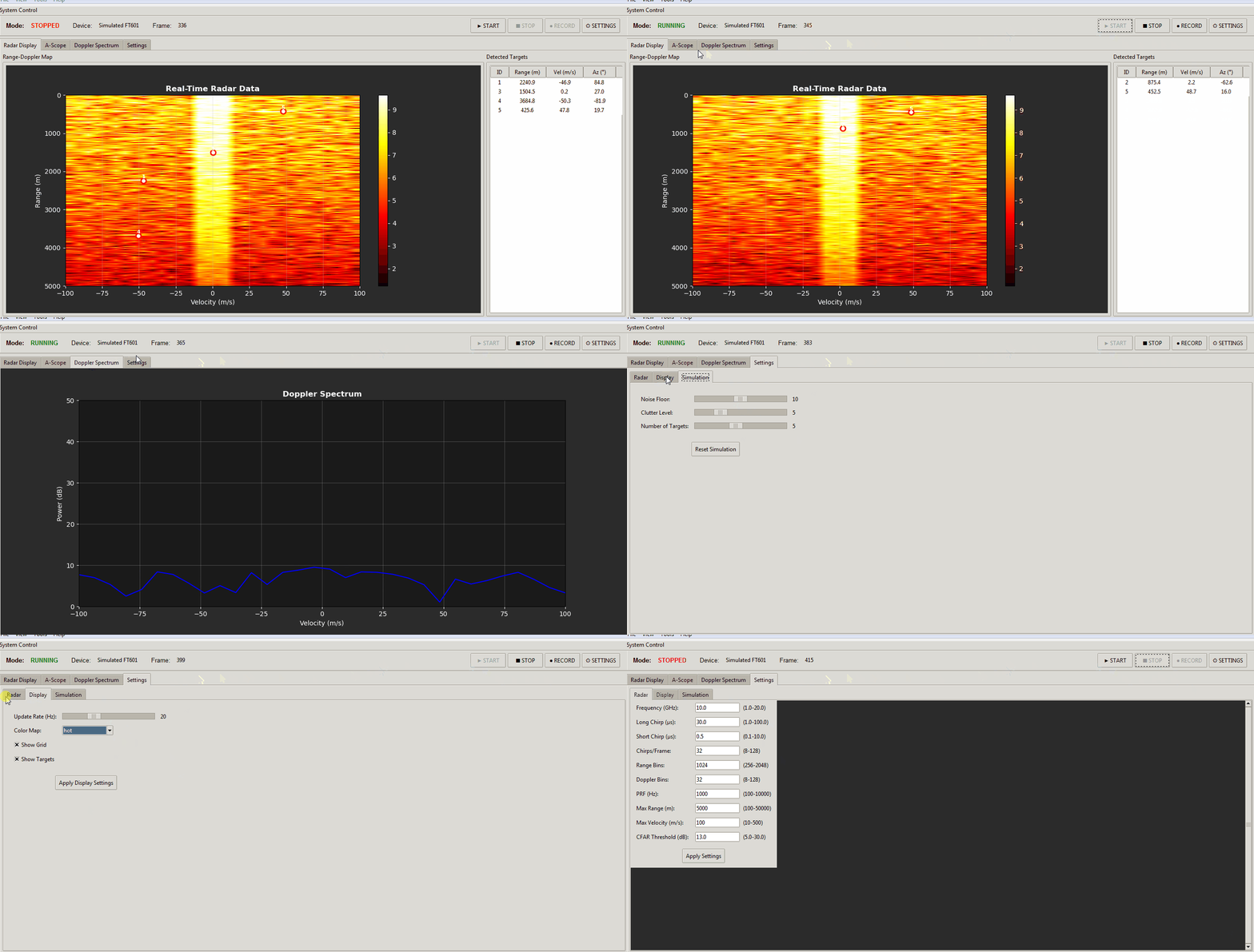
|
||||
|
||||
## 📊 Technical Specifications
|
||||
|
||||
|
||||
@@ -32,11 +32,6 @@
|
||||
</section>
|
||||
|
||||
<section class="stats-grid">
|
||||
<article class="card stat notice">
|
||||
<h2>Production Board USB</h2>
|
||||
<p class="metric">FT2232H (USB 2.0)</p>
|
||||
<p class="muted">50T production board uses FT2232H. FT601 USB 3.0 is available on 200T premium dev board only.</p>
|
||||
</article>
|
||||
<article class="card stat">
|
||||
<h2>Tracked Timing Baseline</h2>
|
||||
<p class="metric">WNS +0.058 ns</p>
|
||||
|
||||
Reference in New Issue
Block a user